Search
Items tagged with: photography


≪ Schönheit am Wegesrand ≫
_(Bildbeschreibung: Nahaufnahme einer leuchtend orangefarbenen Taglilie nach einem Regenschauer mit vielen Wassertropfen auf den Blütenblättern.)_
#photography #fotografie #foto #photo #postprocessed #myphoto #mywork #ownwork #nature #natur #umwelt
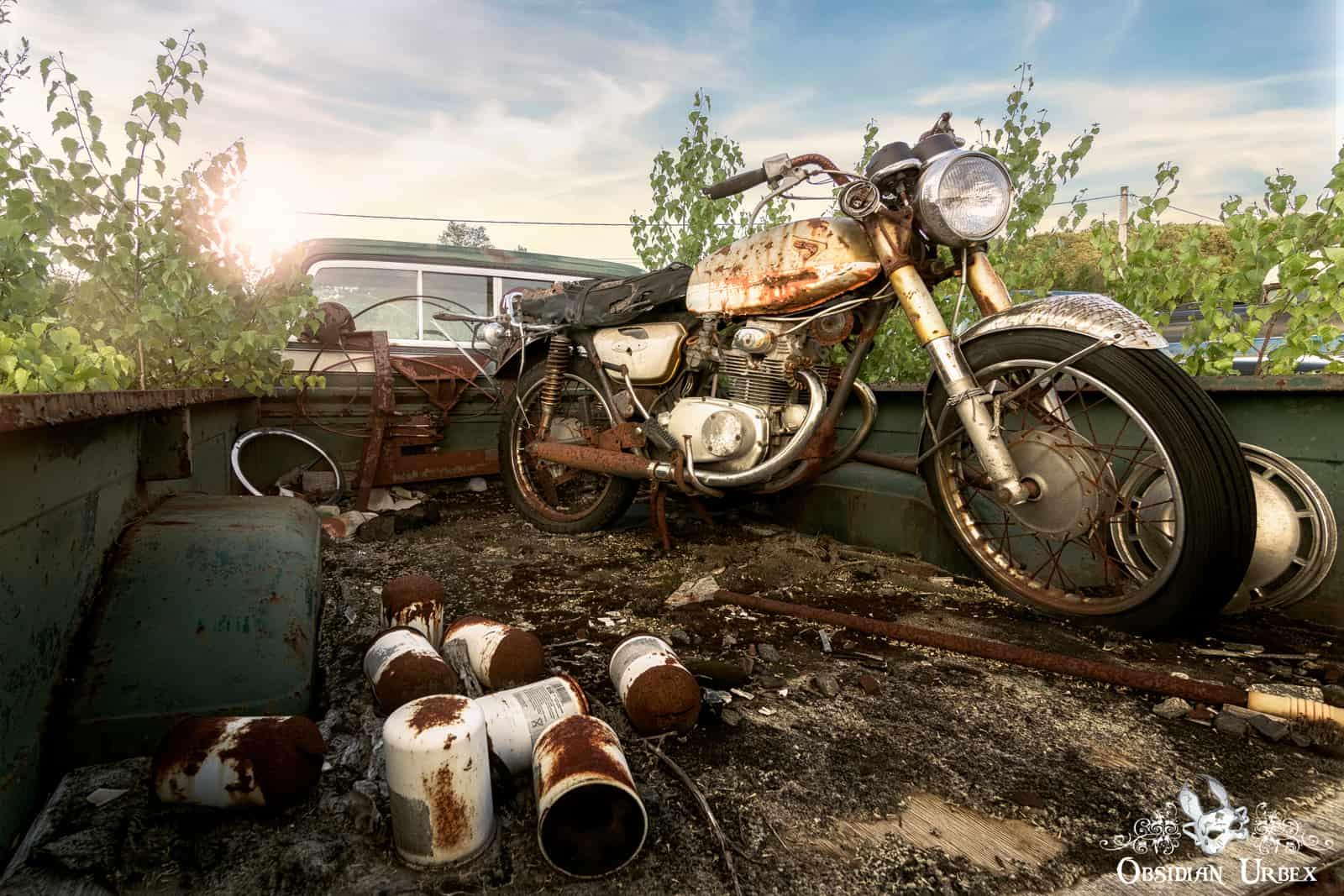
A Honda CB175 left on the back of a pick-up truck, rusting together in an abandoned junkyard in the USA.
#Abandoned #Motorcycle #Photography #HondaCB #Honda #ClassicBike #Junkyard
What are they all doing up there? A new book celebrates a quirky collection of photographs documenting women in trees.
https://www.thisiscolossal.com/2026/06/women-in-trees-book-jochen-raiss-photography/
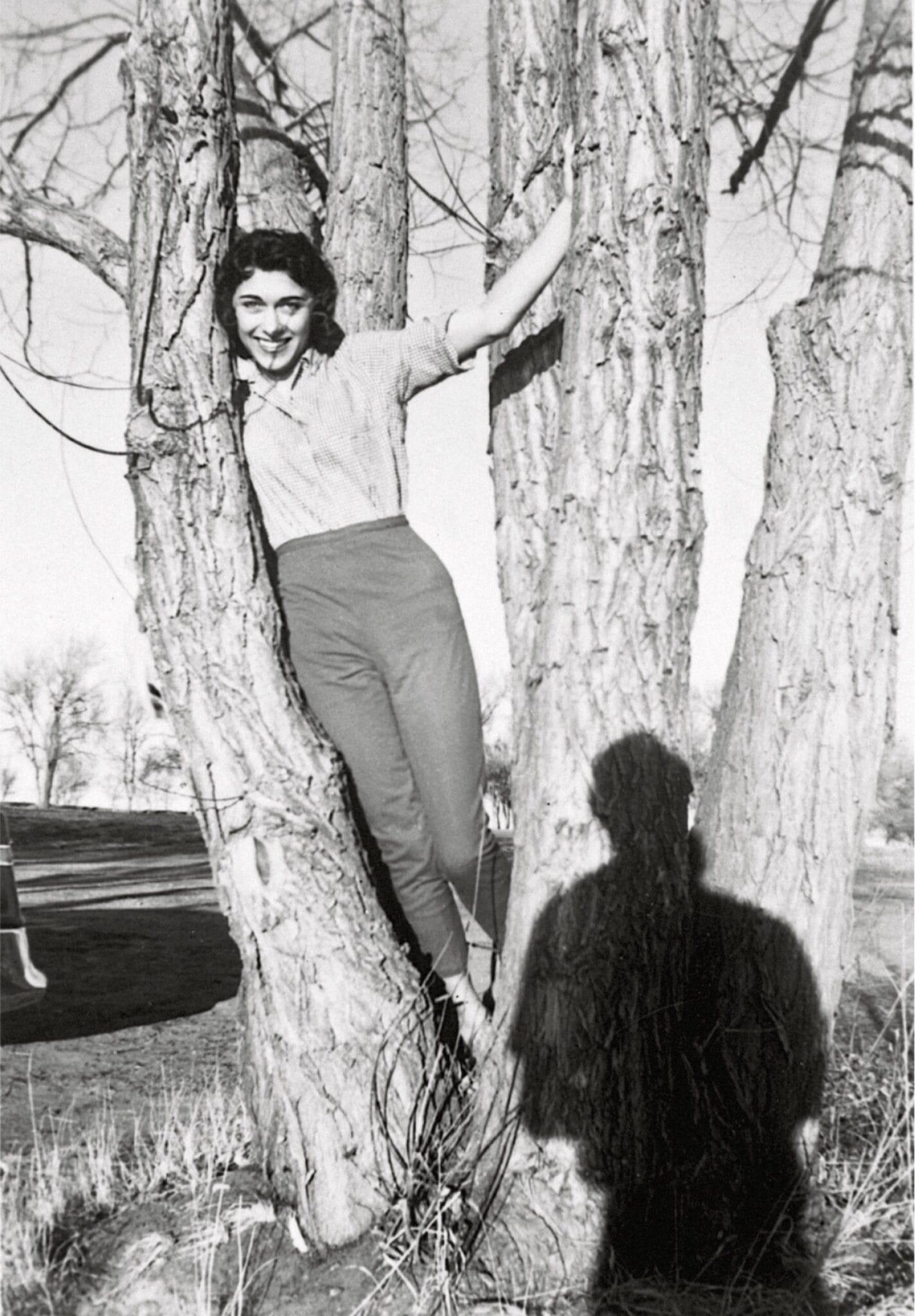
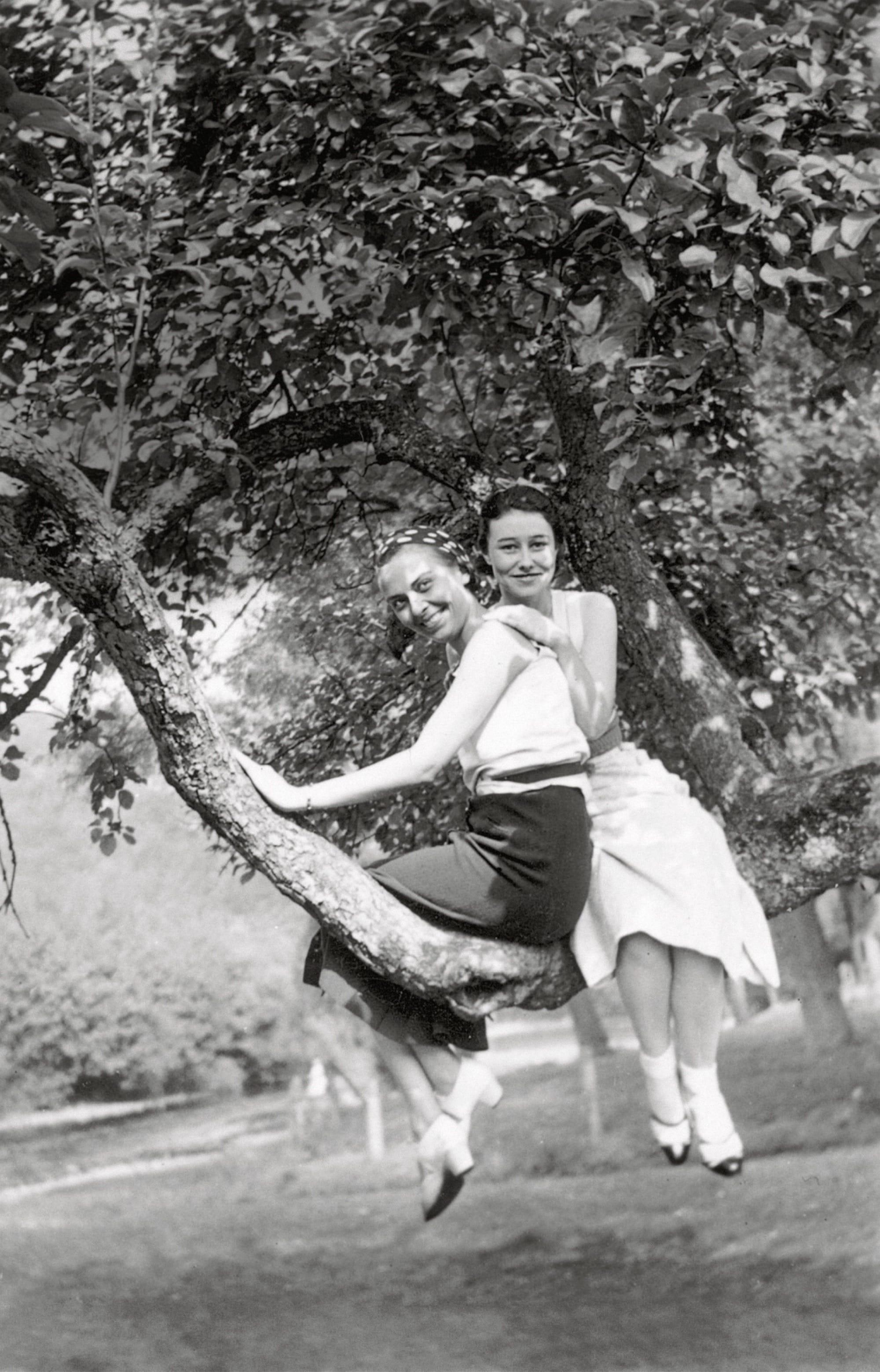
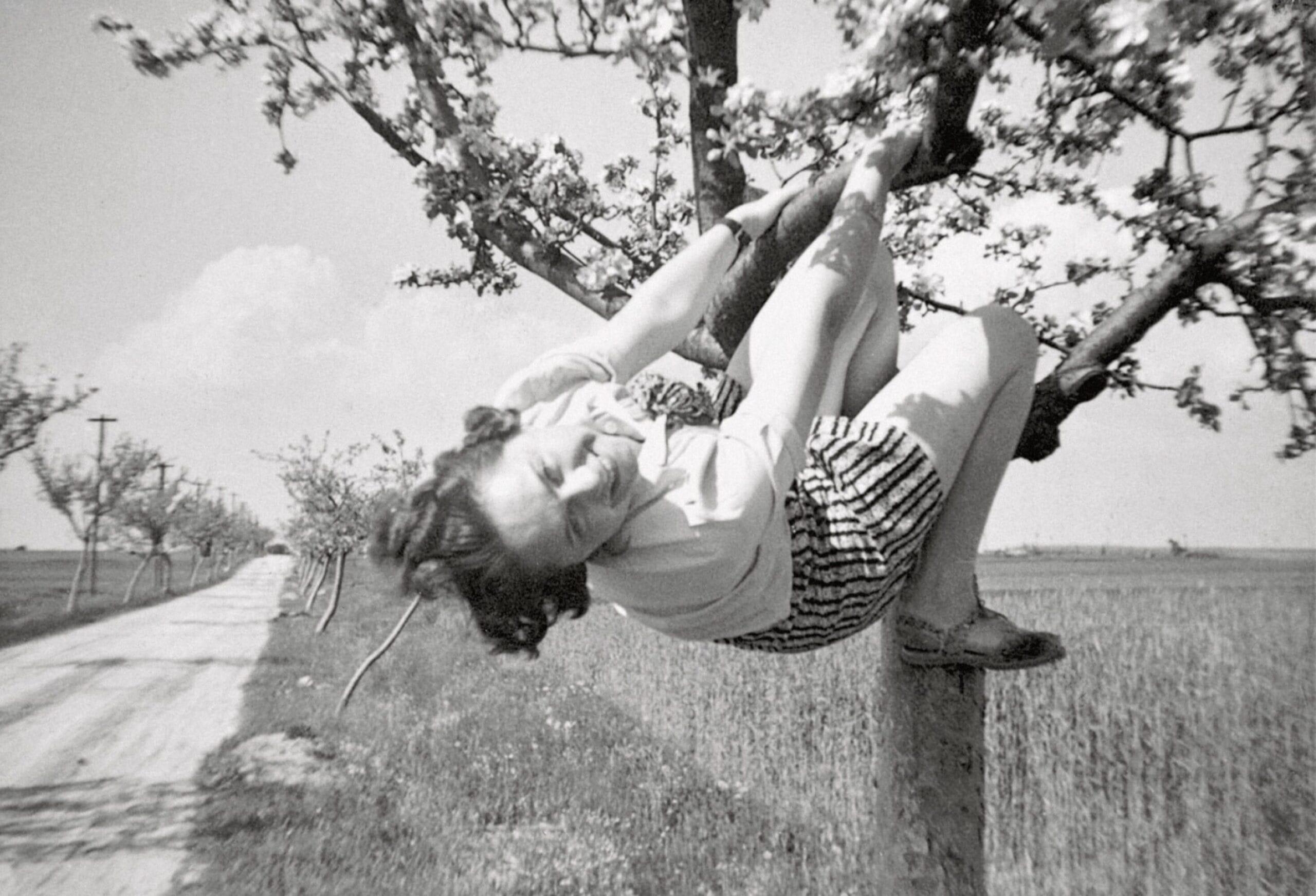
'Women in Trees' Celebrates a Quirky Collection of Anonymous Snapshots — Colossal
'Women in Trees,' published by Hatje Cantz, celebrates the quirky snapshot collection of Jochen Raiß (1969-2022).Kate Mothes (Colossal)
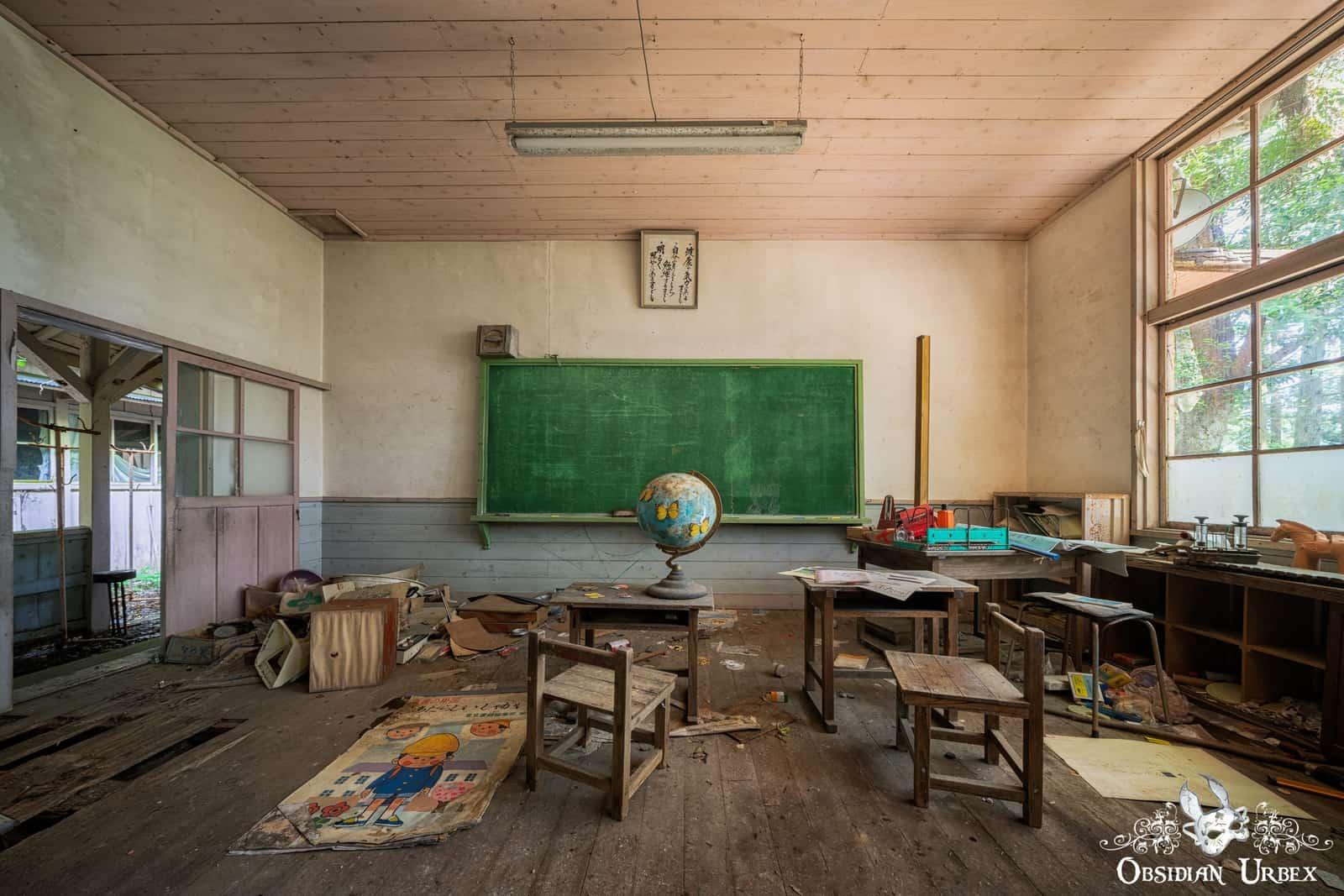
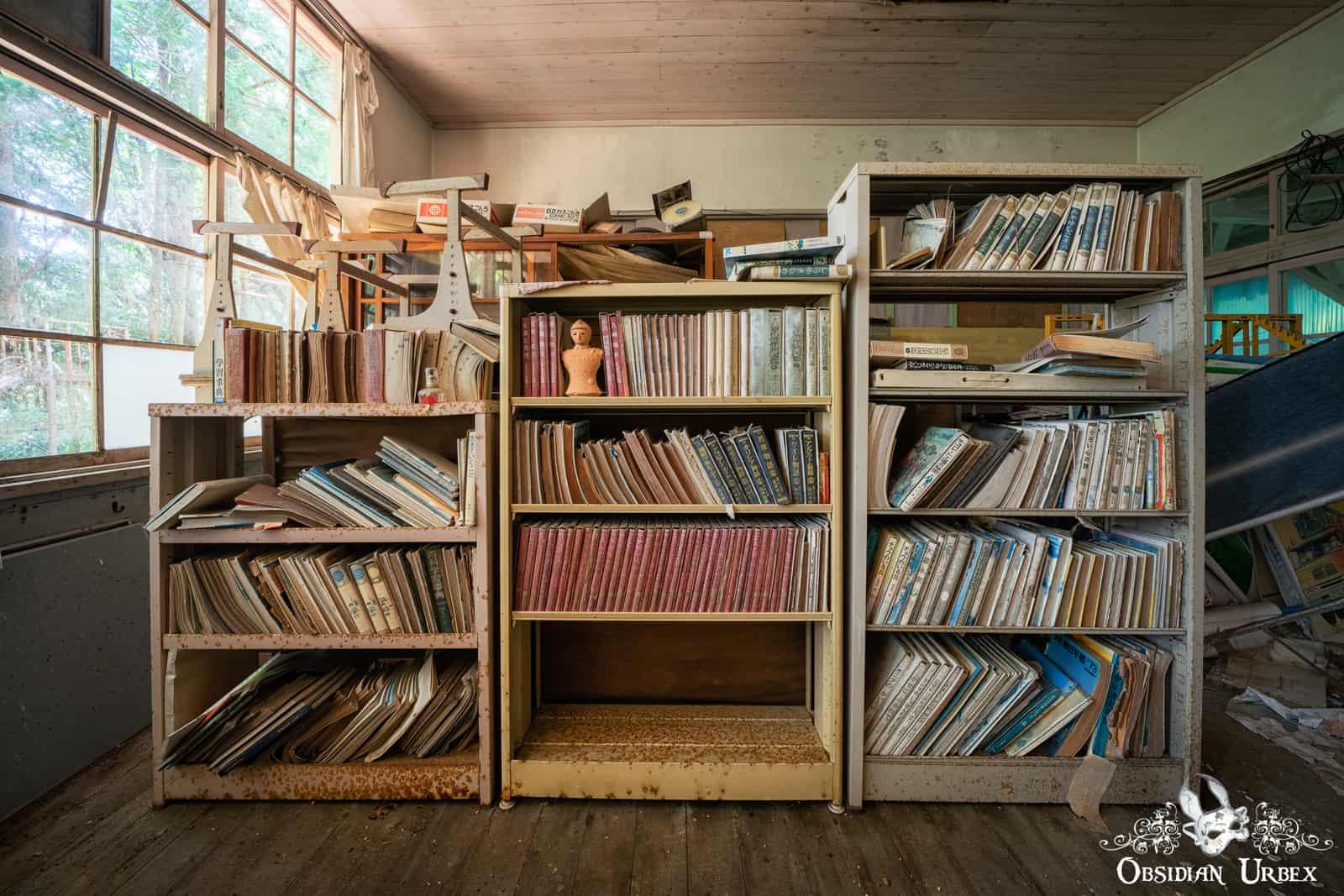
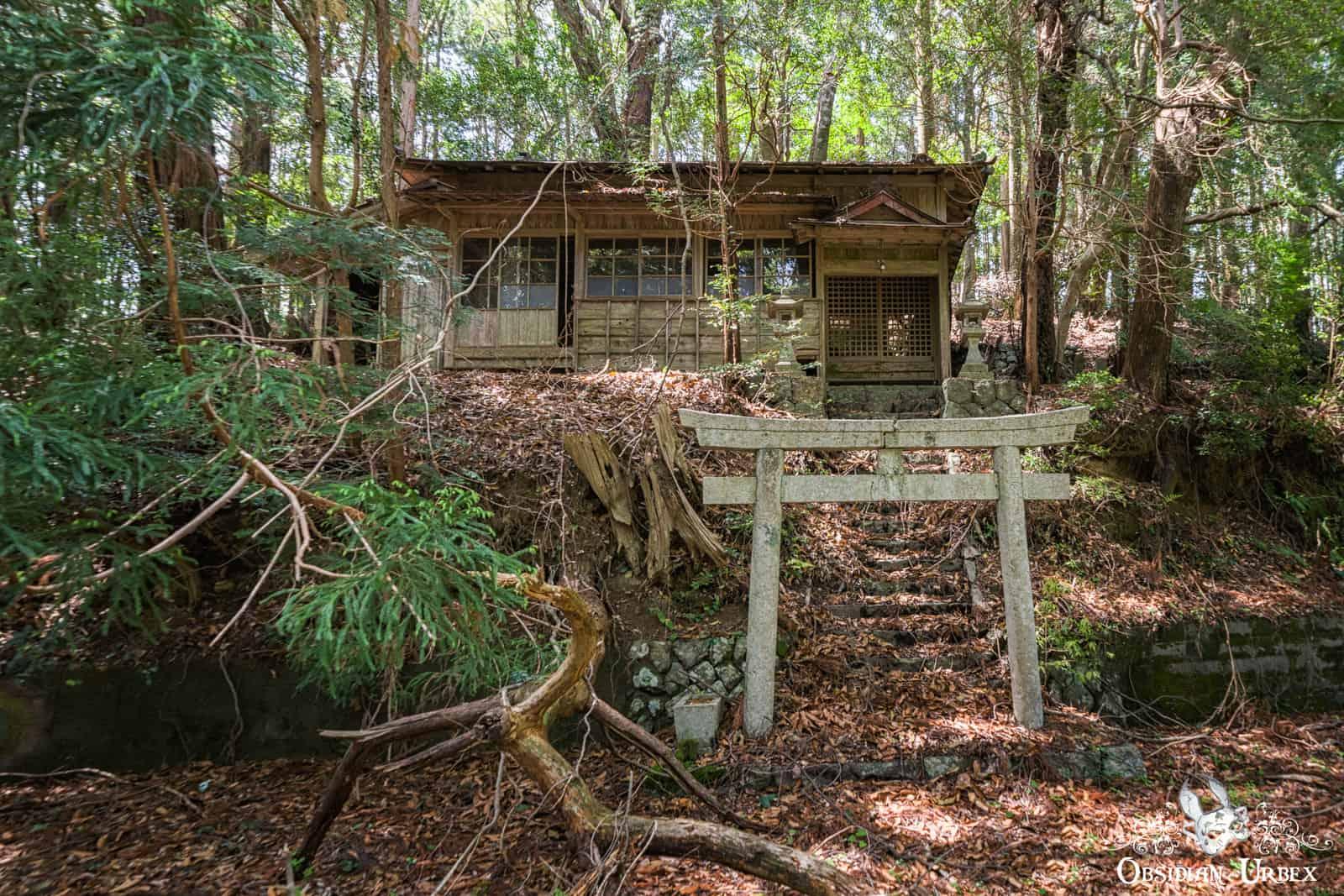
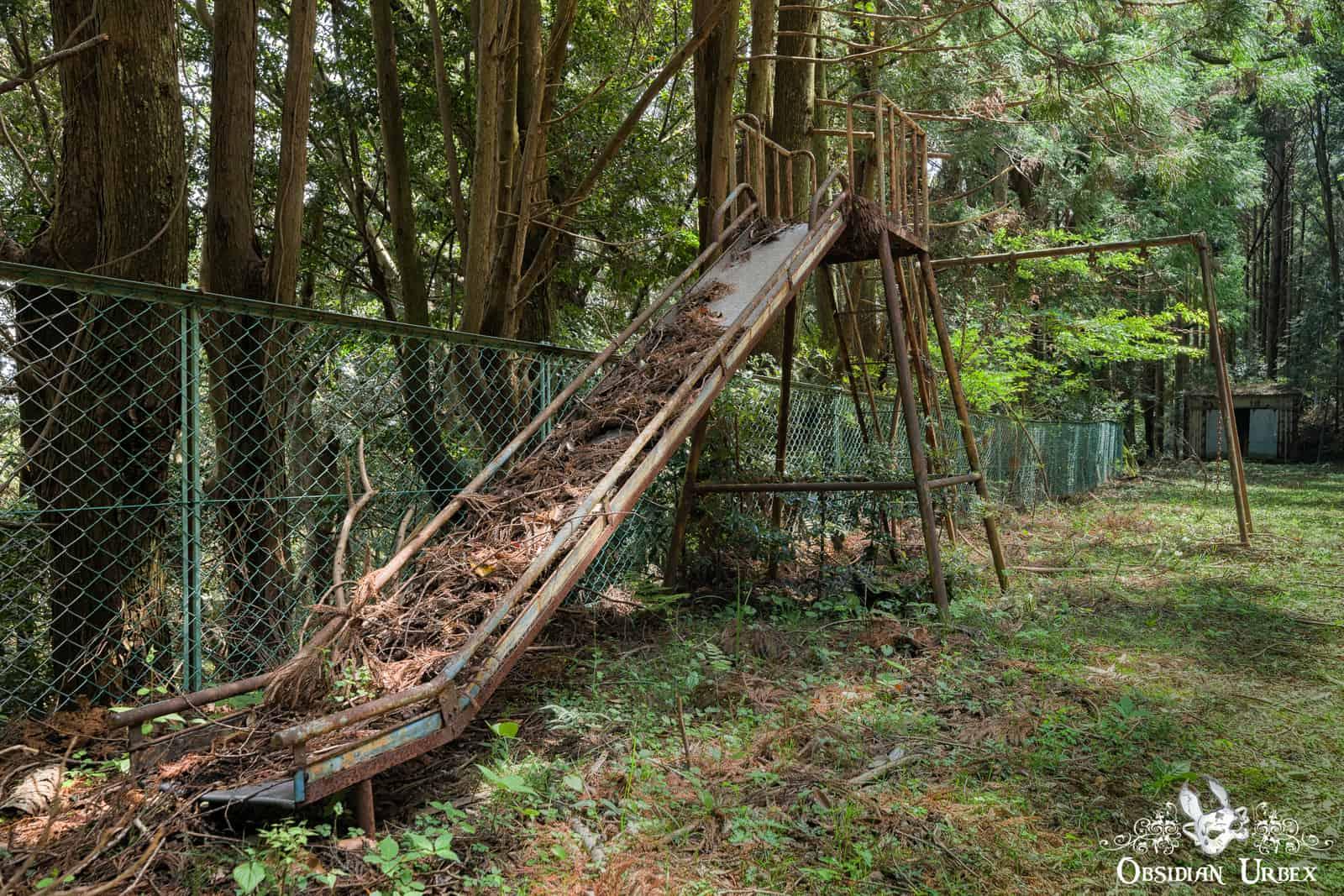
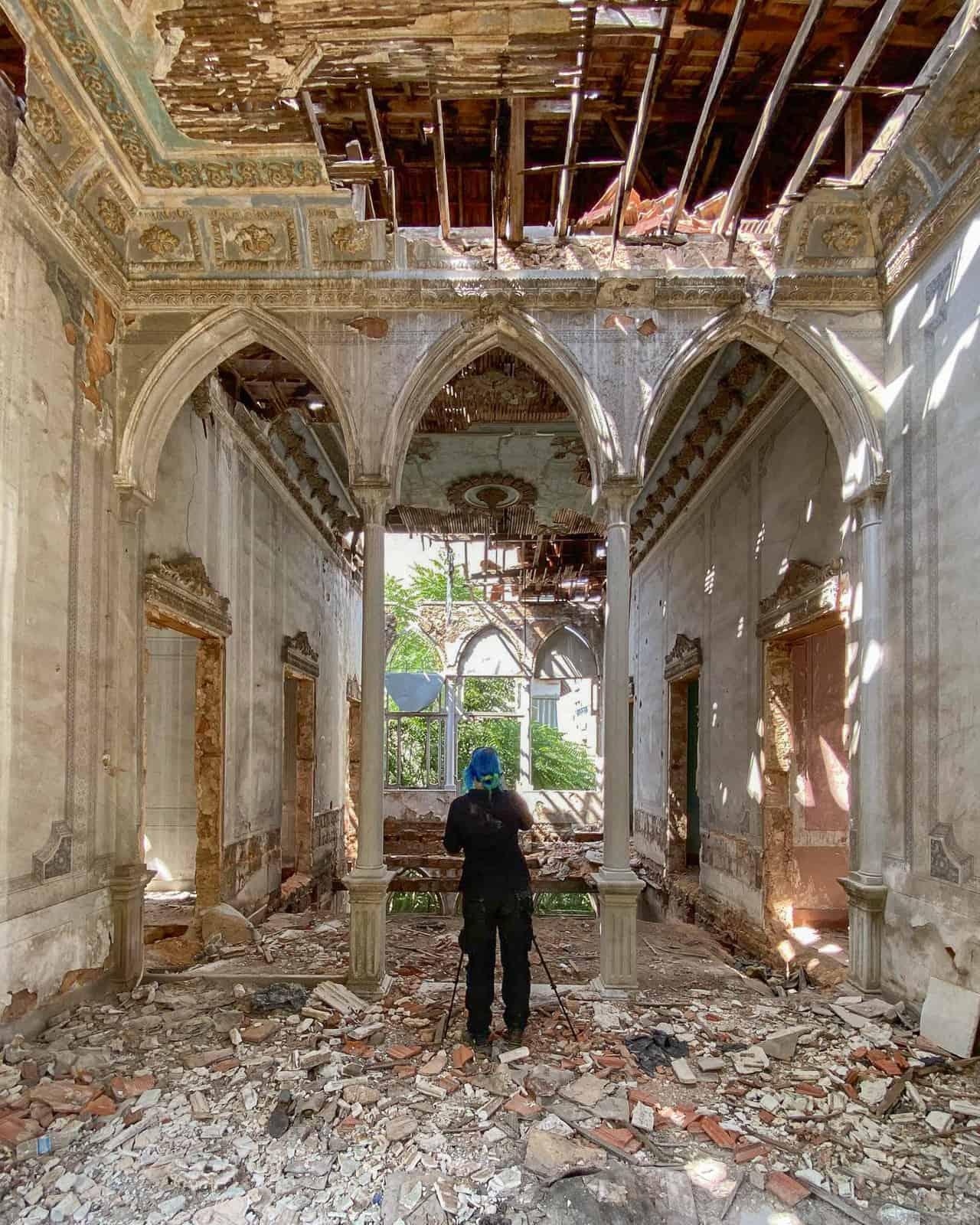
👀Eyes up! Photo of me, taking a photo (photo-ception!) inside an abandoned palace in Lebanon. A beautiful day, and fond memories of an amazing road trip exploring lost places.
#Photography #Photographer #Travel #Adventure #Abandoned
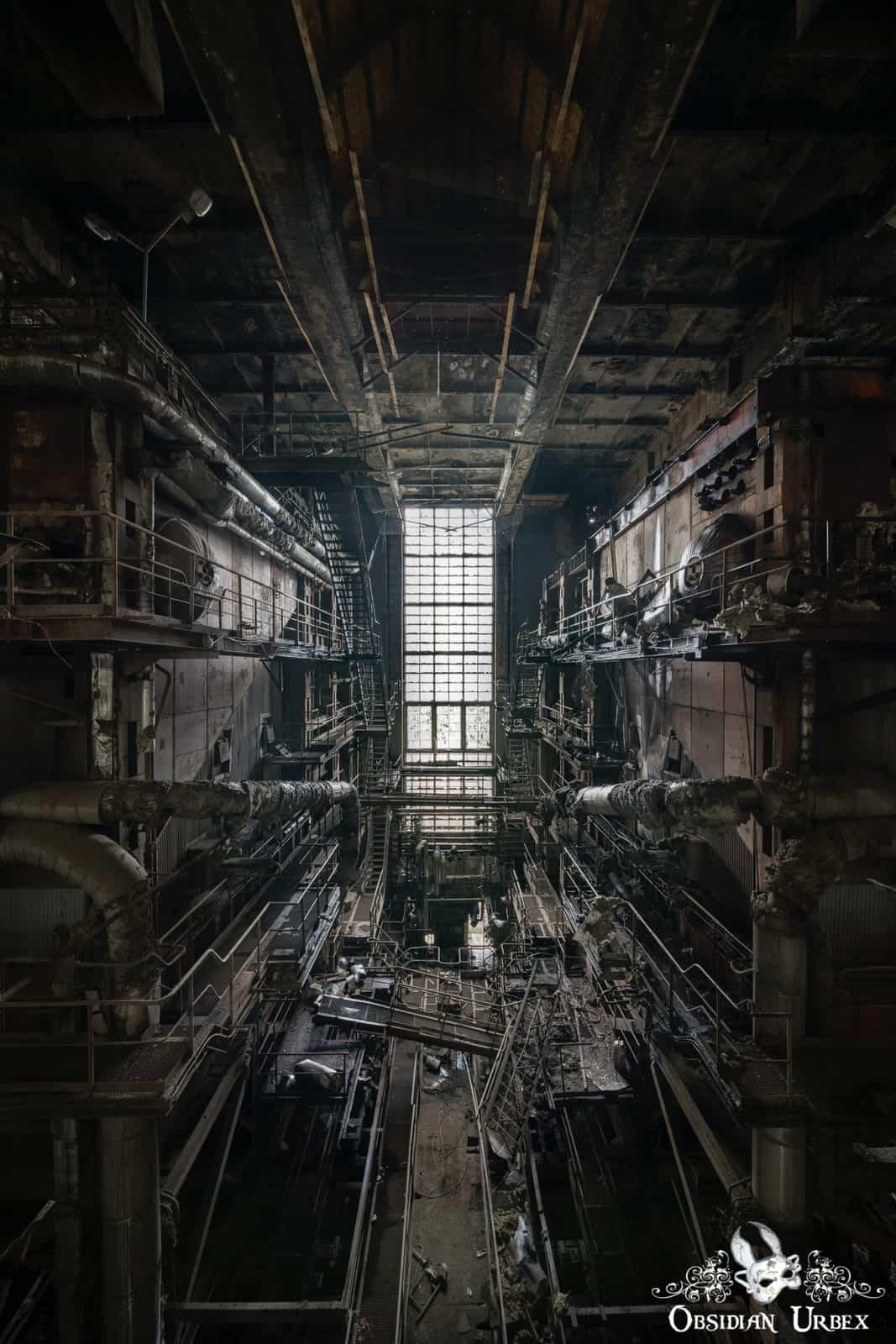
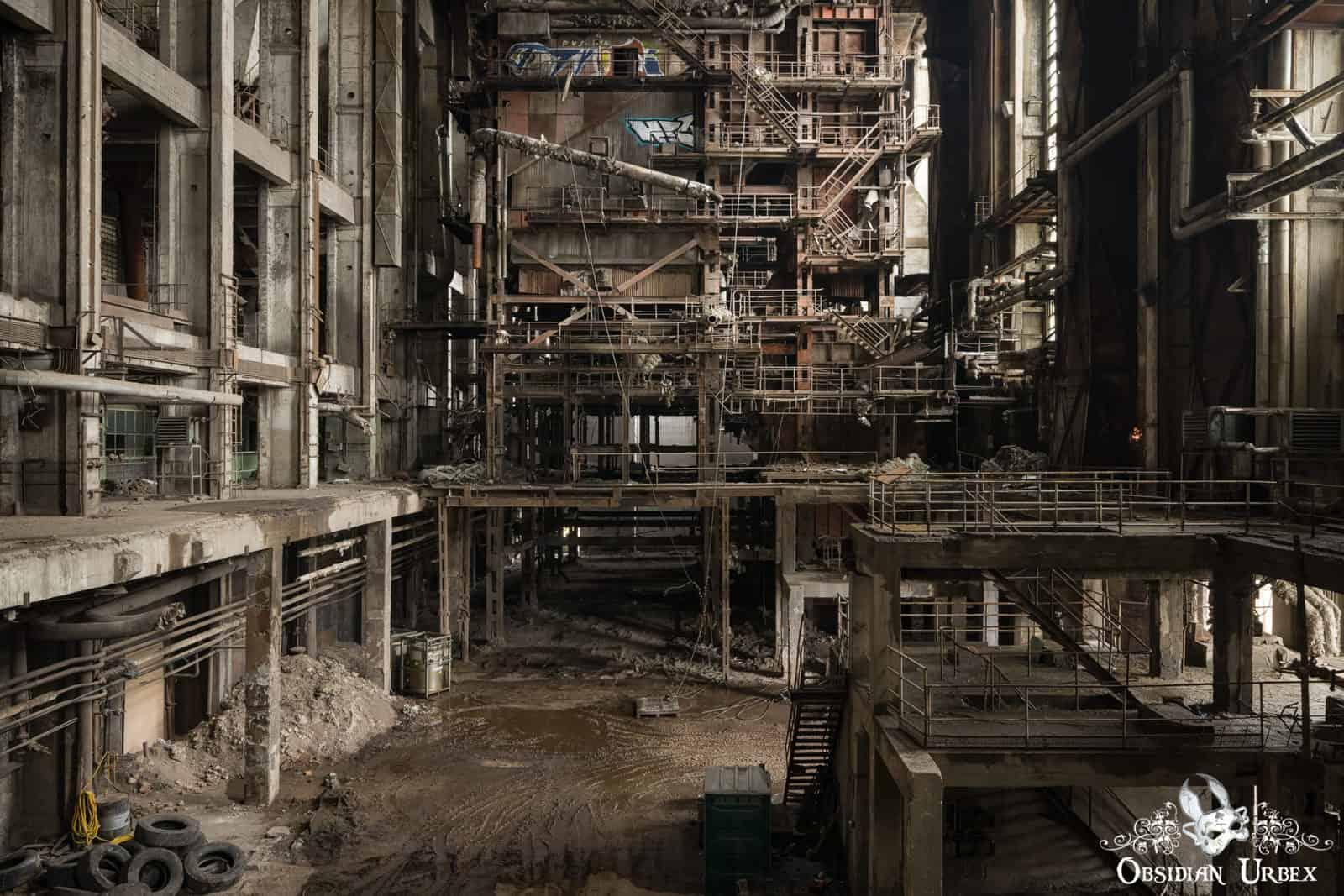
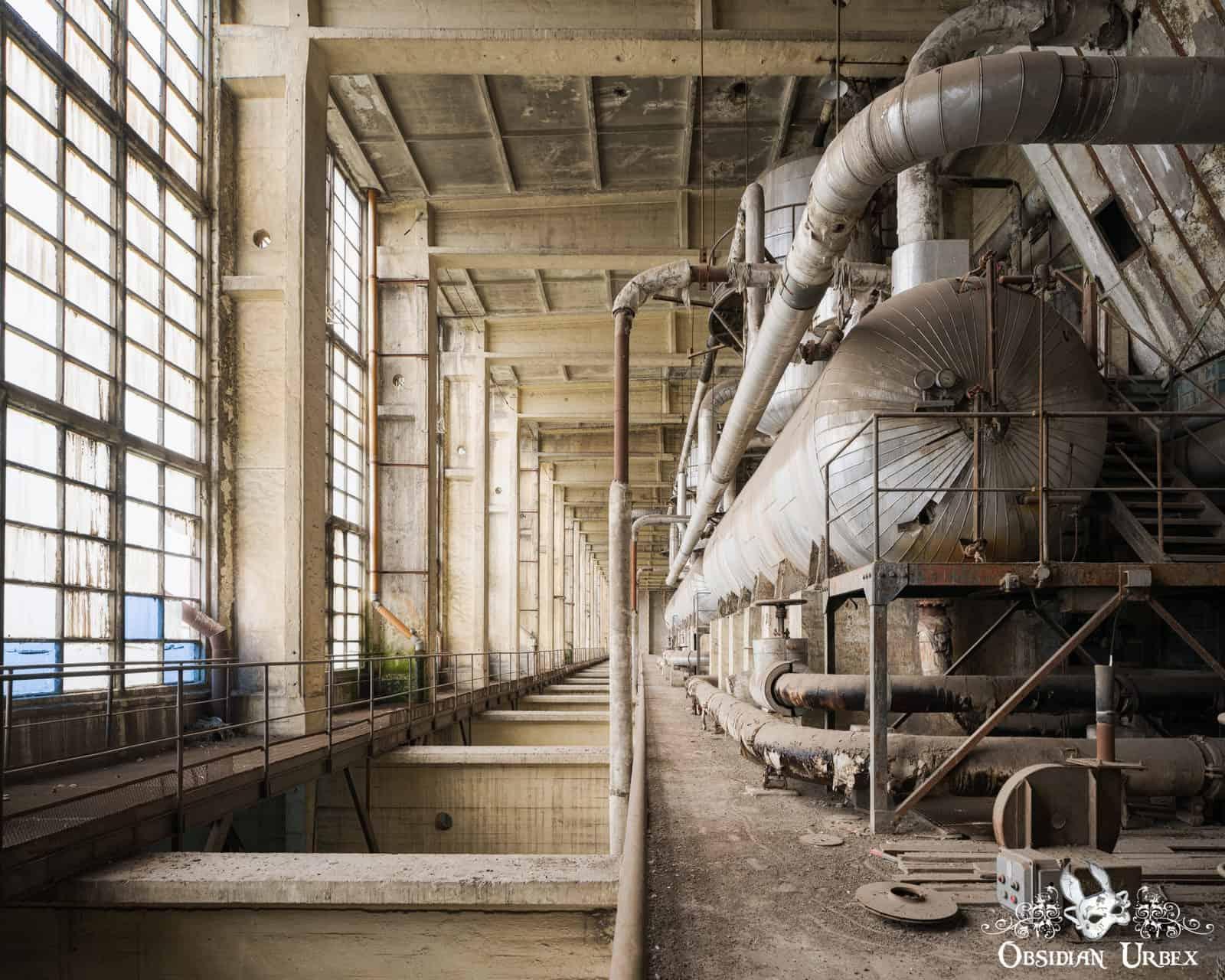
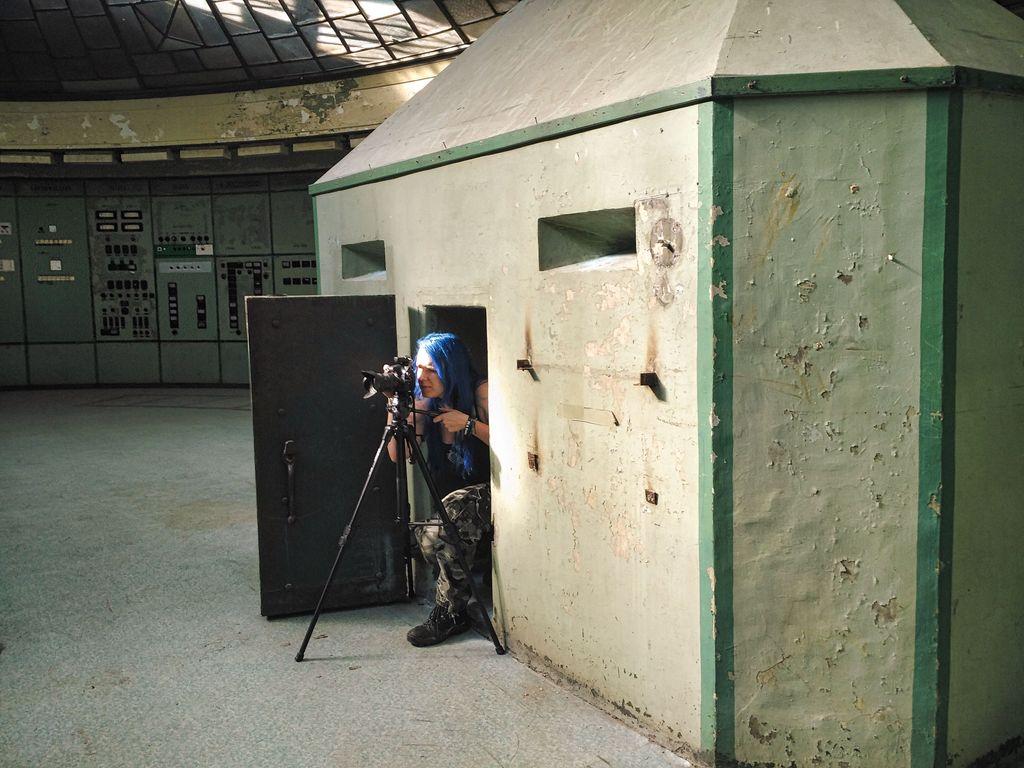
An abandoned power plant in Hungary, built in the 1950s. At its peak, the 165-Megawatt facility was heavily polluting, producing 100 tonnes of sulphur dioxide daily until closing around 2000. It later served as a set for the Blade Runner 2049 movie.
#Urbex #BladeRunner #History #Photography #Hungary

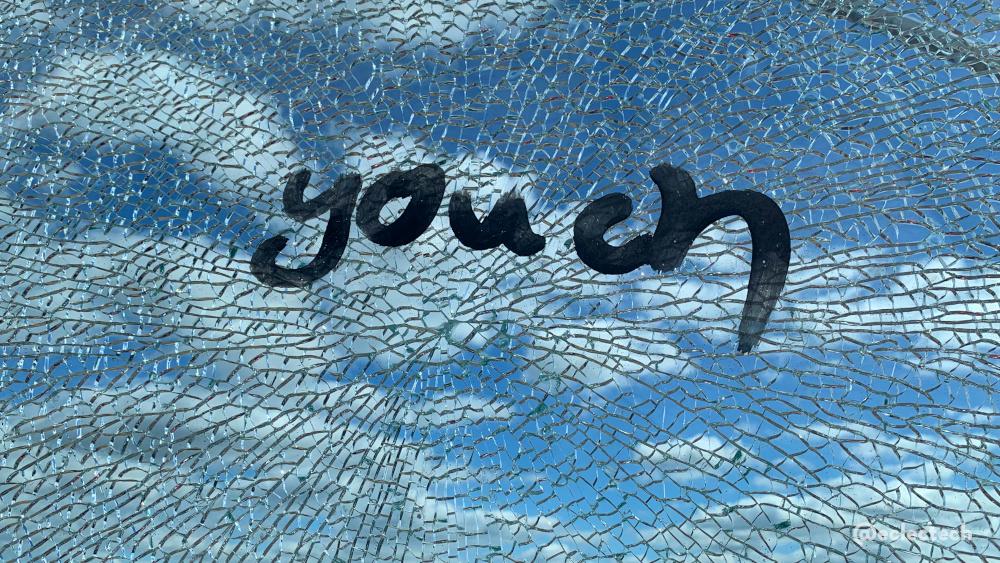
Had to head in to the urban metropolis today. I rather enjoyed this simple but expressive bit of graffiti combined with the broken glass panel & spring sky.
#graffiti #Scotland #photography
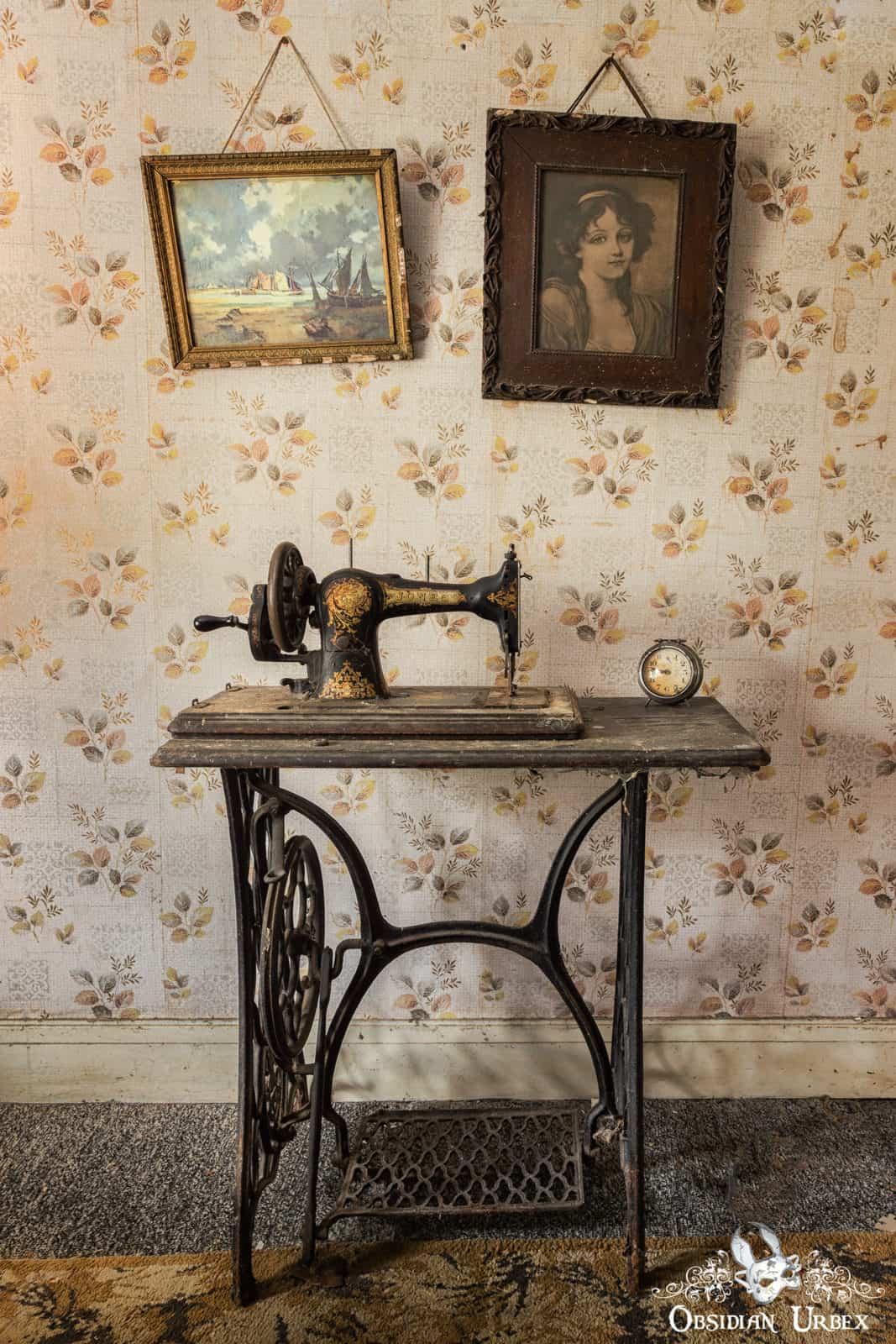
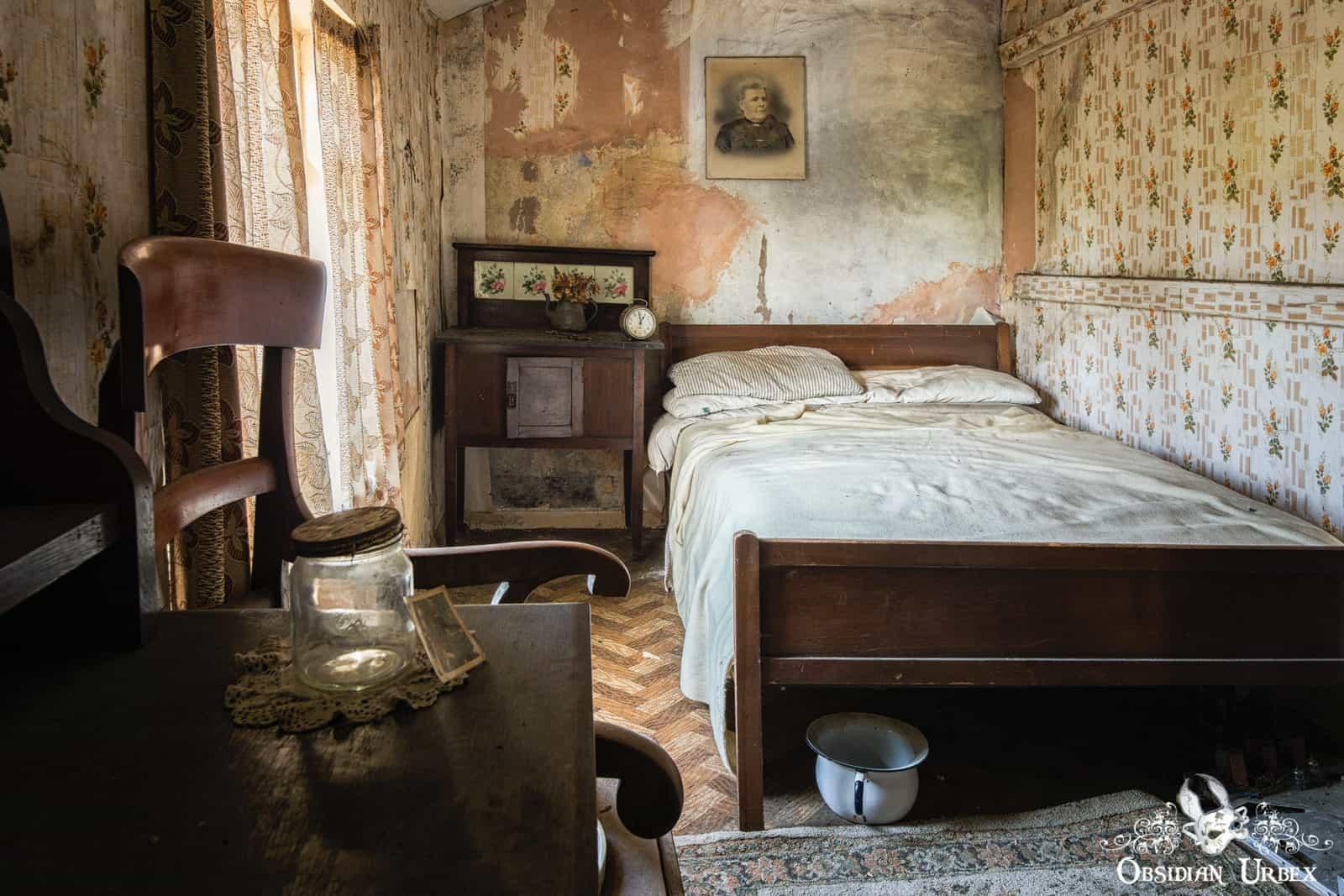
🏚️An abandoned house somewhere in rural England, largely untouched since its last occupant mysteriously left and never returned.
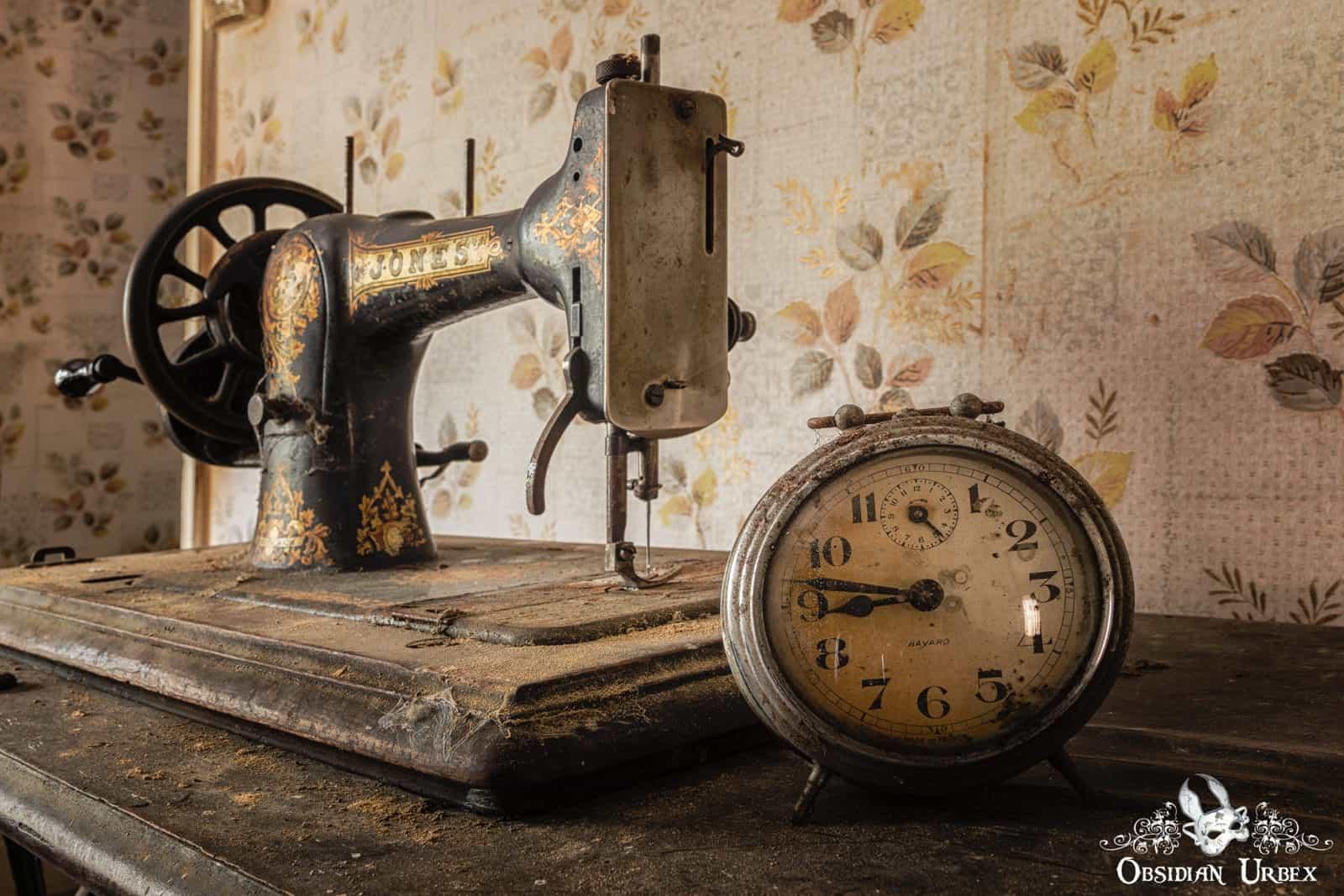
The house features a vintage English bedroom. There are numerous clocks and pocket watches, as well as a vintage Jones sewing machine. A mixture of 1940s/1950s, is my best guess.
#Abandoned #Vintage #UrbanExploration #Photography #Retro #LostPlaces #Urbex

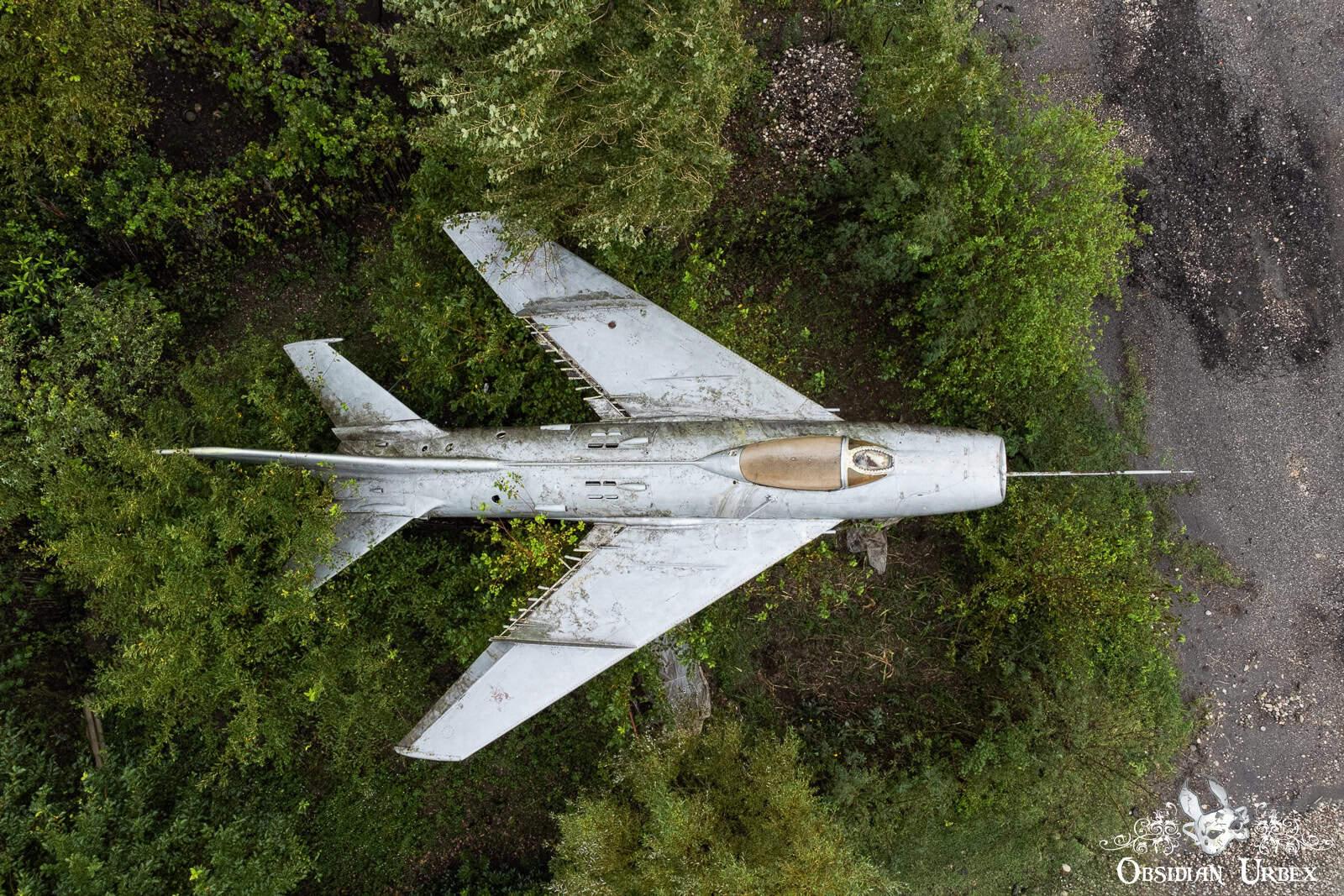
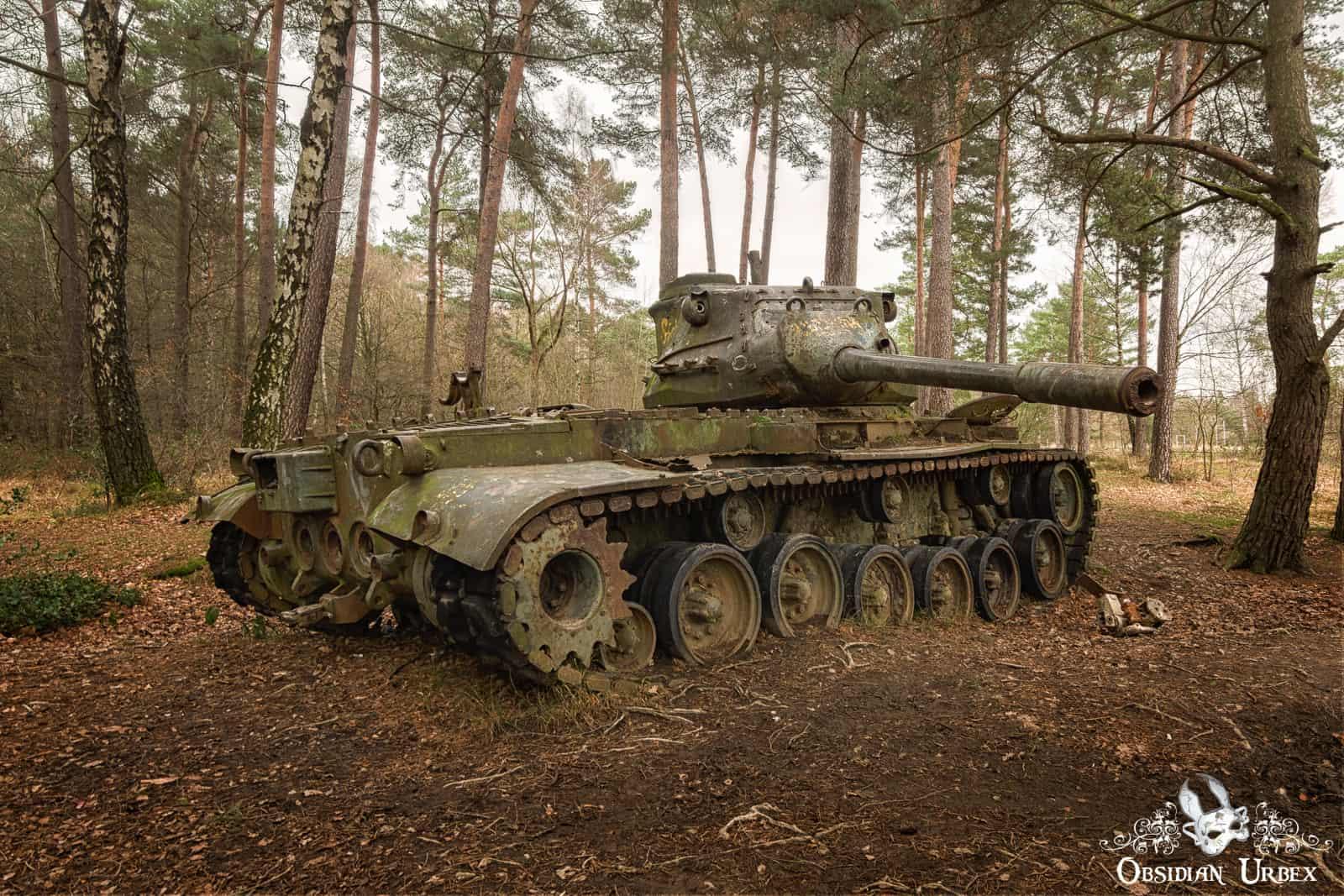
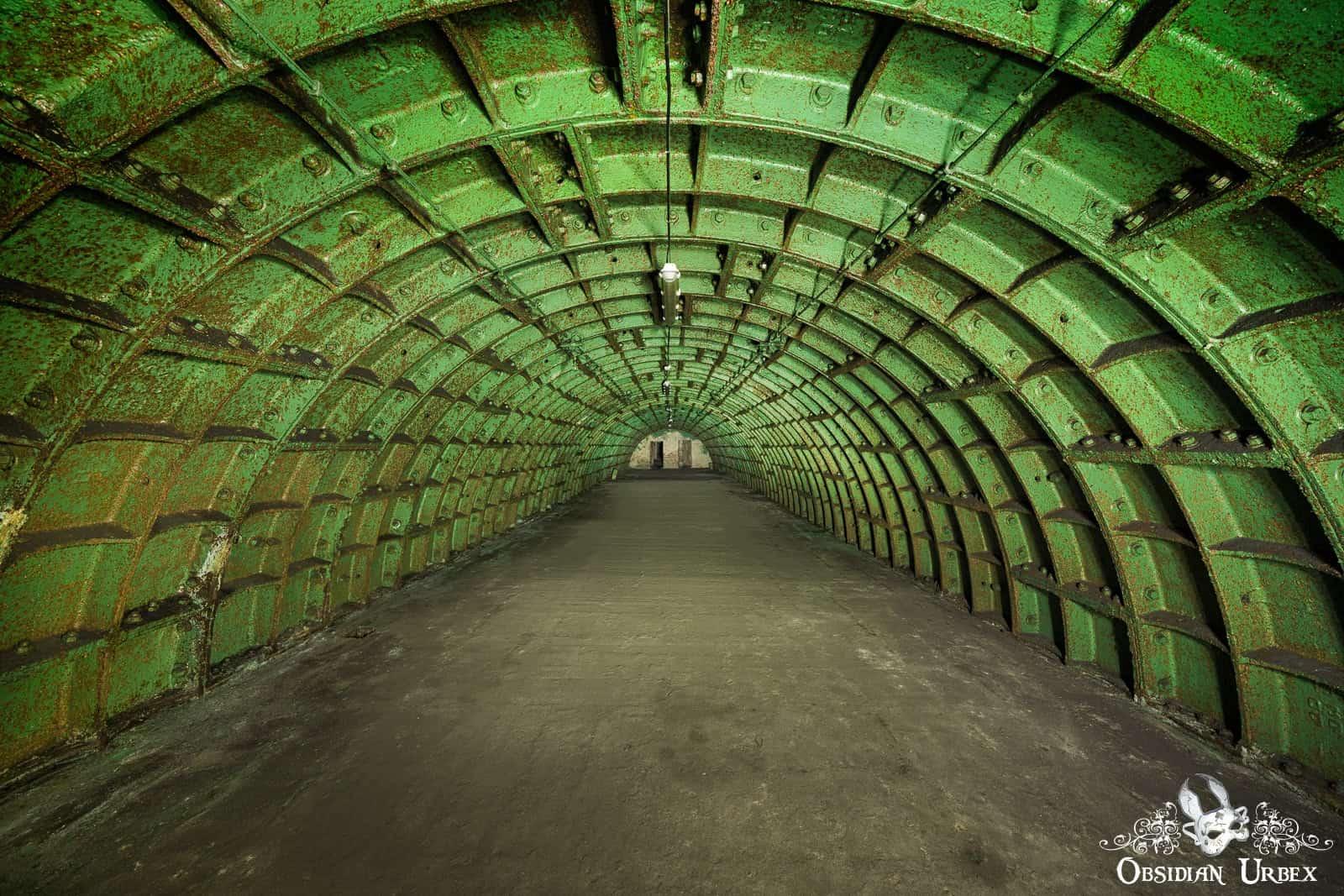
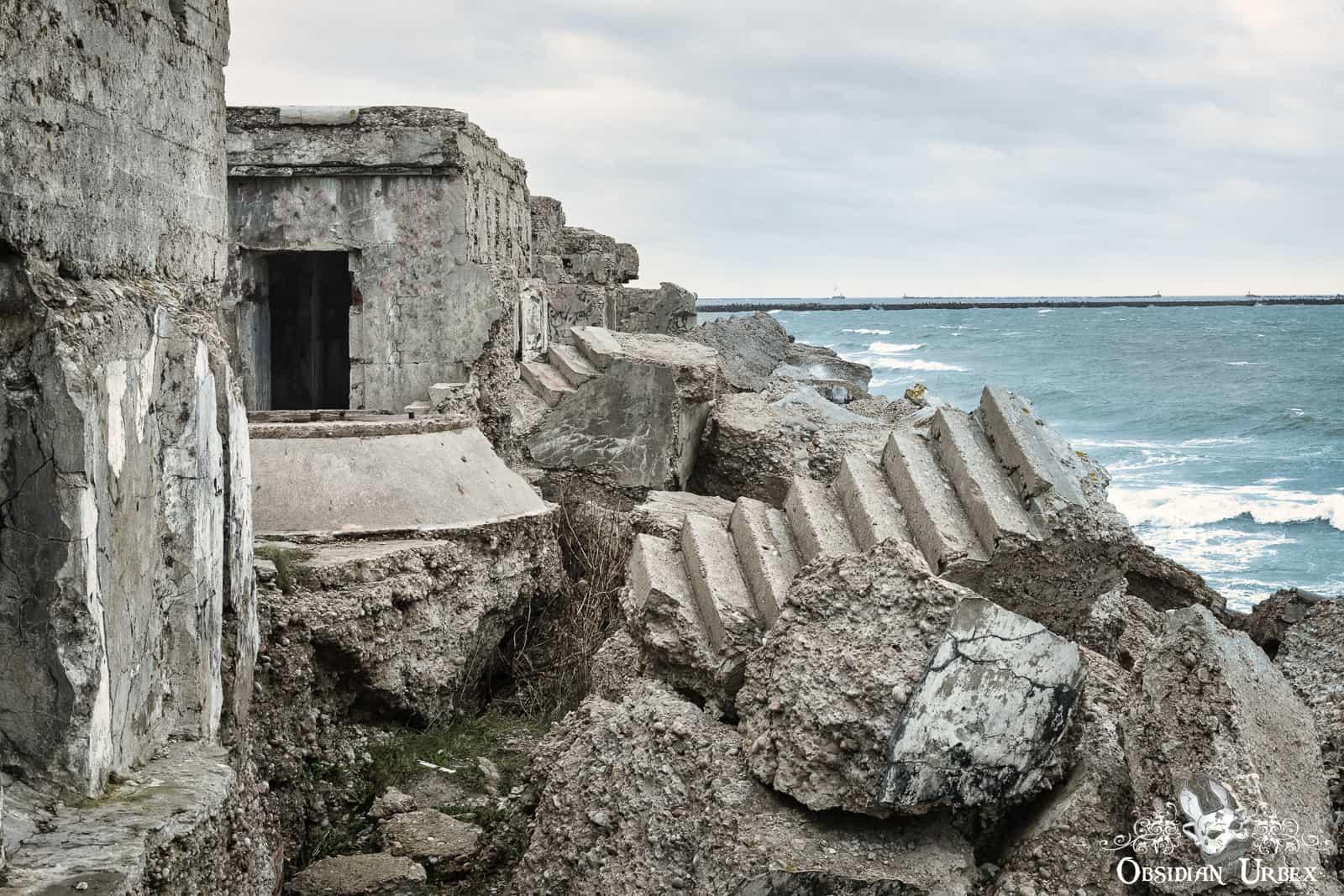
🕊️ Imagine a world without war, where the machines and structures of destruction fall silent.
Warplanes grounded and swallowed by vegetation, tanks ceased in place. The waves reclaim coastal fortresses left behind. Bunkers forgotten below city streets. Propaganda fades and loses meaning
Some of my photos of #AbandonedPlaces in Georgia, Germany, Hungary, Latvia, Poland and England.
#Abandoned #History #War #History #Photography #Military #War #Decay #Bunker #Tank #Plabe #Airplane #Fortress
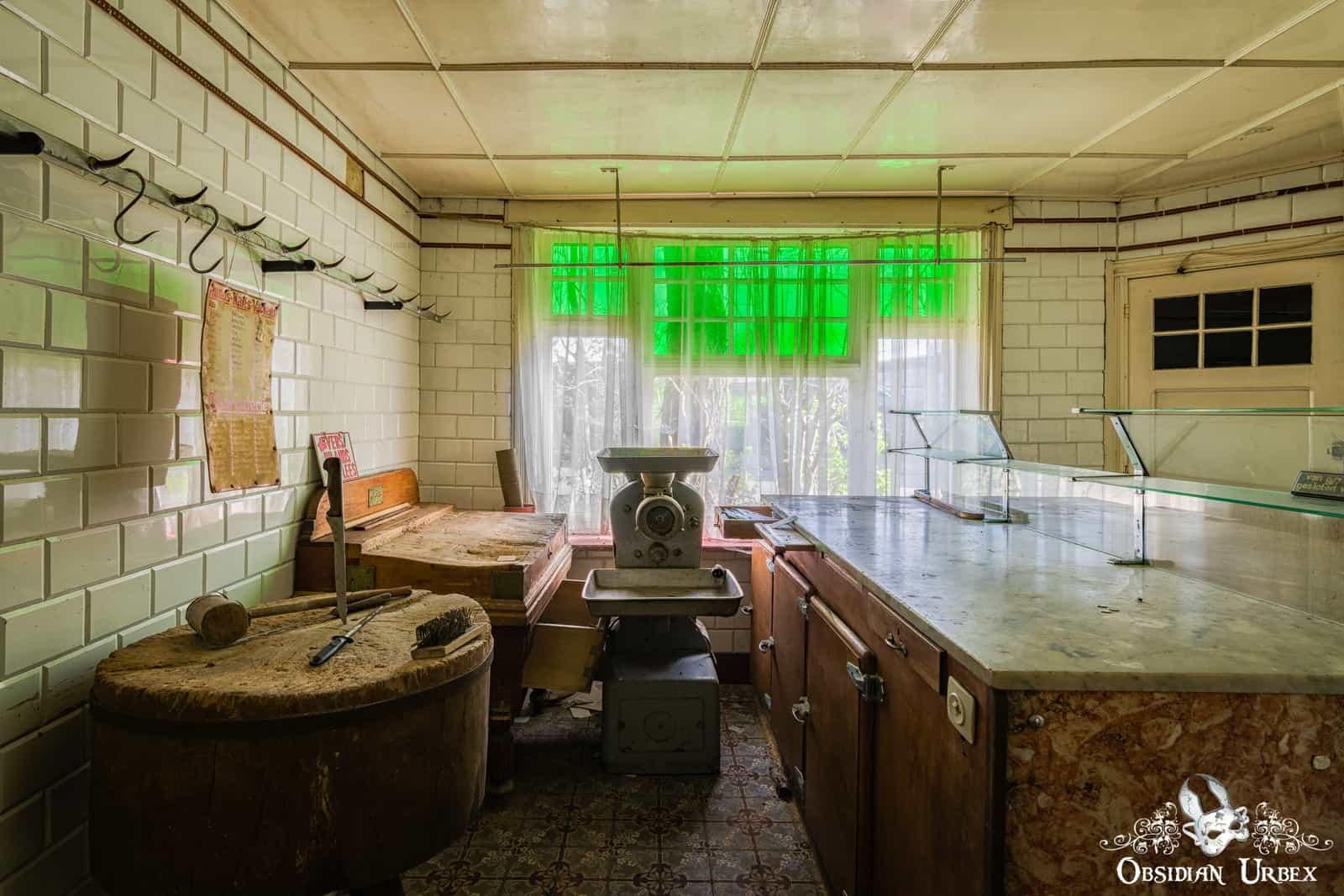
An abandoned butcher's shop, hidden in plain sight at the roadside in a small village. Somewhere in Belgium.
#Belgium #Abandoned #Photography #Urbex #UrbanExploration #AbandonedPlaces
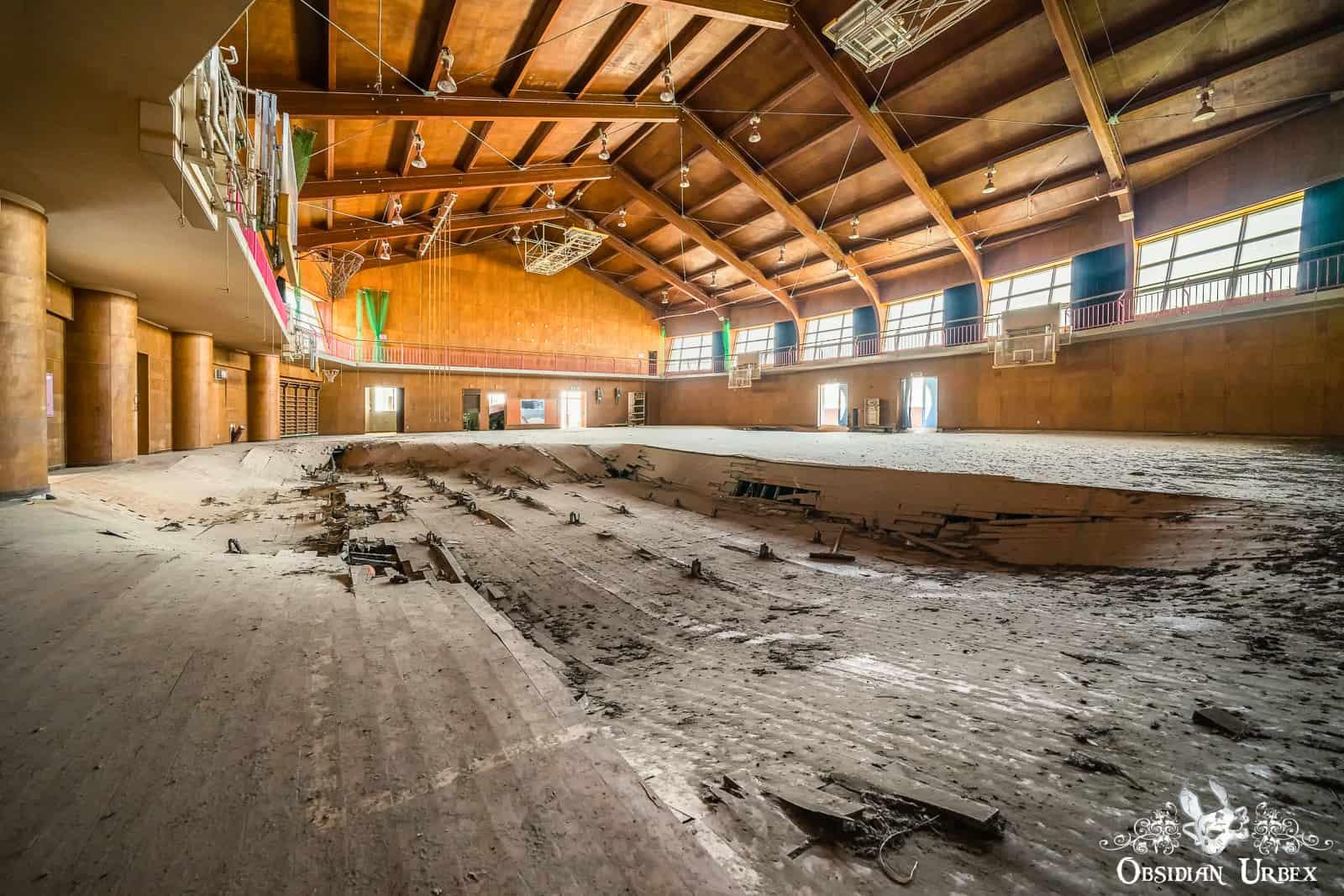
Fukushima, Japan. The 2011 tsunami struck this seaside school, which stood only 250m away from the coast.
Disregarding the protocol to shelter in-place, staff and students instead fled to high ground. As the wave inundated the school, this action saved 100 lives as water reached the gym ceiling.
#Fukushima #Japan #Tsunami #Abandoned #Ruins #AbandonedPlaces #Photography
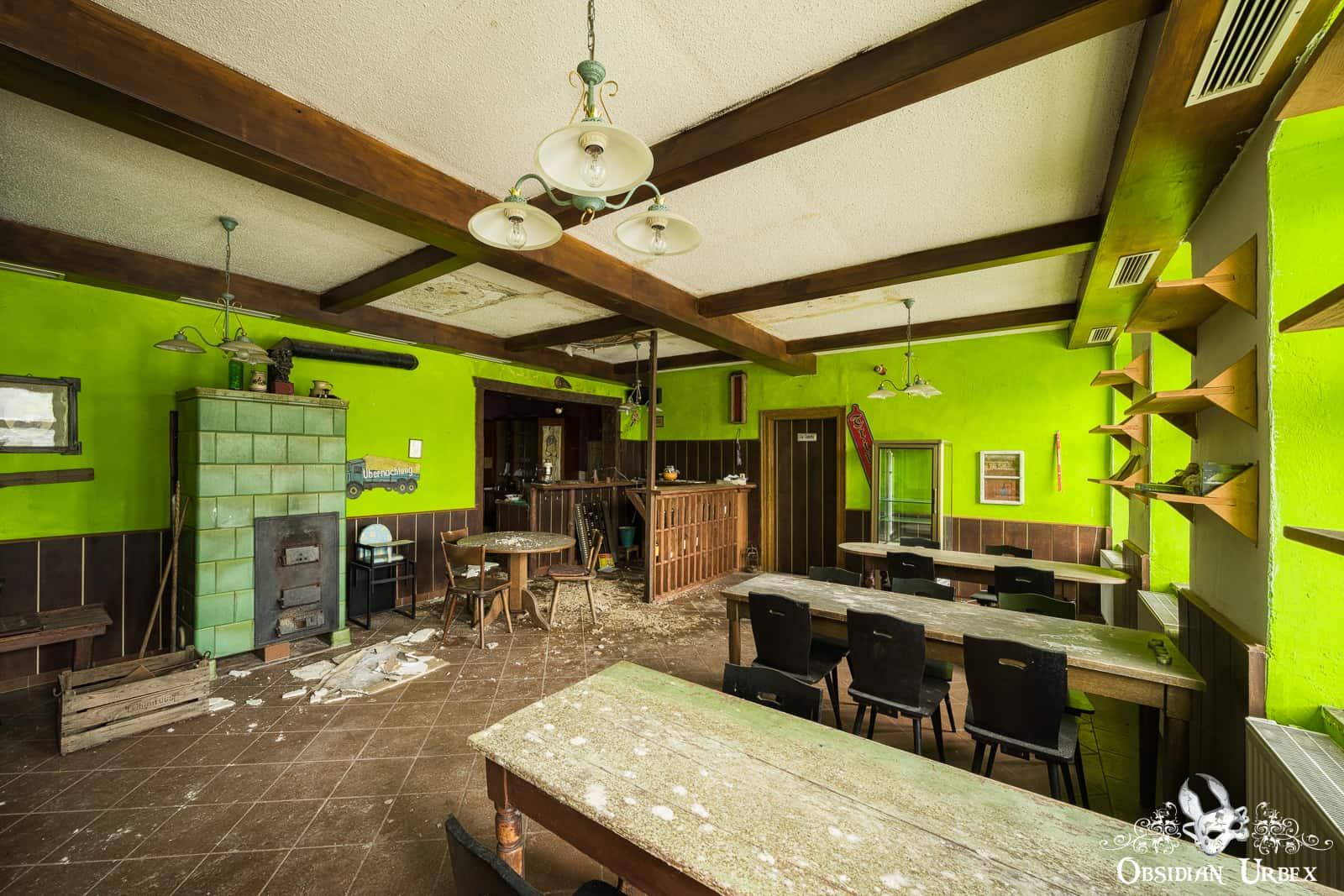
An abandoned roadside inn that closed down around 10 years ago. Somewhere in Germany.
The front bar had an interesting paint job on the walls; what colour would you call that? Chartreuse? 💚
#Photography #Germany #AbandonedPlaces #Inn #Roadside #LostPlace
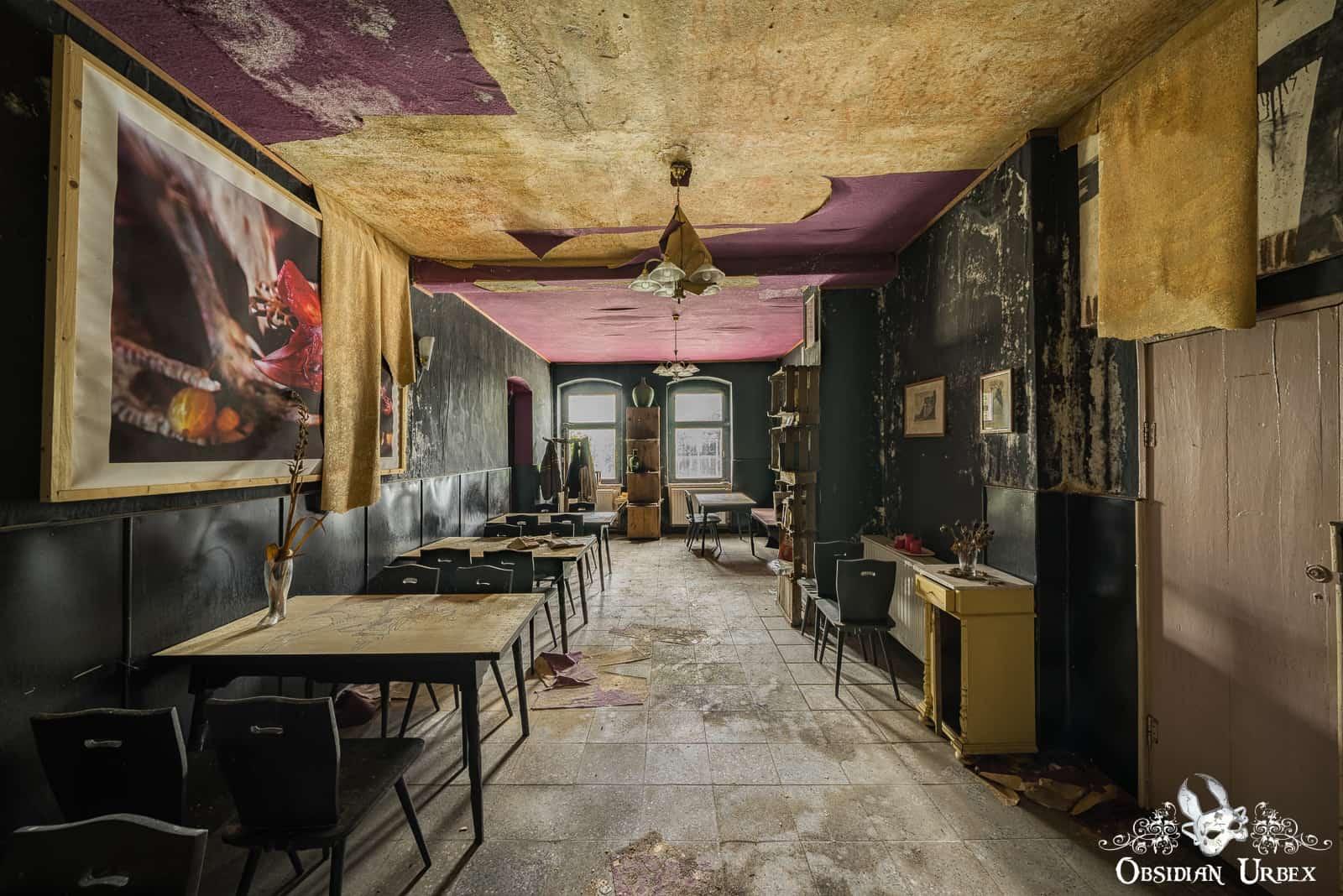
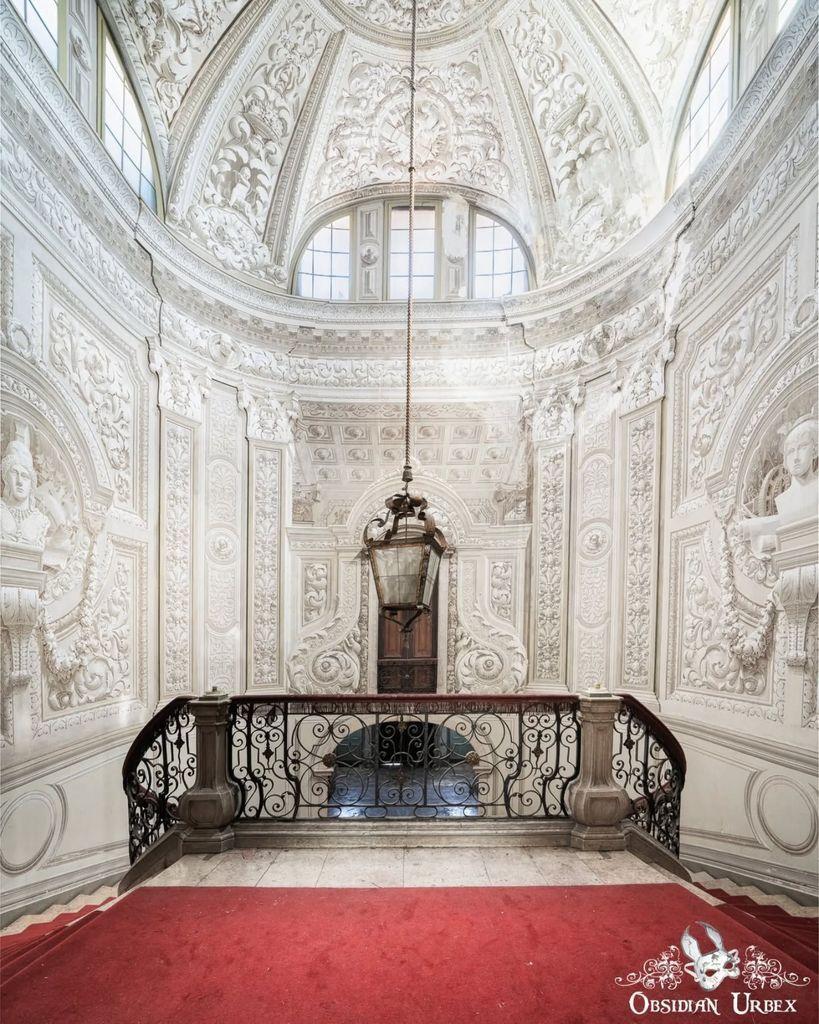
🇫🇷👙💙Abandoned thermal spa in France
Since Roman times, people have bathed in the healing waters of this region. After a popular 17th-century novel sang the praises of the healing waters, the hot springs became popular. A new spa resort was built, which remained popular until the mid-20th century.
By the 1980s the spa finally closed.
https://www.obsidianurbexphotography.com/medical/les-thermes-bleus-france/
#France #Photography #Abandoned #Urbex #LostPlace #AbandonedPlaces #UrbanExploration
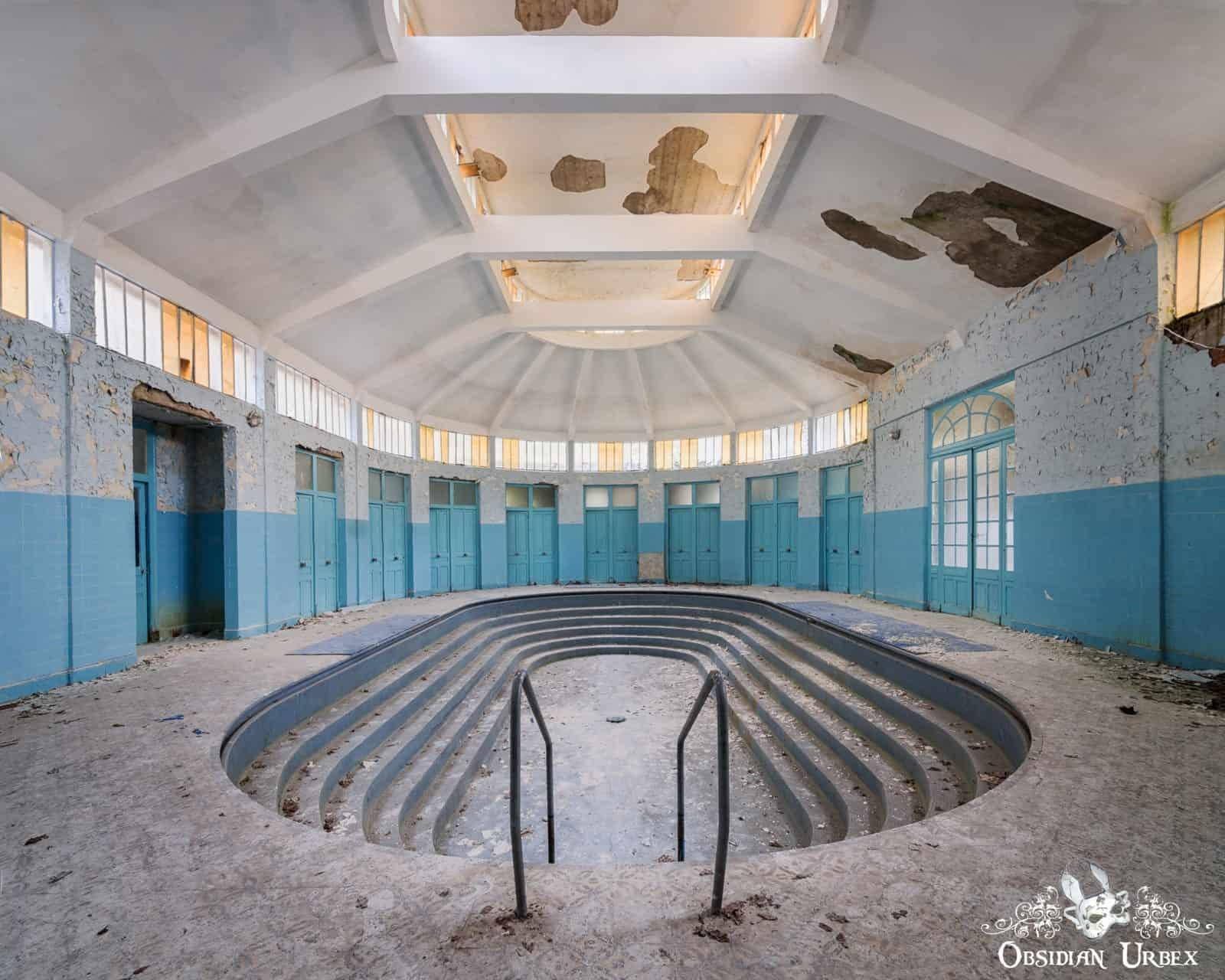
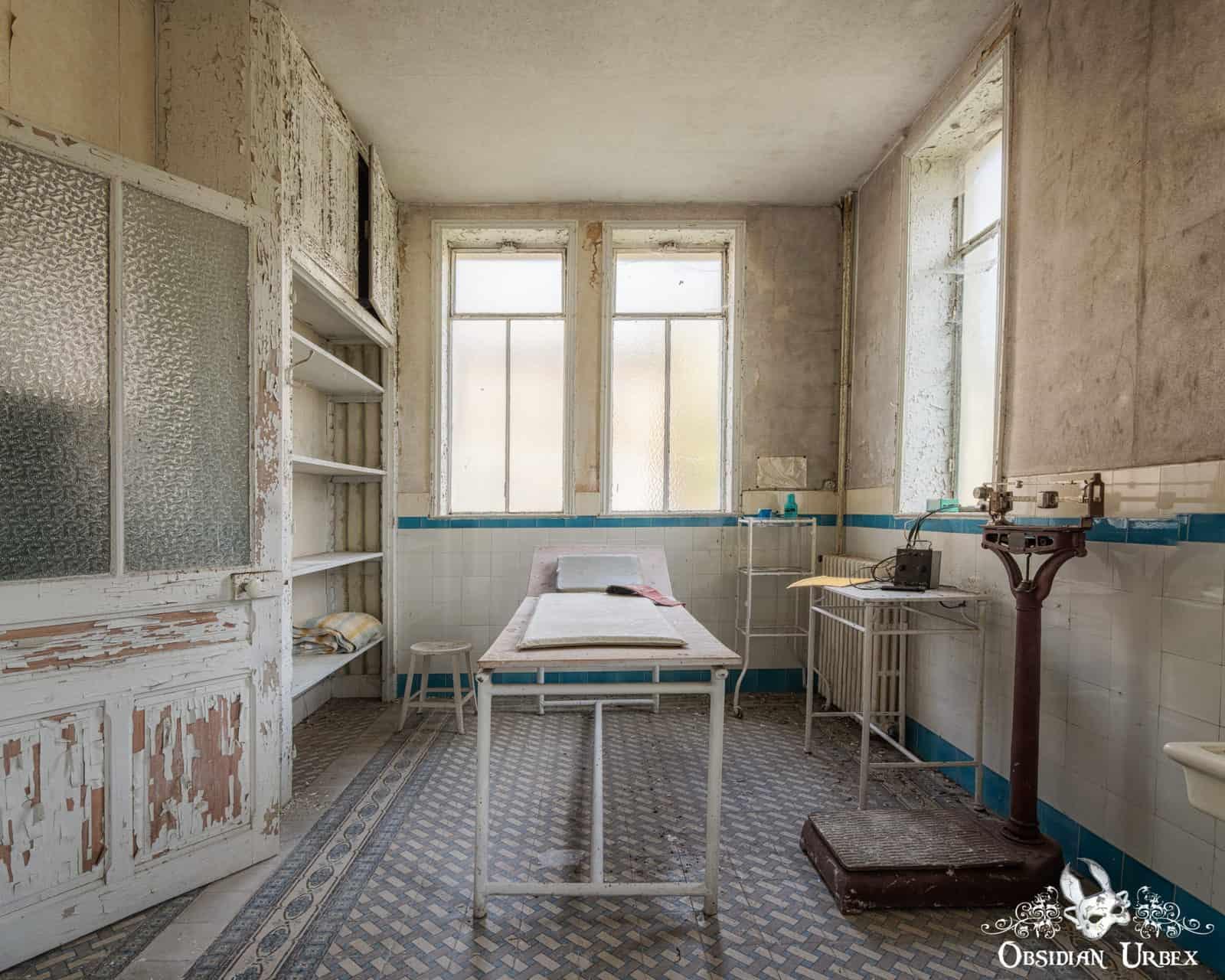
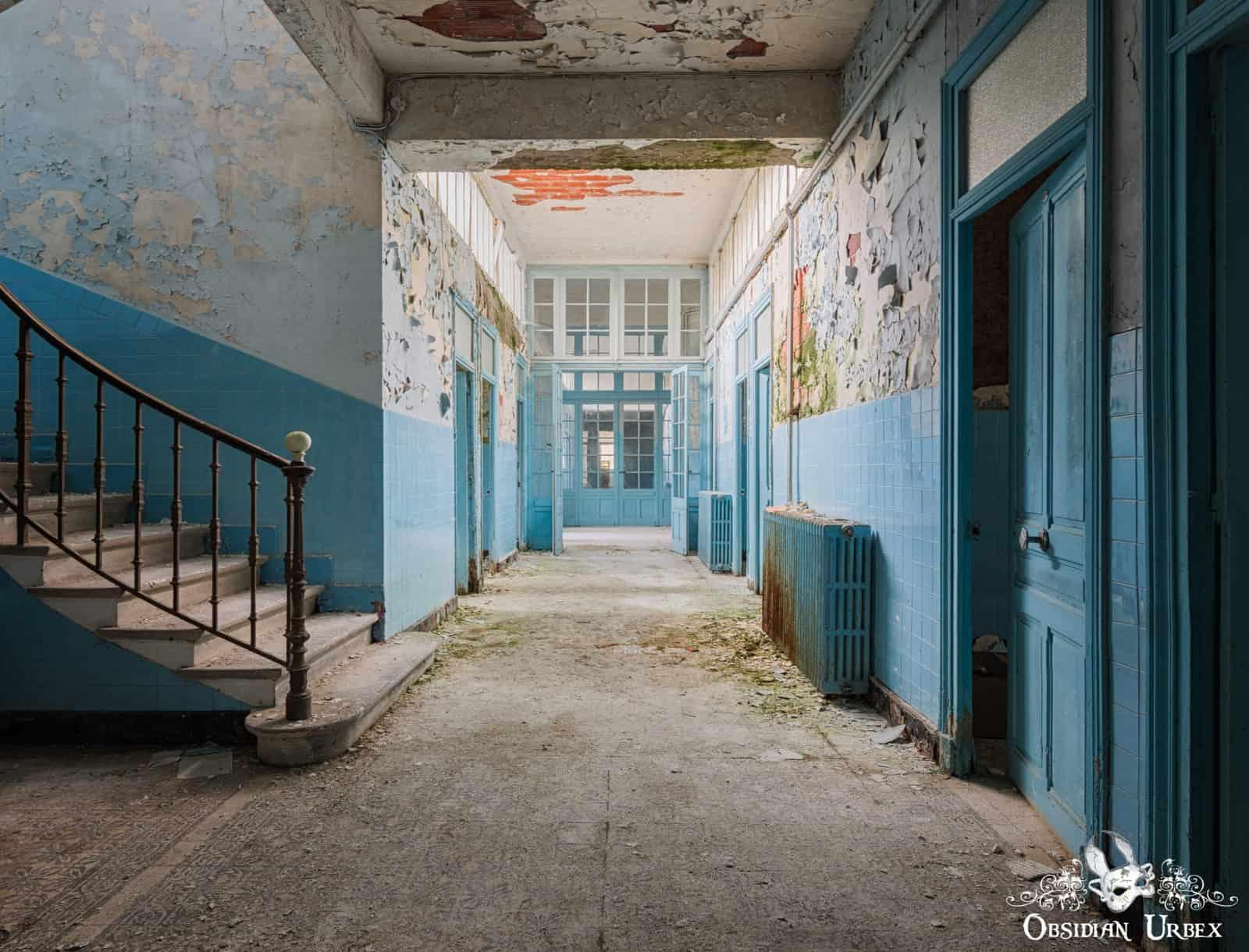
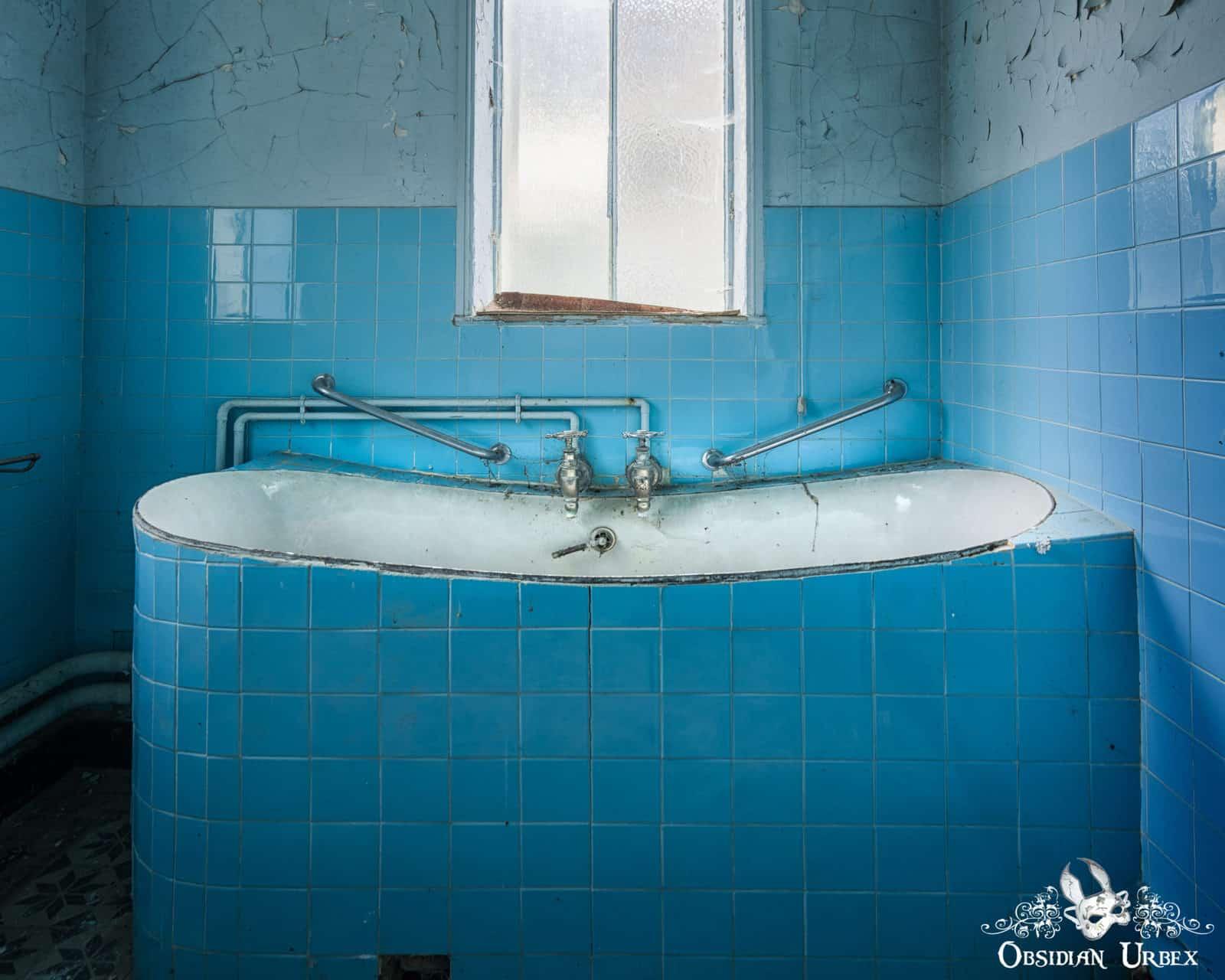
Les Thermes Bleus, France - Obsidian Urbex Photography | Urban Exploration | Abandoned Places
Les Thermes Bleus is a thermal spa complex in France, frozen in time since it was abandoned in the 1980s. It has beautiful natural decay.Obsidian Urbex Photography
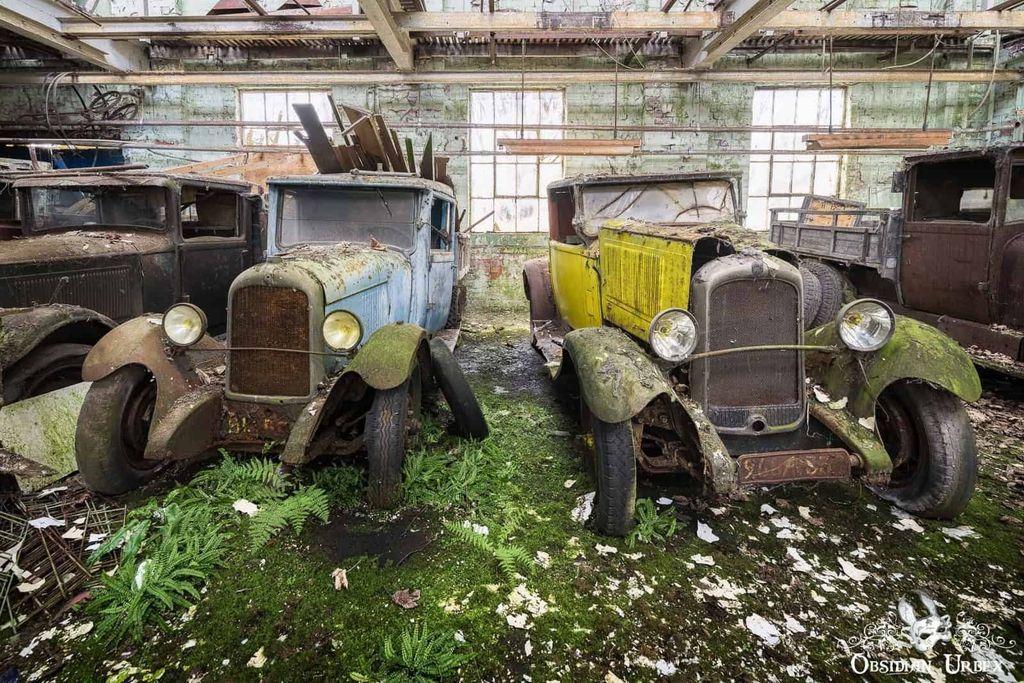
🩵💛In a mossy and fern-covered corner of this old mill are two old-timers. A pair of vintage 1920s/1930s Citroen cars, in cornflower blue and daffodil yellow!
#Citroen #ClassicCar #Photography #Blue #Yellow #ClassicCards #Barnfind #Abandoned
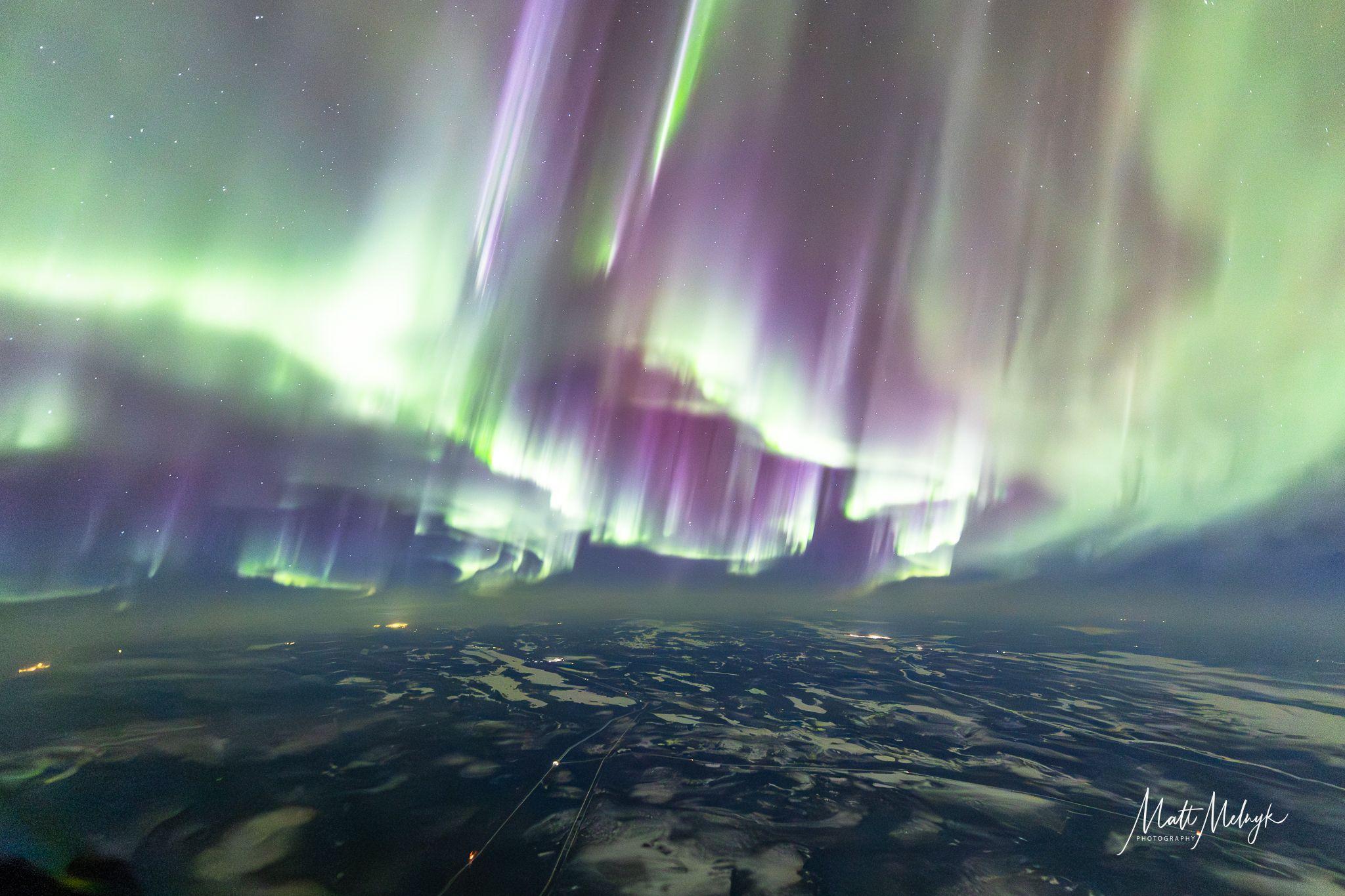

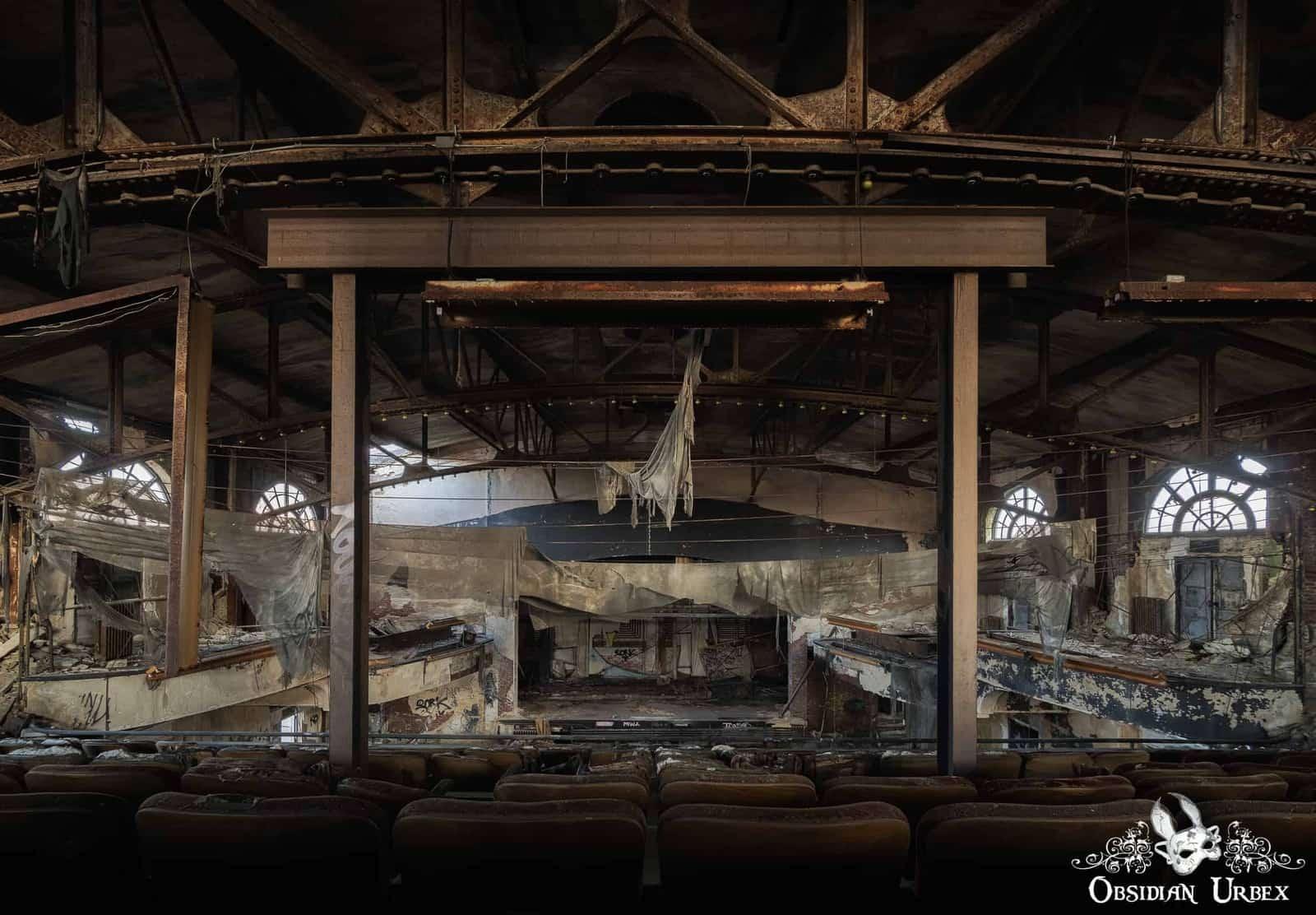
Somewhere in the USA. High above the city, this abandoned penthouse cinema spans the top two floors of a narrow 10-storey building. This #ArtDeco era theatre started life as a vaudeville venue but appears to have fallen out of use when other theatres switched to movies.
In the early 1960s it came back into use, showing foreign and art-house films. Within a decade the cinema would close for good.
#USA #America #Abandoned #LostPlaces #Photography #Cinema #Theatre #Theater #Vaudeville #Showbiz
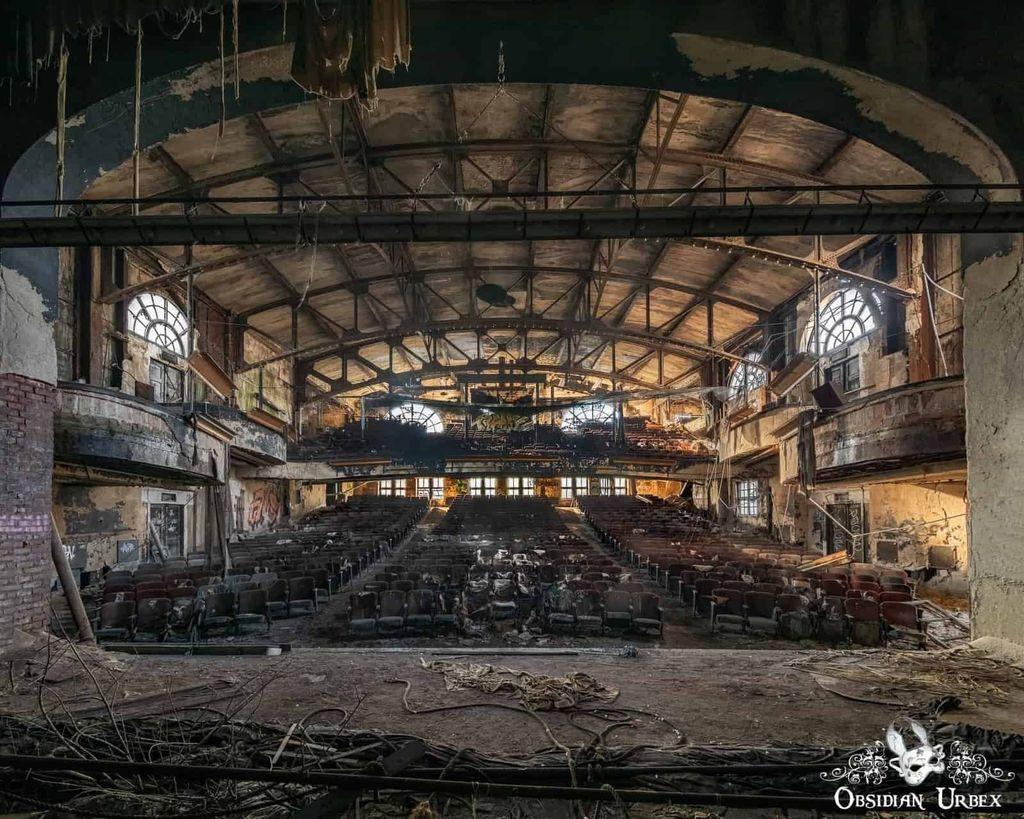
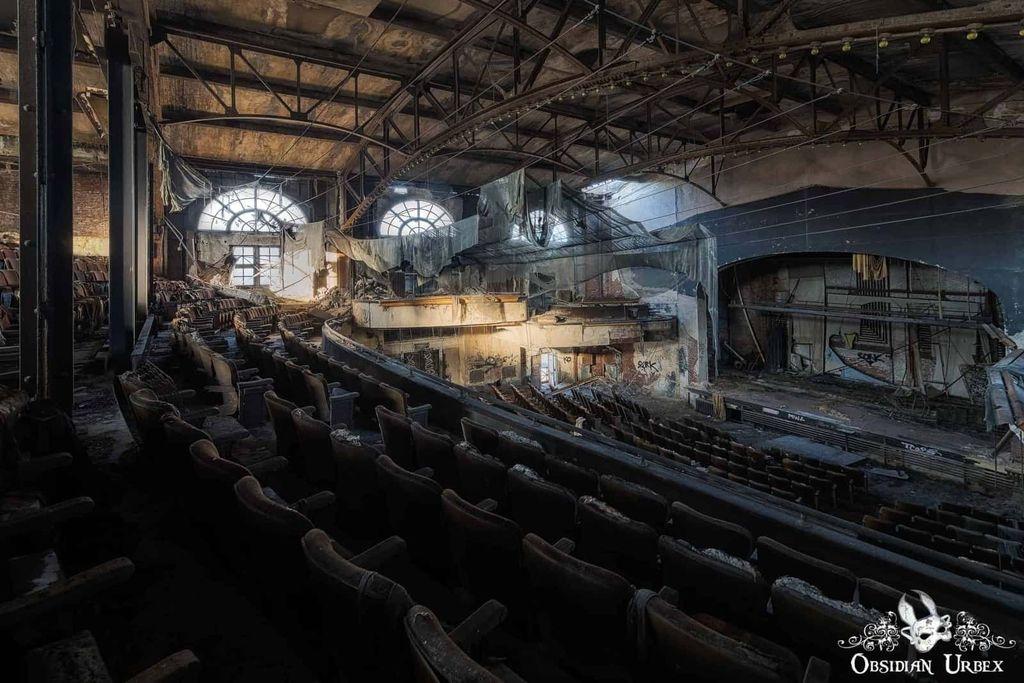
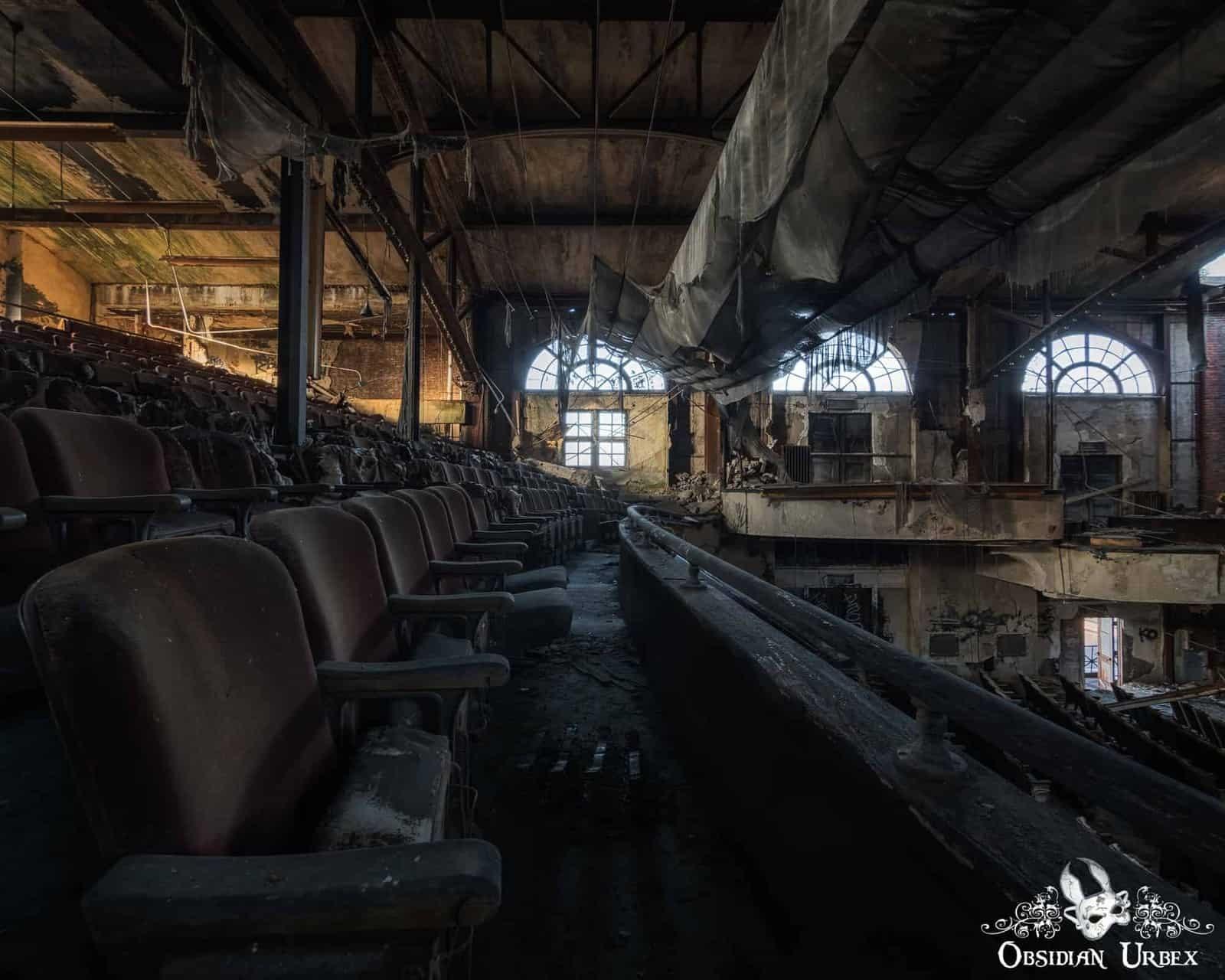
Cavern Of Lost Souls, Wales. A narrow opening in this old slate mine has allowed decades of illegal dumping of cars and household appliances. The water is an ominous turquoise, filled with a toxic cocktail of leached chemicals.
#Wales #Abandoned #Photography #Underground #Cavern #Urbex #UrbanExploration
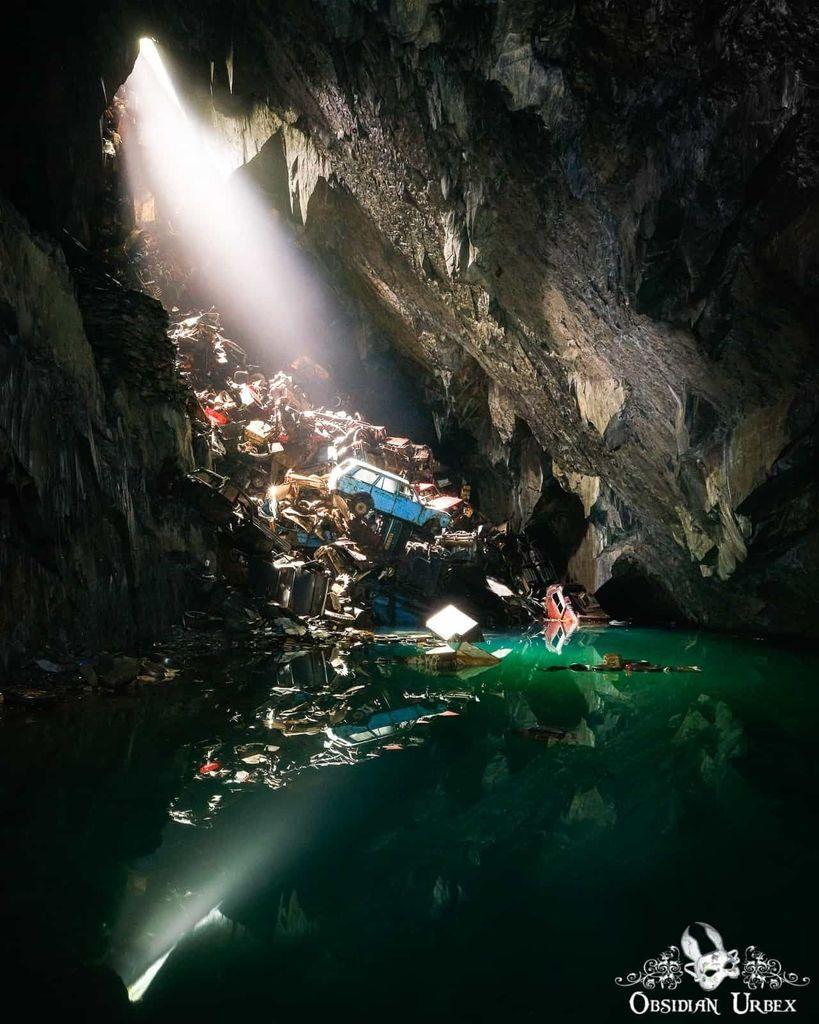
1966 Citroen 2CV, seemingly locked in a decades long battle with a tree! Somewhere in England.
#Photography #Urbex #UrbanExploration #AbandonedPlaces #Photographer
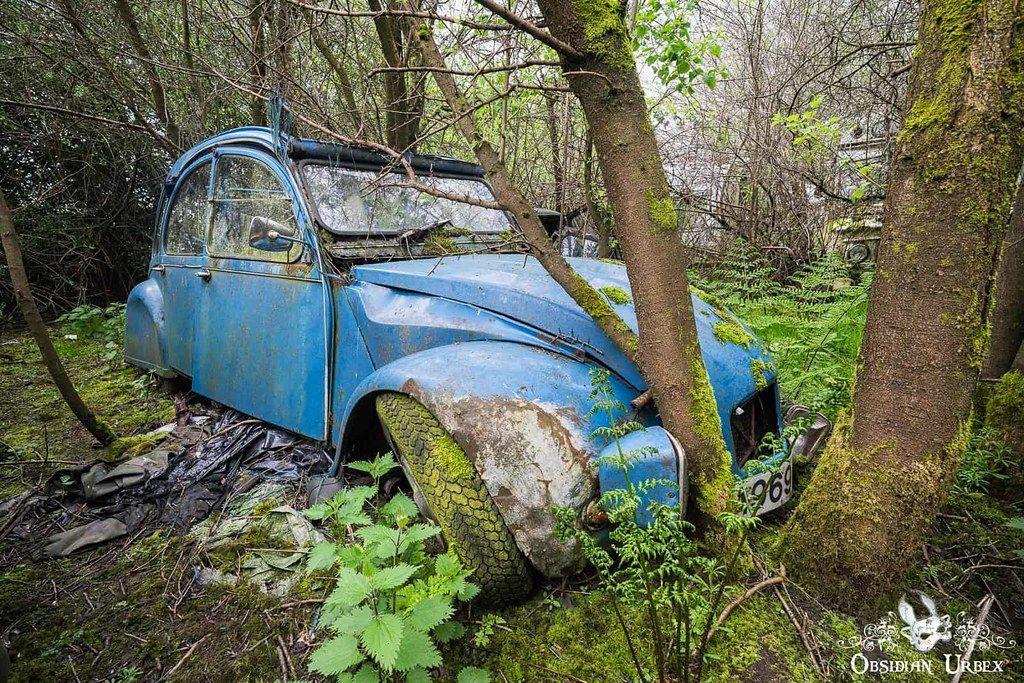
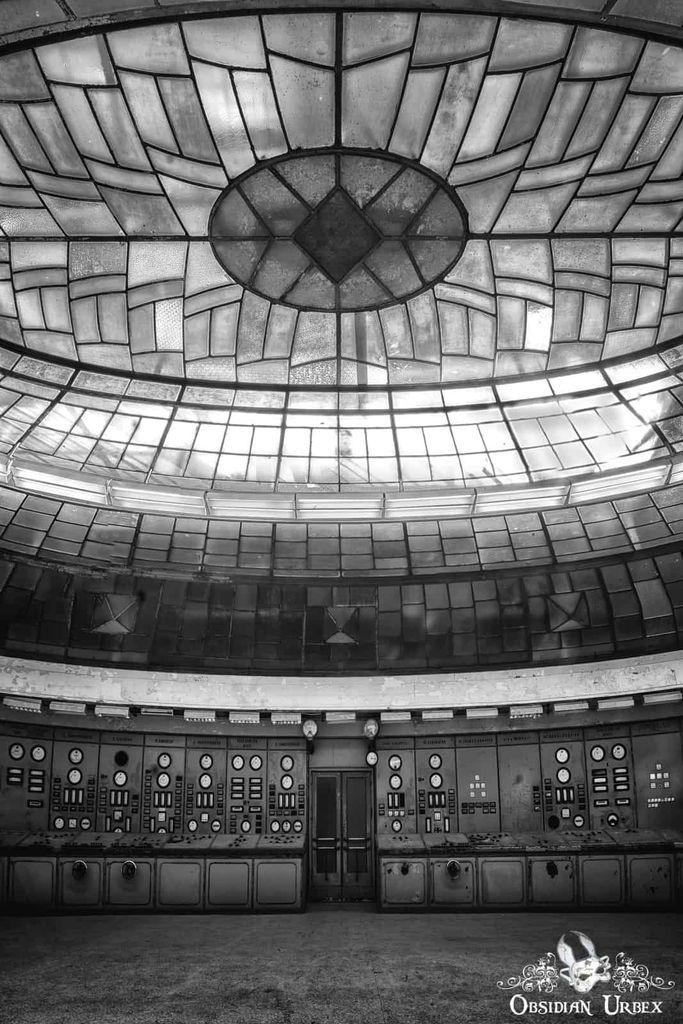
💙📷 The Explore vs The Shot. A look behind the scenes at one of my favourite locations: a striking #ArtDeco power plant control room in Hungary.
While sorting through old files, I came across this behind-the-scenes snapshot buried on my hard drive. I'm crouched down totally engrossed, capturing a multi-shot vertical panorama. The photo emphasises the impressive skylight sitting directly overhead, looking down like a great all-seeing eye!
#Creativity #BehindTheScenes #Photography #Explore
#Photography
https://www.discoverwildlife.com/photography/royal-society-publishing-photography-competition-2025-winners

🖤Beautiful decay! This long-abandoned Italian villa, is aging like a fine wine. Every grain of rust and every piece of dropped plaster is like a scar charting her unique journey and evolution. What will happen next?
#Story #Storytelling #Decay #Italy #Abandoned #Photography #Architecture

The Creature just picked up some new friends at Federation Drive! 🫐🍓
#Plushtodon #LongBeach #LosAngeles #California #Merchtodon #Photo #Photography

de l'influence de la lune sur les barreaux des grilles
Timo Lemmetti
#moon #science #sky #freedom #photography

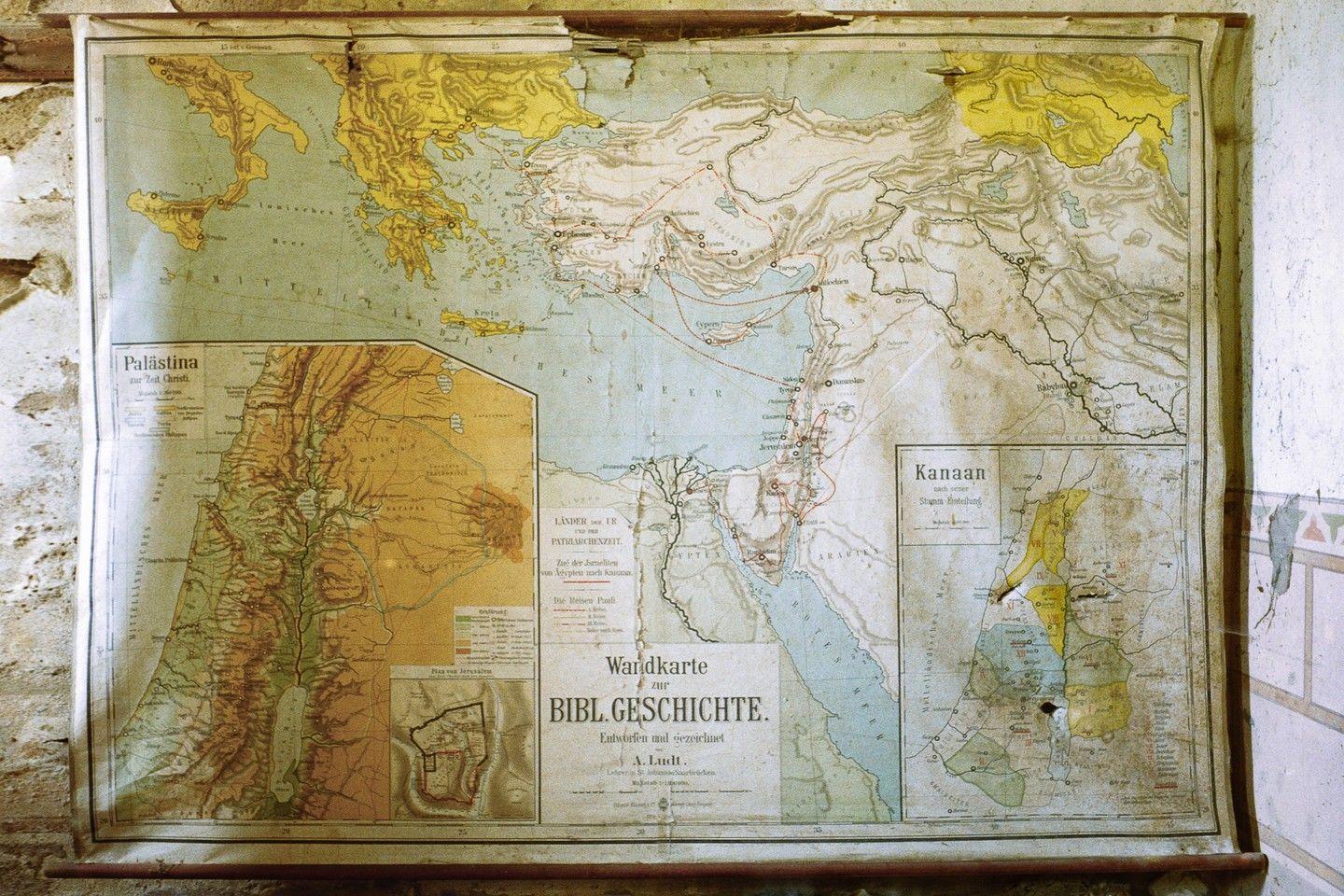
Map in abandoned German church
📷 Zenit-E 🔎 Mir-1b 37mm
🎞️ #kodakcolorplus200 #35mmfilm
Germany; September 2023
#FilmPhotography #Analogue #Photography #Kodak #35mm
A shelf full of books, dusty and forgotten inside an abandoned house. Tattered and well-loved, the adventures between the pages were read and reread by persons now long gone ⌚
#Photography #AbandonedPlaces #Story #Abandoned #Books #Bookshelf #Reading #Story #Urbex


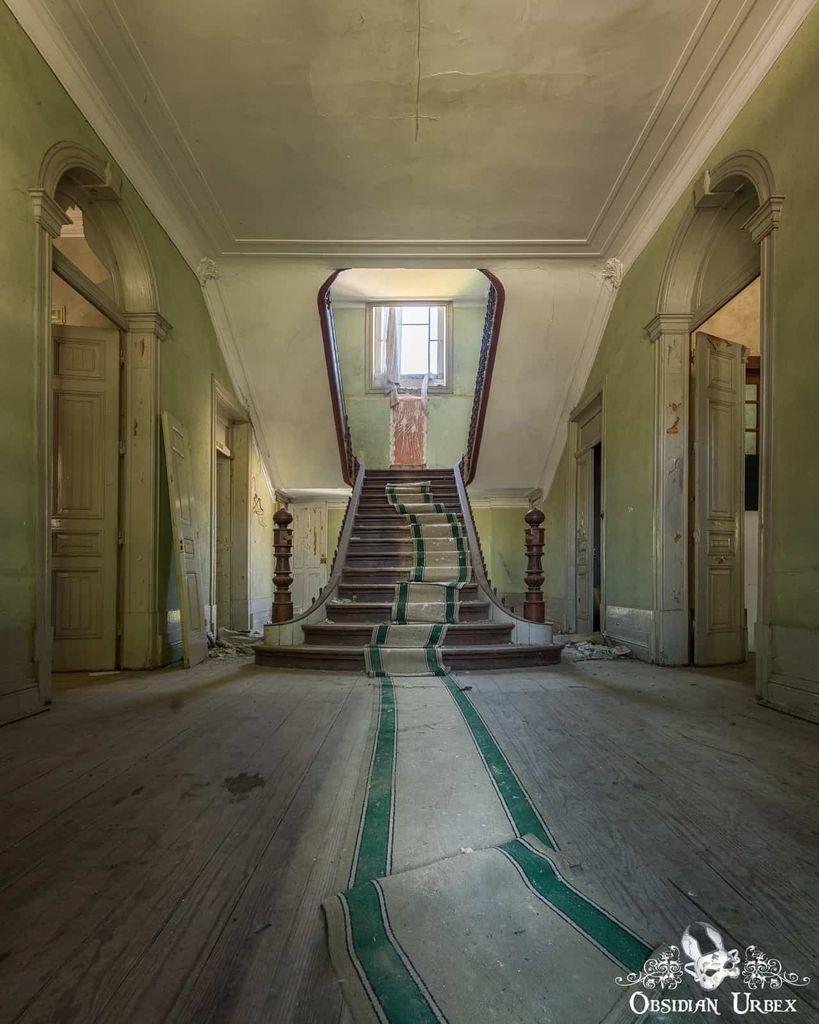
🛒☢️ This supermarket stands frozen in time following the 2011 Fukushima Daiichi nuclear disaster. Located within the exclusion zone, it was evacuated without warning and has remained untouched since.
This lost place was one of seven selected from my portfolio for National Geographic's recent feature on abandoned places across Japan.
https://www.obsidianurbexphotography.com/other/fukushima-supermarket-japan/
#NationalGeographic #Photography #AbandonedPlaces #Japan #Fukushima #ExclusionZone
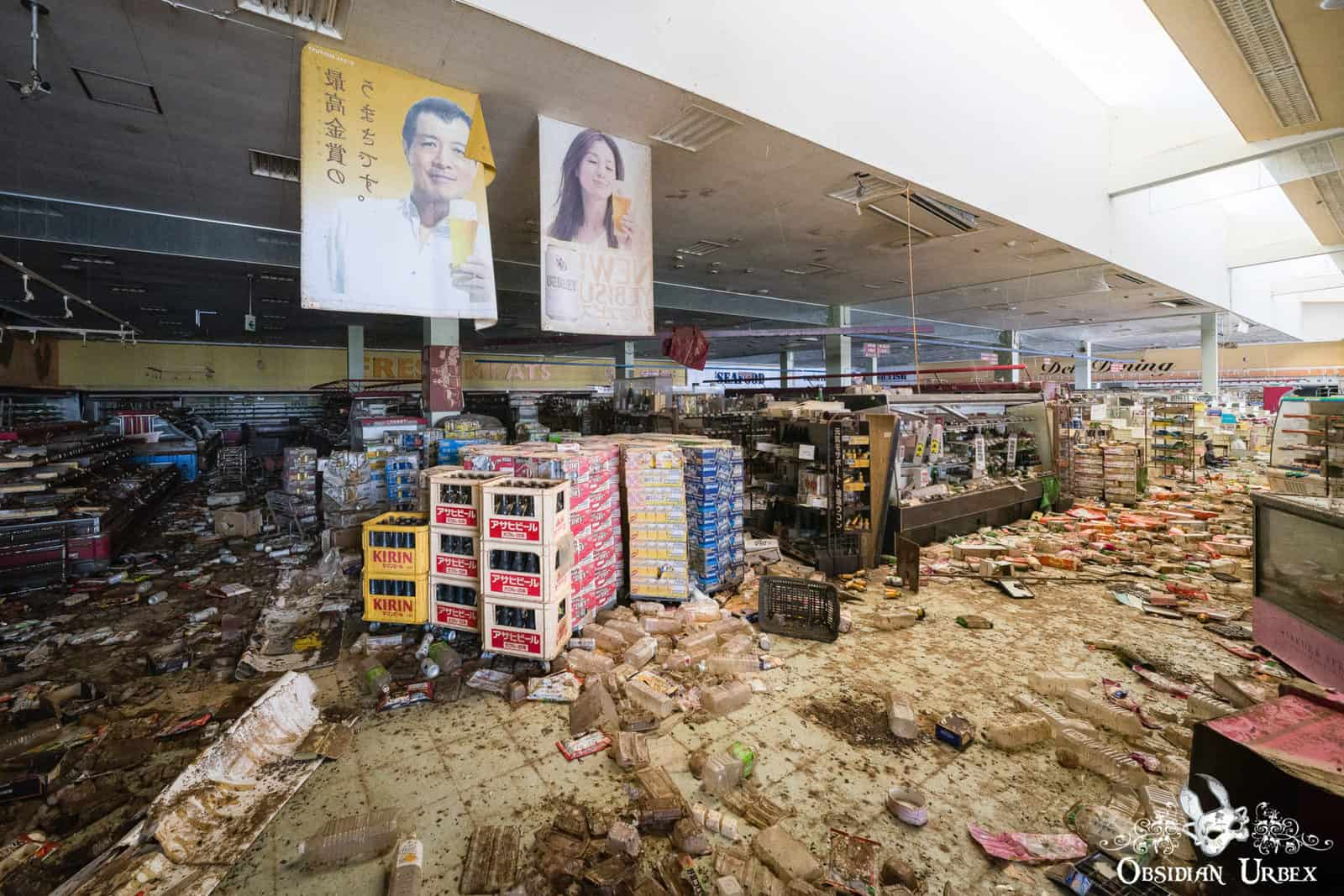


Fukushima Supermarket, Japan - Obsidian Urbex Photography | Urban Exploration | Abandoned
This abandoned Fukushima Supermarket stands frozen in time. It was abandoned during the aftermath of the tsunami that struck on 11th March 2011.Obsidian Urbex Photography

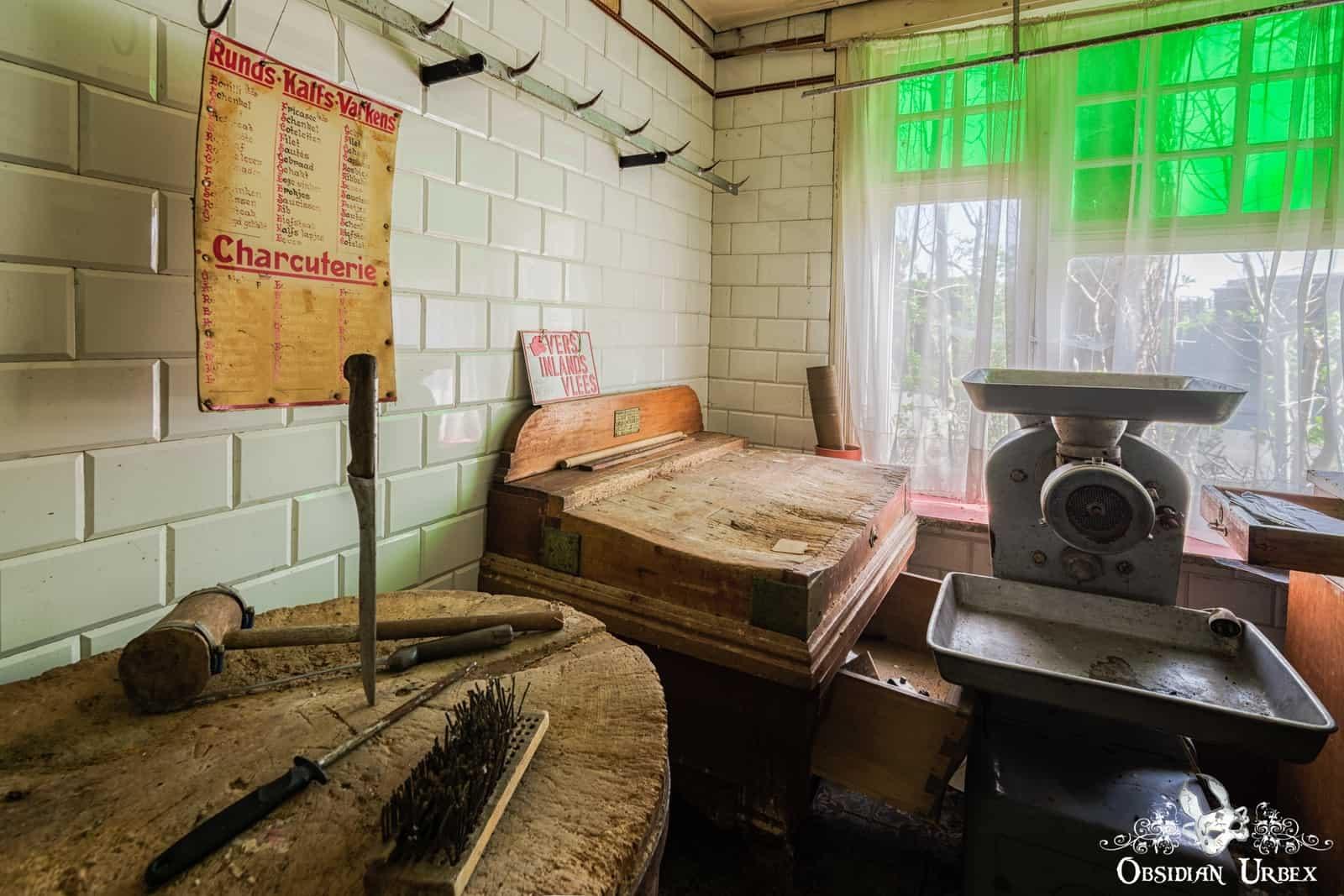
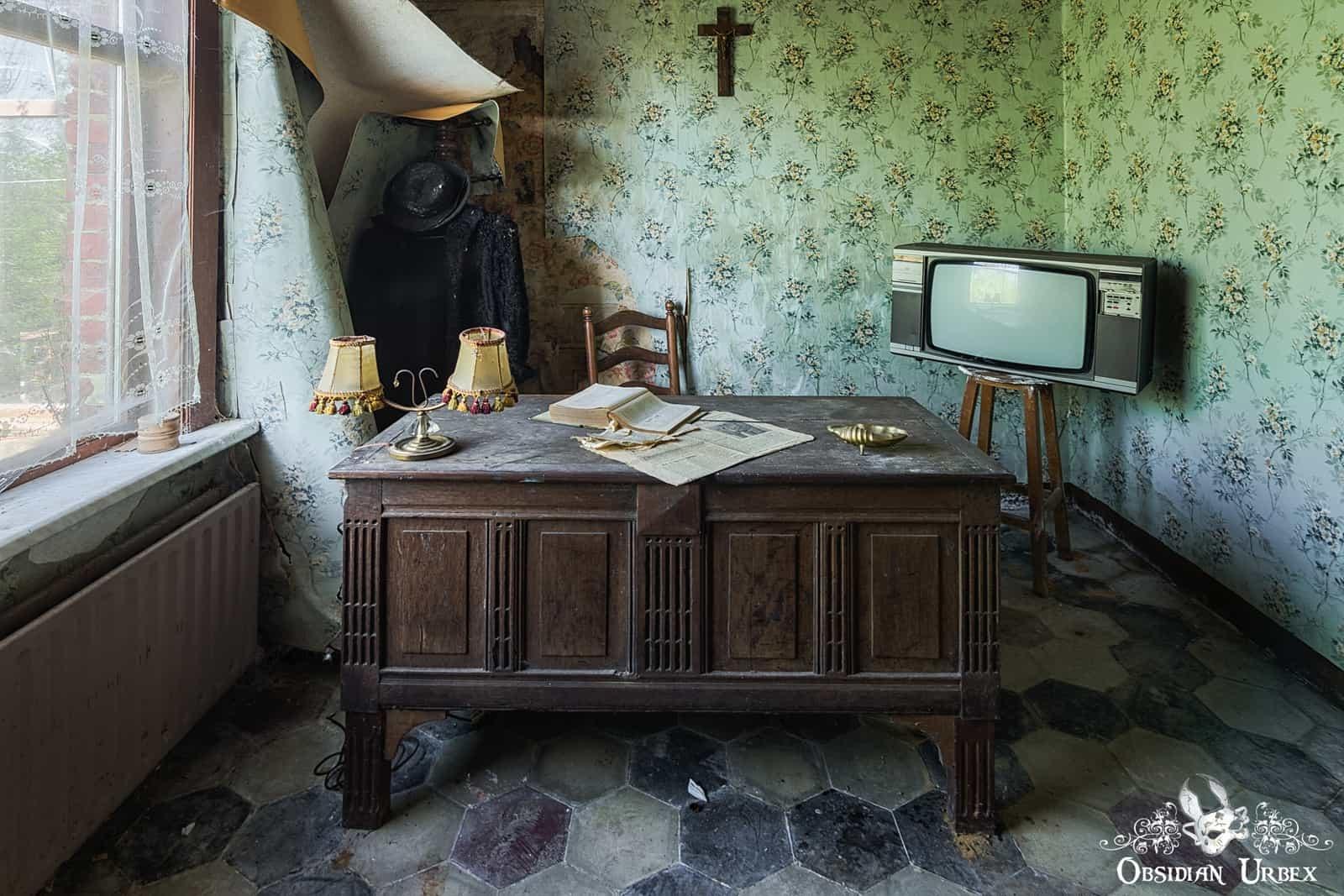
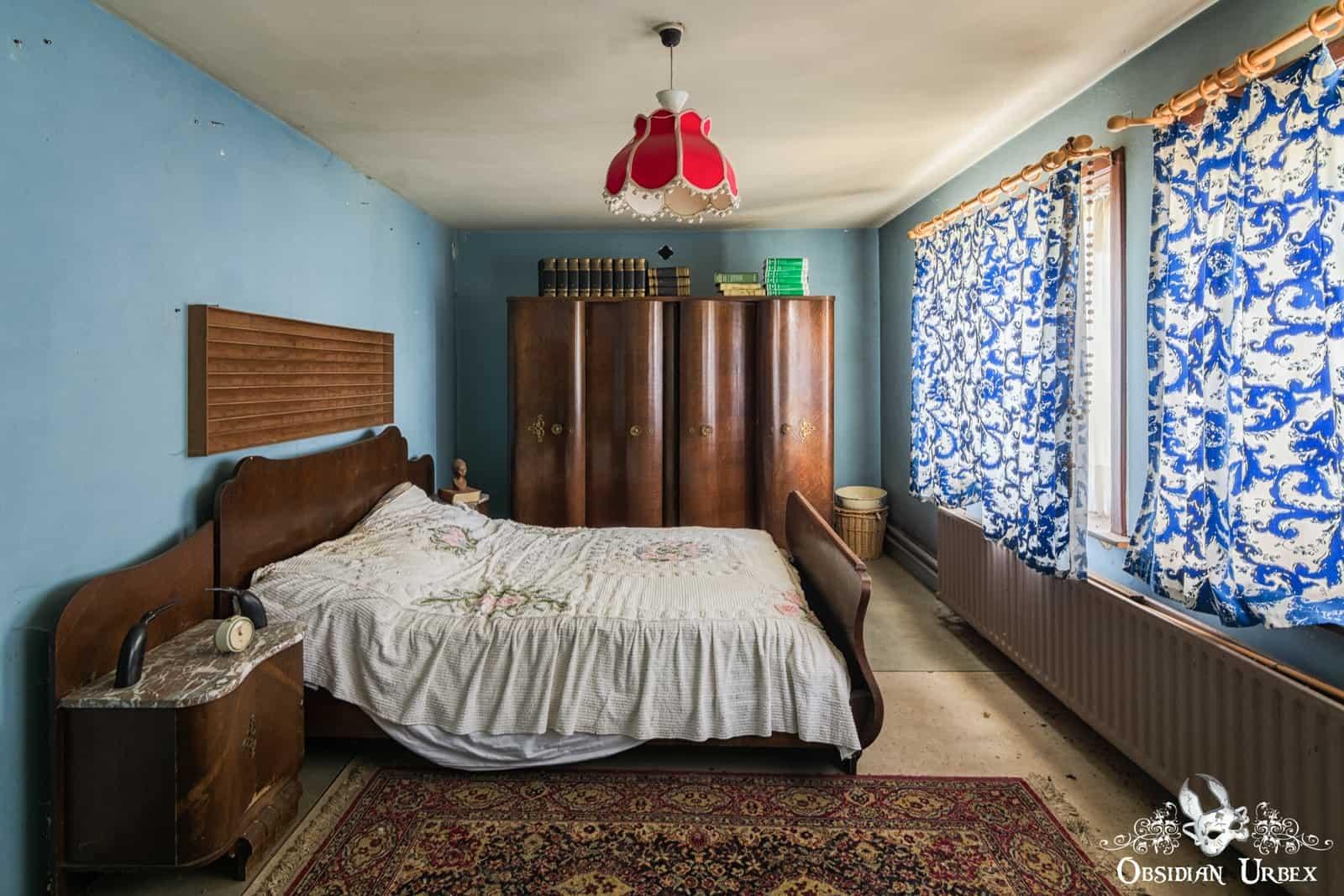
An old fashioned butchers shop, somewhere in Belgium 🇧🇪
This quaint time capsule is a snapshot of a time when small independent establishments dotted the streets of Europe. Attached to the shop is the family living space, with details and insights into the life they once had here.
#AbandonedHouse #Belgium #LostPlaces #Photography #Urbex #UrbanExploration #Abandoned #Rurex #History
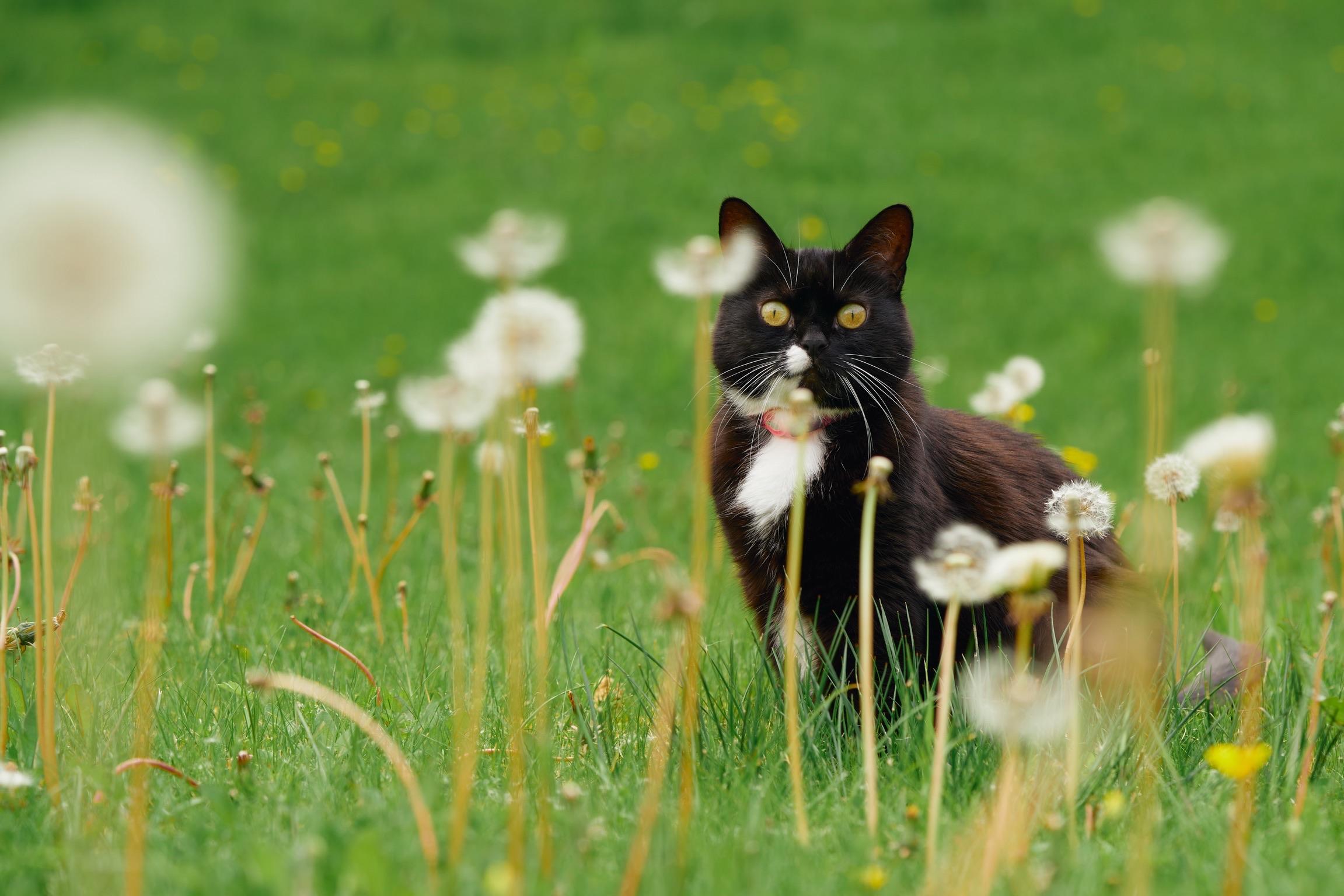
Hi everyone! Due to unforeseen circumstances out of my control I'm looking for creative/photography work & a home for me & my little cat.
If anyone in Yorkshire has or knows of any opportunities or anyone that can help me please get in touch. Without work I can't find a place to live.
This is my cat hopefully she can help boost this post
Thanks
My website:
https://www.robotwig.com
#fedihire #GetFediHired #yorkshire #freelance #graphicdesign #photography #visualart #creative #mutualaid
1/ 20 #history #politics #histodons #blackandwhite
#photography #blackmastodon
Image: Barbara Jordan DNC keynote speech, NYC, July 12, 1976. AP.

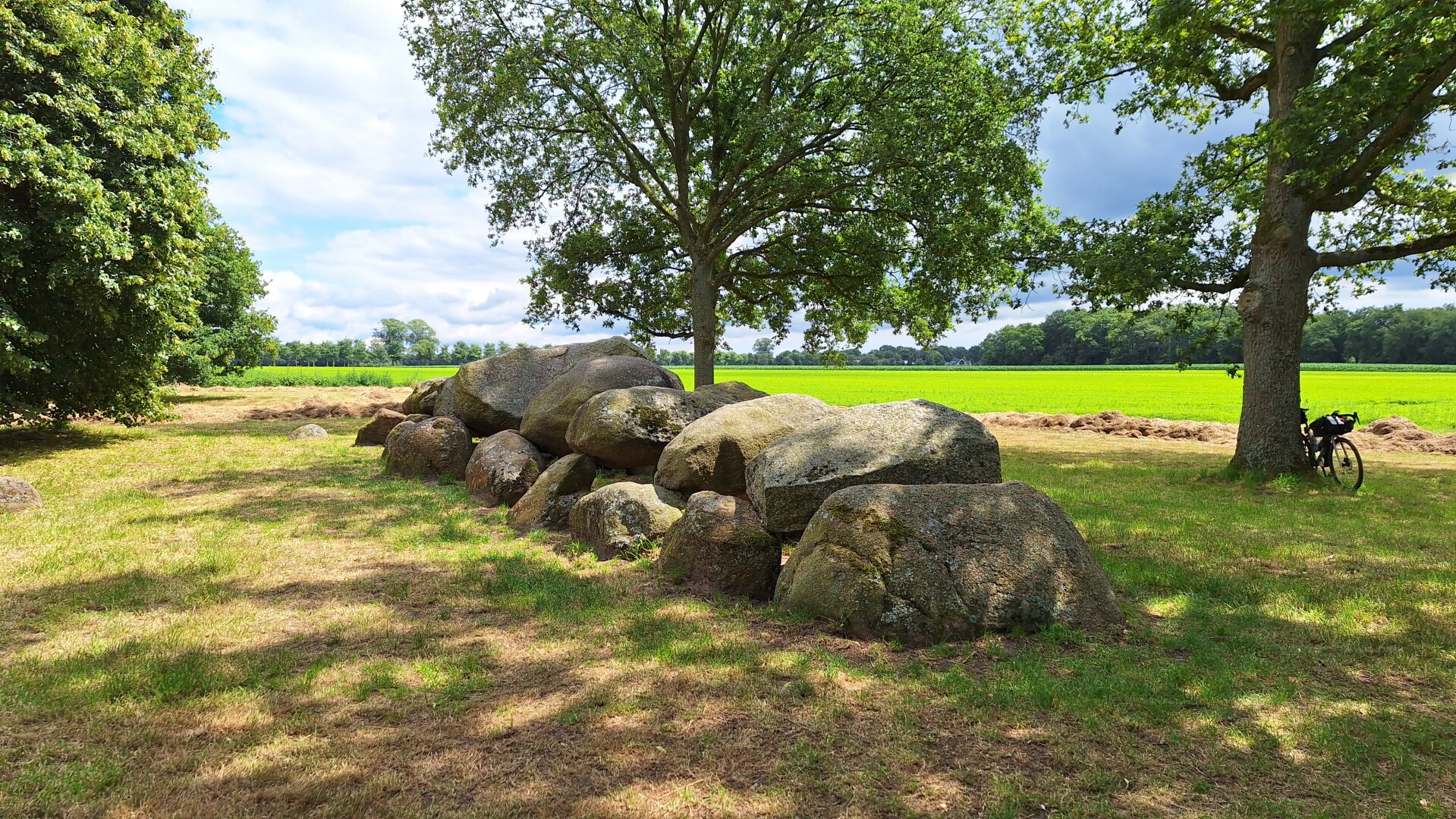
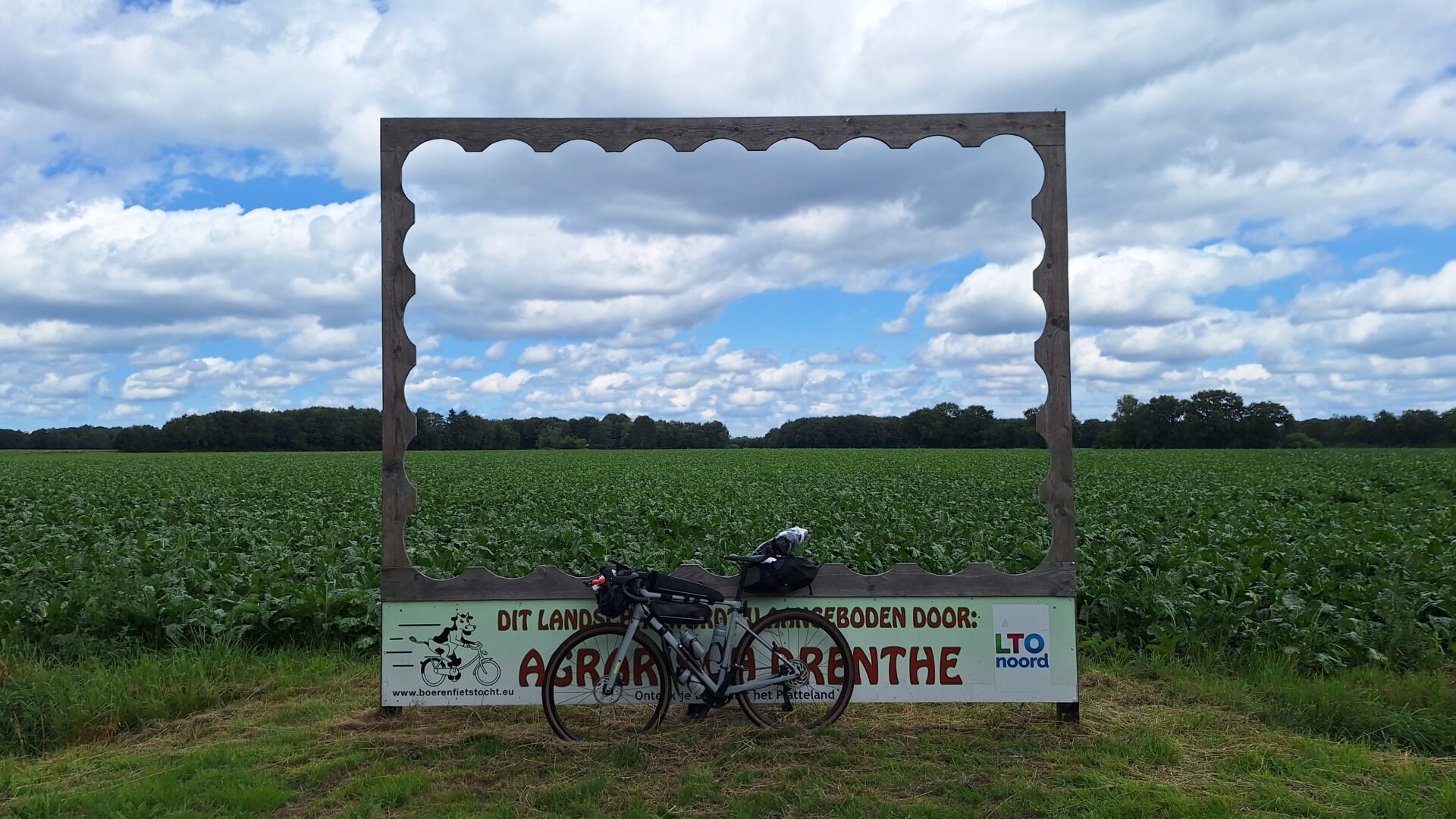
#borger #hunebedden #dolmen #drenthe #netherlands #bikealone2025 #cycling #bikepacking #nature #photography
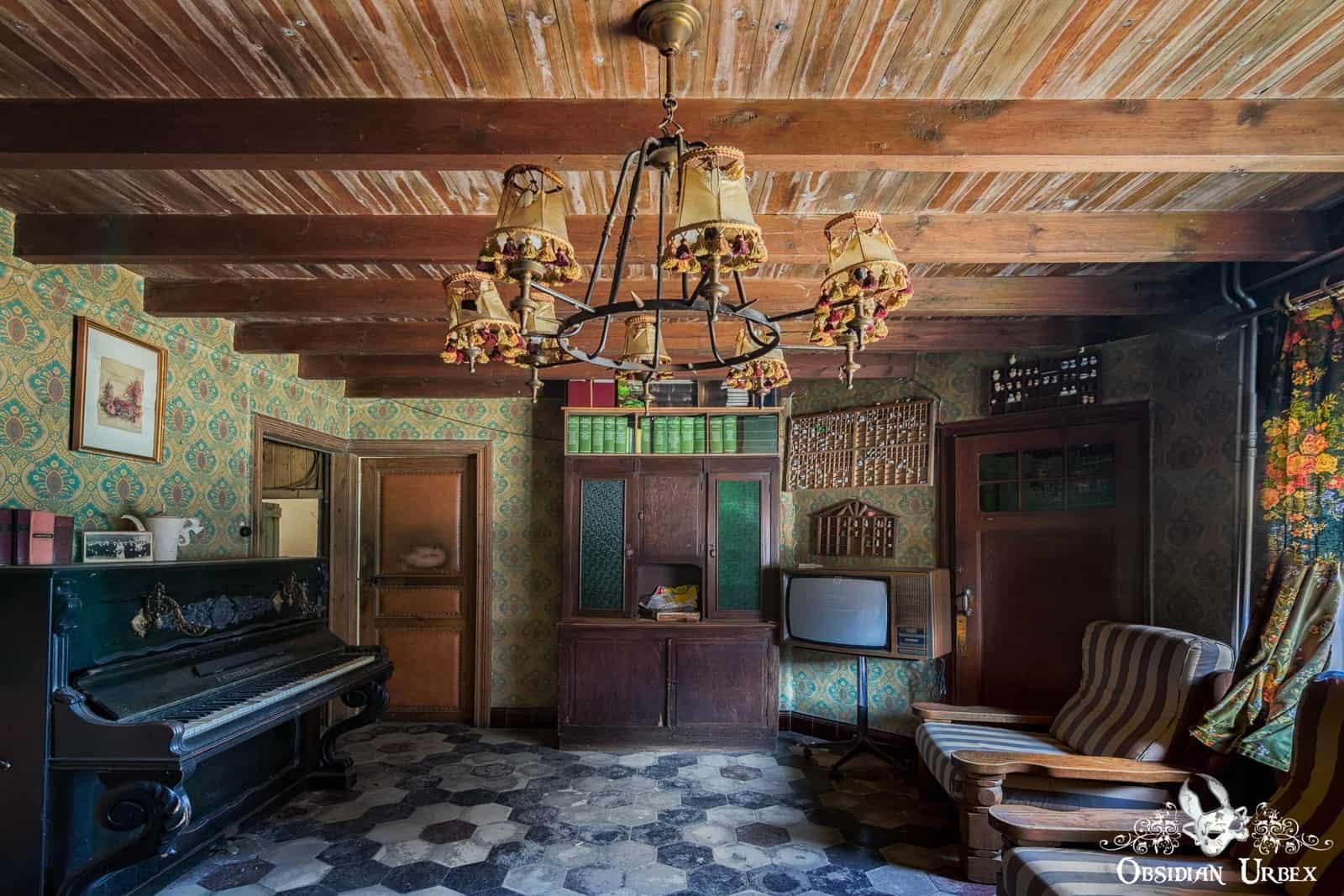
📷 Just for fun, here is a random photo from my collection of beautiful places lost in time. Would you like to hear its story? Did something catch your eye? Ask me a question in the comments!
💙 Follow if you love #Urbex and #AbandonedPlaces photography
#PhotoOfTheDay #Photographer #Photography #Story #Prompt #UrbanExploration #Photo
Star Trails over El Capitan
* Image Credit & Copyright: Michael Bolte (UCSC)
Explanation:
Towering 3,000 feet from base to summit, the famous granite face of El Capitan in Earth's Yosemite National Park just hides the planet's north celestial pole in this skyscape. Of course, the north celestial pole is at the center of all the star trails. Their short arcs reflecting the planet's daily rotation on its axis are traced in a digital stack of 36 sequential exposures. Linear trails of passing airplane navigation lights and a flare from car lights along the road below are also captured in the sequential stack. But the punctuated trail of light seen against the sheer El Capitan itself follows a climbing team on the night of November 8, 2013. The team is ascending toward the summit along The Nose, a historic rock climbing route.
https://apod.nasa.gov/apod/ap140321.html
#space #earth #astrophotography #photography #astroart #art #science #nature

APOD: 2014 March 21 - Star Trails over El Capitan
A different astronomy and space science related image is featured each day, along with a brief explanation.apod.nasa.gov
Rio at Night
* Image Credit & Copyright: Babak Tafreshi (TWAN)
Explanation:
In this night skyscape setting stars trail above the western horizon over Rio de Janeiro, Brazil, a venue for the 2014 World Cup. Gentle arcs from the bright, colorful stars of Orion are near the center of the frame, while the starfield itself straddles planet Earth's celestial equator during the long exposure. Of course, trails from more local lights seem to create the strident paths through the scene. Air traffic smears an intense glow over an airport at the far right, while helicopters fly above the city and boats cruise near the coast. Striping the waterfront are tantalizing reflections of bright lights along Rio's central beaches, Botafogo and Flamengo. Near the horizon, the brightest fixed light is the famous Cristo statue overlooking Rio at night.
https://apod.nasa.gov/apod/ap140620.html
#space #earth #astrophotography #photography #astroart #art #science #nature

APOD: 2014 June 20 - Rio at Night
A different astronomy and space science related image is featured each day, along with a brief explanation.apod.nasa.gov
A Luminous Night
* Image Credit & Copyright: Phil Hart
Explanation:
What shines in the world at night? Just visible to the eye, a rare electric blue glow spread along the shores of Victoria Lake on January 16, 2013. Against reflections of a light near the horizon, this digitally stacked long exposure recorded the bioluminescence of Noctiluca scintillans, plankton stimulated by the lapping waves. Above, the night skies of the Gippsland Lakes region, Victoria, Australia shine with a fainter greenish airglow. Oxygen atoms in the upper atmosphere, initially excited by ultraviolet sunlight, produce the more widely seen fading atmospheric chemiluminescence. Washed out by the Earth's rotation, the faint band of the southern summer Milky Way stretches from the horizon as star trails circle the South Celestial Pole.
https://apod.nasa.gov/apod/ap140809.html
#space #earth #astrophotography #photography #astroart #art #science #education

APOD: 2014 August 9 - A Luminous Night
A different astronomy and space science related image is featured each day, along with a brief explanation.apod.nasa.gov