Content warning: Banksy, the enigmatic street artist whose identity remains a mystery, has become a global symbol of rebellion and a voice for the voiceless. His provocative artworks transcend mere aesthetic appeal; they are powerful political statements that challenge au
Banksy, the enigmatic street artist whose identity remains a mystery, has become a global symbol of rebellion and a voice for the voiceless.
His provocative artworks transcend mere aesthetic appeal; they are powerful political statements that challenge authority, question societal norms, and ignite conversations worldwide.
In this exploration of Banksy’s most impactful pieces, we delve into how his art serves as a catalyst for change, shedding light on pressing issues like war, capitalism, and social justice.
One of Banksy’s most iconic images, “Balloon Girl”, features a young girl reaching out toward a heart-shaped balloon drifting away. This poignant piece symbolizes lost innocence and the elusive nature of happiness and love. It subtly comments on the loss experienced by children in conflict zones and the fleeting moments of joy in a turbulent world.
The simplicity of the image makes its message universally relatable, touching hearts and prompting reflections on what we value and how easily it can slip away.
“Love is in the Air”: Flowers Over Violence
In “Love is in the Air”, Banksy portrays a masked protester poised to throw not a Molotov cocktail, but a bouquet of flowers. This powerful juxtaposition transforms an act of aggression into one of peace and hope.
The West Bank Wall: Art Amidst Conflict
Banksy’s series of paintings on the West Bank Wall are some of his most politically charged works. By incorporating images of children playing, windows opening to idyllic landscapes, and other symbols of freedom and normalcy, he starkly contrasts the harsh reality of life in a conflict zone.
These pieces bring international attention to the Israeli-Palestinian conflict, humanizing those affected and criticizing the barriers—both physical and ideological—that divide us.
In “Devolved Parliament”, Banksy replaces British MPs with chimpanzees in the House of Commons. This satirical artwork critiques the state of political discourse, suggesting that those in power are behaving irrationally or regressing.
Banksy’s choice to remain anonymous keeps the focus squarely on his art and its messages. Without a known persona to scrutinize, the public engages directly with the issues he highlights. His anonymity becomes a powerful tool, emphasizing that the causes he champions are bigger than any one individual.
Art as a Tool for Social Change
Banksy’s work demonstrates the profound impact that art can have on society. By placing his pieces in public spaces, he bypasses traditional gatekeepers of the art world, making his messages accessible to all.
Key Takeaways:
Challenging Authority: Banksy’s art often questions those in power, urging transparency and accountability.
Social Justice: He shines a light on inequality, urging viewers to recognize and address systemic issues.
War and Peace: His works frequently comment on the futility of war and the universal desire for peace.
Banksy Reveals His Name In A Rare BBC Interview (17 Photos)
An Insight Into the World of Street Art: Banksy’s artworks continue to attract attention worldwide, particularly following recent revelations about his identity. In this extraordinary BBC interview, Banksy shares rare insights about his art and personal life. Could this finally reveal the mystery of his identity?
The interview delves into Banksy’s “Turf War” exhibition, a hallmark of his anti-establishment themes. This 2003 London show was a spectacle of defiance, showcasing graffitied police vehicles and live animals adorned with distinctive police patterns, not to mention the famous Winston Churchill portrait with a twist.
The Name Revelation
In a candid moment, the interviewer, Nigel Wrench, inquires about using Banksy’s real name. The response? “Robbie.” While this opens up possibilities (could he be Robert Del Naja of Massive Attack, or perhaps Robin Gunningham?), it’s a rare peek behind the curtain of the elusive artist.
Banksy on Graffiti and Art
Banksy’s views on graffiti are clear: it’s vandalism if it’s illegal, but that’s part of its charm. He sees the city as a playground for expression, where painting and repainting are part of an ongoing dialogue. His approach to art? Quick and impactful, much like the fleeting nature of street art itself.
Banksy’s Take on the Art Establishment
Banksy remains detached from the traditional art world, expressing disinterest in the ‘Brit Art’ movement and a pointed avoidance of selling to figures like Charles Saatchi. His focus is on art that resonates with the public, rather than seeking approval from the elite.
Banksy’s Art in the Market
Despite his disconnection from the art market, Banksy’s canvases are highly sought after, fetching high prices. His reaction? A mix of surprise and indifference, hinting at a disconnection between the artist’s intentions and the commercial value of his work.
Content warning: Why should we not litter in the ocean? Not littering in the ocean is essential because it helps protect marine life from harm, keeps our waters clean, and ensures that beaches and aquatic environments remain beautiful and safe for all forms of life, inclu
Why should we not litter in the ocean?
Not littering in the ocean is essential because it helps protect marine life from harm, keeps our waters clean, and ensures that beaches and aquatic environments remain beautiful and safe for all forms of life, including humans. Litter, especially plastic, can be devastating as it can cause injury or death to sea creatures, pollute habitats, and enter our food chain. So the message “Don’t Litter” is vital for the health of our planet’s blue heart—the ocean.
When street art meets nature, the results are stunning. Some artists blend their murals seamlessly with the landscape, while others use real plants to bring their work to life.
In Ecuador, El Decertor painted a mural that merges with the natural surroundings. In Martinique, Nuxuno Xän turned a tree trunk into part of a painted figure. In New York, OGMillie created a floral mural that brightens the urban space. In Brazil, Fábio Gomes Trindade’s portraits use real bougainvillea as hair, while in Poland, Natalia Rak painted a girl appearing to water a living tree.
These works show how street art and nature can come together in unexpected and beautiful ways.
Raising Awareness: Street Art as a Conservation Tool
Nature-inspired street art can be a powerful means of drawing attention to endangered species and emphasizing the importance of preserving natural habitats. By using their talents, street artists can become advocates for environmental conservation and ignite conversations about our shared responsibility to protect the planet.
Inspiring Sustainability: Environmental Messages in Street Art
Street art that incorporates natural elements can also raise public awareness about environmental issues and promote sustainable living. These awe-inspiring creations can encourage people to reflect on their impact on the environment and take action to reduce their carbon footprint, recycle, and preserve nature.
4
In Nicaragua
Creating a Sense of Place: Street Art Trails and Tourism
Street art can be used to design nature trails, where visitors can explore the environment while admiring artistic masterpieces. These trails promote tourism, allowing visitors to learn about the local ecosystem, culture, and history while appreciating the art. The fusion of street art and nature can foster a deep connection with the location and enhance the overall experience.
Content warning: Banksy's iconic 'I Don’t Believe in Global Warming' artwork in Camden, London, delivers a bold climate message as its red graffiti text submerges under water, symbolizing rising sea levels and the urgent need for action.
“I Don’t Believe in Global Warming” first appeared on Regent’s Canal in London in 2009.
This visual metaphor is both striking and powerful, suggesting that denying climate change does nothing to halt its effects, which are visibly rising around us.
The timing of this piece was no coincidence. It emerged shortly after the Copenhagen UN Climate Summit, a meeting that many deemed unsuccessful in producing concrete solutions to global warming. By placing his message in such a context, Banksy underscored the world’s inadequate response to climate change.
Fast forward to 2024, and Banksy’s message is as relevant as ever.
The artwork has become a symbol frequently referenced during climate action events and discussions. During London Climate Action Week 2023, the piece was prominently highlighted to emphasize the ongoing struggle against climate change denial and the urgent need for collective action.
In 2024, the impacts of climate change are more visible and frequent. From severe weather events to rising sea levels, the urgency to act against global warming has never been more pronounced.
Banksy’s artwork embodies the sentiment of disbelief and denial that unfortunately still circulates in some parts of society. Yet, it also inspires hope, pushing the narrative that awareness and action can and must rise above the tide of denial.
Climate Change Addressed Through Street Art (16 Powerful Images)
Climate change is one of the most pressing issues facing our planet, and artists are using graffiti and street art as a powerful means to address this global crisis.
In today’s blog post, we’ll explore 16 awe-inspiring images that not only capture the urgency of climate change but also inspire us to take action in our daily lives.
1. Melting Ice: A Visual Reminder of Our Fragile Ecosystem
One powerful image that often appears in climate change-themed street art is the depiction of melting ice caps and glaciers. These striking visuals serve as a stark reminder of the rapid and devastating impact of global warming on our planet’s delicate ecosystems.
The ice sculptures, handcrafted by Brazilian artist Nele Azevedo, were set up in a public area by WWF Germany to show the direct effect of climate change in the Arctic on the whole planet and the future of humanity and nature: By OakoakClimate Change: Tiny ice figurines draw attention to big problem
2. Endangered Species: The Fight to Preserve Biodiversity
Many artists use their talent to draw attention to the plight of endangered species, highlighting the importance of conservation efforts to protect Earth’s biodiversity. These emotive images remind us of the consequences of inaction and encourage us to support wildlife preservation. By Louis Masai at Shoreditch Station in London, UK“The Wrong Amazon Is Burning” on the Amazon Tower in Berlin
3. Deforestation: The Disappearing Lungs of Our Planet
Street art that tackles deforestation brings attention to the alarming rate at which we are losing Earth’s precious forests – our planet’s lungs. These powerful images drive home the importance of preserving our natural resources and the urgent need for reforestation efforts. By Dr Love at Upfest – In Bristol, EnglandMartín Ron: The causes? Many: Extreme climate change, drought, deforestation, reduction of wetlands and a lot of disinterest in asking ourselves questions. The consequences? Too many. This mural is part of a new series of murals in which I am working where the protagonist is the reflection. And how opportune to get involved to invite you to reflect on what happens when a river runs out of water.
4. Extreme Weather: The New Normal
As climate change worsens, extreme weather events have become increasingly common. Artists often depict these events in their work to illustrate the direct consequences of our changing climate and the urgency to act now. Support – By Italian sculptor Lorenzo Quinn in Venice, Italy.
5. Rising Sea Levels: The Threat of Disappearing Coastlines
Rising sea levels pose a significant threat to coastal communities worldwide. Street art depicting submerged cities and landscapes can evoke a strong emotional response, emphasizing the need for immediate climate action to protect our planet’s future. By Banksy: I don’t believe in global warming
6. Pollution: The Toxic Reality of Our Modern World
Many artists choose to showcase renewable energy solutions in their work, promoting a cleaner, greener future. By depicting solar panels and wind turbines, these images encourage us to support and invest in alternative energy sources. Clean Energy – By TABBY
8. Sustainability: A Lifestyle Shift
Street art can inspire us to adopt more sustainable lifestyles by highlighting the benefits of eco-friendly practices, such as recycling, composting, and reducing waste. These images can motivate us to make simple, everyday changes to lessen our impact on the environment. By Leon Keer: Nice 3D effect and interesting motifs on the cups if you look closer. Green – oil rigs and a polluted beach. Pink – a stranded broken abandoned boat. Brown – a dead moose. Blue – a far from equal meeting between settlers and Indians.
9. Climate Activism: The Power of Collective Action
Many artists use their work to celebrate and support climate activism, featuring images of protesters and powerful messages calling for change. These visuals remind us that our collective voices can make a difference in the fight against climate change. Politicians Discussing Climate Change by Isaac Cordal
10. Hope: A Brighter Future Awaits
Lastly, climate change-themed street art often conveys a message of hope, depicting a brighter, greener future if we take action now. These uplifting images serve as a reminder that it’s not too late to make a positive impact on our planet’s health. Interview with Swedish street artist Herr Nilsson (+18 artworks)
These 16 powerful images of graffiti and street art addressing climate change remind us of the urgency to act and inspire us to make a difference in our daily lives.
Whether it’s supporting renewable energy, reducing waste, or advocating for policy changes, each one of us has the power to contribute to the fight against climate change. Let these compelling visuals serve as a call to action, motivating us to protect our planet for generations to come.
I wake up in the morning and I am a terrorist. I wash the dishes, I read the news. My hands are a terrorist’s hands. My ears, a terrorist’s ears. The underside of the right one a bumpy ridgeline from where, as a child, my father cut me trying to give me an unwanted haircut. I jog through the downtown of the city and the sounds of my feet slapping the concrete are the sounds of a terrorist’s feet. I go to my favorite coffee shop where all the baristas are terrorists. There, I see my friend from the terrorist knitting group. He makes the most beautiful sweaters, always decorated with flowers. All the people I love most in my life are terrorists! At the terrorist bar, where all the drinks are named in honor of famous terrorists, we pull our hips into one another like a prayer. Our hips too, are terrorist hips, finally learning how to hold sway. Each Sunday I empty terror
... show more
TIVE by Gray Davidson Carroll
Transgender Ideology-Inspired Violent Extremism
I wake up in the morning and I am a terrorist. I wash the dishes, I read the news. My hands are a terrorist’s hands. My ears, a terrorist’s ears. The underside of the right one a bumpy ridgeline from where, as a child, my father cut me trying to give me an unwanted haircut. I jog through the downtown of the city and the sounds of my feet slapping the concrete are the sounds of a terrorist’s feet. I go to my favorite coffee shop where all the baristas are terrorists. There, I see my friend from the terrorist knitting group. He makes the most beautiful sweaters, always decorated with flowers. All the people I love most in my life are terrorists! At the terrorist bar, where all the drinks are named in honor of famous terrorists, we pull our hips into one another like a prayer. Our hips too, are terrorist hips, finally learning how to hold sway. Each Sunday I empty terrorism into myself at the end of a needle. Each day, I take a pill to metastasize the growth. I knew I was a terrorist when I was eight years old. The same year I found my grandfather’s glock in his nightstand, set the mouth against my mouth thinking maybe, just for a second, I could taste the sound of salvation. And how many of my loves gone now for what in them the world was not brave enough to be. Trauma is so good for poetry, someone says, after the reading where I spoke about my friend stabbed to death inside her home. You killed it up there, they said. You fucking killed that shit. And it’s true, language is the best weapon for killing at the root. My terrorists! My terrorists! I love each and every one of my terrorists. My terrorists sing gospel. My terrorists have children. My terrorists are found in the gutter each morning, skin turned blue, etched all over with red and white. No one wants to look at a dead terrorist. No one wants to hear a terrorist’s sobs. When my lovers and I touch, we touch with the fervor of a terrorist’s wanting. Our mouths are wide, and open. Fingers cocked, ready to release.
from Poets Respond
Gray Davidson Carroll
“At the beginning of this week, Advocate broke the news that, at the behest of the Heritage Foundation, the FBI was considering designating trans folx in the U.S. as a terrorist group.”
The full scoop on Stop Killing Games! Covers past, present, and future.Link to European Citizens' Initiative:https://eci.ec.europa.eu/045/public/#/screen/ho...
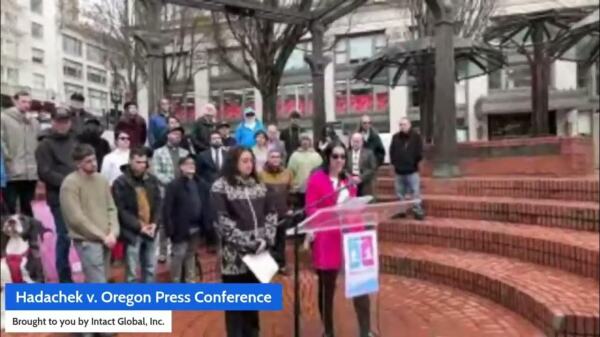
Thank you to GALDEF, the Genital Autonomy Legal Defense and Education Fund for splitting up the Intact Global 2025 Press Conference video into each individual speaker's parts.
The press conference announces Hadachek v Oregon which aims to expand child genital cutting protections to all children in Oregon including boys from circumcision and intersex children from 'normalization' surgeries.
Here is T.T Perry's, and my speech on Intersectionality in the genital autonomy movement and the Genital Autonomy Collective's future role in genital autonomy advocacy in Oregon. https://youtu.be/Uv-Z_BEt59o
Thank you to GALDEF, the Genital Autonomy Legal Defense and Education Fund for splitting up the Intact Global 2025 Press Conference video into each individual speaker's parts.
The press conference announces Hadachek v Oregon which aims to expand child genital cutting protections to all children in Oregon including boys from circumcision and intersex children from 'normalization' surgeries.
Here is T.T Perry's, and my speech on Intersectionality in the genital autonomy movement and the Genital Autonomy Collective's future role in genital autonomy advocacy in Oregon. https://youtu.be/Uv-Z_BEt59o
GALDEF Advisory Council members Alliana Arshad and T.T. Perry speak from an intersex and transgender perspective at the news conference held by Intact Global...
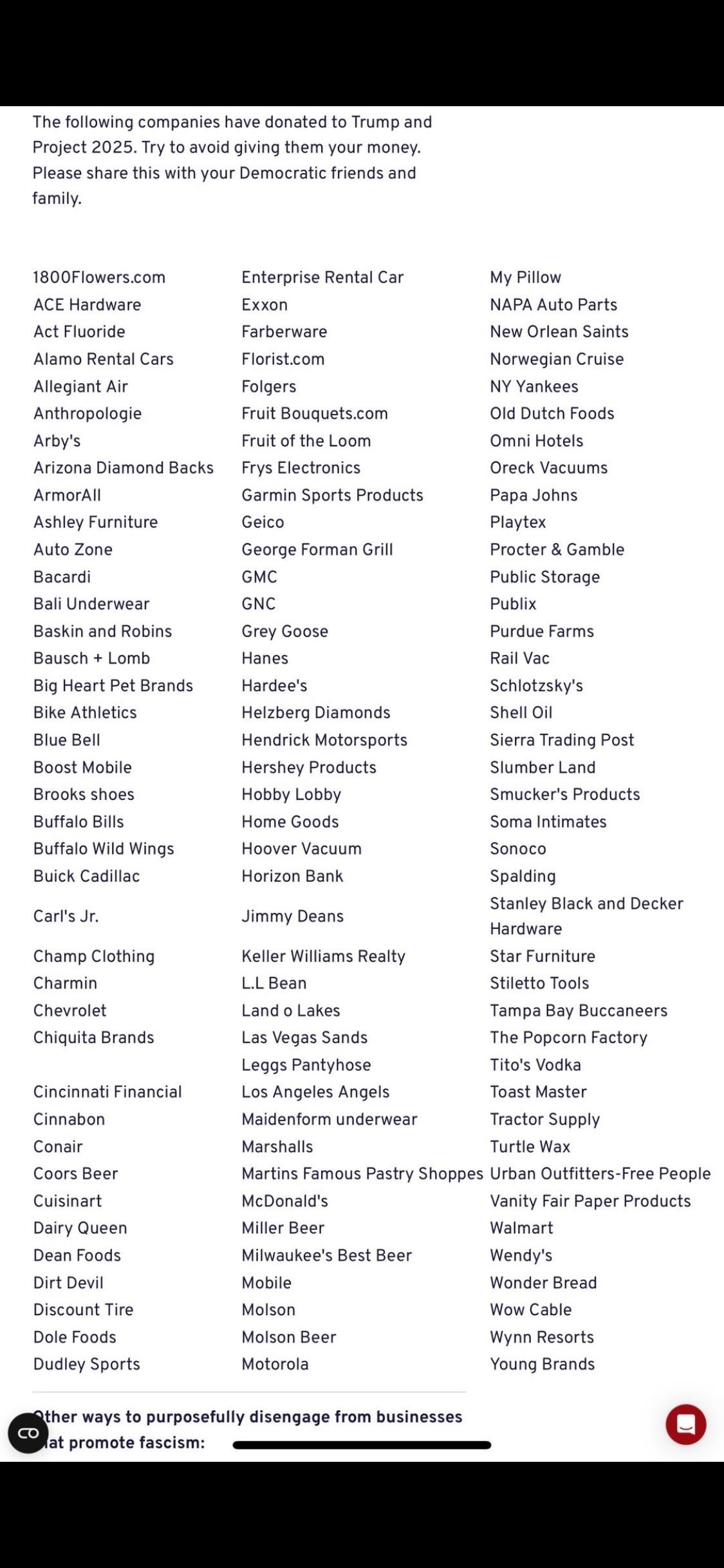
Here is a list of brands to boycott for their contributions to the trump campaign and the 2025 project. Feel free to write them to let the know why you choose to boycott their products.
Create change in your community. Find events, petitions, volunteer opportunities, and fundraisers in your local area, organized by charities, campaigns, political organizations, grassroots groups, and other volunteers! Together, we'll help make the w…
Brief #Introduction, since it seems to be the etiquette around here. Hi! I'm Mel, a PGR at QMUL researching abortion policy implementation in subnational Argentina, through lenses of various geographies, #policy and subnational studies, and literature on #feminist #activism. Expect toots both in #Spanish and #English. Alongside #academicchatter, expect pictures and commentary on #popculture, #cats, #nature and #food, as needed.
the fascist attorney general of Missouri has set up a tip site for complaints about gender transition, hope it doesn't get spammed by long, fake complaints over and over until he takes it down!
Make no mistake, the tsunami of #tech #layoffs is not about the recession. It’s about striking back at “uppity” labor, after they enjoyed a shift in the balance of power from #remotework and DEI #activism .
These companies are reporting record profits. Inflation is just cover. It’s because they can, because there’s social cover for it, because there’s money left on the table and having “some” money isn’t enough.
So, after 15+ years of being the sole creator (script-writer, host, interviewer, filmer, video editor, social media promoter, fan/hatemail reader, livestreamer, sponsor-outreach-er, etc etc etc) behind the entirety of my #feminist #freeTheNipple and other-#progressive-issues focused #activism channel #toplessTopics, I've decided this year I'm going to do whatever it takes to start hiring help--namely a #videoEditor to start with, to take the rambly bits and "ums" out of my vlogs, nothing fancy.
Specifically, we at Software Freedom Conservancy have been actively communicating with #Microsoft and their GitHub subsidiary about our concerns with “Copilot” since they first launched it almost exactly a year ago. Our initial video chat call (in July 2021) with Microsoft and GitHub representatives resulted in several questions which they said they could not answer at that time, but would “answer soon”. After six months of no response, Bradley published his essay, If Software is My #Copilot, Who Programmed My Software? — which raised these questions publicly. Still, GitHub did not answer our #questions.