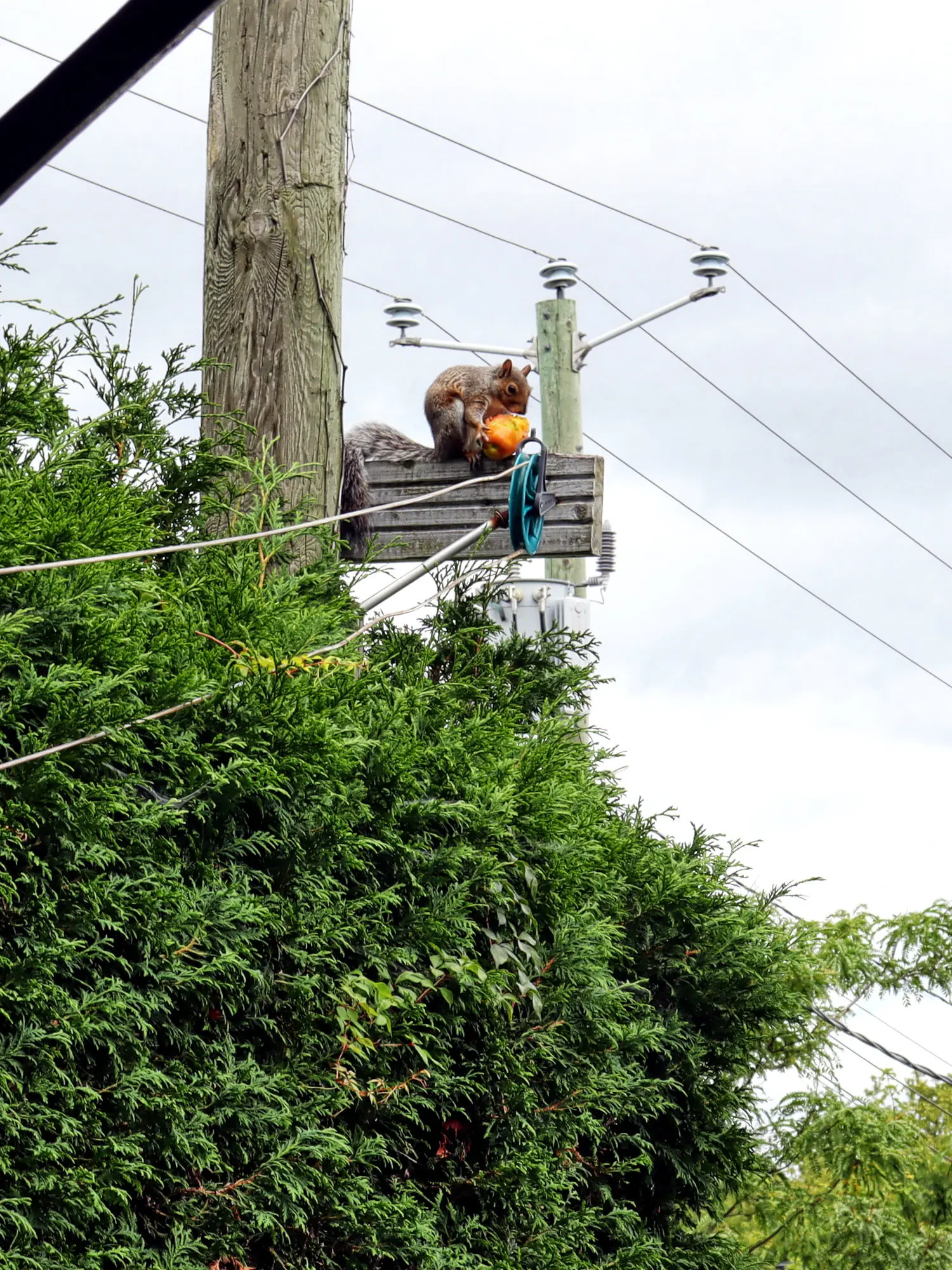
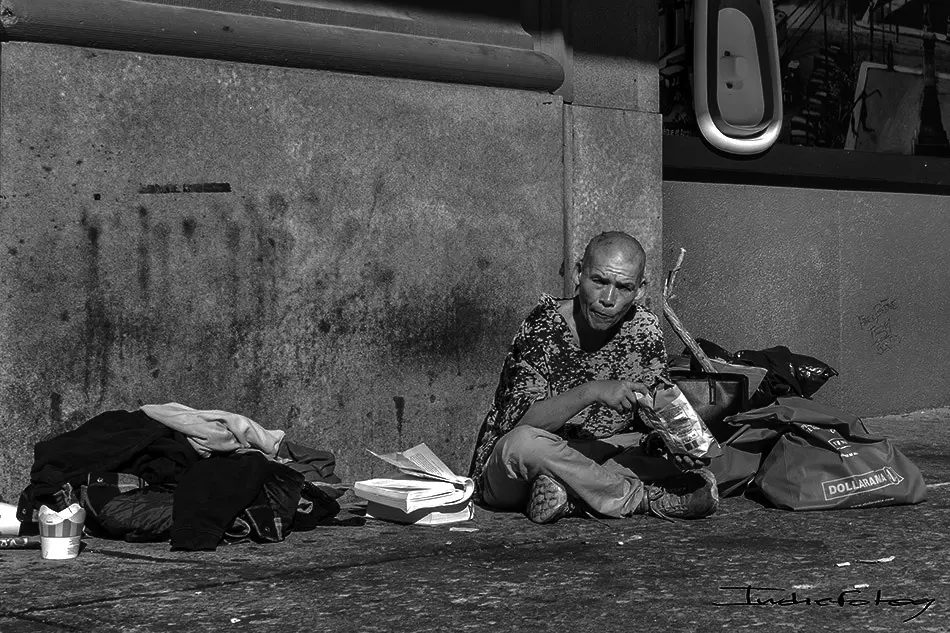
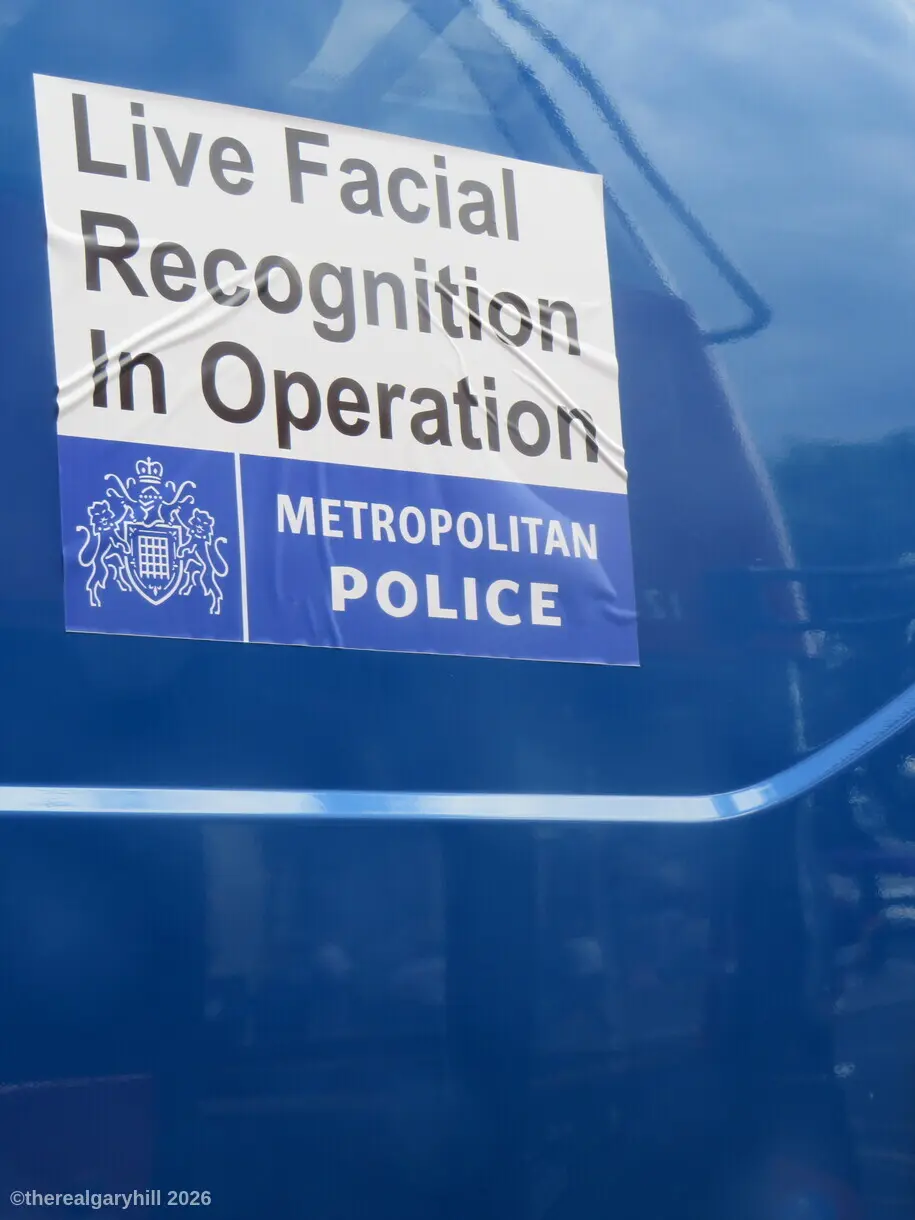
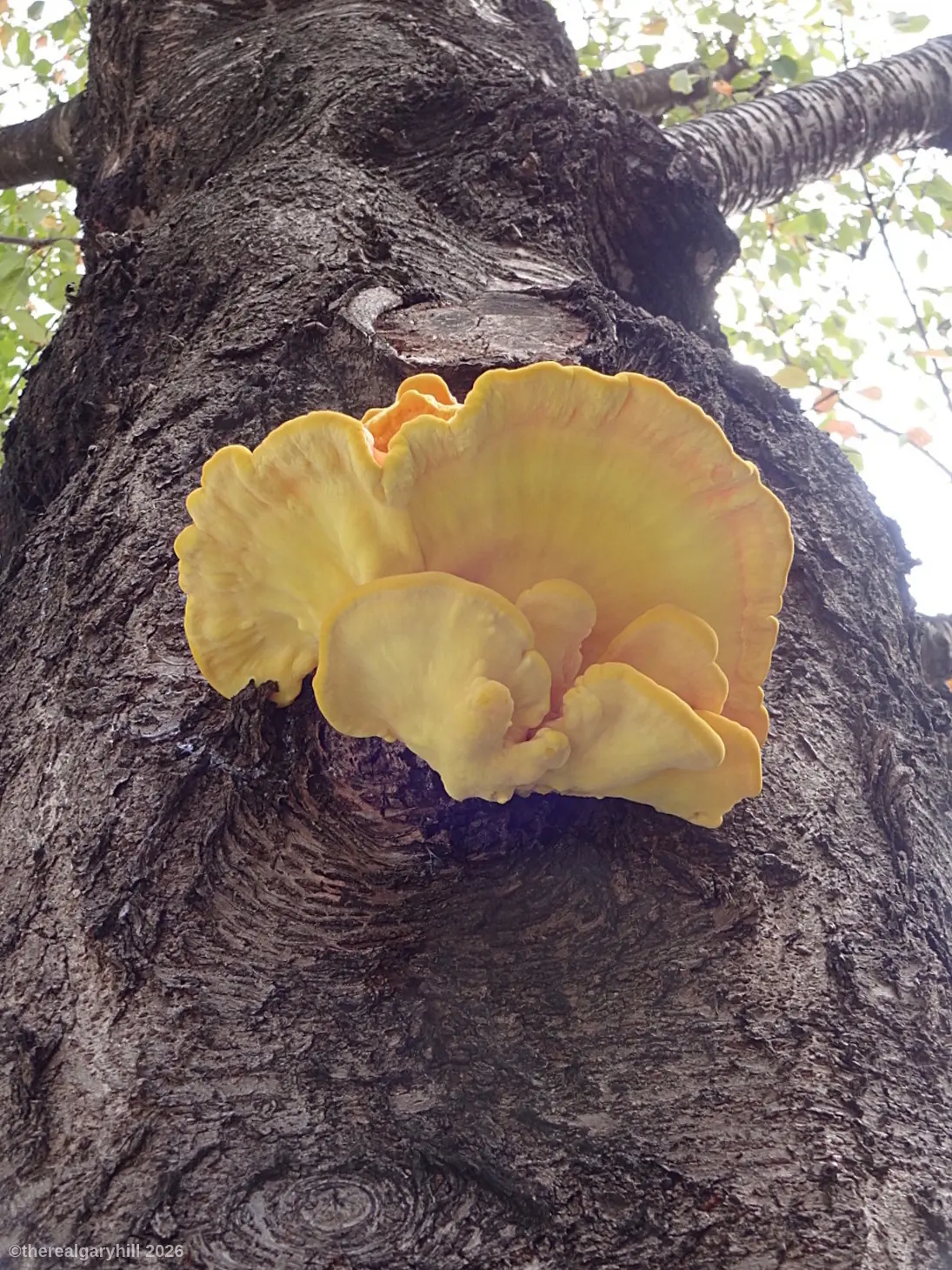
🖤Beautiful decay! This long-abandoned Italian villa, is aging like a fine wine. Every grain of rust and every piece of dropped plaster is like a scar charting her unique journey and evolution. What will happen next?
Came to diaspora when G+ closed years ago, then the instance closed and I moved to diasporasocial,net That server was disconnected days ago. All of this week it shows as Error 500, with no other information, and no heads up from the admins. A friend here suggested I join. Now I have to figure out how to regain content, and contacts.
I have been a photographer (never a professional) for over 40 years. Now retired from a long career in IT, am devoting most of my time to travel and photography.
Will post more when I regain contacts, and figure out how to connect in diaspora again.
Feuille d'une plante de cannabis. Les glandes bulbeuses sont des trichomes. Les bulles à l'intérieur sont des vésicules de cannabinoïdes. Leaf of a cannabis plant. The bulbous glands are trichomes. The bubbles inside are cannabinoid vesicles
Grappe d'œufs de poulpe (Octopus hummelincki) Cluster of octopus (Octopus hummelin
Feuille d'une plante de cannabis. Les glandes bulbeuses sont des trichomes. Les bulles à l'intérieur sont des vésicules de cannabinoïdes. Leaf of a cannabis plant. The bulbous glands are trichomes. The bubbles inside are cannabinoid vesicles
Grappe d'œufs de poulpe (Octopus hummelincki) Cluster of octopus (Octopus hummelincki) eggs
Graine d'une plante de Silène Seed of a Silene plant
Hey everyone, I’m #newhere. I’m interested in #bloomscrolling, #humor, and #photography. I've come from G+ to pluspora to several pods, and am now here. Thanks for the invite, @Andrew Pam!
Content warning: Greetings and welcome to our 2022 collection of 106 of the most cherished street art photos shared on Facebook This year has been filled with incredible street art from all around the world, and we are thrilled to bring you a curated selection. As you scr
Greetings and welcome to our 2022 collection of 106 of the most cherished street art photos shared on Facebook
This year has been filled with incredible street art from all around the world, and we are thrilled to bring you a curated selection.
As you scroll through the collection, you’ll notice that most photos are accompanied by a link. By clicking on the link, you’ll have the opportunity to learn more about the artist, the story behind the piece, and see additional photos of the artwork. It’s a great way to dive deeper into the world of street art and discover new artists and styles.
From bold and colorful murals to thought-provoking and impactful installations, there’s something for everyone. So, whether you’re new to the world of street art or a seasoned pro, we invite you to explore, discover, and enjoy this vibrant and ever-evolving art form.
The Simpsons bus stop (6 photos) by the artist collective DUUDOOR in Campo Grande, Brazil. DUUDOOR consists of Eduardo Fernando Savala Sanches and Ernando Jacques Sanches, son and father.
The Gray World of 2050: A Tale of Restricted Art and Self-Expression
My son, have you ever heard of something strange?
“Yes, tell me!” my son exclaimed with excitement.
“You know the new tree painting we did on the garage last week? Well, up until around the year 2050, it was not common for people to have paintings on their houses. Can you imagine that?”
“What? Were all the houses just gray?” my son asked in disbelief.
“Many of them were. People would usually paint their houses in one solid color, like blue or yellow, but it was rare to see more than one or two colors and almost never any pictures. Most apartment buildings, government buildings, and other structures were gray. Artists would sometimes go and paint on tunnels or grey municipal buildings, but their paintings would eventually be washed away by the government.”
“Was art forbidden?” my son asked, wide-eyed.
“Not exactly, but it had to be confined to specific buildings only. Some people believed that houses should not be painted with anything other than pale, solid colors. It was quite a dull and restrictive society.”
“Wow,” my son said, “that’s so boring.”
“Yes, my son, it was. But now, we have the freedom to express ourselves and add color and beauty to our surroundings. Now, let’s put on our jackets and go pick some fruit.”
Exploring the Significance of Street Art: Why it Matters:
As an artist, I know firsthand how important self-expression is. For me, street art is one of the most powerful mediums to accomplish that. Because street art is often created outside of traditional art institutions, it allows us as artists to bypass gatekeepers and create work that is not constrained by gallery or museum regulations.
But street art is so much more than just self-expression. It’s also a powerful tool for making social and political commentary. As street artists, we frequently use our art to bring attention to issues like injustice, inequality, and poverty. Street art has the power to spark change by bringing attention to these important issues.
Not only that, but street art can also play an important role in community-building. It can help revitalize neighborhoods and give locals a sense of pride and ownership. And as someone who’s lived in many different communities, I’ve seen firsthand how powerful this can be.
And lastly, street art is an important form of cultural expression. It reflects the values, beliefs, and aspirations of the communities in which it’s created. It can be used to celebrate and preserve cultural history, as well as advance inclusivity and diversity.
Street art is an incredibly powerful and important form of self-expression, social and political commentary, community-building, and cultural expression. It plays a vital role in shaping our cities and communities.
By Ukrainian artist Sasha Korban in Kiev, Ukraine. Sasha Korban: I created this mural a few days ago in Kyiv, and at that time nearby were battles for the liberation of Bucha and Irpin took place.
Street artists in and outside of Ukraine are using their art as a form of resistance against the Russian invasion and occupation. Through their powerful and emotive work, they are giving voice to the experiences and aspirations of those affected by the war. They are providing a powerful reminder that art can play an important role in the struggle for justice and human rights.
Many artists have contributed touching art this past year and you’ll see more if you keep checking through this collection.
The legacy of Miss. Tic: French Street Artist who used Art for Social Change
Miss. Tic 20.02.1956 — 22.05.2022. Miss. Tic was a French street artist who is known for her stencils of dark-haired women that can be found in the streets of Paris. Her work is often associated with poetry, as many of her stencils include text that is often thought-provoking and evocative. Miss. Tic began her career as a street artist in 1985, and has since become one of the most recognizable and respected figures in the French street art scene.
One of the things that sets Miss. Tic apart from other street artists is her use of stencils. She often used the same stencil repeatedly, but with subtle variations, to create a sense of continuity and familiarity in her work. This technique allows her to convey a powerful message with a minimal amount of visual clutter.
In addition to her street art, Miss. Tic is also known for her activism and her commitment to using art as a tool for social and political change. She has often used her art to comment on issues such as gender inequality, racism, and poverty.
Over the years, Miss. Tic has gained a devoted following of fans who appreciate her unique style, powerful messages, and the way she has helped to shape the landscape of street art in Paris. Her work can be seen in many of the most iconic locations in the city, and it continues to inspire and influence new generations of street artists. More art by Miss. Tic: To Live is the Bomb, Miss Tic – 1956 / 2022
This 2,000-year-old mosaic unearthed in Antakya is the world’s largest, extending over 9,000-square-foot (about 850 square meters)! Truly an astonishing sight.
A beautiful well preserved mosaic was discovered while digging between vineyards near Northern Italian city of Verona, The mosaics dates back to around 250-400 AD and probably once was part of an ancient Roman villa.
Placing a giant novelty dildo on top of the £300,000 sculpture of Baroness Thatcher in St Peter’s Hill in Grantham (her home town in Lincolnshire, England) is very disrespectful.
Say no to plastic! Mural by SMUG in Margate, UK. For Rise Up Residency, curated by Louis Masai. Photo by M_FRENCHI. Organised to raise awareness pf the ocean conservation and the issues raised by plastic near and in our oceans.
Simpsons!: This bus stop in Brazil, before and after an artist added their touch
In the bustling city of Campo Grande, Brazil, an abandoned bus stop has been revived and reimagined by DUUDOOR, an innovative artist collective consisting of father and son duo, Ernando Jacques Sanches and Eduardo Fernando Savala Sanches.
The pair had been on a hiatus from art, seeking inspiration and motivation to return to creating. When some friends showed them a project where a local artist had infused new life into a bus stop with Simpsons-themed art in Porto Murtinho, they knew they had found their muse.
Excited by the idea of not only creating art but also revitalizing neglected urban spaces, DUUDOOR set to work on their own bus stop project. What emerged was not just an aesthetic transformation of an ordinary space, but a demonstration of the power of art to spark joy and community engagement.
After completion, they reflected on the gratifying experience of witnessing the impact of their art. It was a reminder of art’s power to transform and inspire. This first project was financed solely by DUUDOOR’s own resources, but their work’s impact has led to offers of support for future projects, for which they are deeply appreciative.
Rejuvenating forgotten corners of the city with art, DUUDOOR’s project is a testament to the transformative power of creativity. Their initiative invites us all to imagine how we might use our own talents to breathe life into spaces around us. It’s a powerful example of how art can not only beautify a space but also bring together a community.
German artist Jan Vormann has turned the idea of fixing cracks in urban landscapes into a global movement with his Dispatchwork project.
Using colorful LEGO bricks, Vormann repairs crumbling walls and structures, transforming decay into vibrant art. His playful installations, found in over 40 cities, challenge us to see imperfections as opportunities for creativity.
Vormann began Dispatchwork in Bocchignano, Italy, in 2007, and his project quickly spread worldwide. By filling gaps and cracks in aging buildings with LEGO bricks, his work contrasts the weathered tones of old structures with the bright colors of modern play. Some installations use just a few bricks, while others incorporate thousands, creating an eye-catching patchwork of color.
How Jan Vormann Turns Cracks Into Colorful Masterpieces
Each repair tells its own story, inviting viewers to reflect on urban decay and restoration. What makes Dispatchwork unique is its collaborative nature: passersby are often encouraged to participate, adding their own LEGO creations to the repairs. This transforms each artwork into a shared expression of creativity between the artist and the community.
LEGO Art That Inspires and Connects Communities
Jan Vormann’s project reminds us that art isn’t limited to galleries—it can be part of the everyday world. His work brings smiles to those who encounter it and sparks conversations about urban imperfections. It’s proof that even small creative gestures can leave a big impact.
Explore More
Want to see more of Jan Vormann’s Dispatchwork? Visit the official Dispatchwork website to explore additional installations and learn how to participate in this colorful global movement.
🚦Lego – Let’s color the world! 🚥
I love this project! Going strong for +14 years!
More Lego art 👉 https://streetartutopia.com/lego-lets-color-the-world-2
So, hier der erste Schwung Bilder aus Kroatien. Es handelt dich hierbei nur um Blumenbilder. Ich dachte, ich sortiere das mal ein bisschen thematisch. Die Bilder stammen aus der Učka (Gebirgszug im Osten Istriens) und dem Velebit (Gebirgszug an der nördlichen Adriaküste).
Interessant ist dabei, in Küstennähe schon die Sommerblumen, wie z.B. die Schwertlilie, blühen. Die Vegetation ist hier also, im Vergleich zu Süddeutschland, ca. einen Monat voraus. Im mittleren Höhenbereich blühen Blumen, wie sie bei uns auch gerade zu finden sind. Und wenn man mal über 1000 m in die Höhe kommt, blühen da noch die Frühblüher, wie Schlüsselblume oder Krokus. Hier ist die Vegetation ca. einen Monat hinterher. Dasselbe gilt für die Blätter an den Bäumen: unten voll ausgebildet, oben noch nicht einmal die Knospen geöffnet.
So und hier die Bilder.
... show more
So, hier der erste Schwung Bilder aus Kroatien. Es handelt dich hierbei nur um Blumenbilder. Ich dachte, ich sortiere das mal ein bisschen thematisch. Die Bilder stammen aus der Učka (Gebirgszug im Osten Istriens) und dem Velebit (Gebirgszug an der nördlichen Adriaküste).
Interessant ist dabei, in Küstennähe schon die Sommerblumen, wie z.B. die Schwertlilie, blühen. Die Vegetation ist hier also, im Vergleich zu Süddeutschland, ca. einen Monat voraus. Im mittleren Höhenbereich blühen Blumen, wie sie bei uns auch gerade zu finden sind. Und wenn man mal über 1000 m in die Höhe kommt, blühen da noch die Frühblüher, wie Schlüsselblume oder Krokus. Hier ist die Vegetation ca. einen Monat hinterher. Dasselbe gilt für die Blätter an den Bäumen: unten voll ausgebildet, oben noch nicht einmal die Knospen geöffnet.
hier der zweite Schwung Bilder aus dem Kroatienurlaub. Die Bilder haben alle mit der Geschichte der "Roten Zora" von Kurt Held zu tun. Genauer gesagt, mit der Serie, die in den 80er Jahren ausgestrahlt wurde. Die Geschichte spielt nicht nur in der Stadt Senj und ihrer Umgebung, sondern wurde auch dort gedreht. Da ich als Kind schon beschlossen habe, dass ich mal nach Kroatien will (wegen der Serie und dutzenden Karl-May-Verfilmungen), ging mit dem Besuch in Senj ein Kindheitstraum in Erfüllung. Da ich da wohl nicht der Einzige bin, gab es im Touristenbüro eine Broschüre mit einer beschriebenen Rundtour zu den wichtigsten Drehplätzen. Das Glück war perfekt. Außerdem hatten wir so eine sinnvolle Route, vorbei an den wichtigsten Sehenswürdigkeiten der Stadt. So jetzt aber die Bilder:
... show more
Hallo,
hier der zweite Schwung Bilder aus dem Kroatienurlaub. Die Bilder haben alle mit der Geschichte der "Roten Zora" von Kurt Held zu tun. Genauer gesagt, mit der Serie, die in den 80er Jahren ausgestrahlt wurde. Die Geschichte spielt nicht nur in der Stadt Senj und ihrer Umgebung, sondern wurde auch dort gedreht. Da ich als Kind schon beschlossen habe, dass ich mal nach Kroatien will (wegen der Serie und dutzenden Karl-May-Verfilmungen), ging mit dem Besuch in Senj ein Kindheitstraum in Erfüllung. Da ich da wohl nicht der Einzige bin, gab es im Touristenbüro eine Broschüre mit einer beschriebenen Rundtour zu den wichtigsten Drehplätzen. Das Glück war perfekt. Außerdem hatten wir so eine sinnvolle Route, vorbei an den wichtigsten Sehenswürdigkeiten der Stadt. So jetzt aber die Bilder:
Dieses Bild stammt, genauso, wie das nächste aus Sveti Juray, einem Dorf 10 km südlich von Senj. Dieses Bild zeigt den alten Friedhof. Im Hintergrund sieht man die Ruine der Friedhofskapelle. Hier wurde die Beerdigung von Brankos (jetzt ein Waisenkind) Mutter gedreht.
Das ist der Strand von Sveti Juray, mit einer vorgelagerten Insel. Hier wurde die Szene gedreht, in der Branko mit Zlata (die Tochter des Bürgermeisters) im Meer schwimmt.
Das ist die Bucht des Fischers Dorian einem Freund der Kinder. Wer die Geschichte kennt, weiß, dass hier viele wichtige Szenen spielen. Am eindrucksvollsten wohl der Thunfischfang. Hier wurde aber auch Brankos Kampf mit dem Kraken gedreht.
Und das ist sie, die Uskokenburg. Heute renoviert und mit einem interessanten Museum zur Stadtgeschichte, in der Serie das Versteck der Uskoken, wie sich die Bande um die rote Zora selbst nennt. Von dort hat man natürlich einen guten Blick über die gesamte Altstadt von Senj.
Wenn man in die kleinen Gassen eintaucht, kommt man dem Gefühl der Serie schon recht nah. Durch diese Gassen ist die rote Zora mit Branko mehr als einmal vor der Polizei geflüchtet.
Beginnen tut die Serie vor der Kirche, wo Branko vom Tod seiner Mutter erfährt. Hier ein Bild vom Eingangsbereich der Kathedrale.