An Introduction to Diaspora*
Having tried out three of the most popular federated macroblogging platforms, #Friendica, #Hubzilla, and #diaspora*, and having settled on diaspora* as being far and away the simplest, easiest, and best of them, especially for newcomers to FOSS/federated social networking, I thought I’d offer a quick summary and #tutorial for those who are #newhere (new here – and new to diaspora*).
Federated / Distributed
No one “owns” diaspora* and it doesn’t run on a single big corporate server. Instead it’s operated by volunteers on dozens of home or office servers and anyone can run their own instance (we call them “pods”) using the free and open-source diaspora software.
You Build Your Own Experience Here.
Diaspora has no algorithms. It won’t suggest “people you may know” or “stuff you might like.” You decide who to share with and what you want to see and/or share with others. Nothing is decided, chosen, anticipated, or pre-configured for you because you’re not a commodity to be studied and marketed to advertisers. Because you build your own experience on diaspora, it takes time to make diaspora what you want it to be. Given time, diaspora can become an amazing and fun platform that you’ll want to log into and participate in every day.
Start With a Profile, Please
So many new users skip this because they think it’s not important, but if you like #soccer. For example, and other people who like #soccer are looking for players, fans, coaches, or whatever, you’ll miss out on the fun even if you put “I like #soccer” in your introductory “newhere” post. If someone following the hashtag #soccer clicks on your profile and finds no picture, no posts, no nothing, they won’t bother to connect share with you.
Follow people, not just hashtags!
You’ll probably start with following #hashtags if you don’t know anyone on diaspora* yet. Then you’ll find others who post on that topic, and perhaps look up their profile and discover someone who shares your interests and more. I followed #hamradio and #amateur-radio and found – then connected - with other “hams” (operators) here and even met some “on the air” and eventually in person!
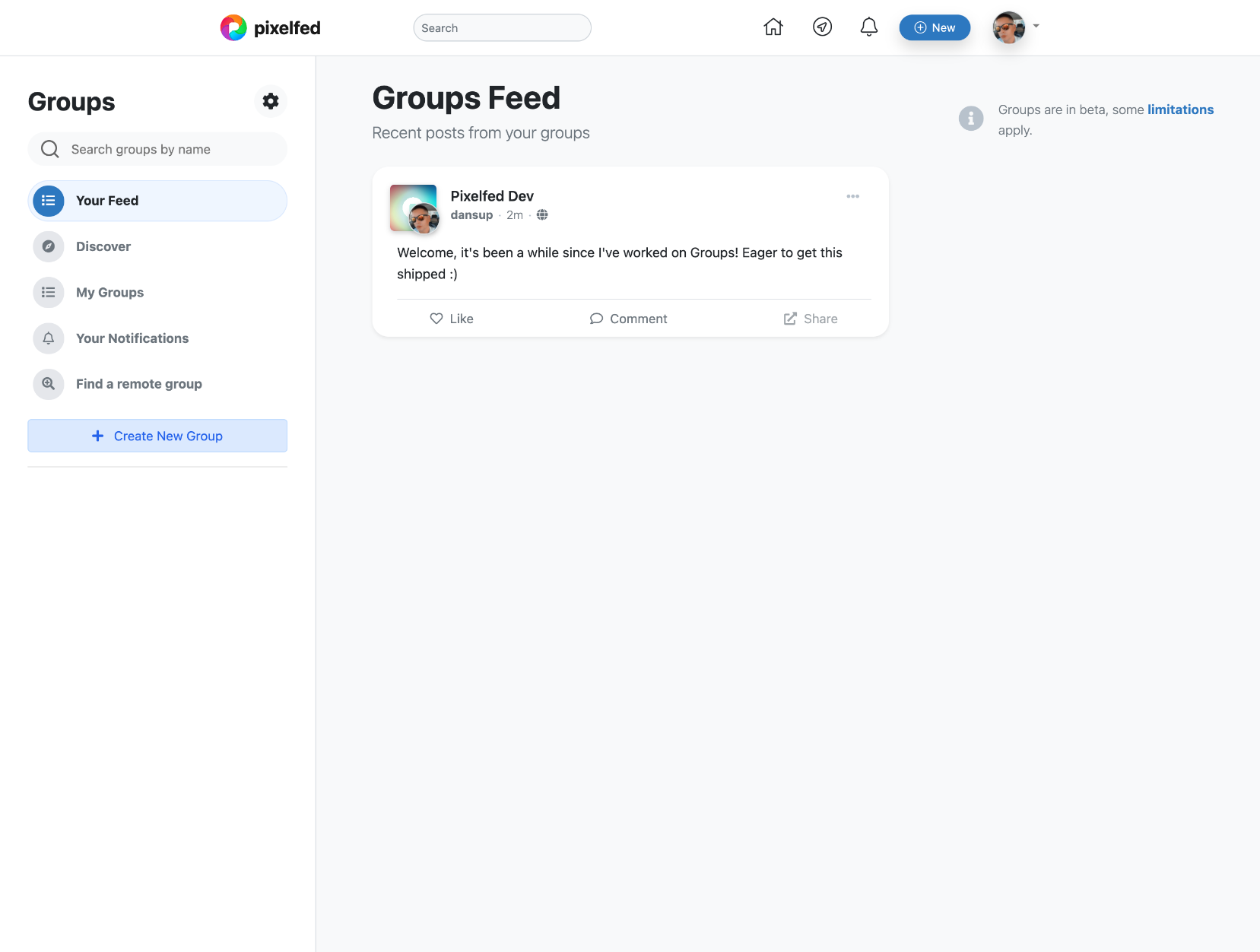
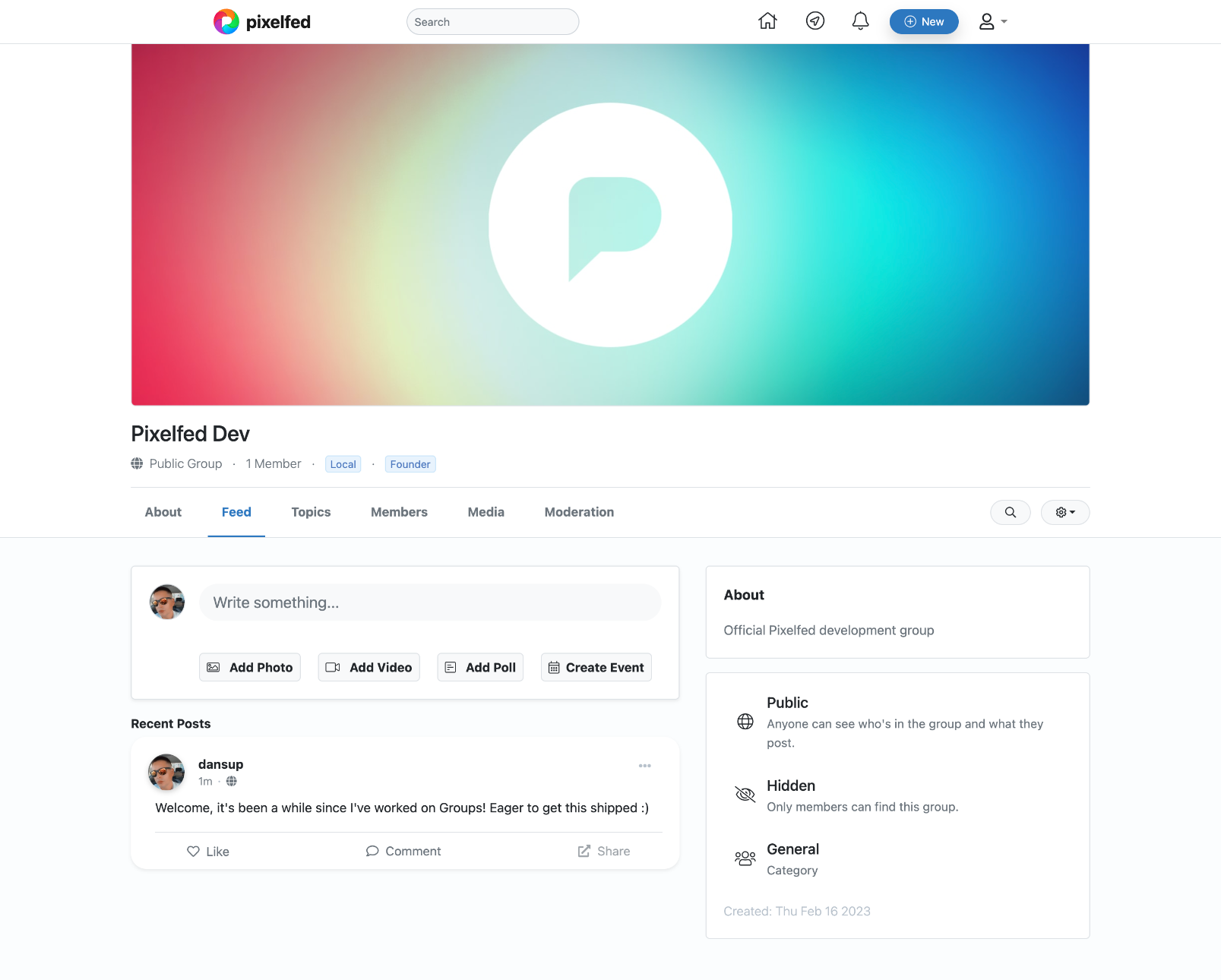
Yes you Can have #Groups on Diaspora!
“Groups” on Friendica (another federated platform with a steep, complicated learning curve and a zillion features most people probably don’t even care about and never use) work the same way as #Aspects here on diaspora*. Your Contacts (people you follow) can be organized into categories called Aspects. By default you have Family, Friends, Coworkers, Acquaintances. But you can create you own! I made one for hams, another for my fellow Christian Believers, another for Living Historians (reenactors), one for home schoolers, etc. I simply write a post to one particular Aspect and the post is only shared with the Contacts in that Aspect. It’s a GROUP! No different from what the other platforms do, calling them “groups” instead of “Aspects.” Same function, different names.
It’s More Fun When Shared!
Like almost anything else worth doing, diaspora* is a lot more fun when shared with others. Invite your family and friends to stop being spied on and marketed to advertisers, politicians, and companies hoping to make money on every “like” and comment you make. Tell them about the freedom to own their own intellectual property and publish it on a platform that respects their rights, their privacy, and their sovereignty.
A Final Note: We are The Federation - Not “the Fediverse.”
The “Fediverse” is a crowded, noisy, chaotic monster with lots of traffic that blows by so fast you can’t keep up. Here on diaspora* we are “the Federation,” avoiding all the noise and clutter of the other platforms. I like the name “the Federation” better – because I’m a Star Trek fan. I suppose I wouldn’t like it if I was a Star Wars fan, since the Trade Federation was among the bad guys in that series. But the description is accurate: Federated / Distributed, but not open to every knock-off and every intrusion into our spaces by new arrivals like Bluesky, Gab, etc. It’s safe and sane here. The learning curve is easy, the User Interface simple and uncomplicated, and the community varied and fun. Welcome in!