Search
Items tagged with: SprayPaintArt
16 Stunning Bird-Inspired Street Art Murals from Around the World
Content warning: Bird-themed street art (collection cover) Get ready to take flight as we embark on a journey to explore bird-inspired street art from around the world! In today’s blog post, we’ll showcase the beauty of our feathered friends, as seen through the creative
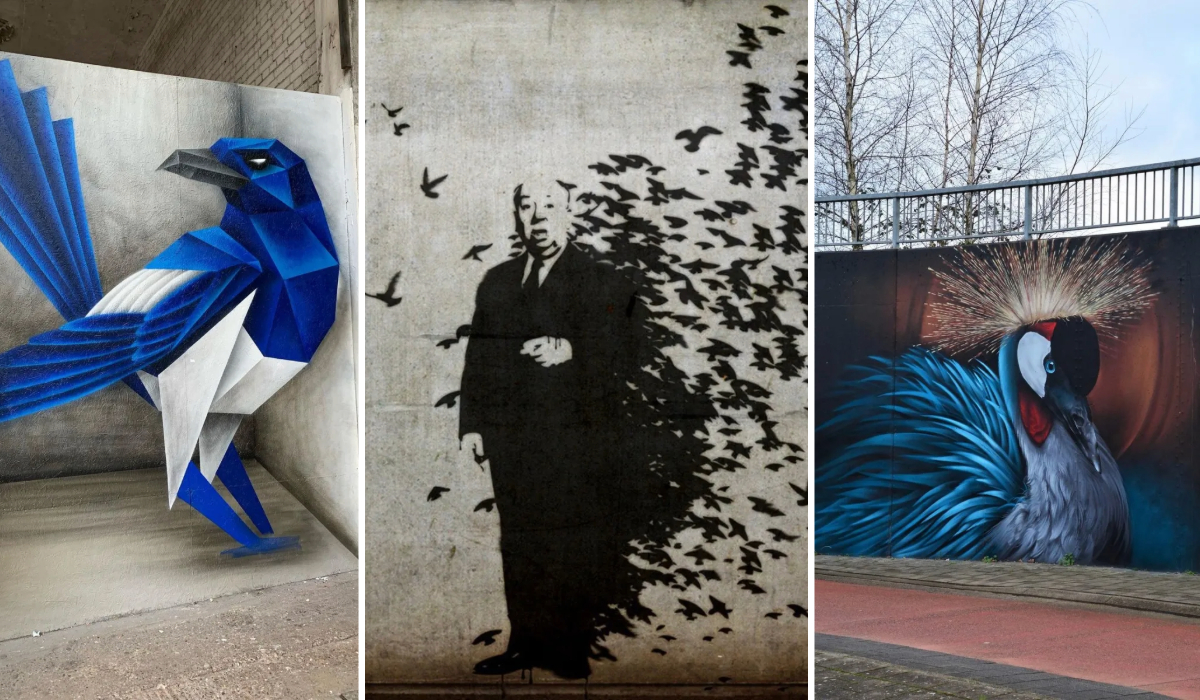
Get ready to take flight as we embark on a journey to explore bird-inspired street art from around the world!
In today’s blog post, we’ll showcase the beauty of our feathered friends, as seen through the creative lens of talented street artists. So, spread your wings and join us as we soar through the skies, celebrating the artful harmony between nature and urban landscapes!
The Symbolism of Birds in Street Art
Birds have long been a favorite subject for street artists. Representing freedom, hope, and transformation, these avian creatures have been integrated into street art to convey messages of change, resilience, and the interaction between nature and society.
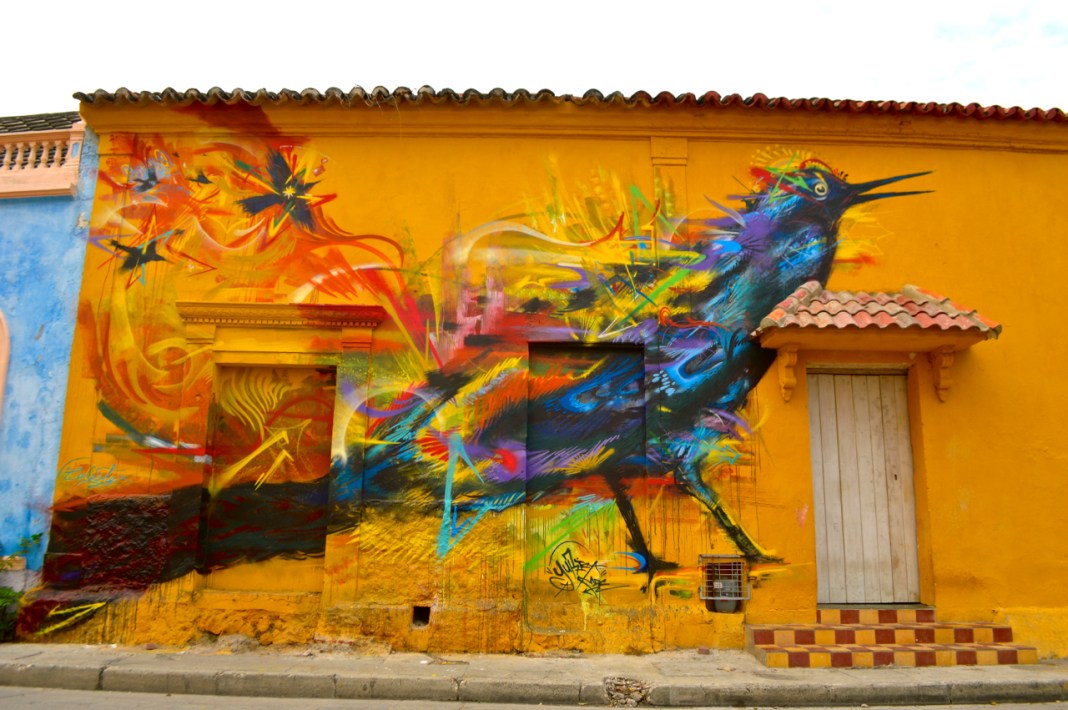
A Global Phenomenon: Bird Murals from Around the World
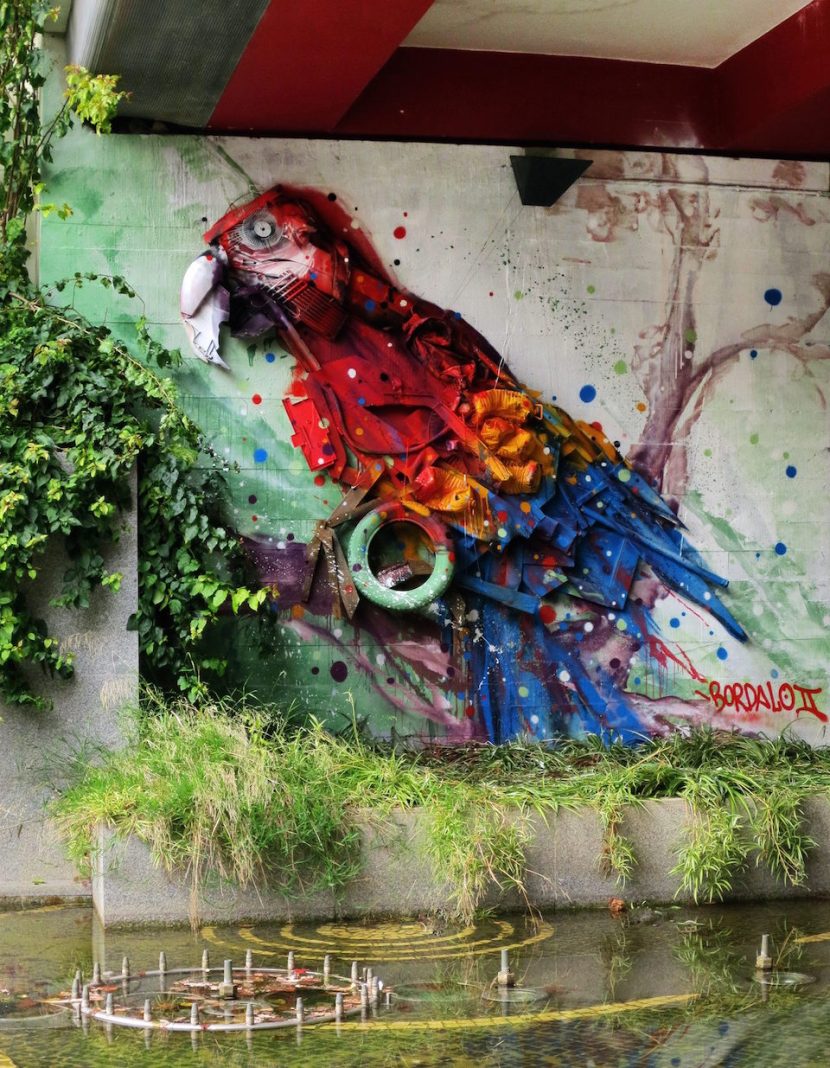
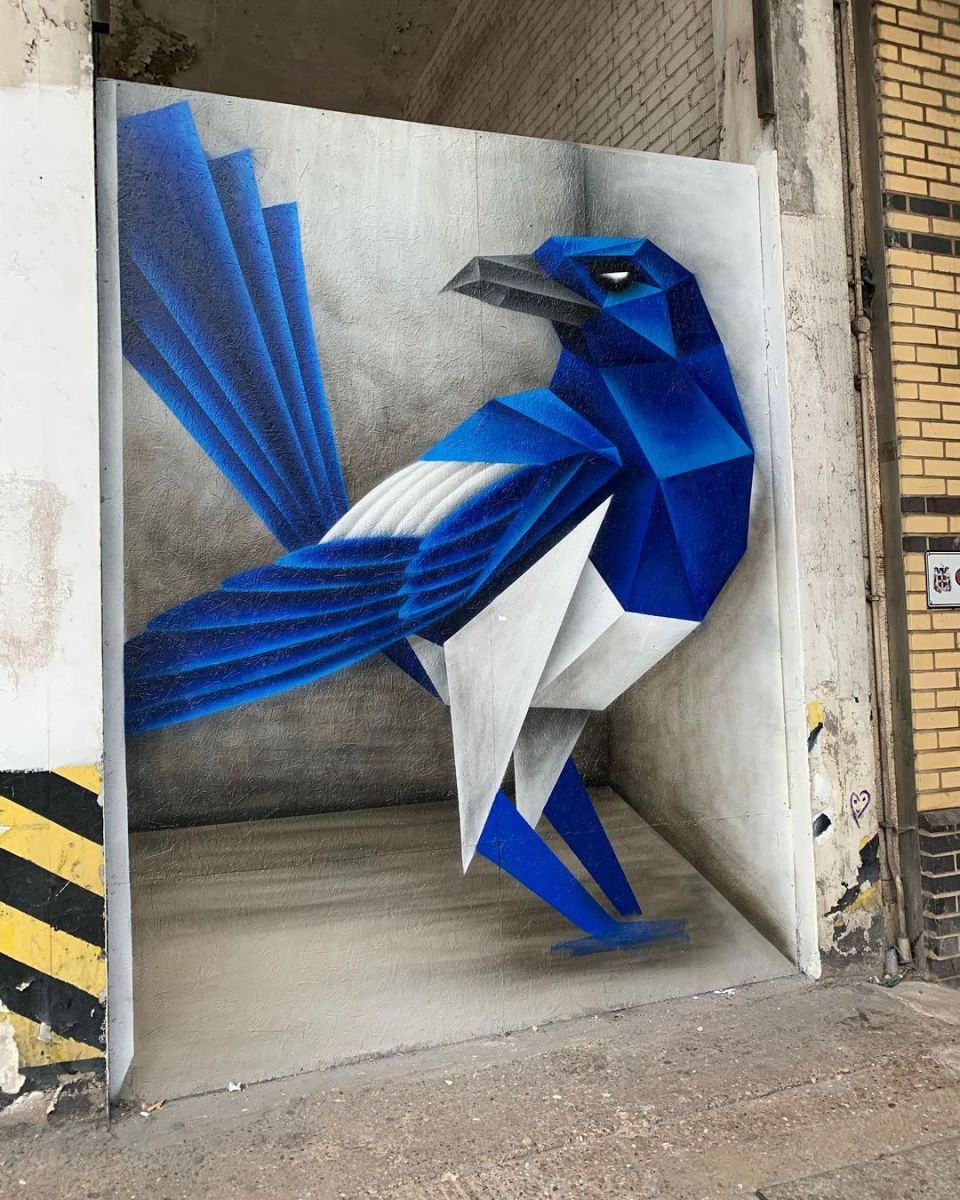
From towering murals to delicate stencils, bird-inspired street art graces cities worldwide. Some remarkable examples include the colorful parrots of São Paulo, Brazil, the stunning swans of Amsterdam, Netherlands, and the hummingbirds of Bogotá, Colombia. These artistic homages to our feathered friends not only give beauty and inspiration to urban spaces but also ask us to safeguard and preserve our planet’s biodiversity.
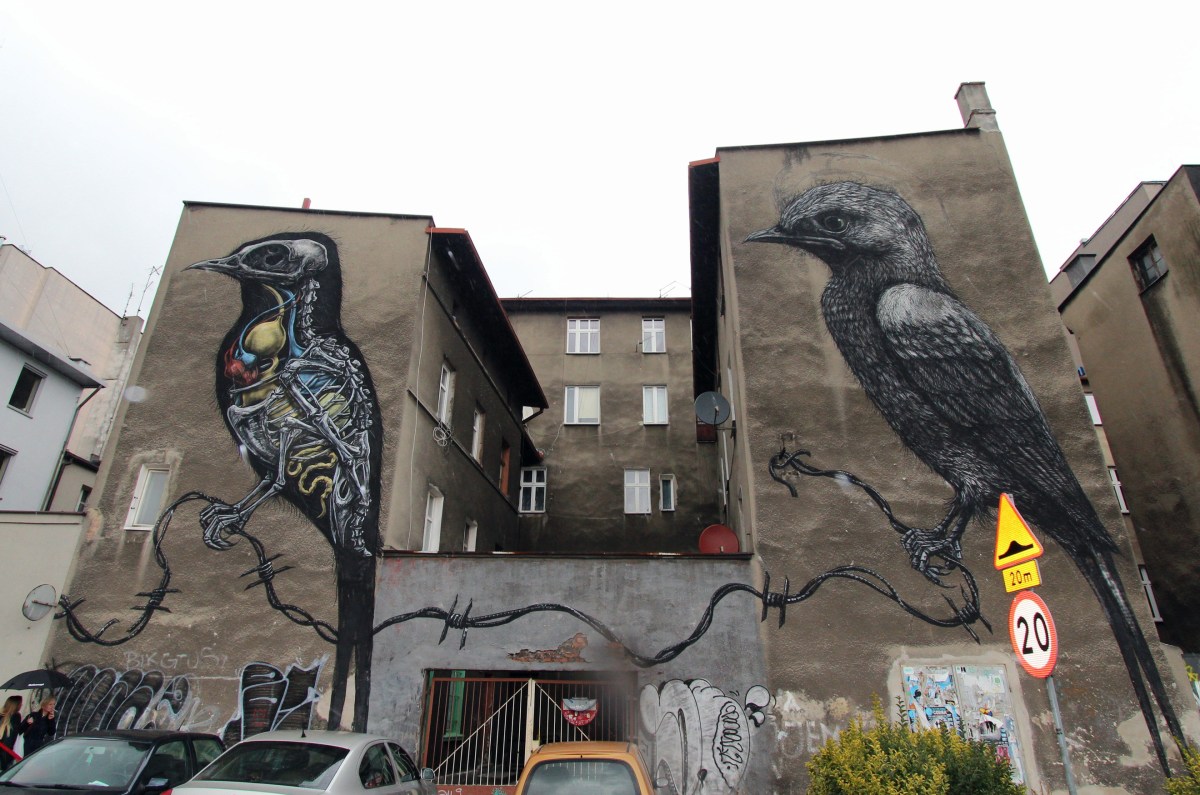
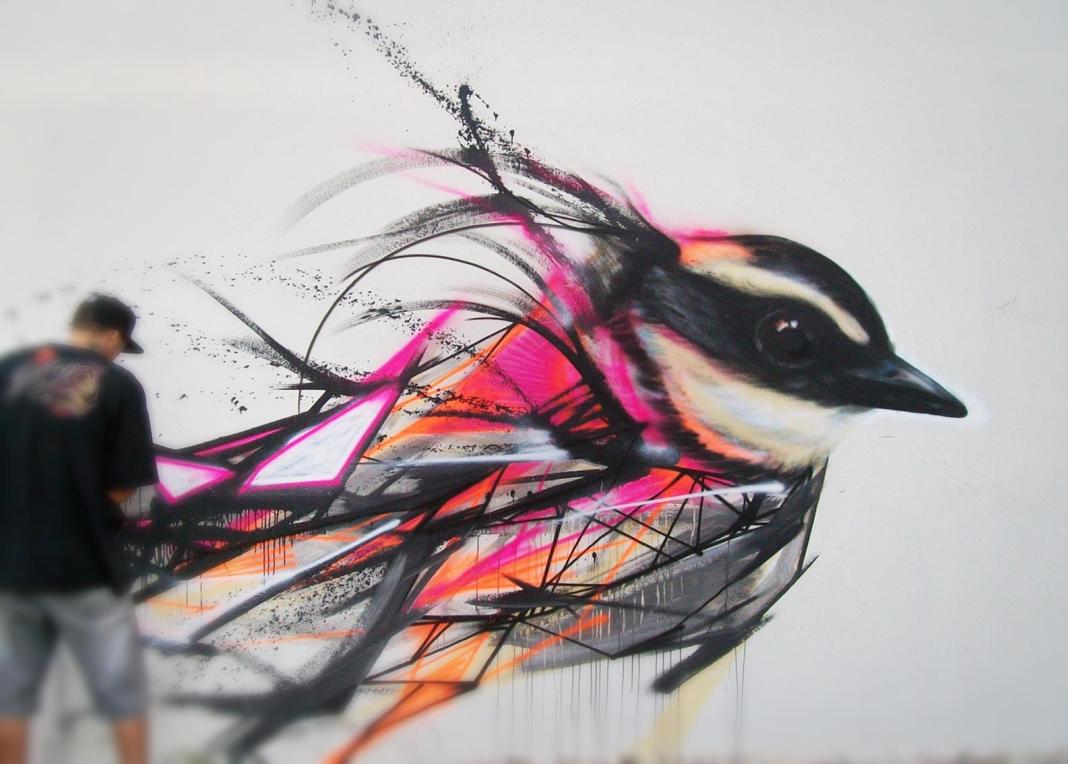
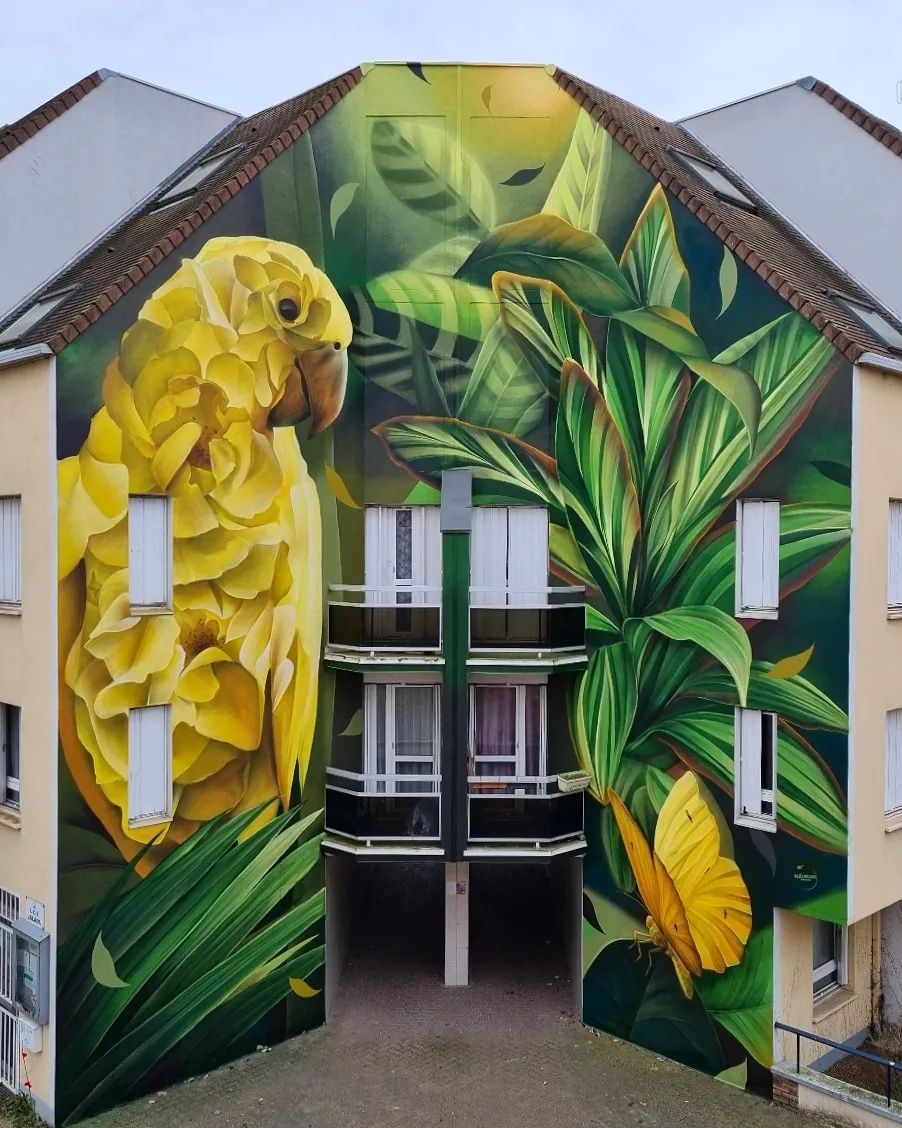
Talented Artists Who’ve Taken Flight
A flock of talented street artists has embraced the theme of birds. Among them are ROA, a Belgian artist known for his monochromatic, larger depictions of birds and other wildlife; L7m, a Brazilian artist who merges abstract and realistic elements in his colorful bird murals; and the UK-based Curtis Hylton, who uses his art to remind people of the beauty and of nature.
More birds:
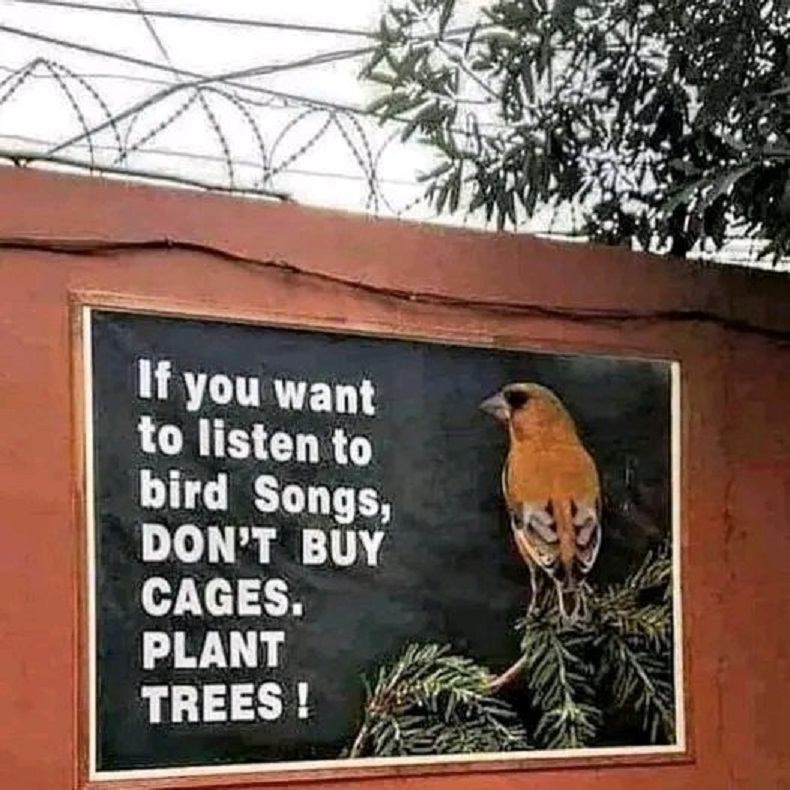
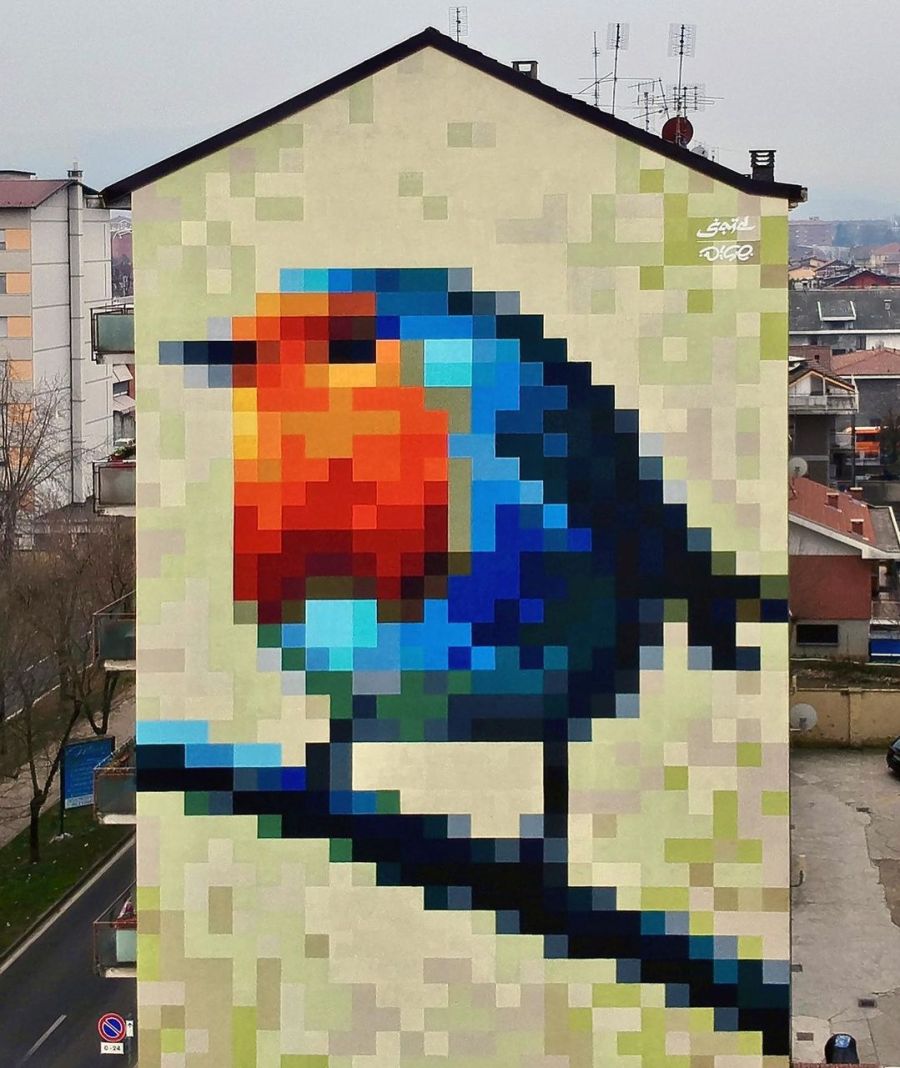
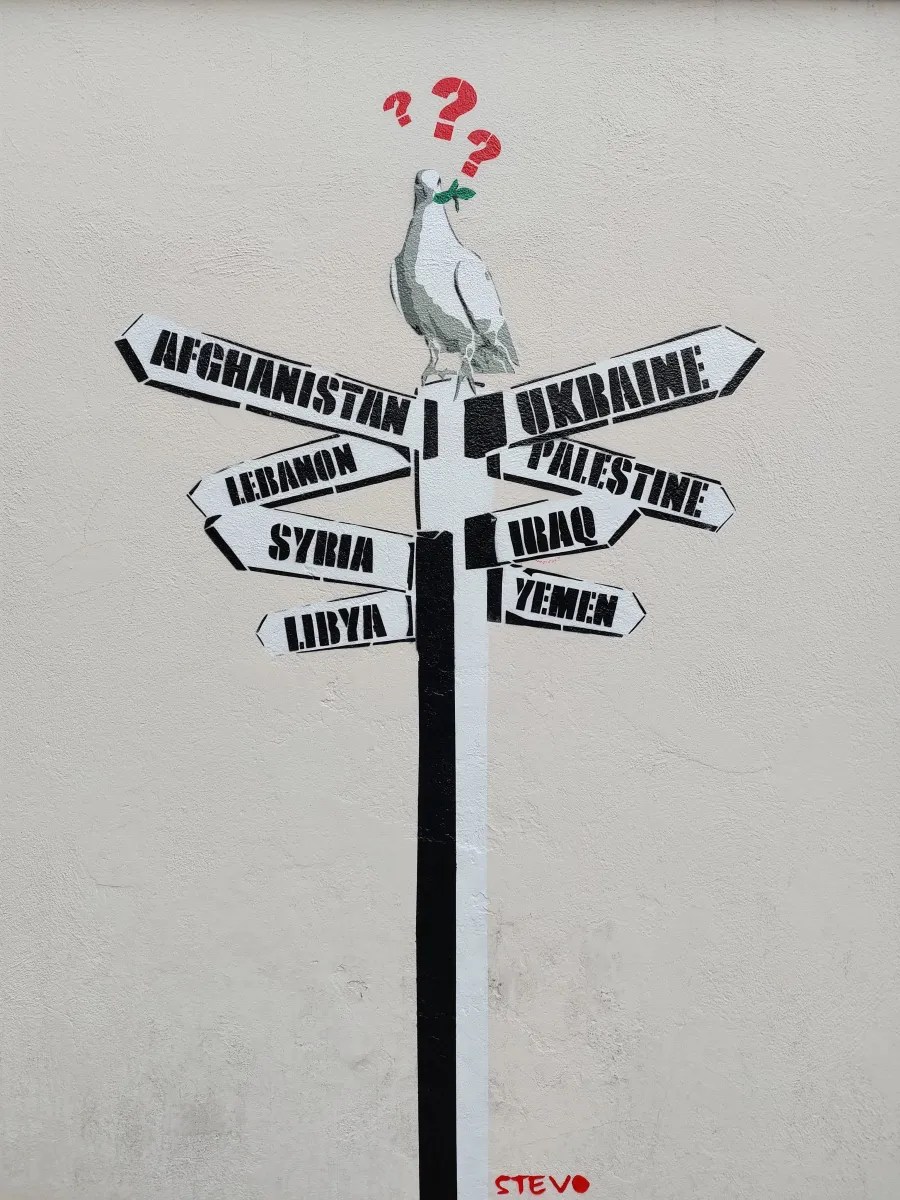
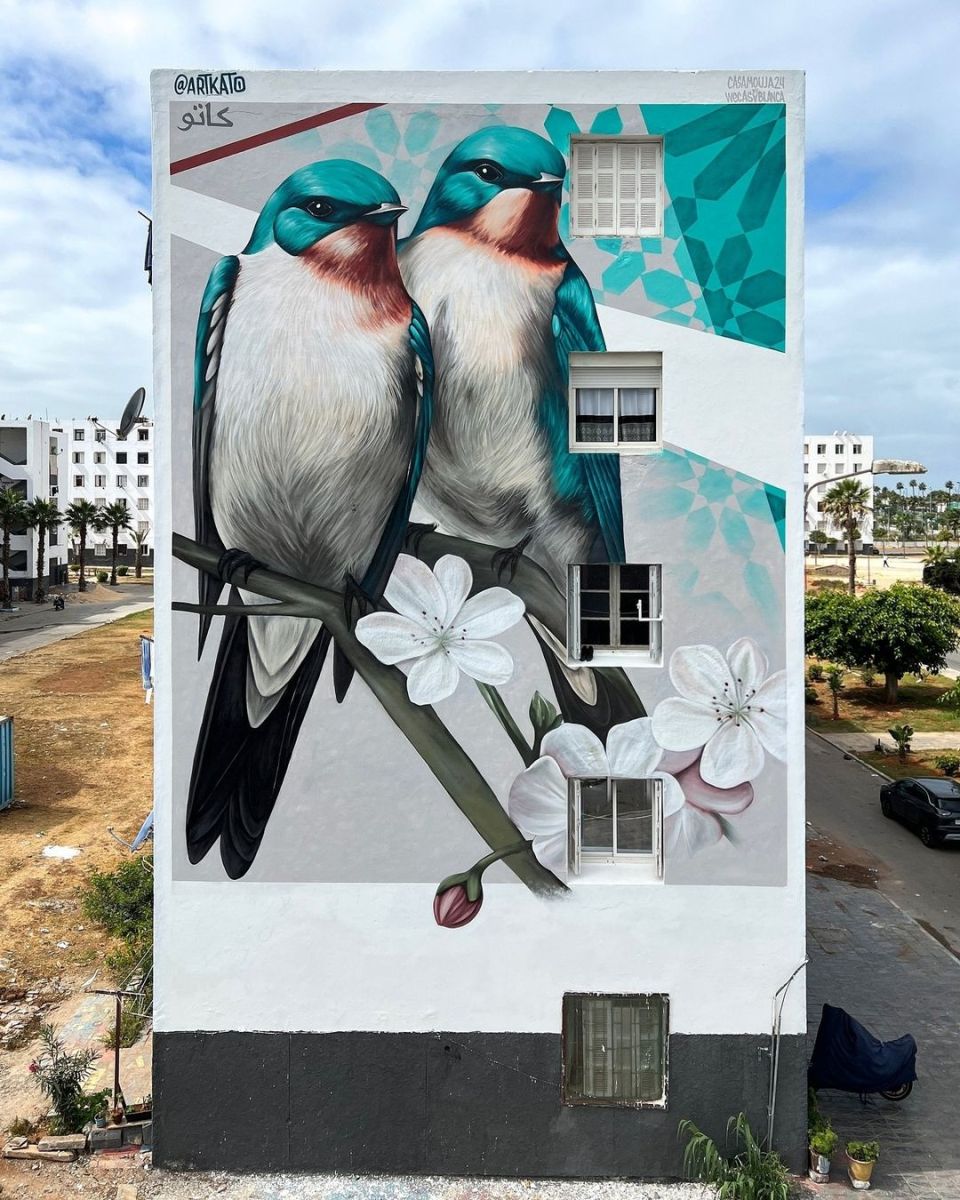
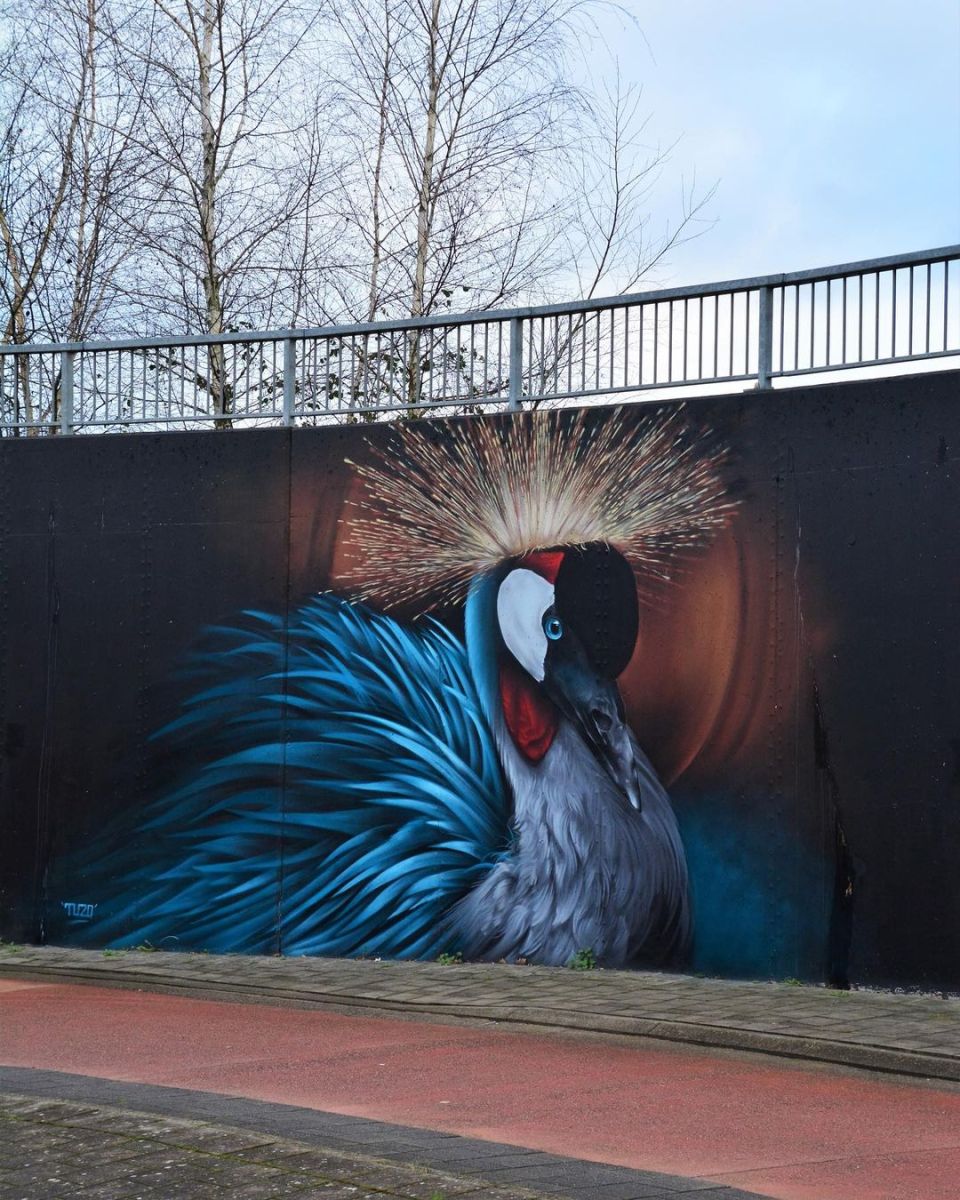
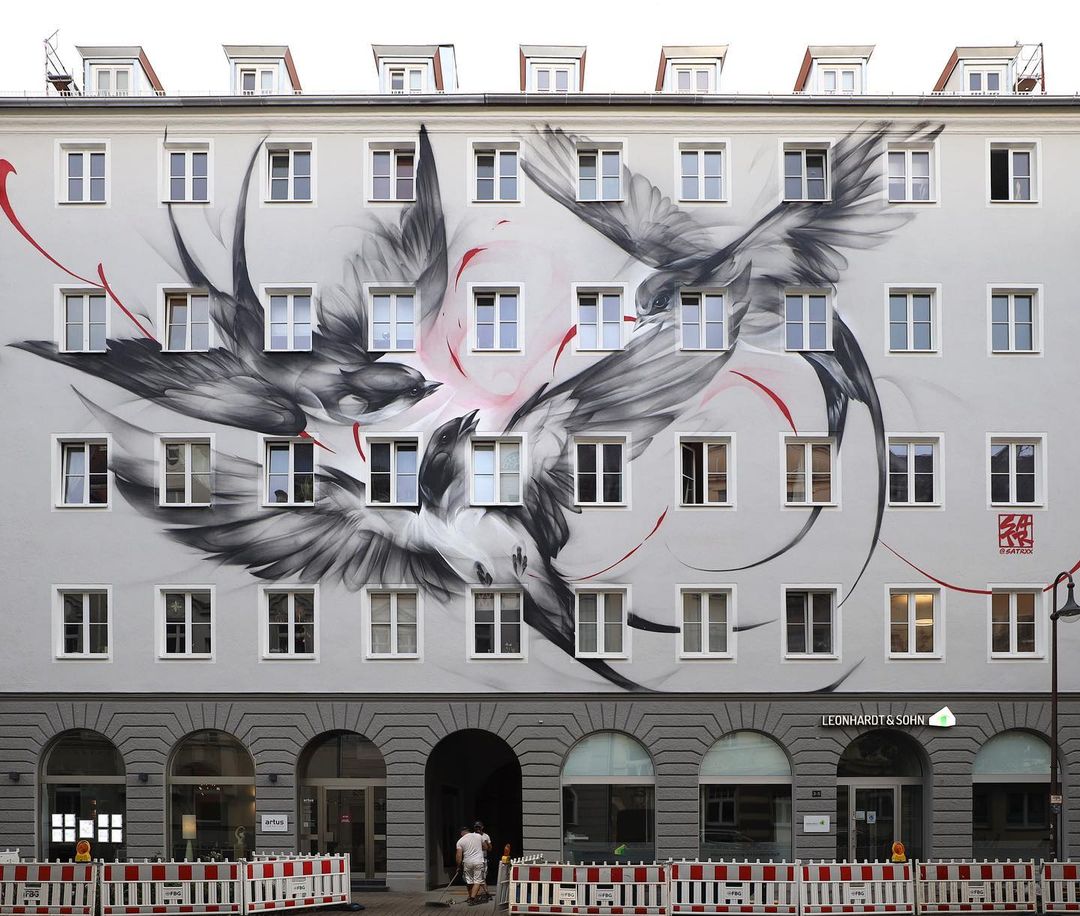
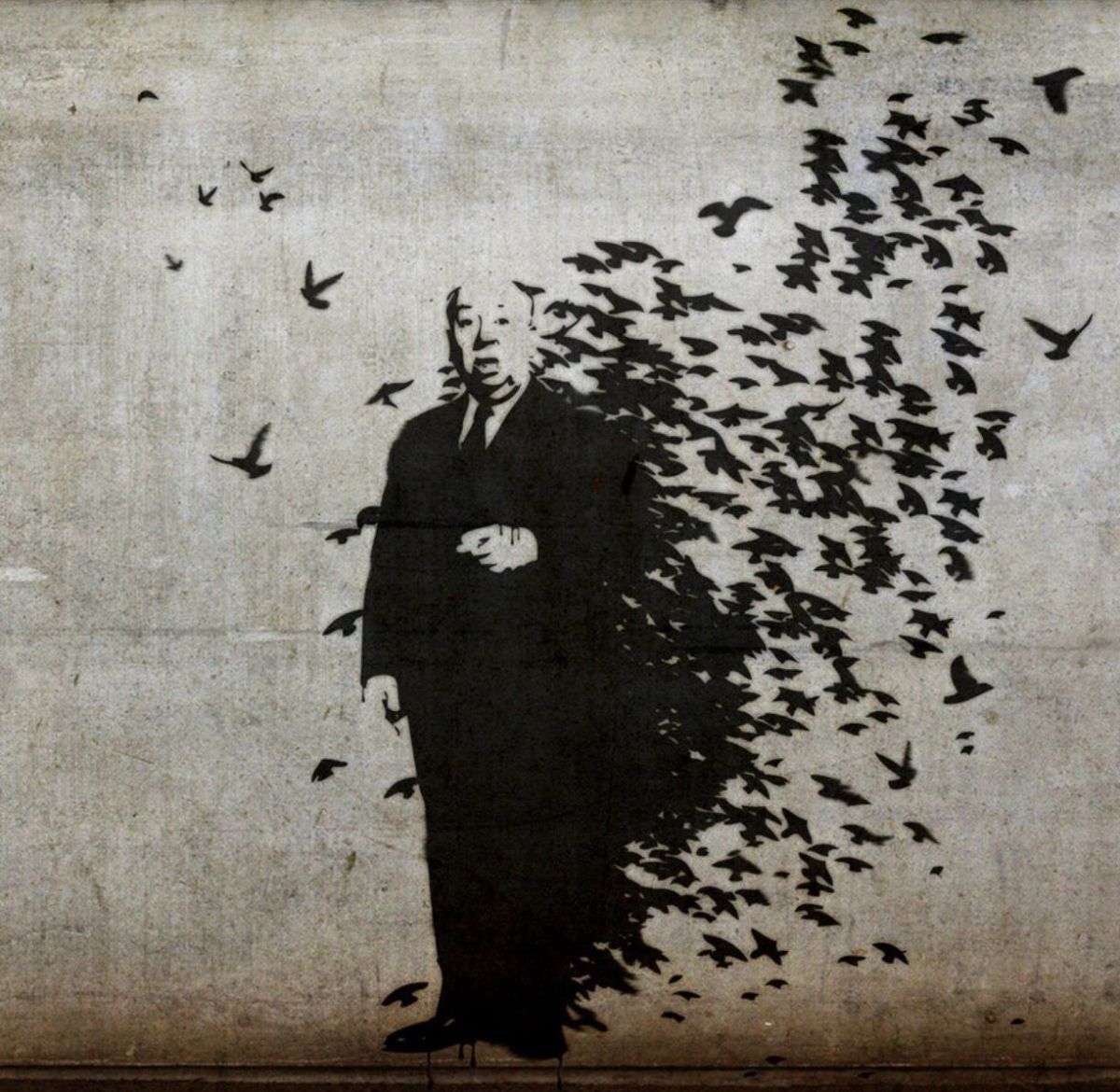
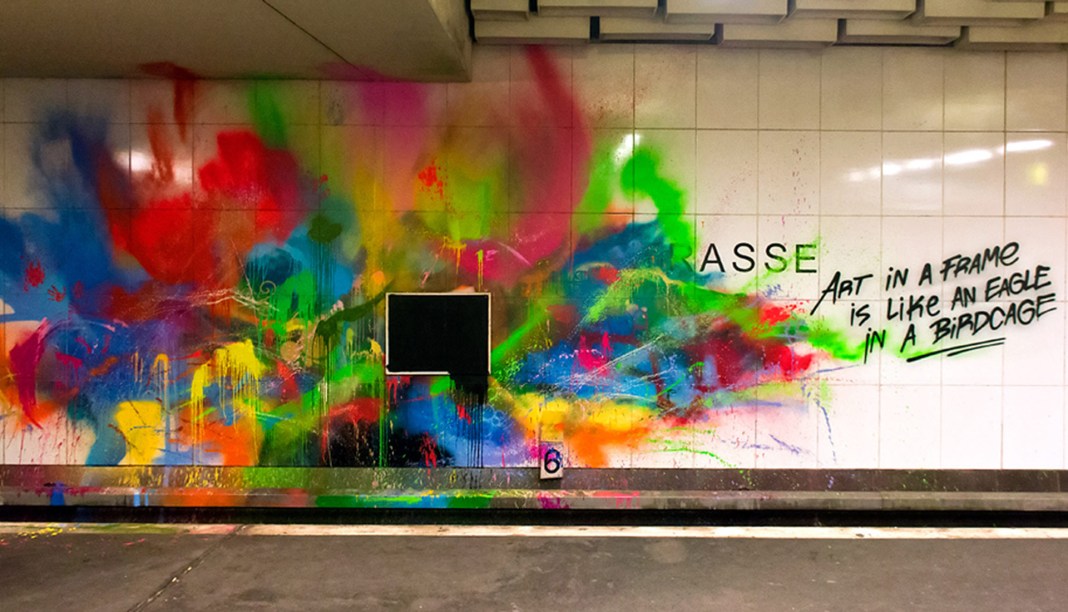
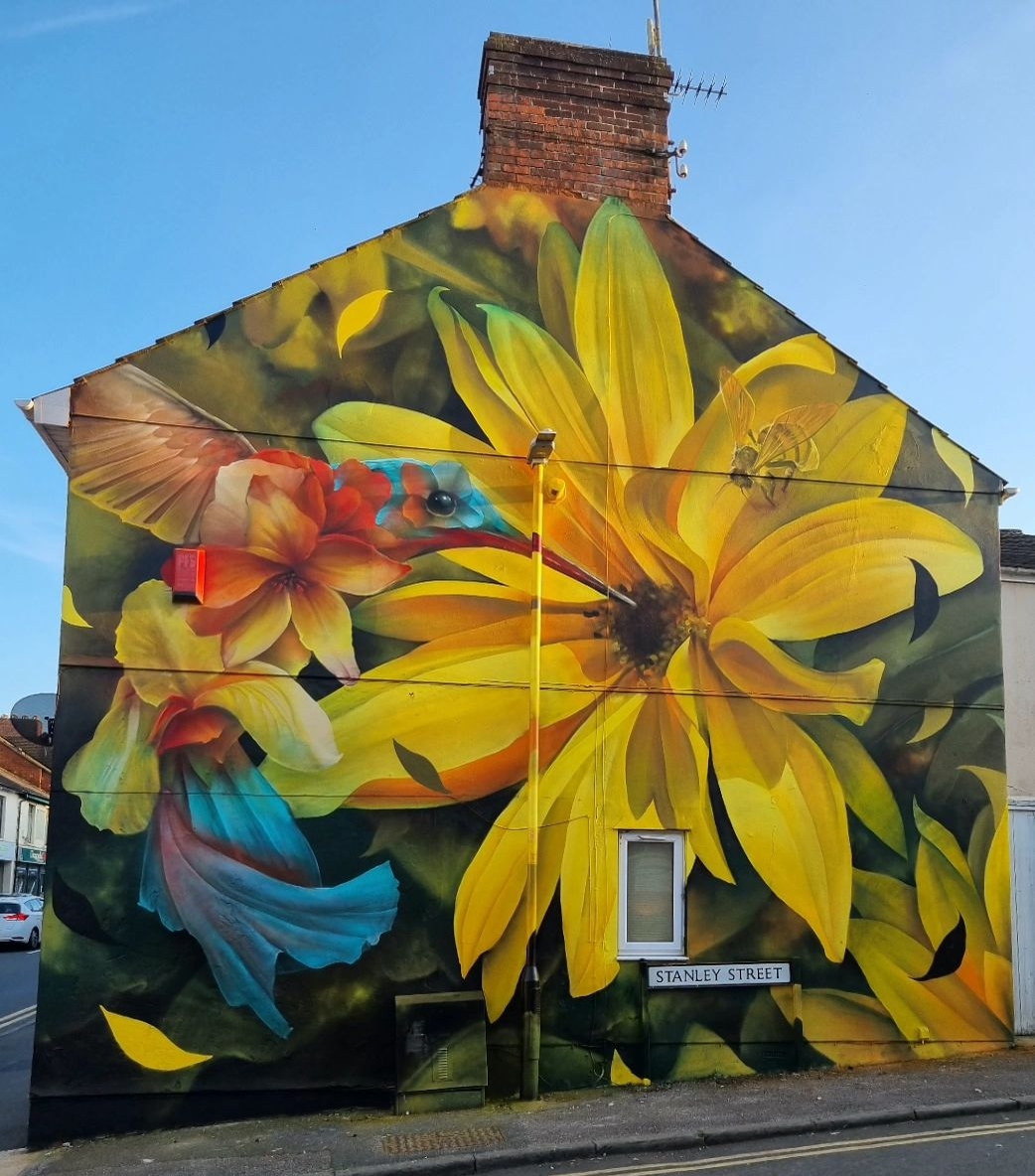
And there you have it – a celebration of the awe-inspiring beauty of bird-inspired street art from around the world! We hope this visual journey has left you with a newfound appreciation for both the artistic talent and the natural wonders that these magnificent creatures represent.
Don’t forget to share your favorite bird-inspired street art finds in the comments below, and keep your eyes peeled for more avian masterpieces in your own urban adventures!
Which piece of street art is your favorite?

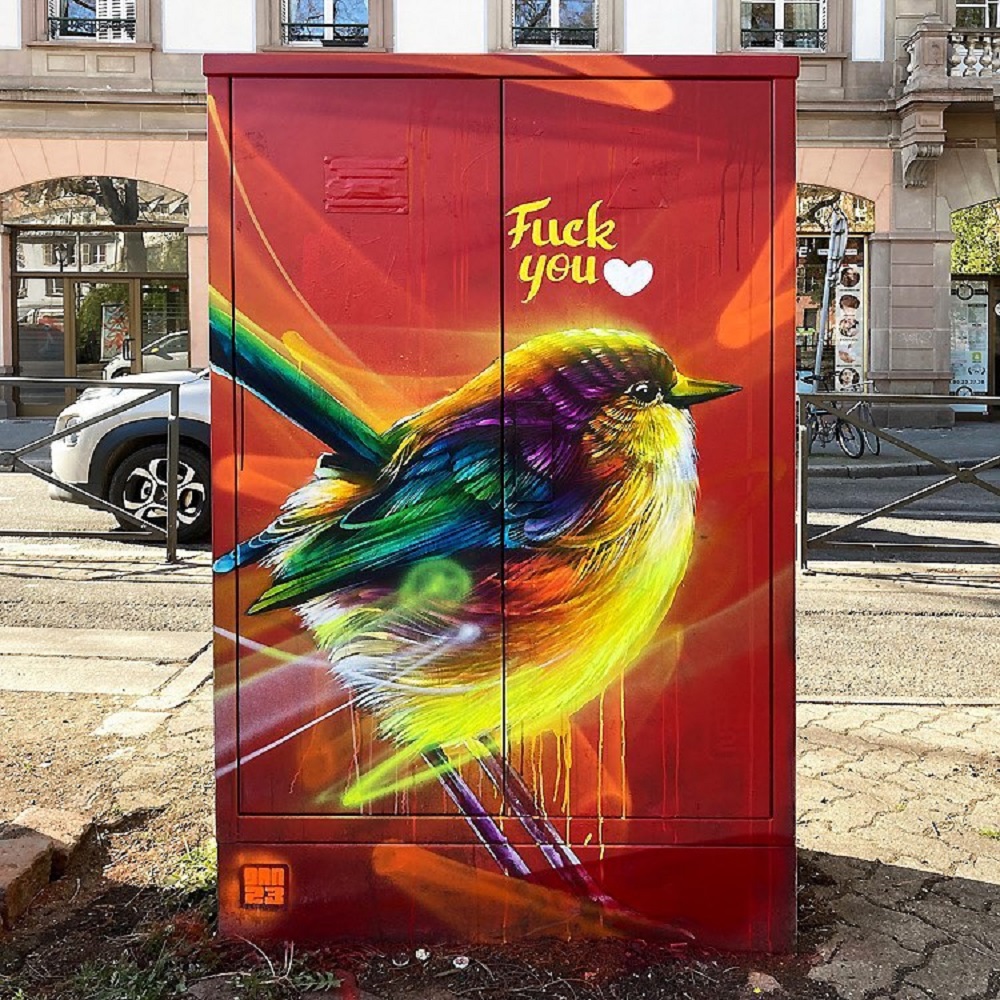
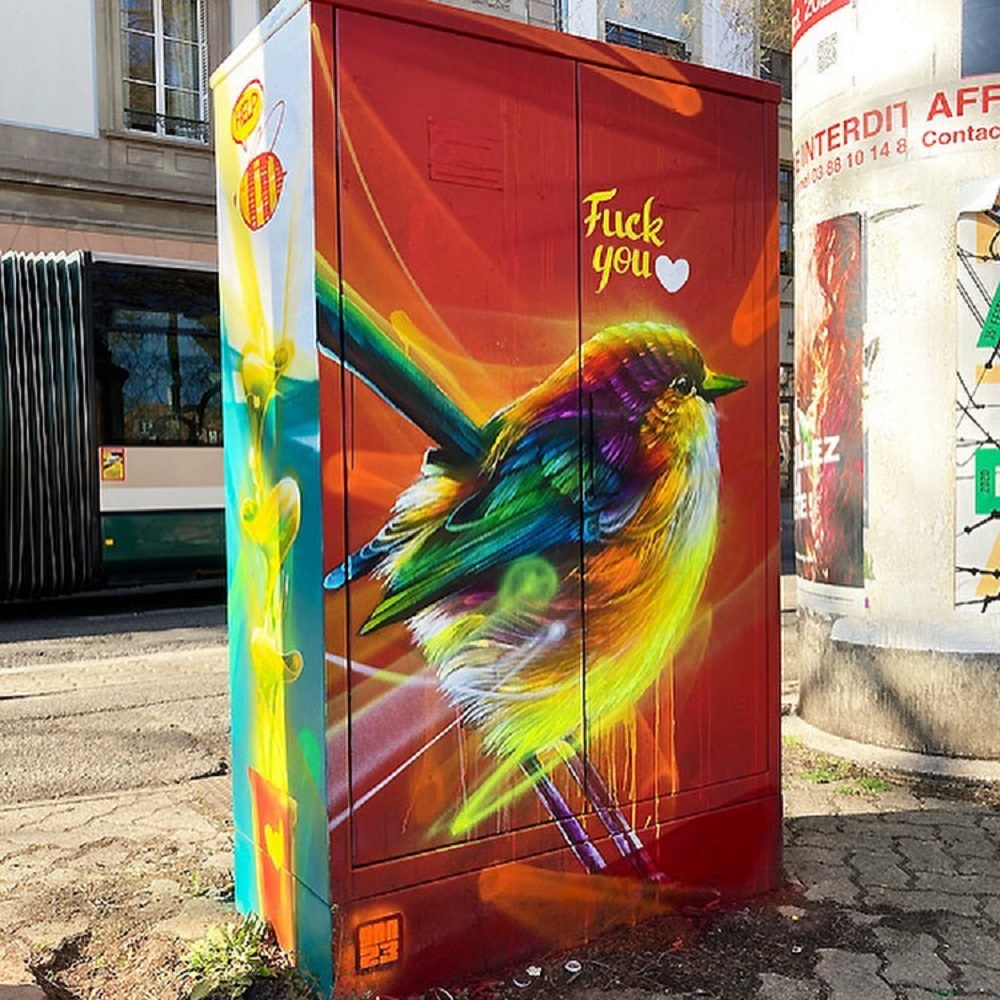
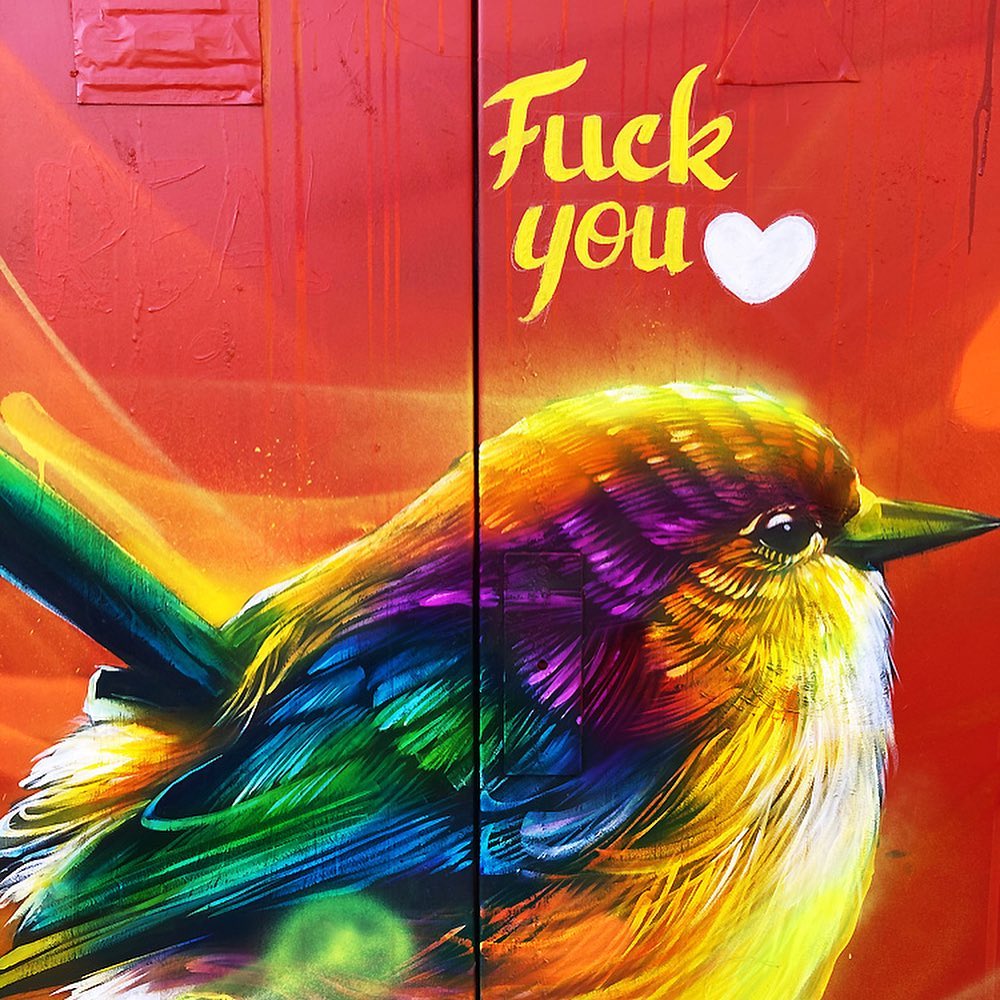
Street Art Bird by DAN23 in Strasbourg, France
Street Artist DAN23
By DAN23 in Strasbourg, France.More: 16 Stunning Bird-Inspired Street Art Murals from Around the World
Comments:
Fuck you ❤ pic.twitter.com/8mJsJPHae8— STREET ART UTOPIA 🖼️ (@StreetArtUtopia) February 8, 2022

Banksy’s Iconic Street Art: 100 Stunning Photos
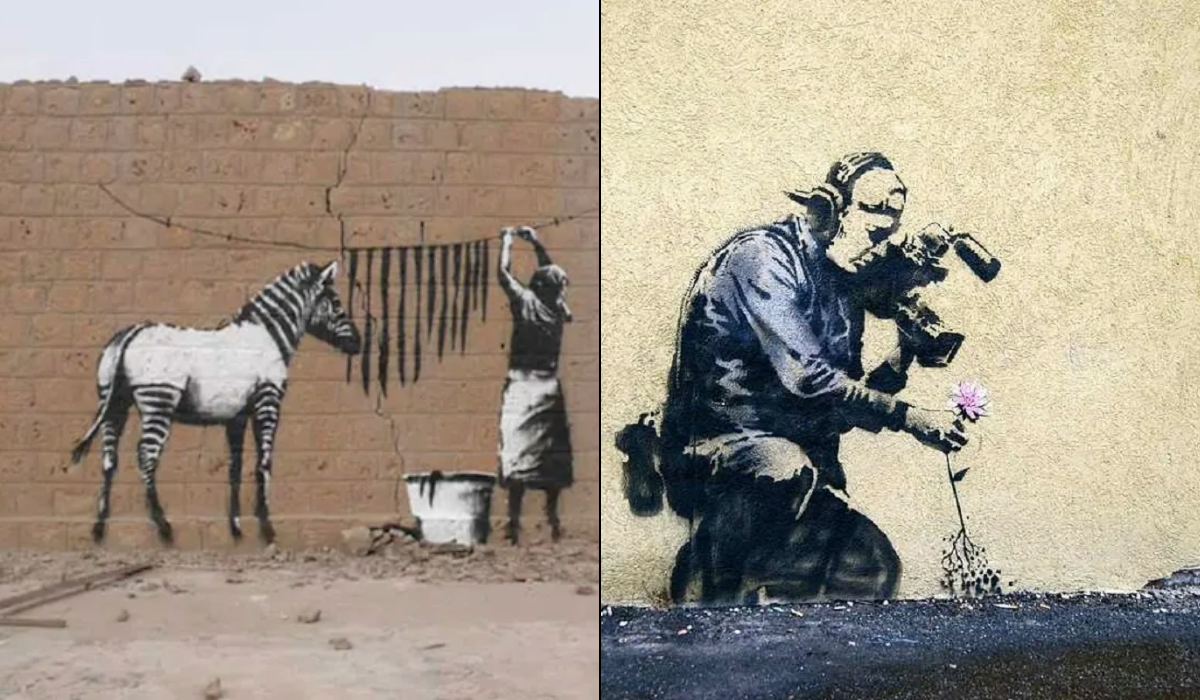
Content warning: Banksy is a pseudonymous England-based street artist, political activist, and film director. His satirical street art and subversive epigrams combine dark humor with graffiti executed in a distinctive stenciling technique.
Street Artist Banksy
Banksy is a pseudonymous England-based street artist, political activist, and film director. His satirical street art and subversive epigrams combine dark humor with graffiti executed in a distinctive stenciling technique. His works of political and social commentary have been featured on streets, walls, and bridges of cities throughout the world. Banksy’s identity remains unknown, but it is believed that he was born in Bristol, England in the mid-1970s. The artist’s work is widely recognized and has been widely sold, with record auction prices for his artworks.
More: 24 artworks by Banksy: Who Is The Visionary of Street Art
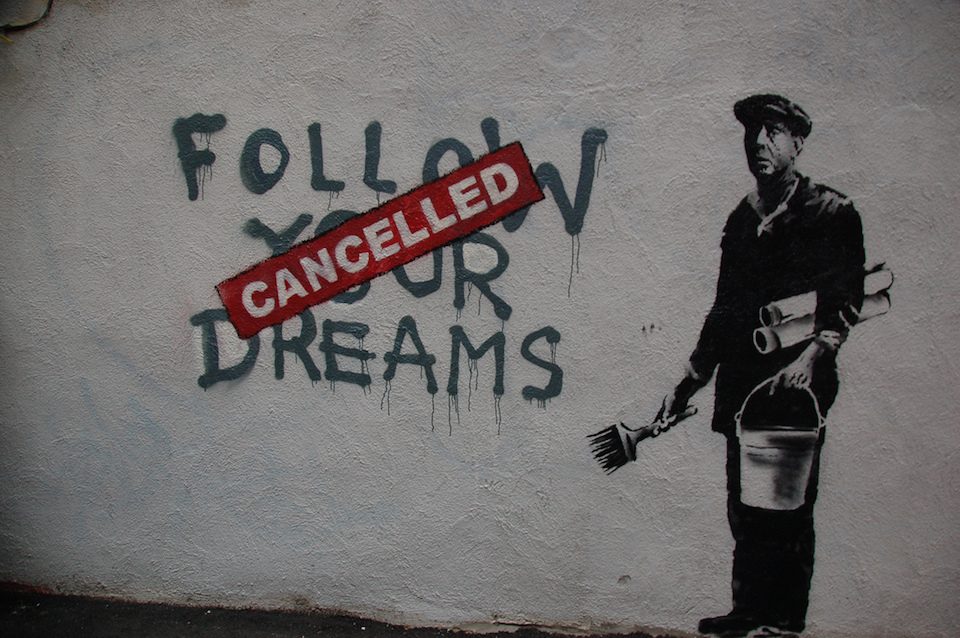
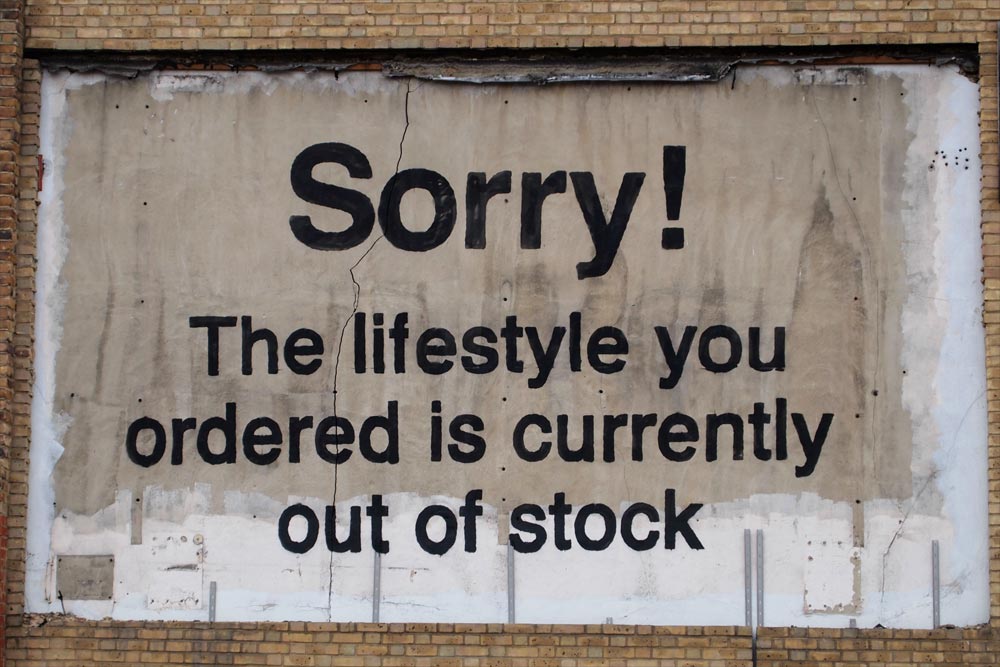
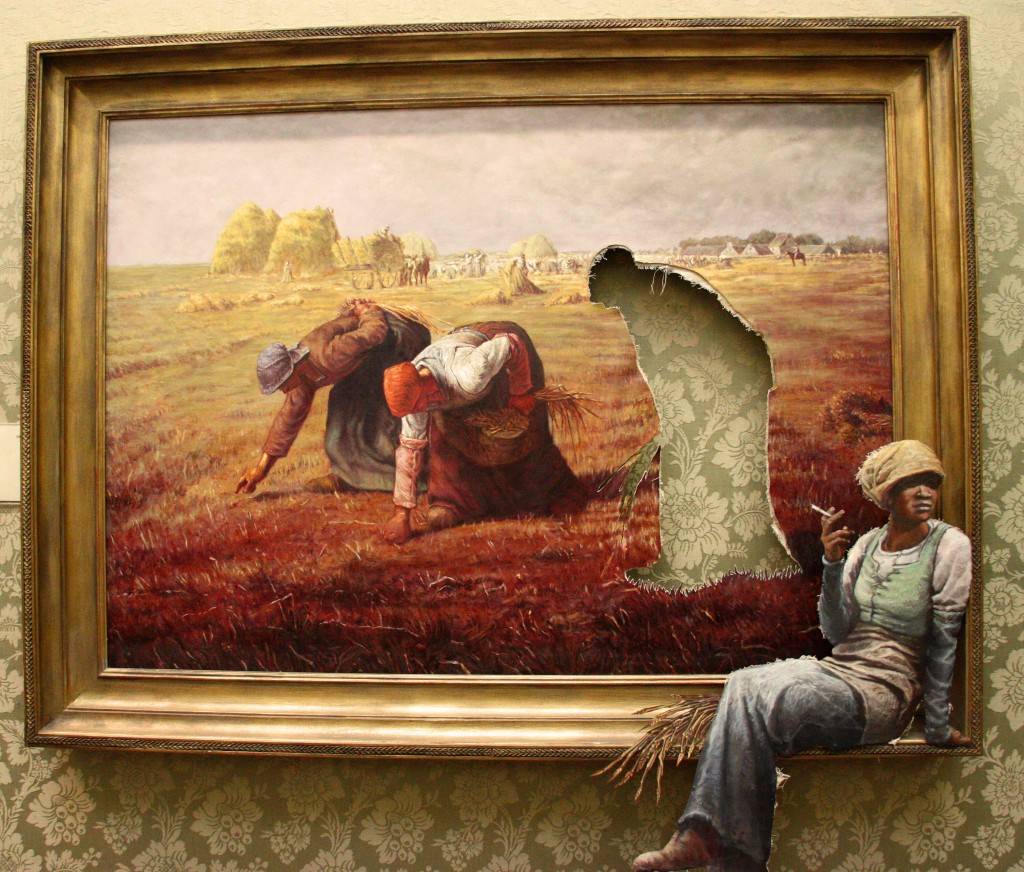
Who are Banksy?
Banksy is a pseudonymous artist, therefore, it is not known for certain how he began his career. However, it is believed that he started out as a graffiti artist in Bristol, England in the early 1990s. Bristol is known for its vibrant street art scene, and it is thought that Banksy was heavily influenced by this during his formative years as an artist.
It is said that Banksy began using stencils in his graffiti in the late 1990s, which allowed him to create more intricate and detailed images than he could with traditional spray-painting techniques. This is when his works started to gain recognition and fame.
Banksy’s early work often featured simple, bold designs with a strong political or social message. As his career progressed, he began to incorporate more complex imagery and humor into his art.
In the early 2000s, Banksy began to gain international recognition for his street art and his works began to appear in cities around the world.
Banksy has also been involved in other forms of art, including sculpture, painting, and film-making. He has also curated exhibitions and organized projects that aim to challenge the traditional art world.
In summary, Banksy’s career as an artist began in Bristol, England in the early 1990s as a graffiti artist, he later began using stencils in his graffiti and his works started to gain recognition and fame, he gained international recognition in the early 2000s and has been involved in other forms of art and curatorial projects.
More: Street Art Legend Banksy Reveals His Name in a Rare BBC Interview
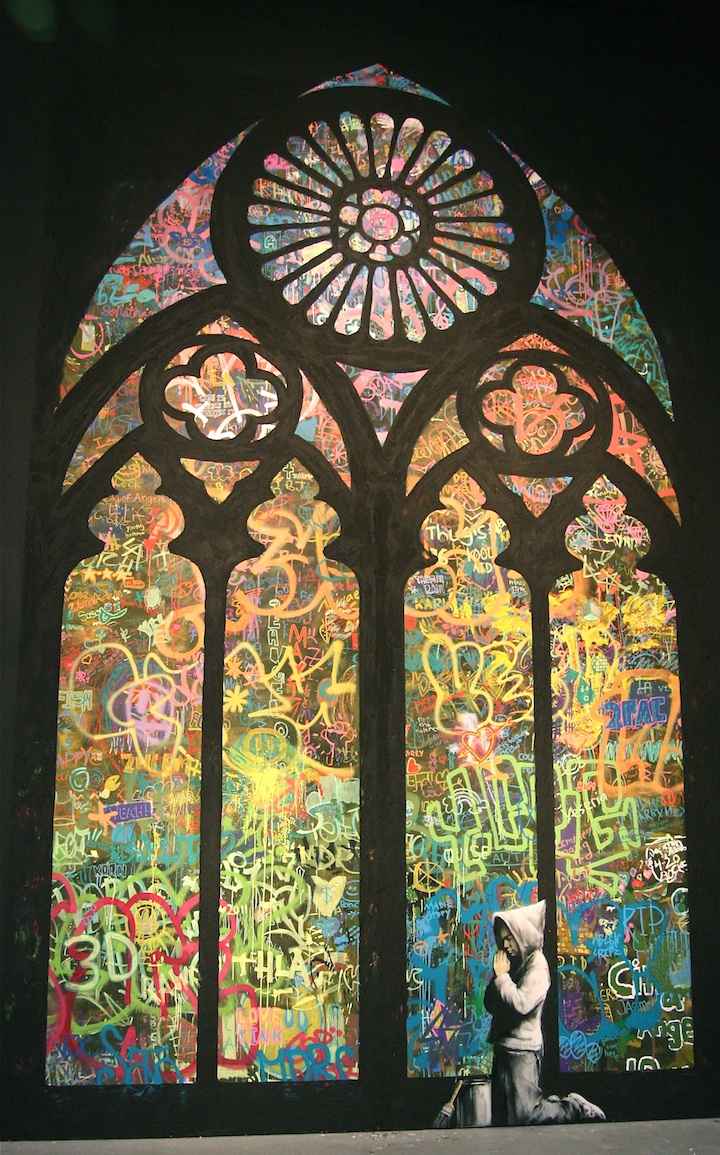
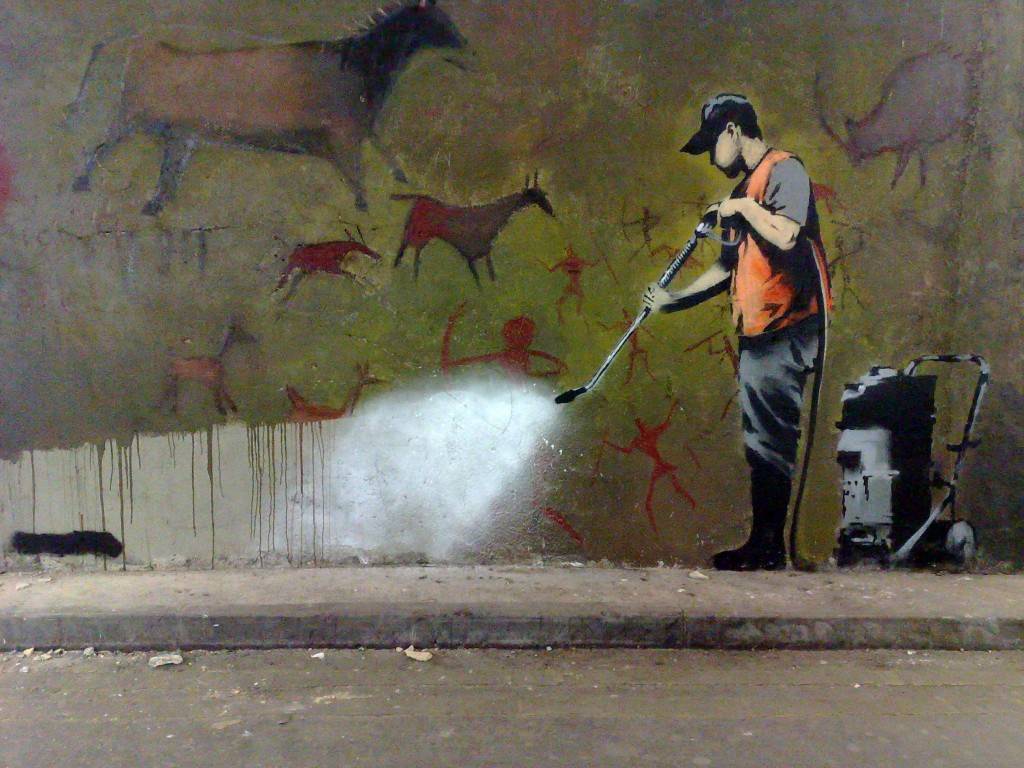
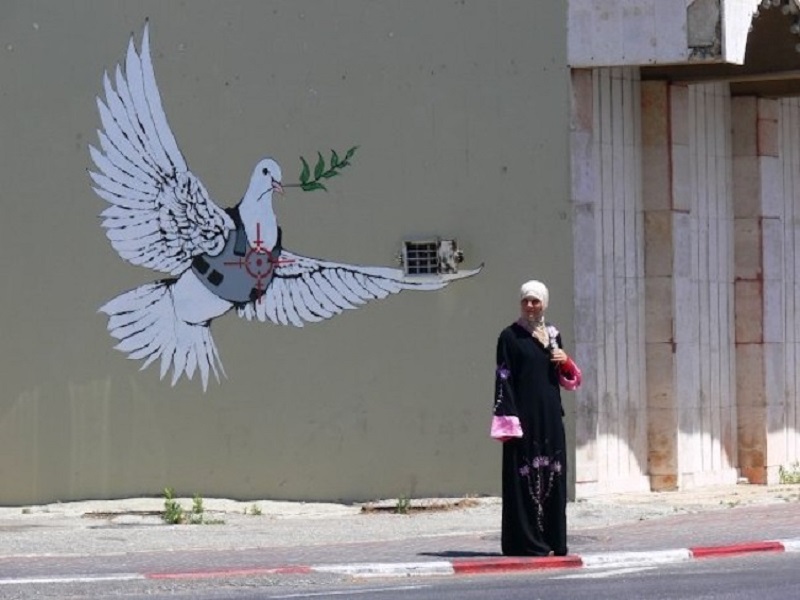
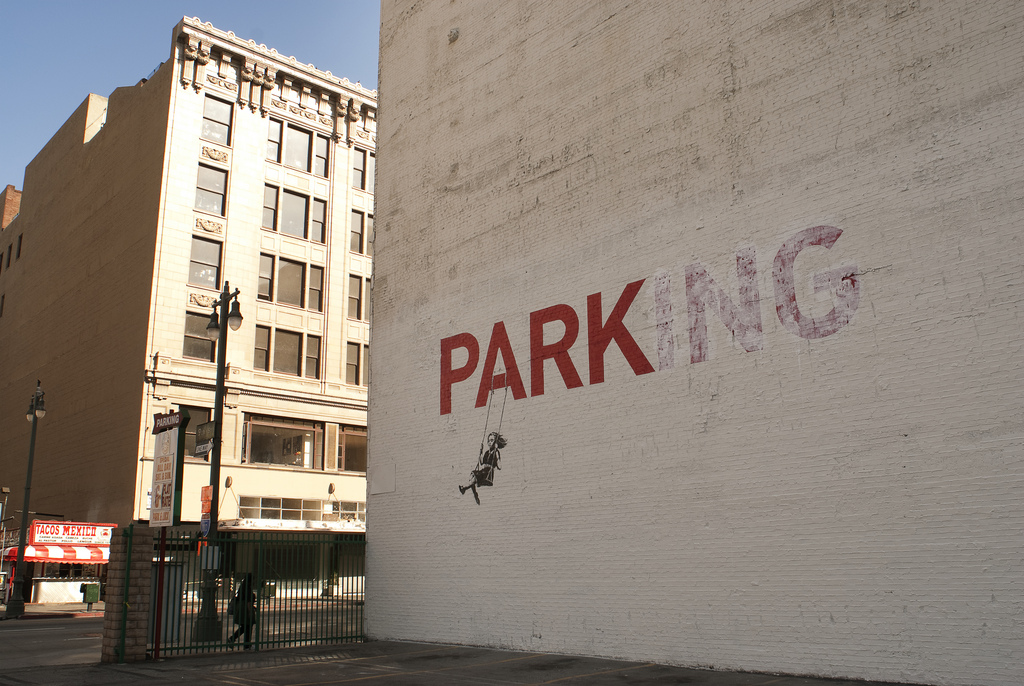
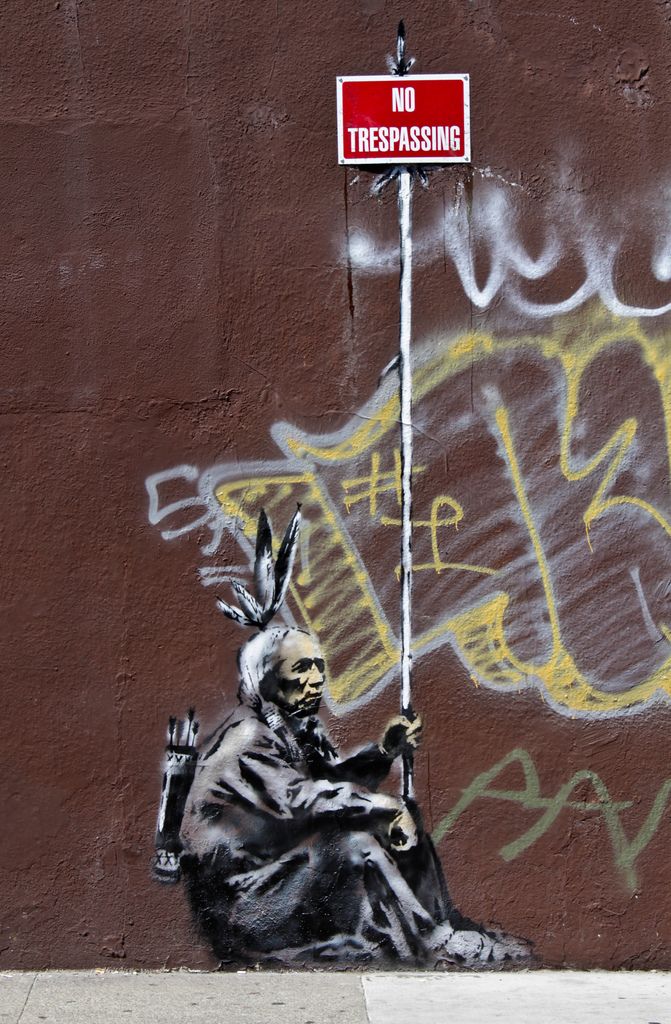
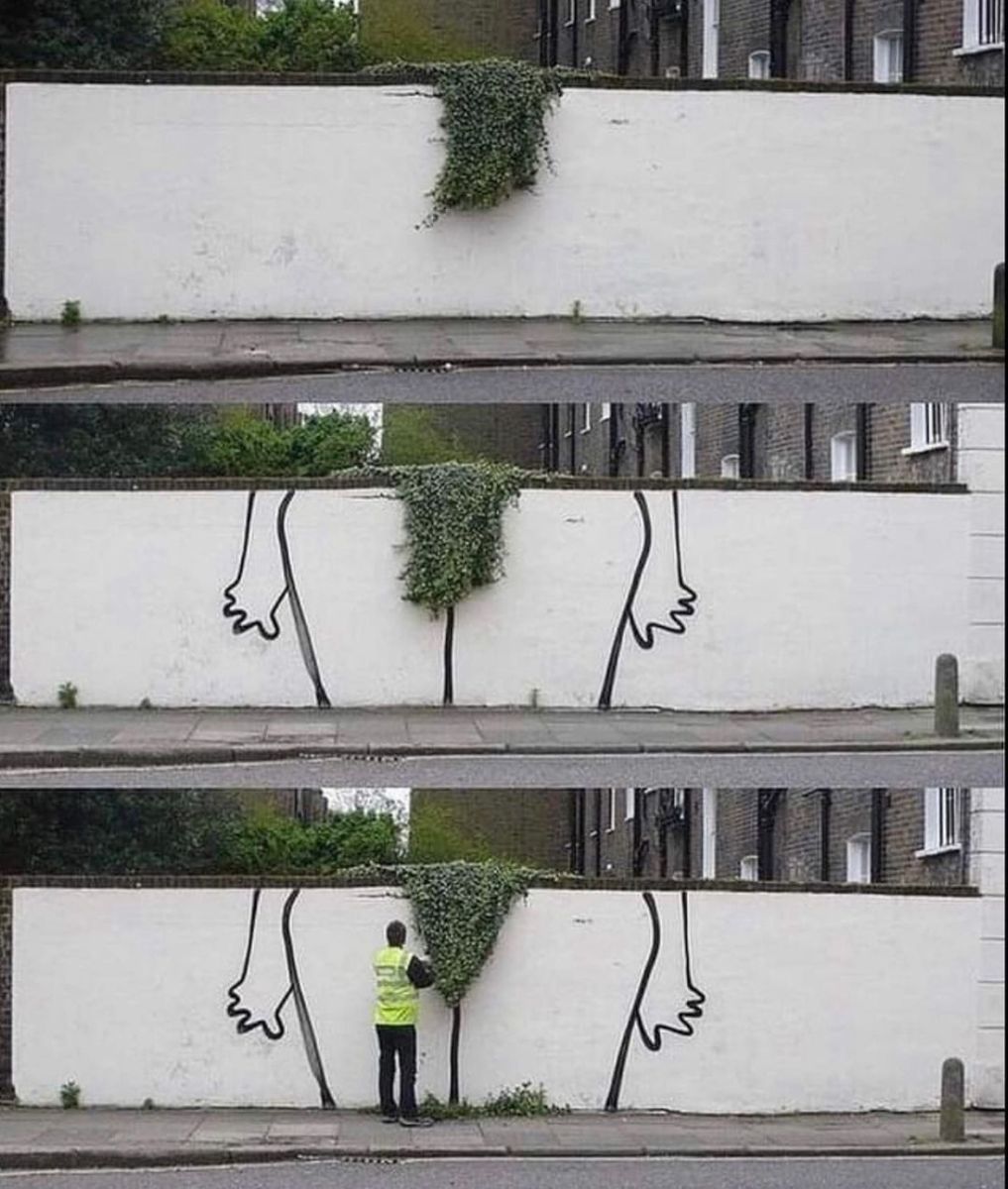
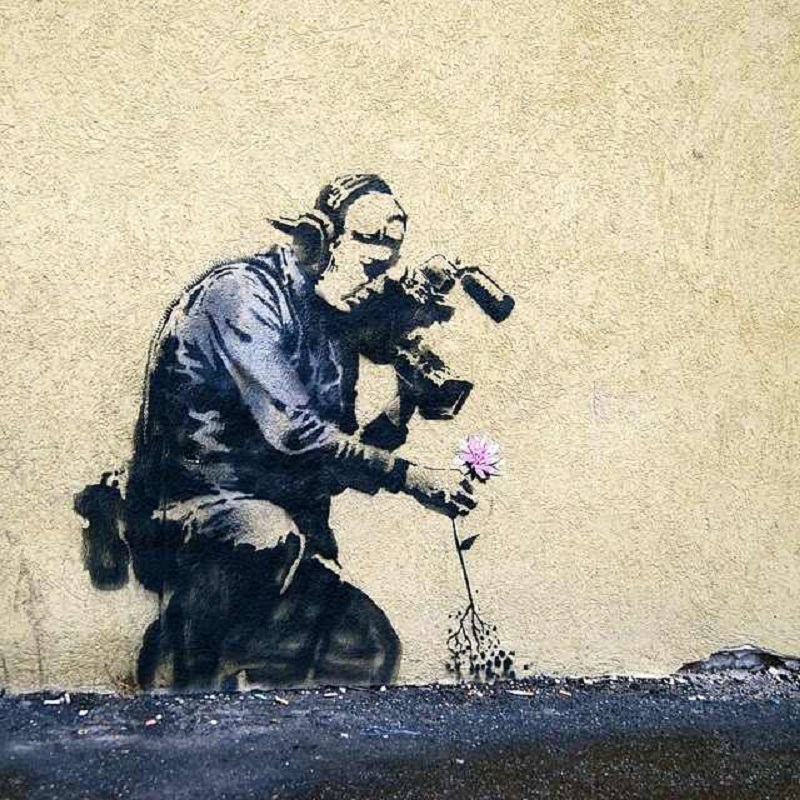
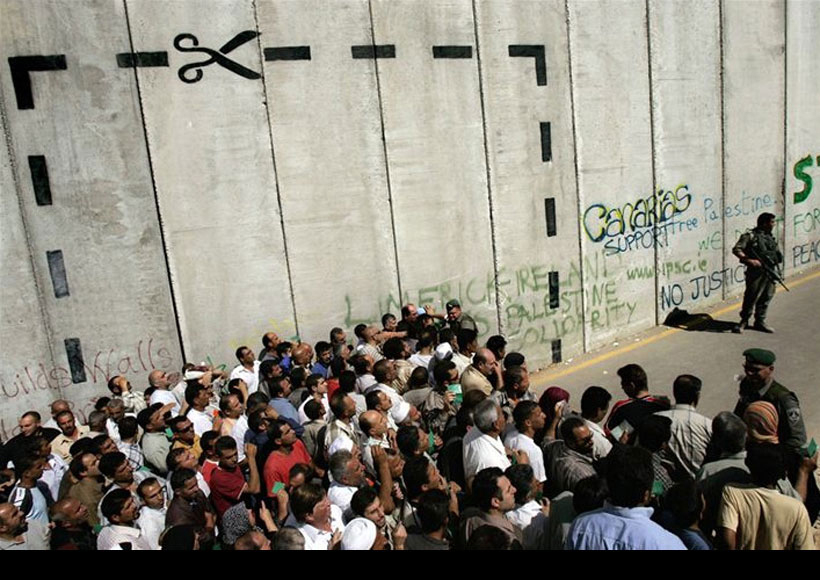
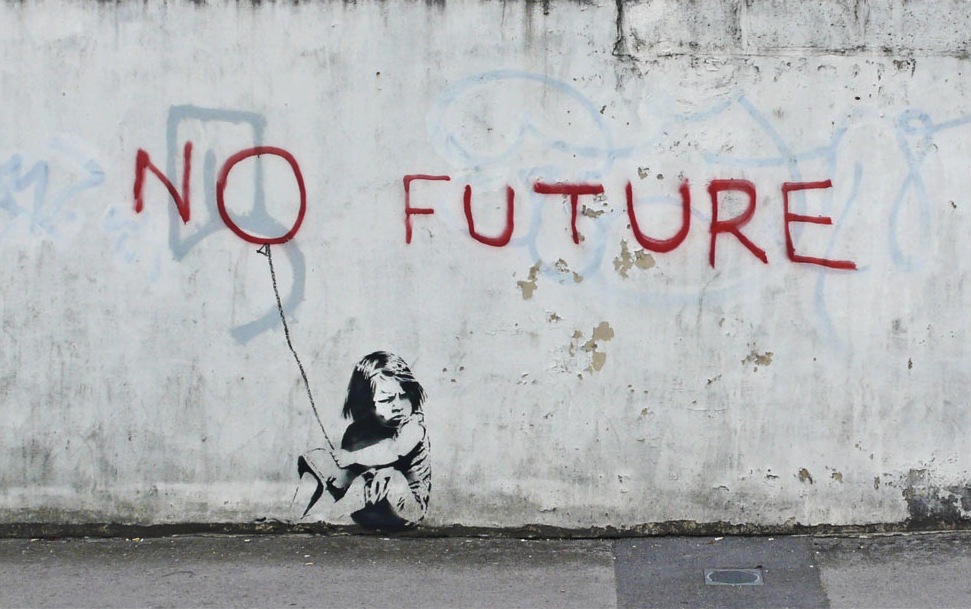
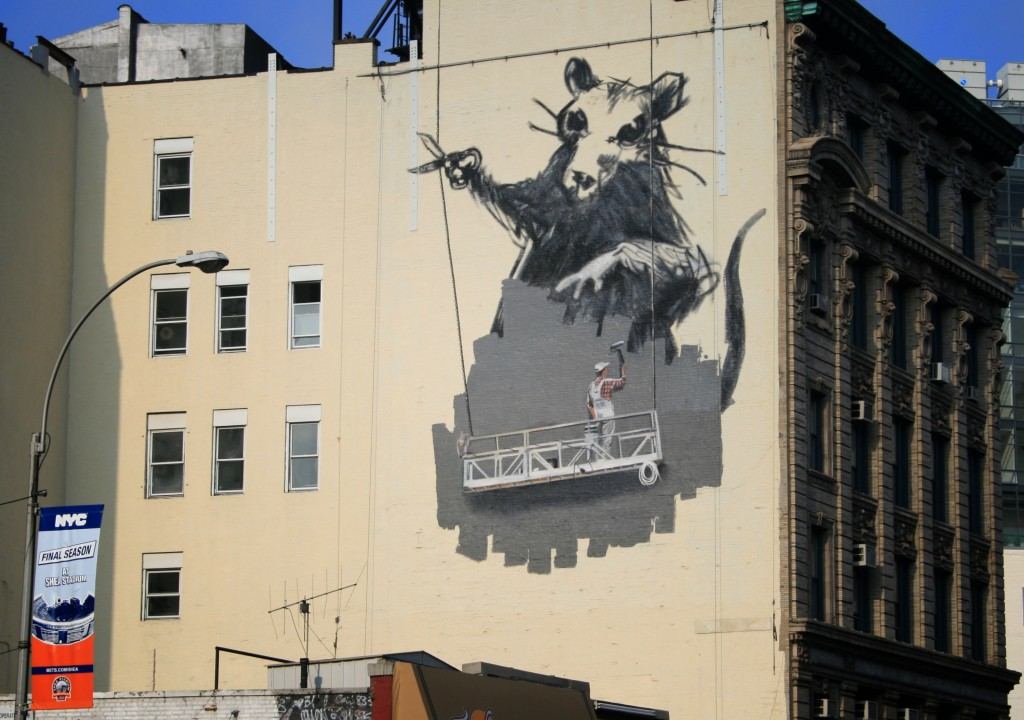
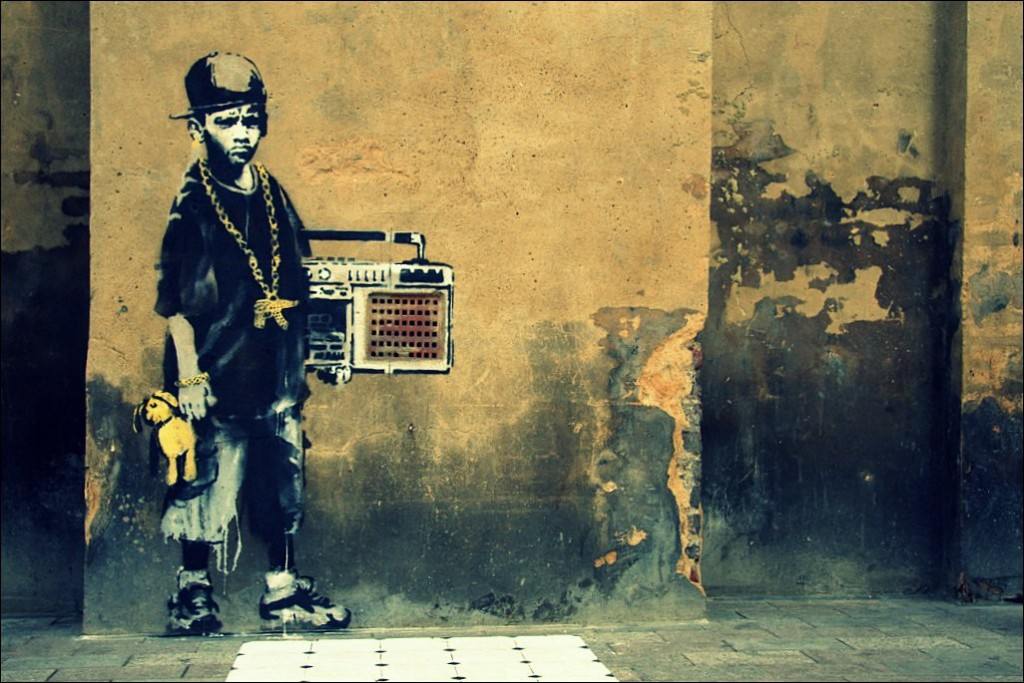
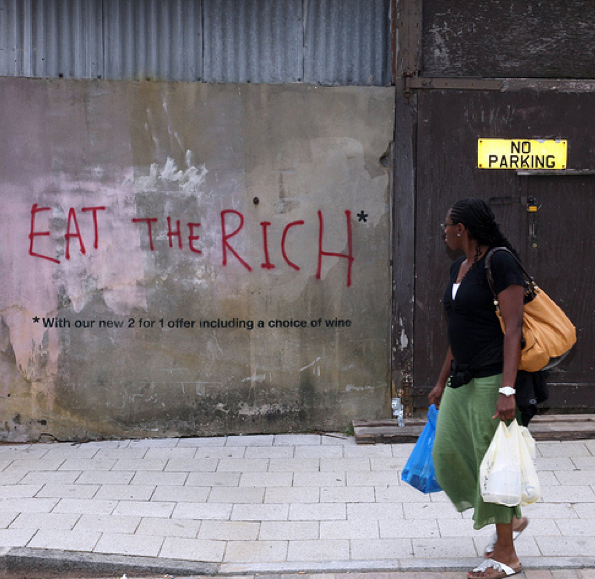
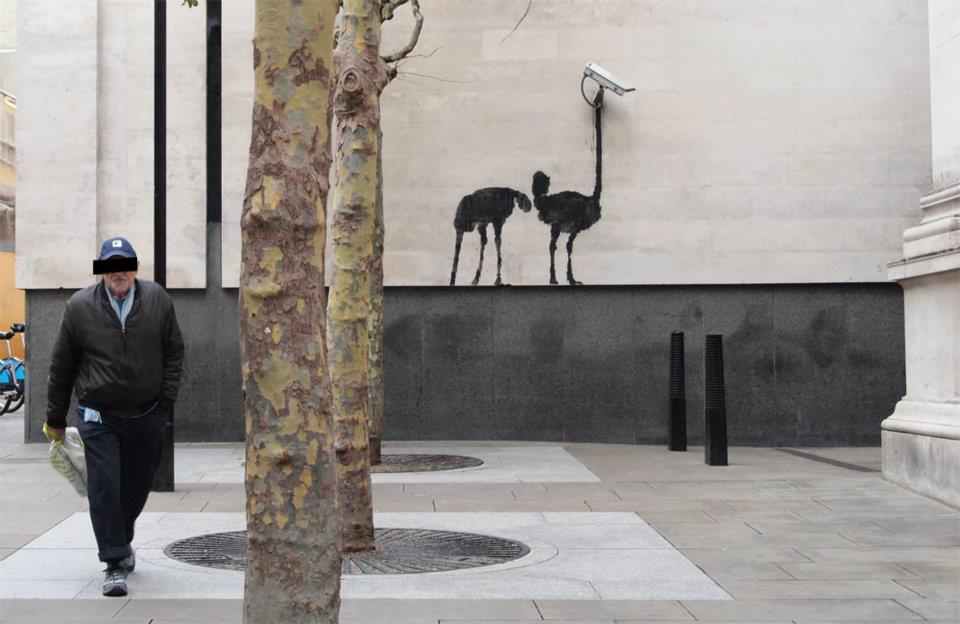
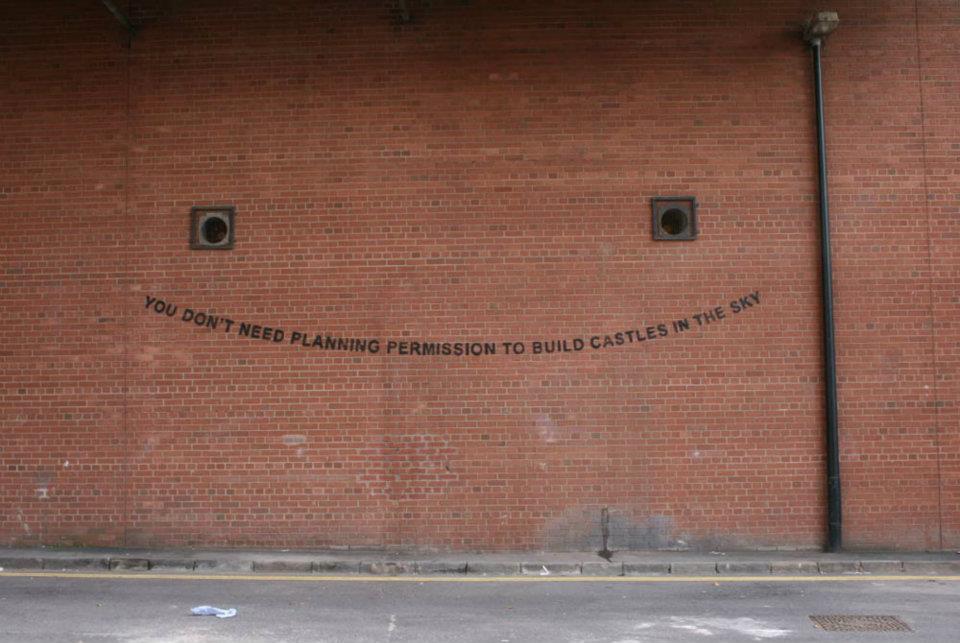
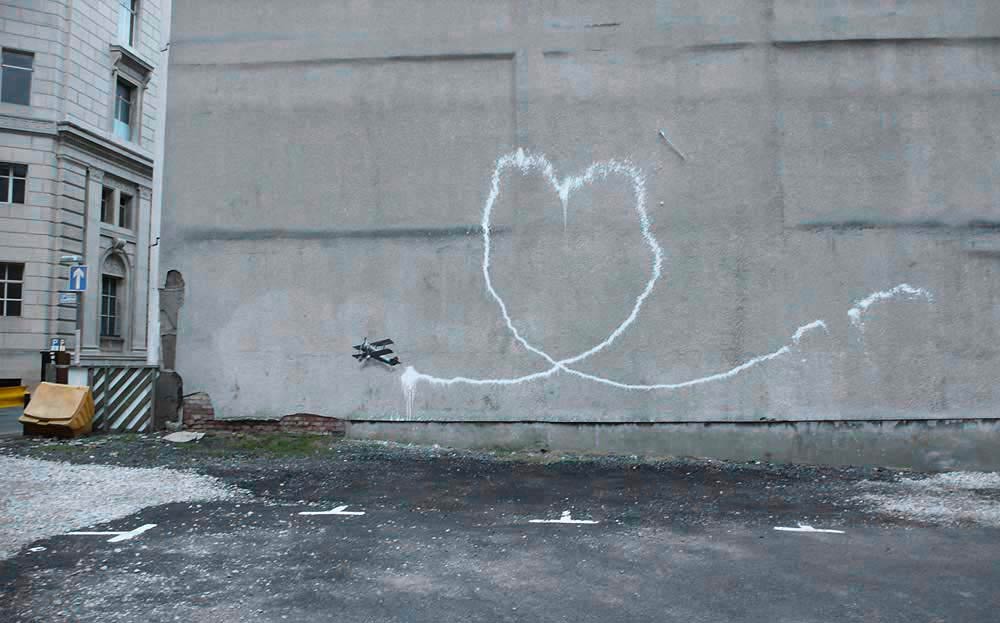
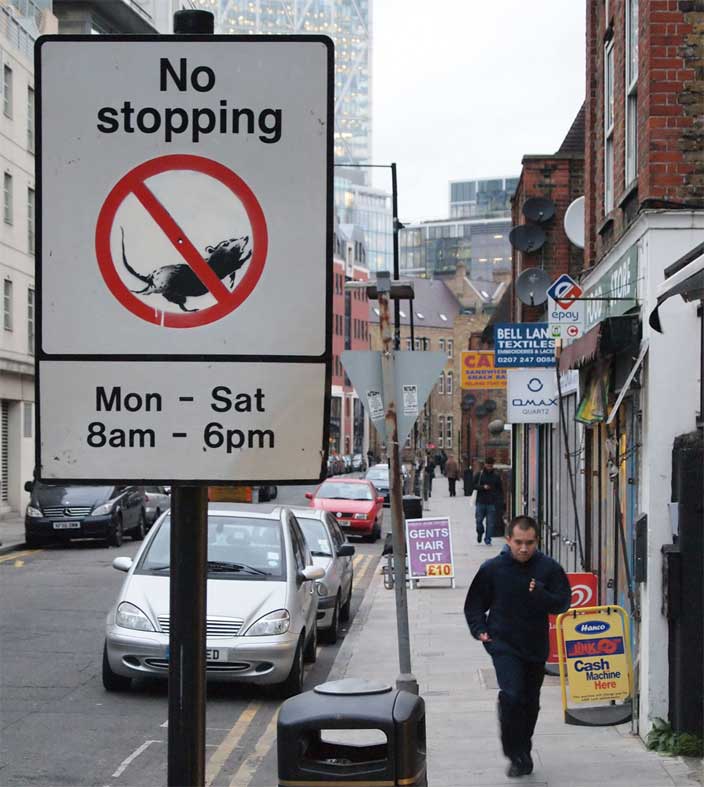
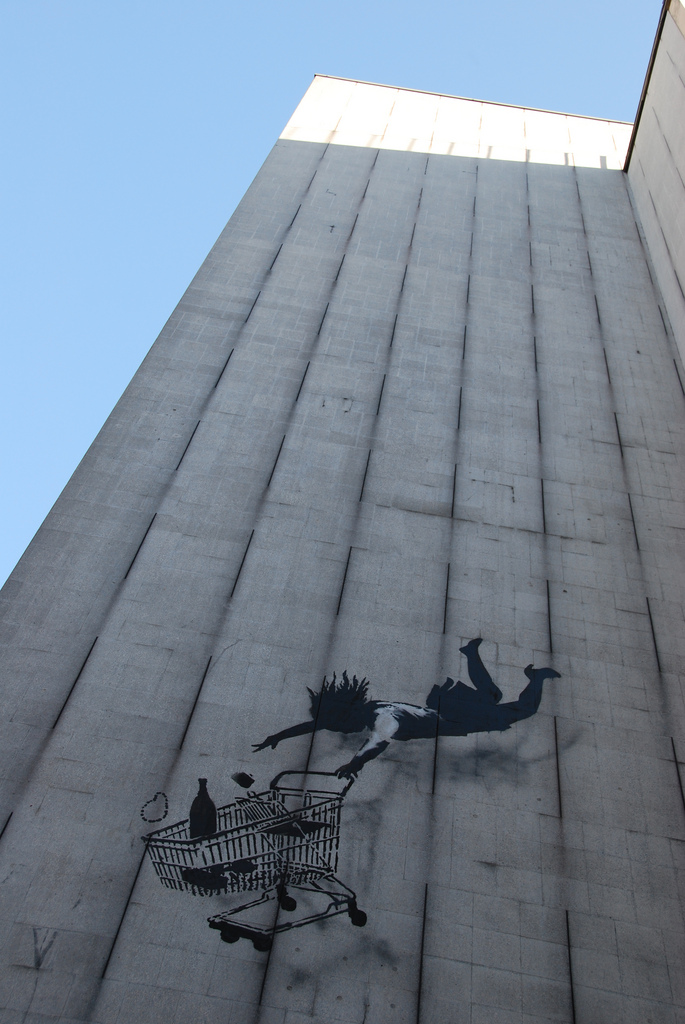
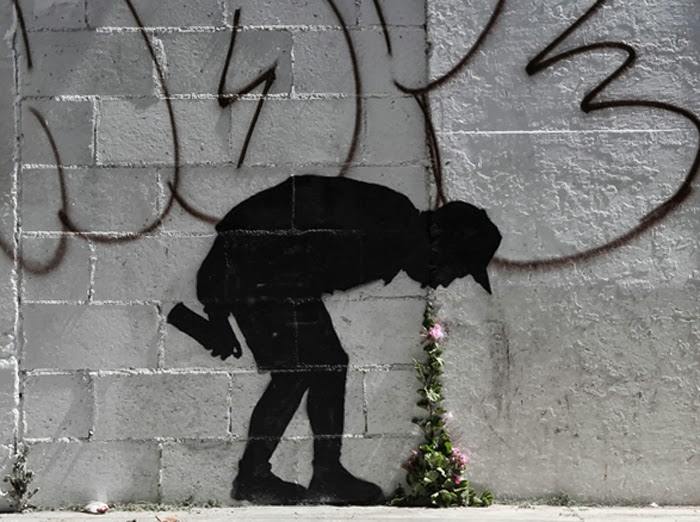
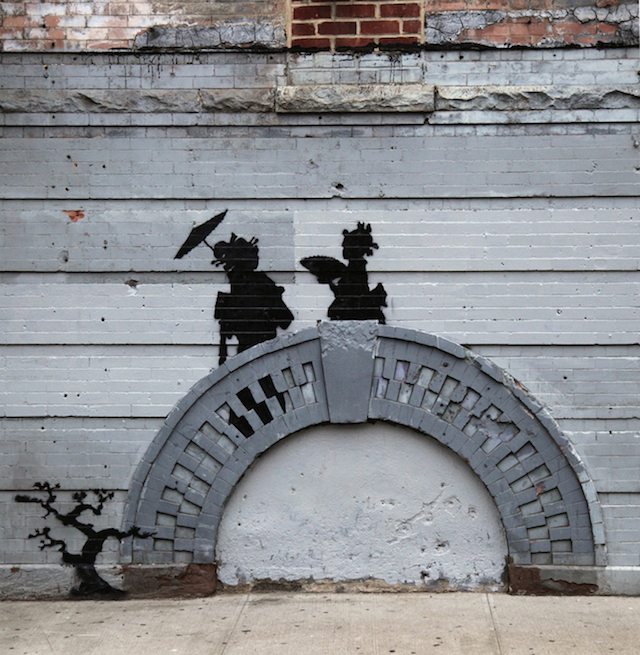
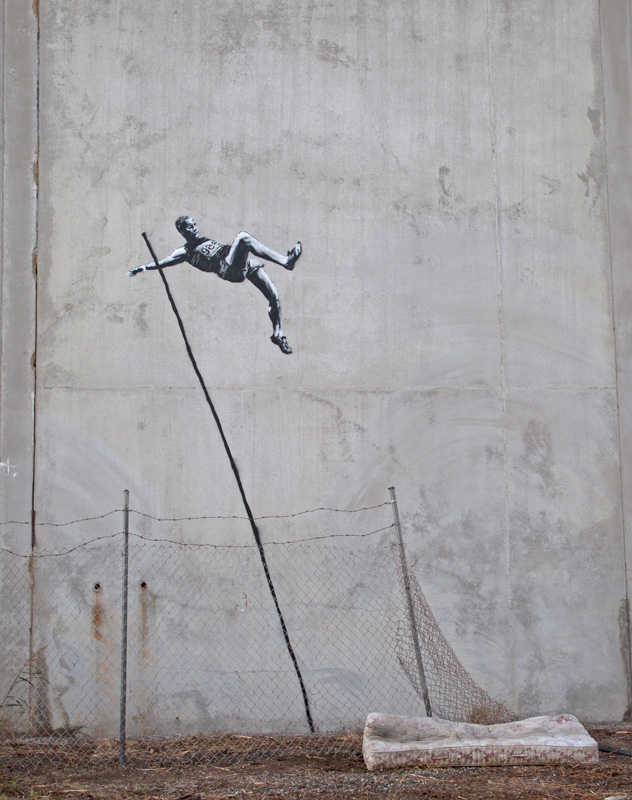
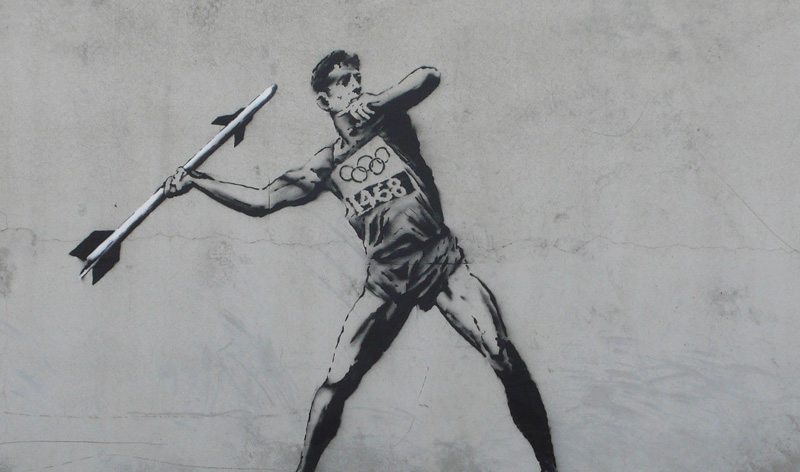
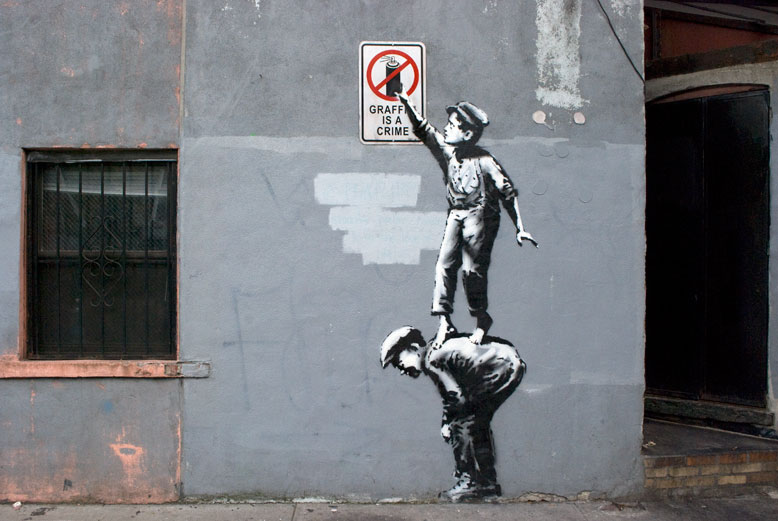
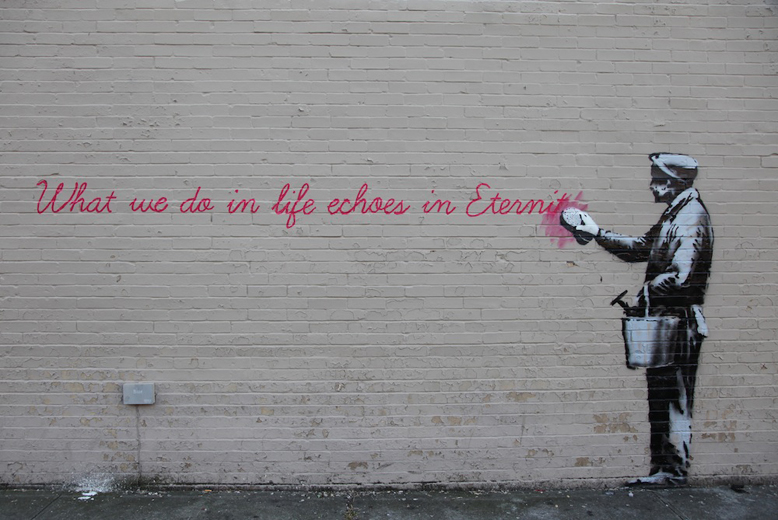
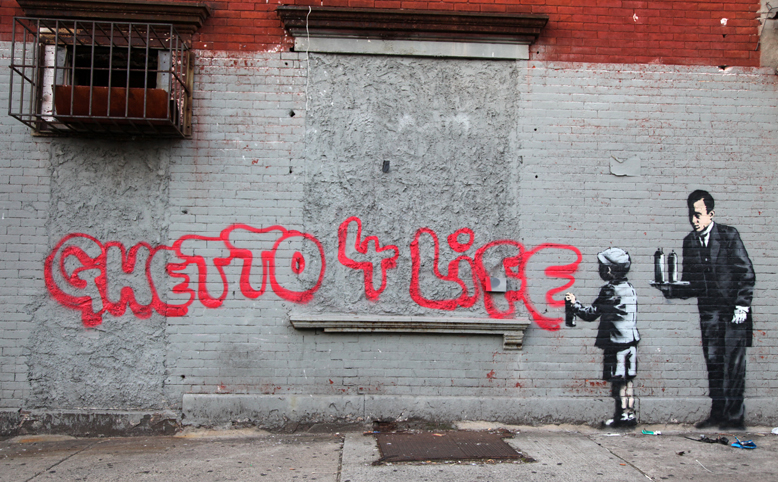
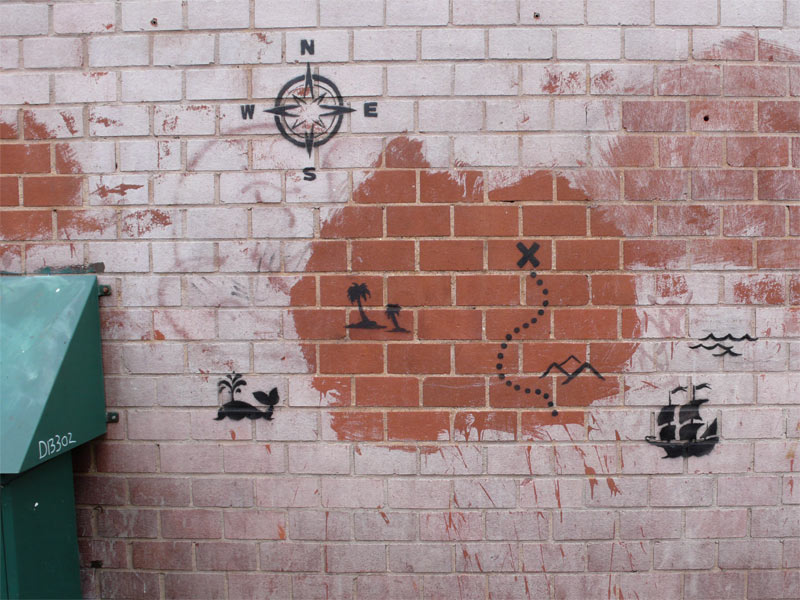
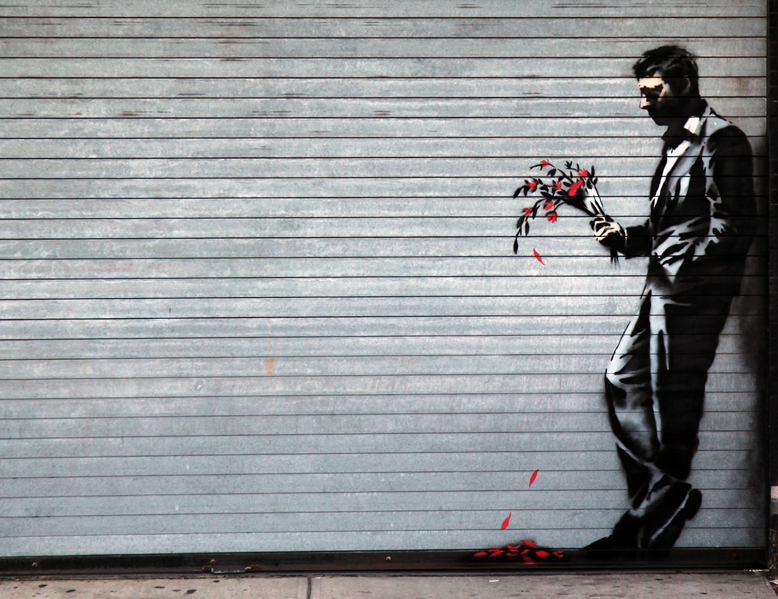
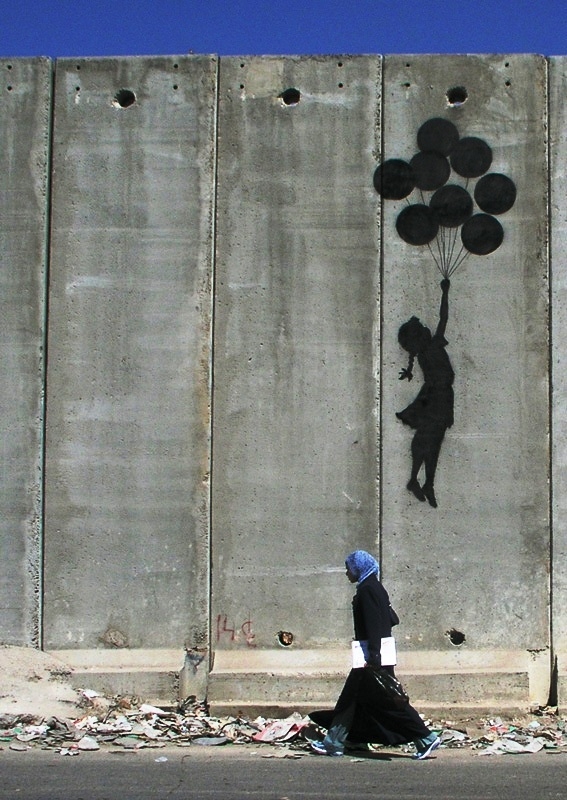
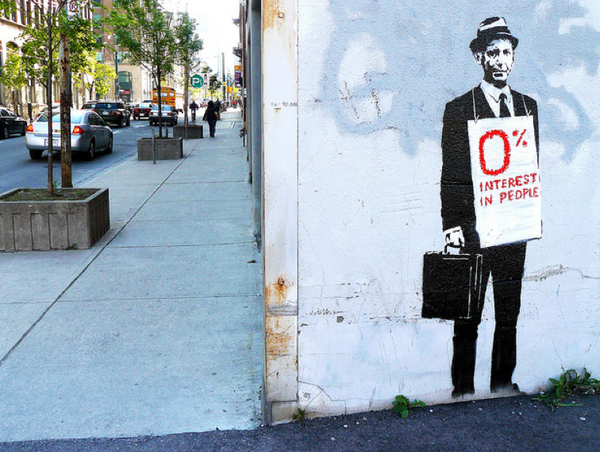
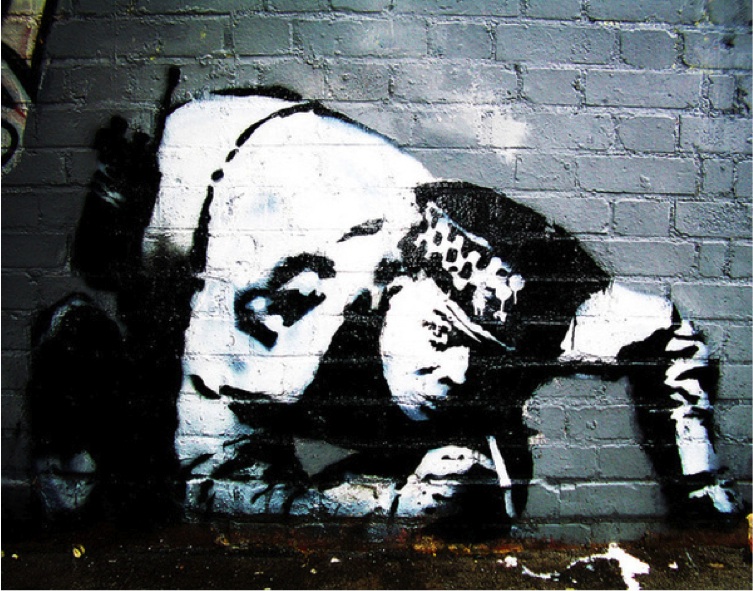
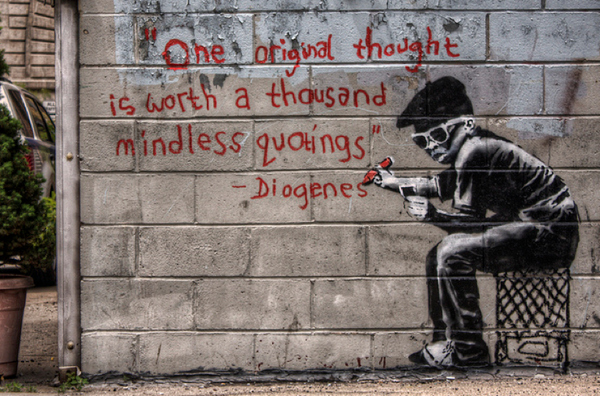
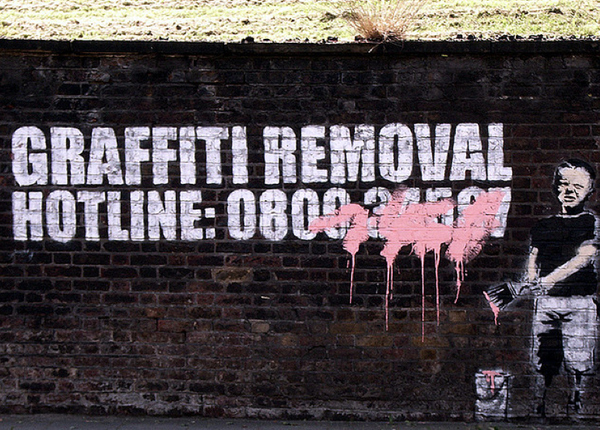
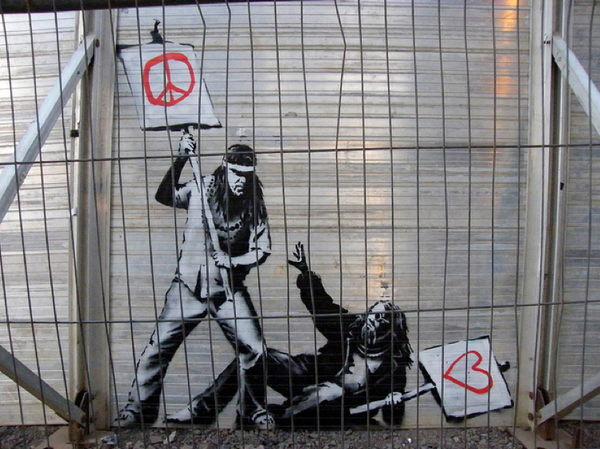
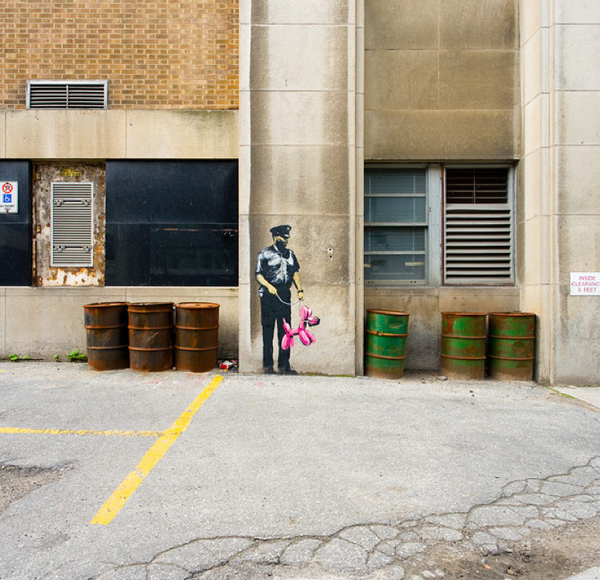
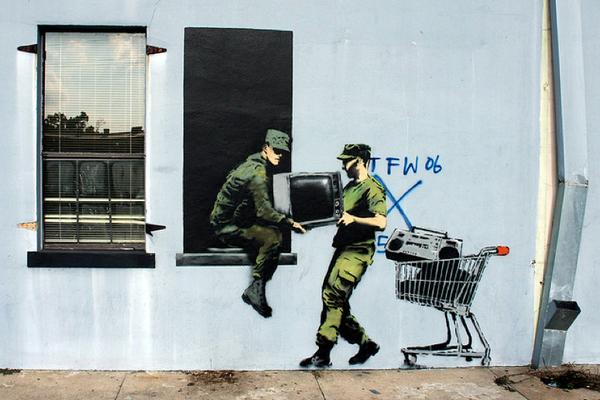
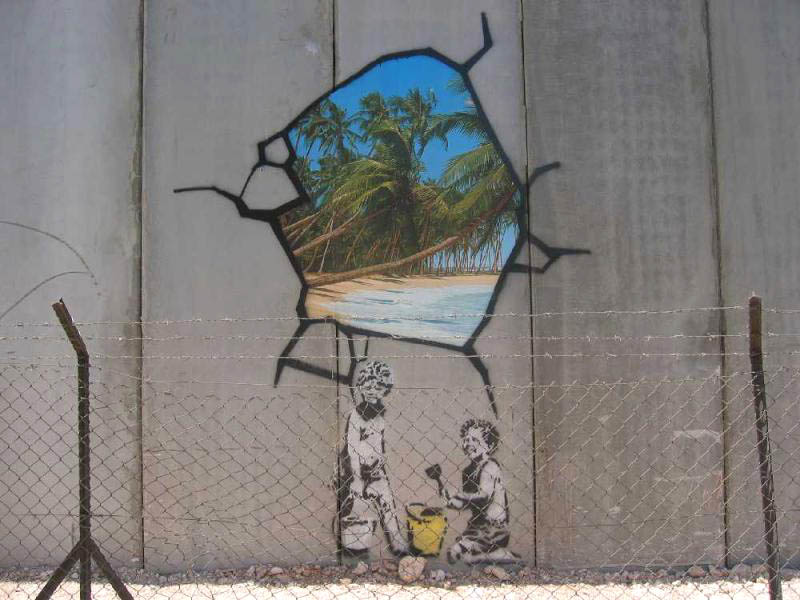
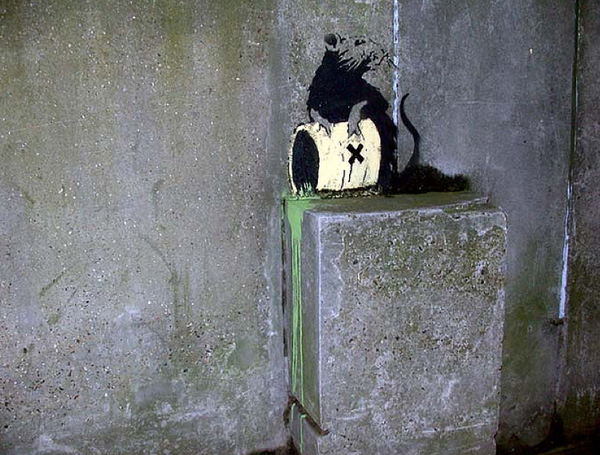
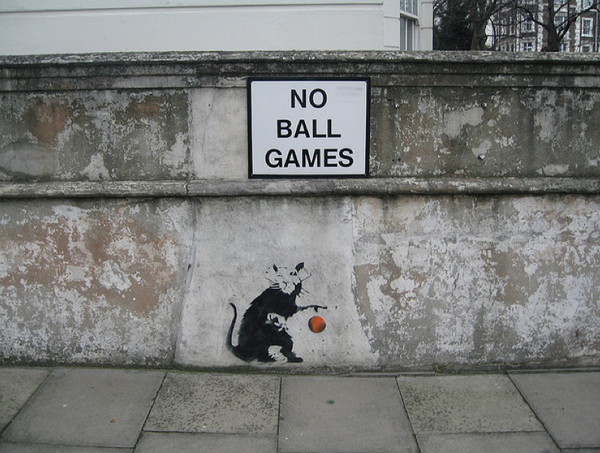
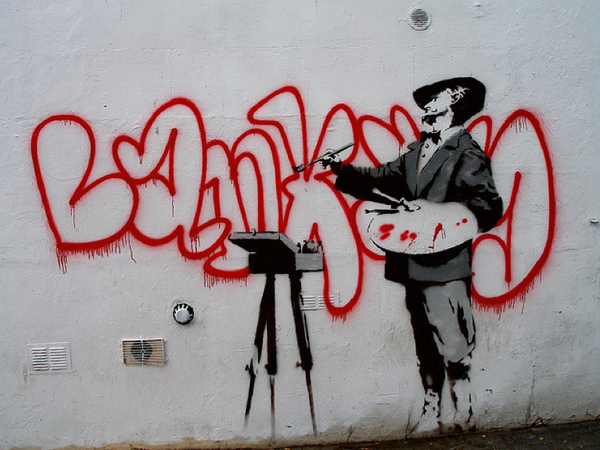
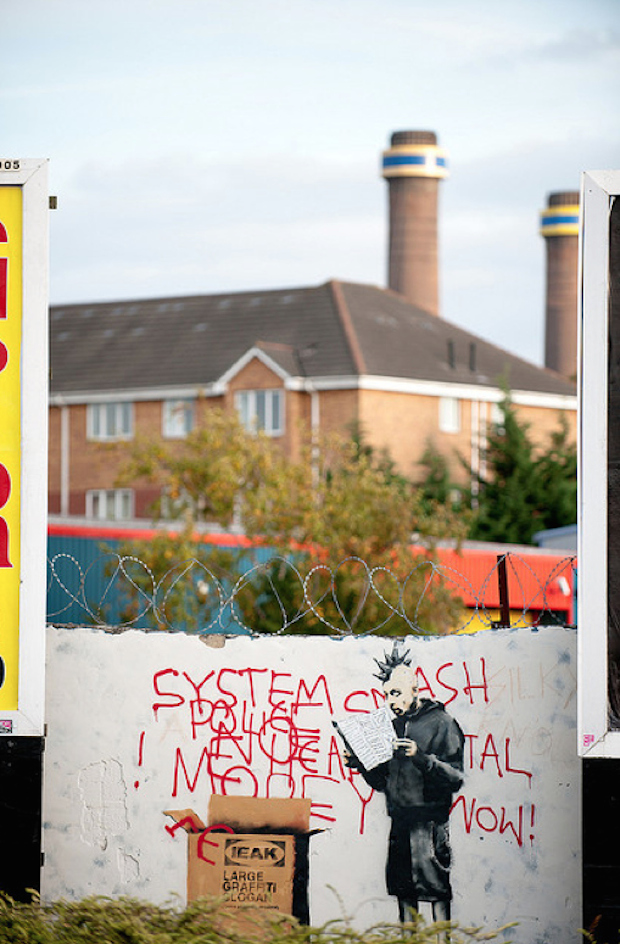
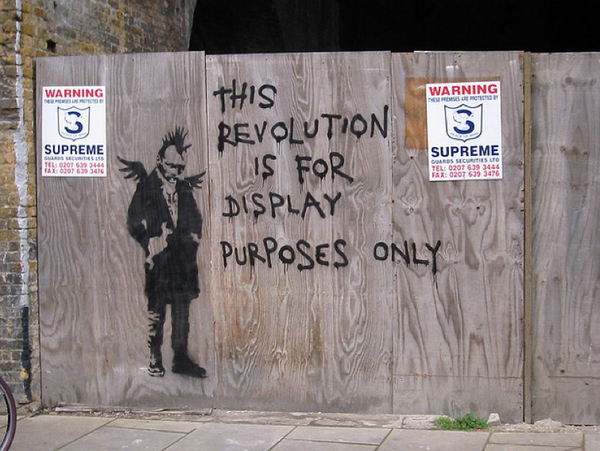
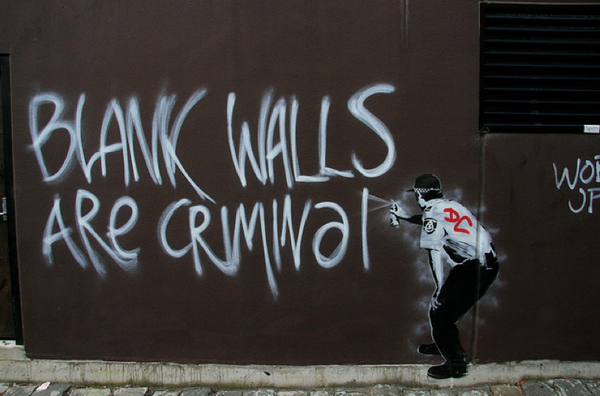
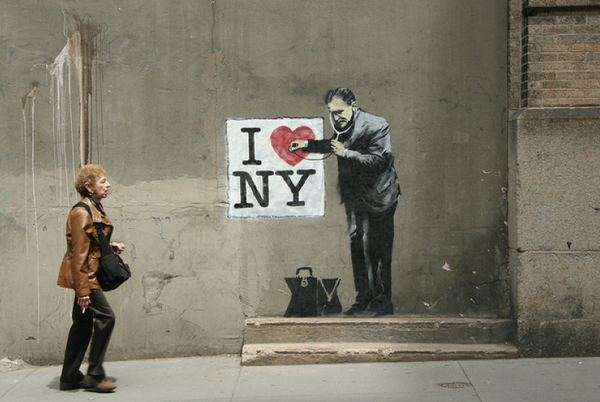
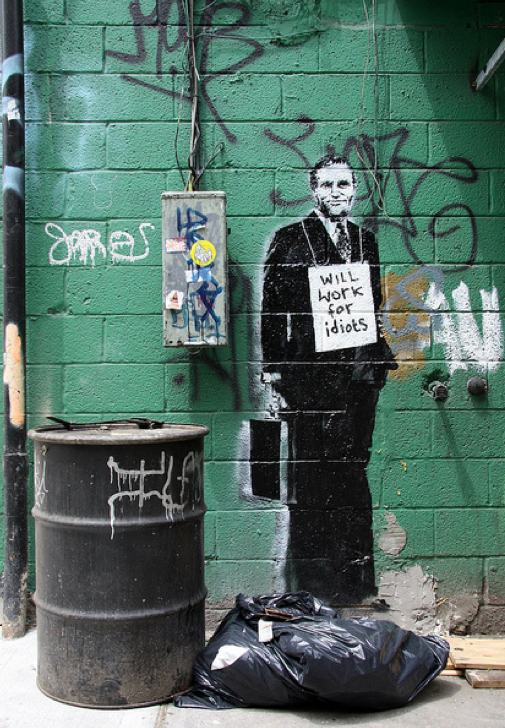
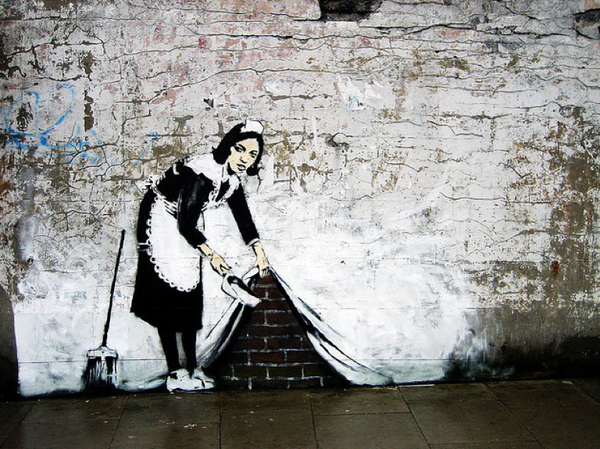
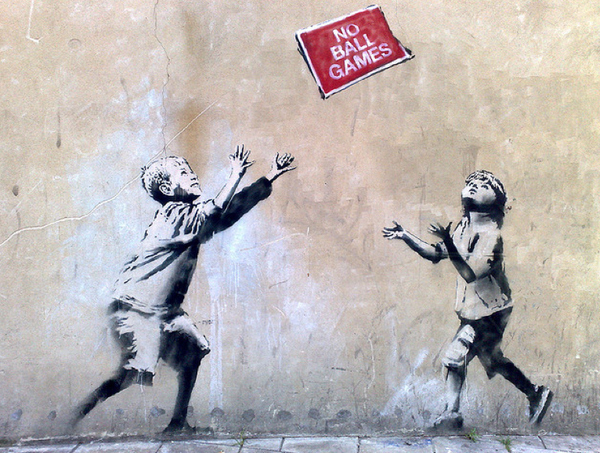
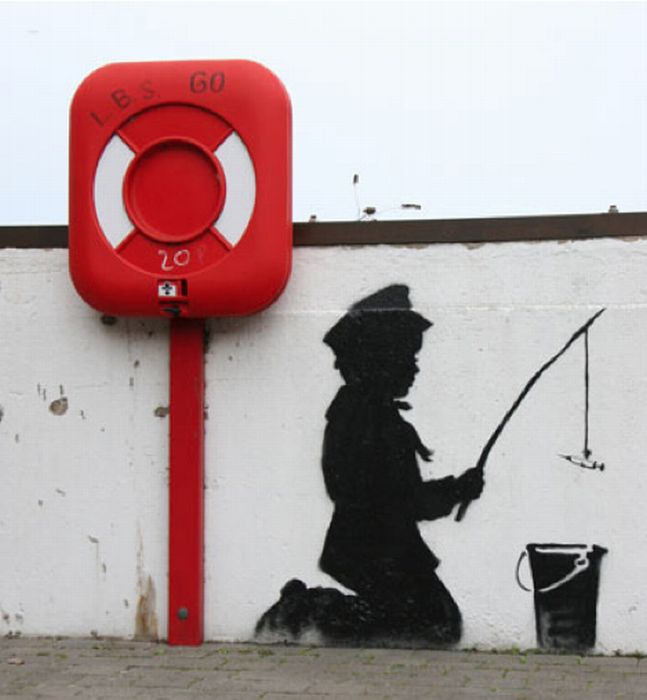
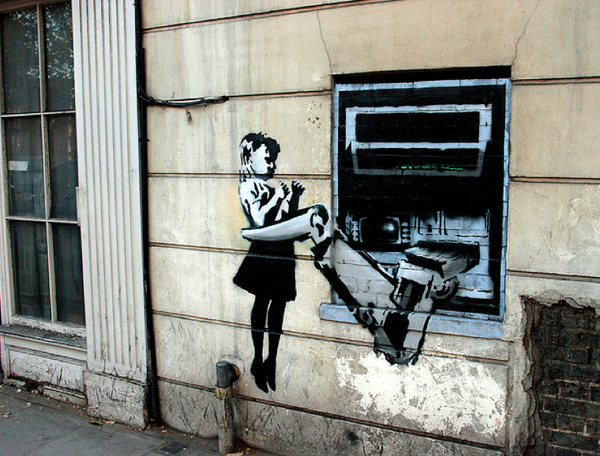
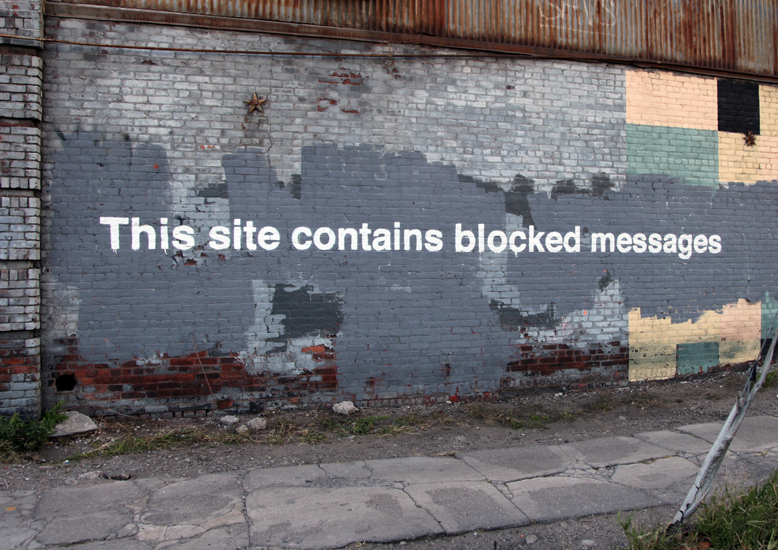
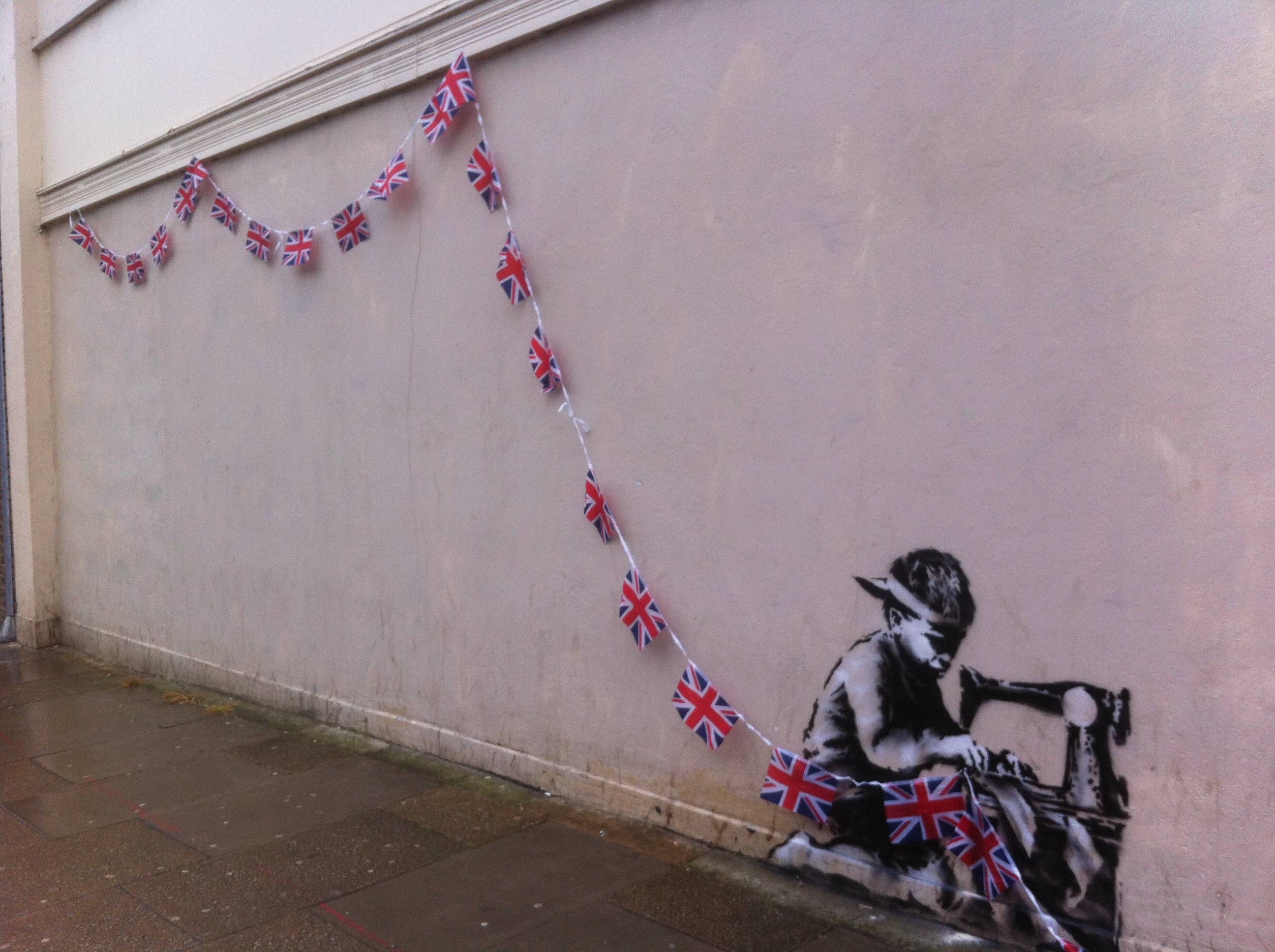
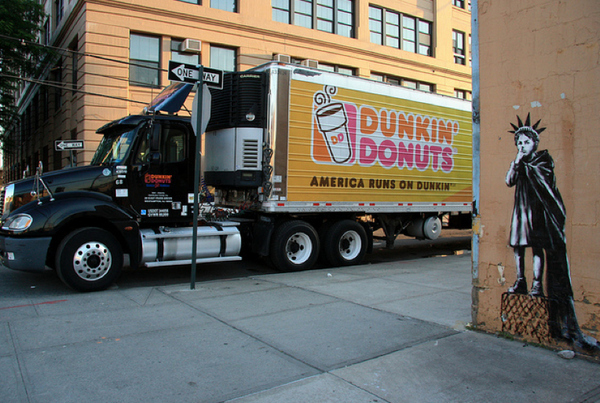
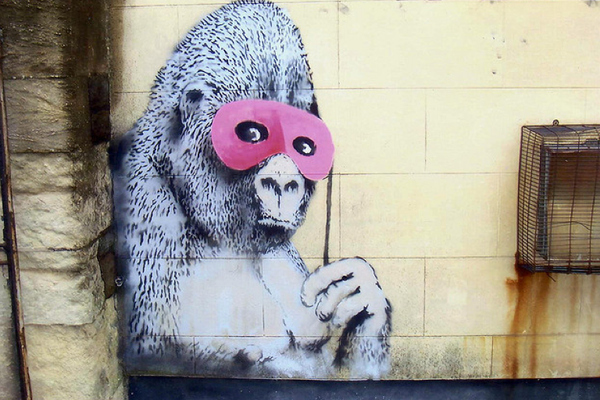
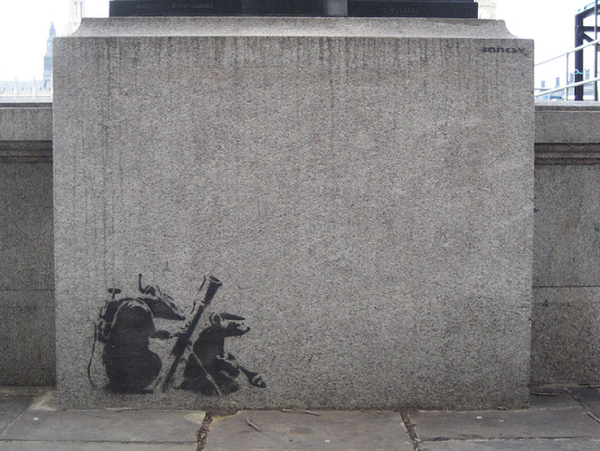
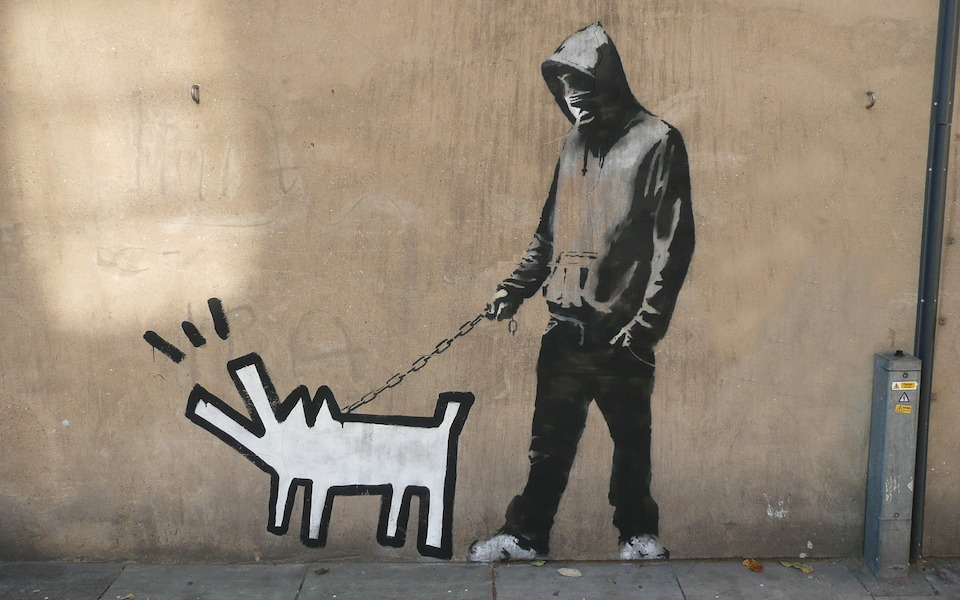
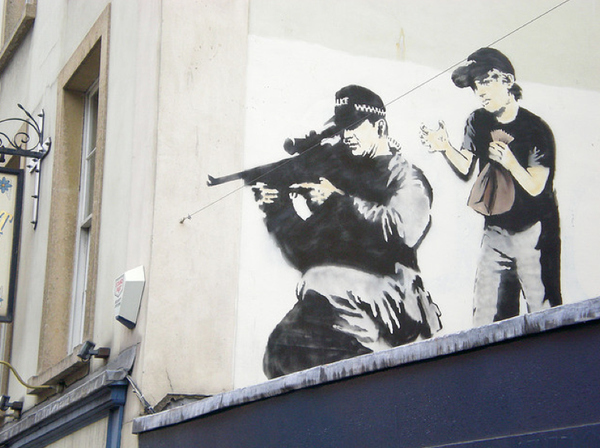
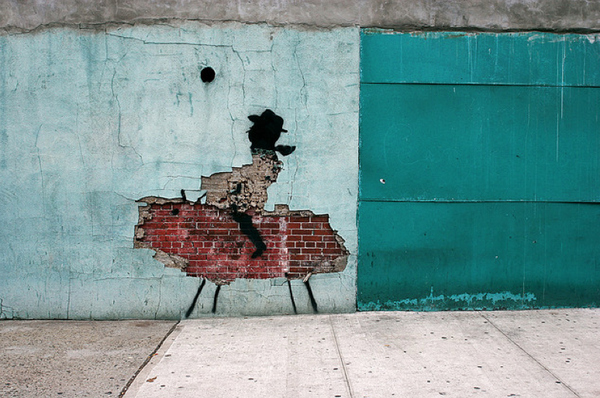
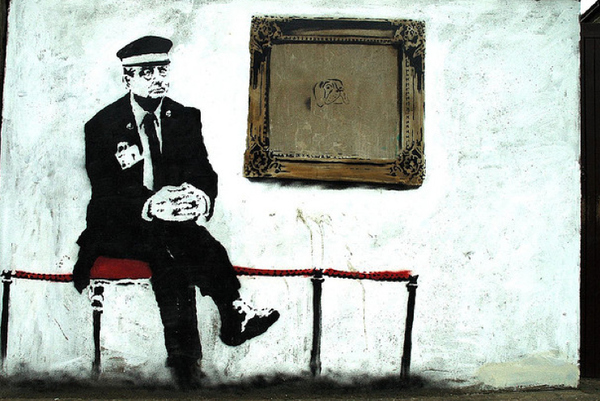
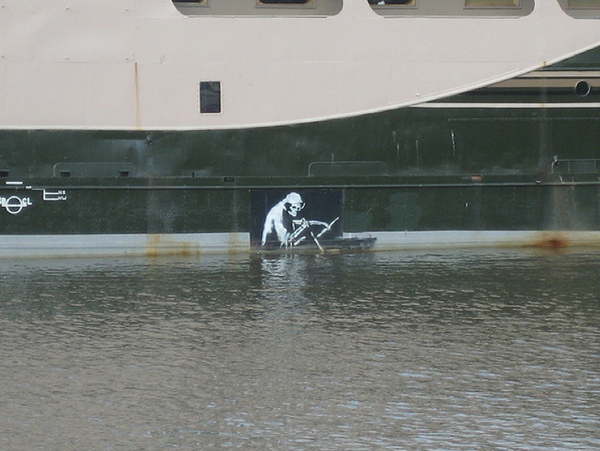
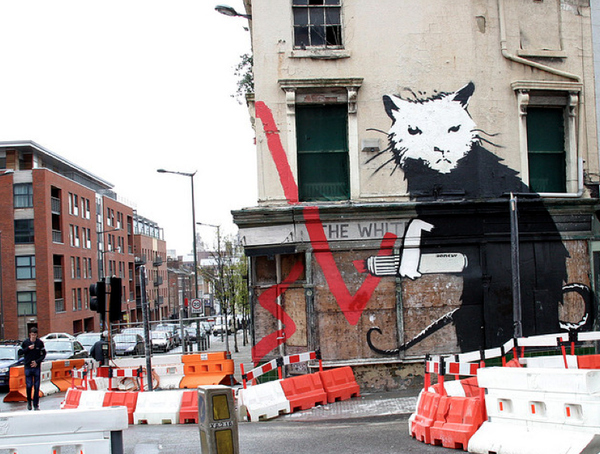
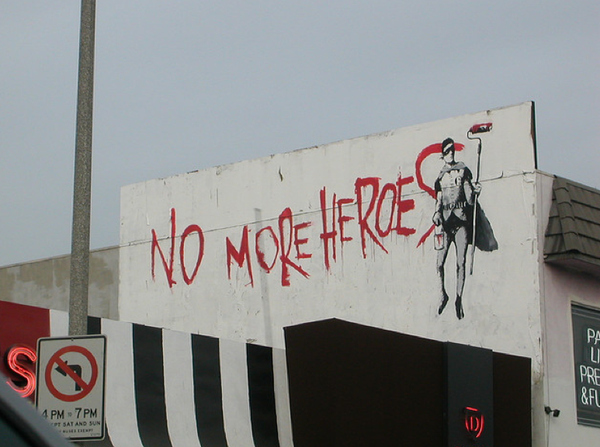
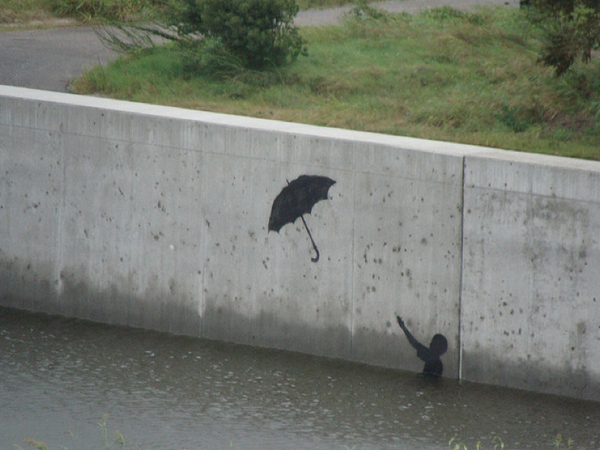
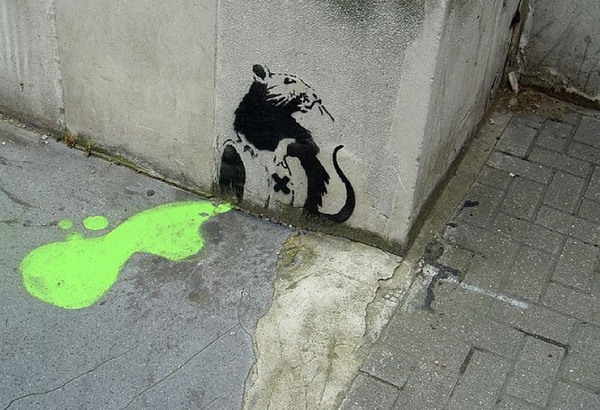
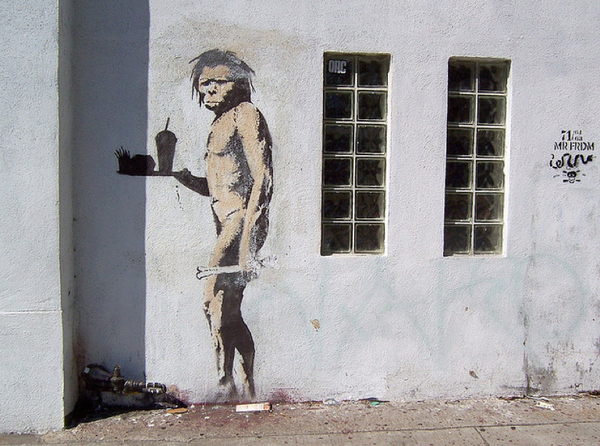
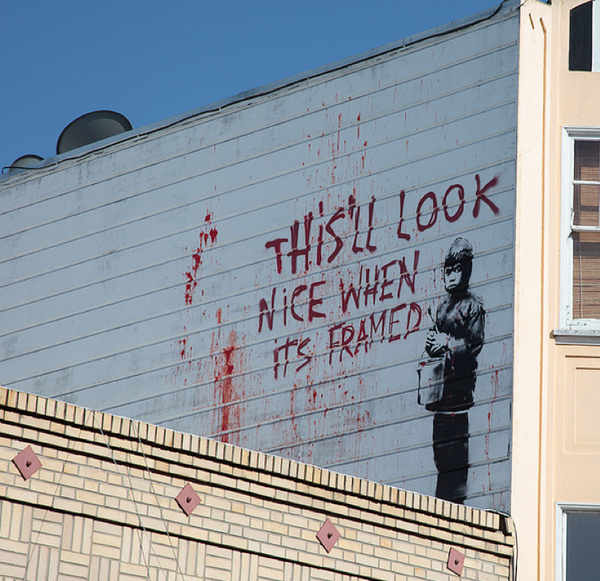
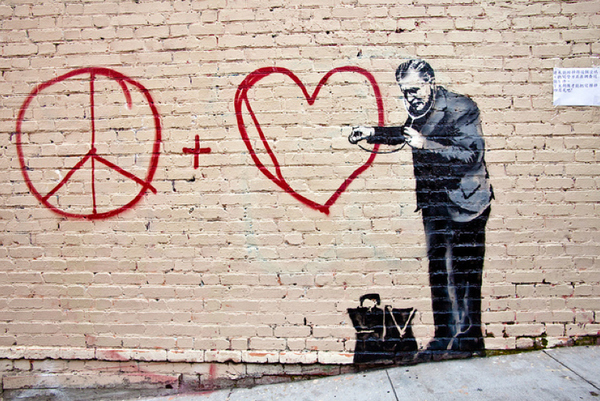
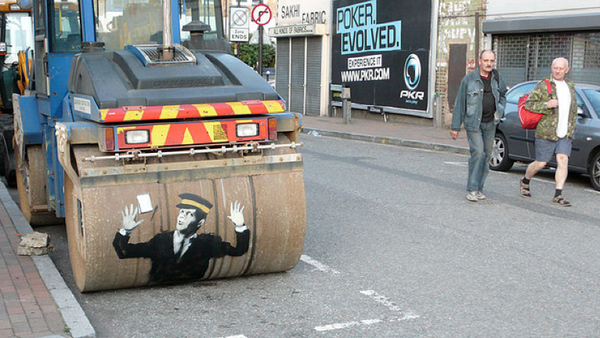
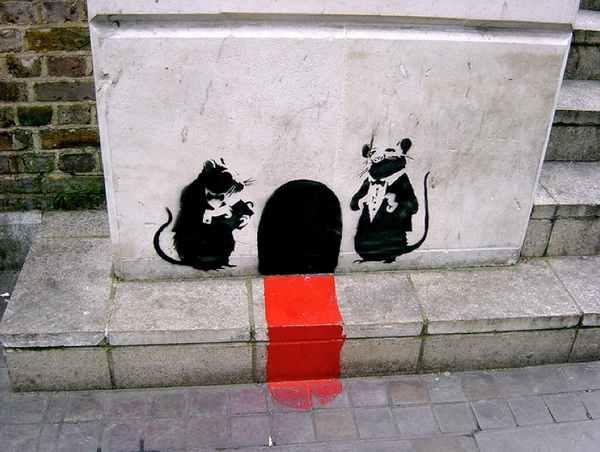
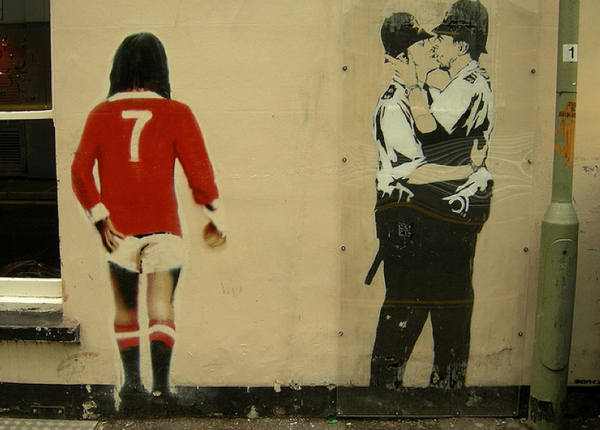
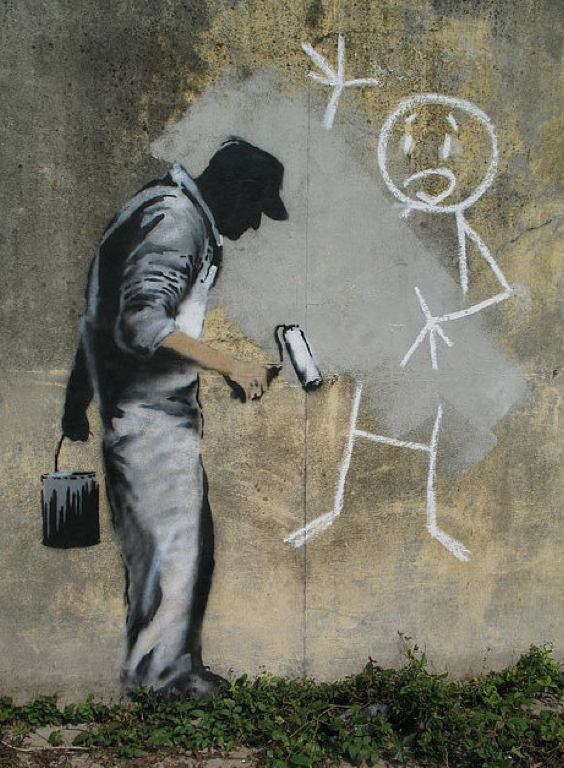
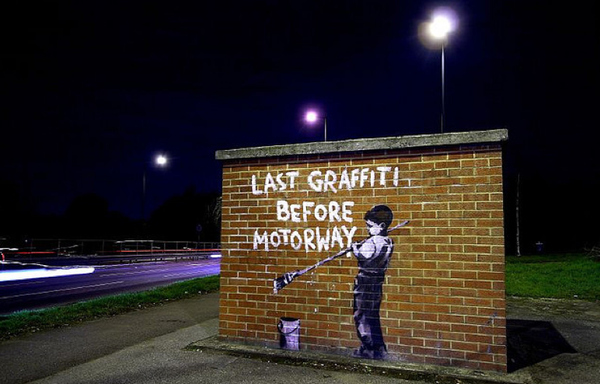
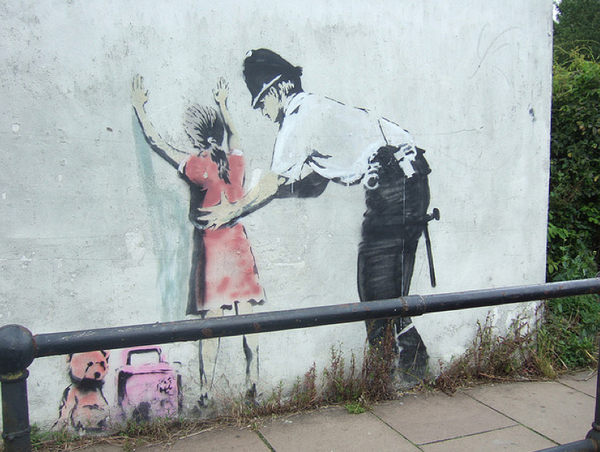
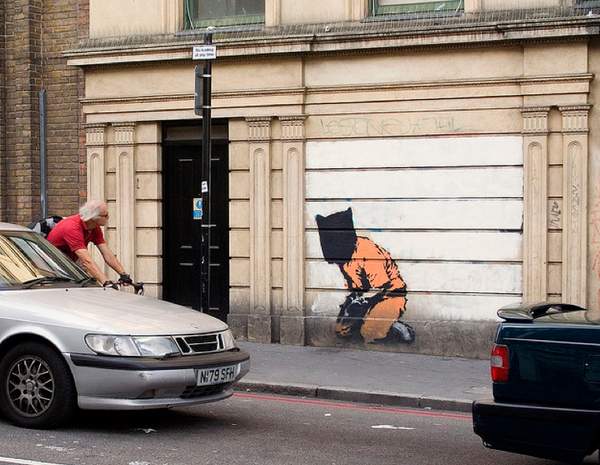
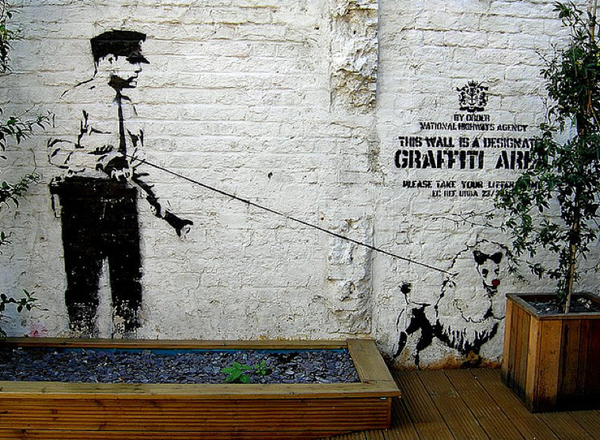
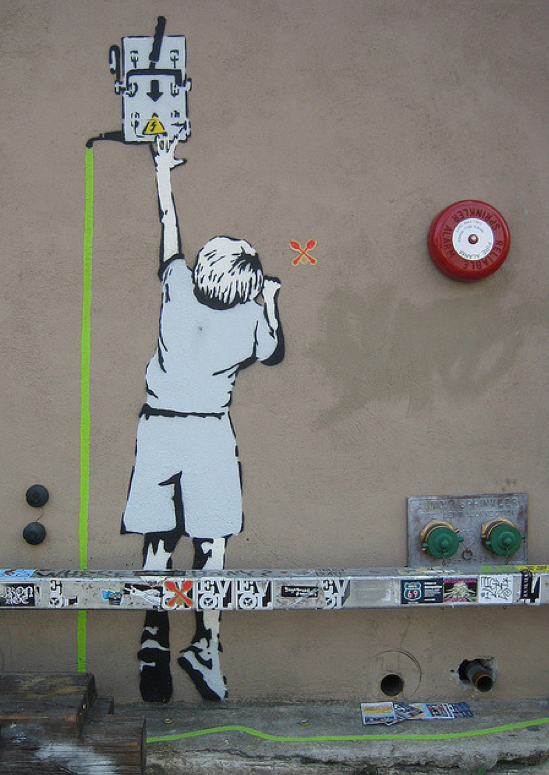
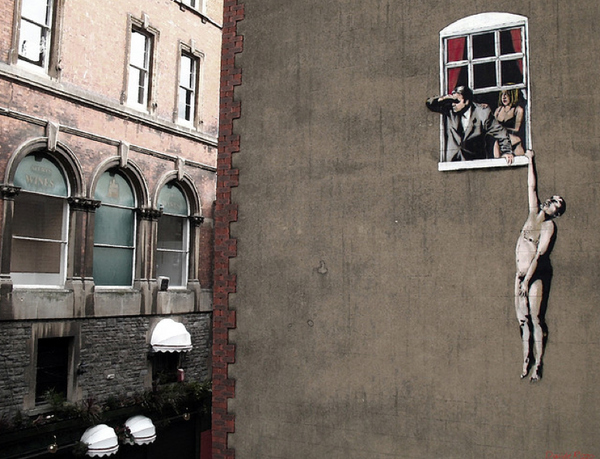
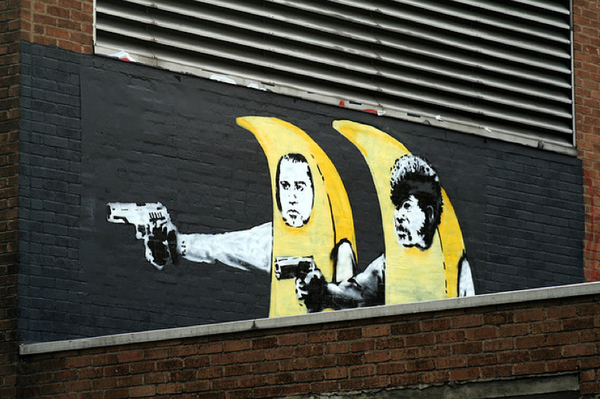
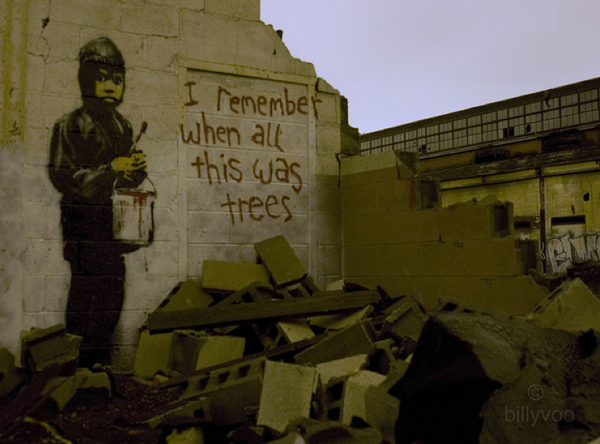
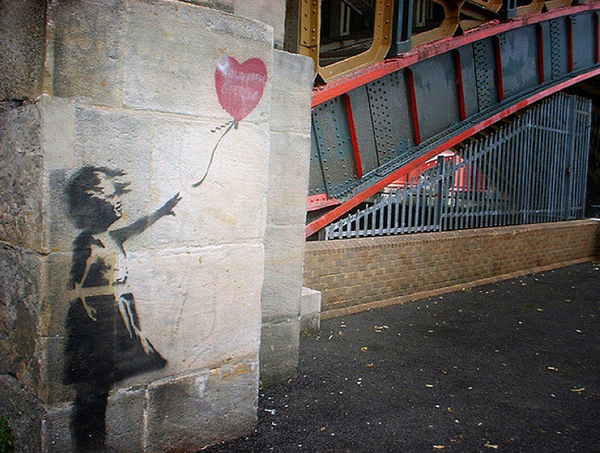
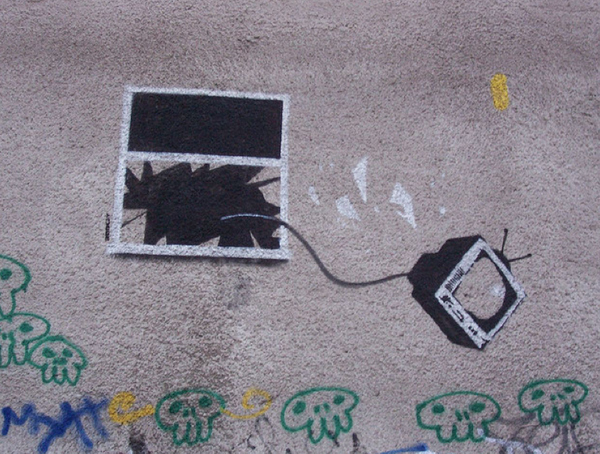
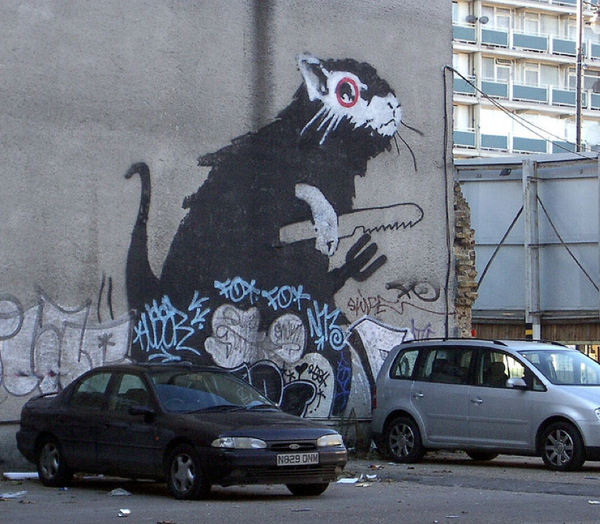
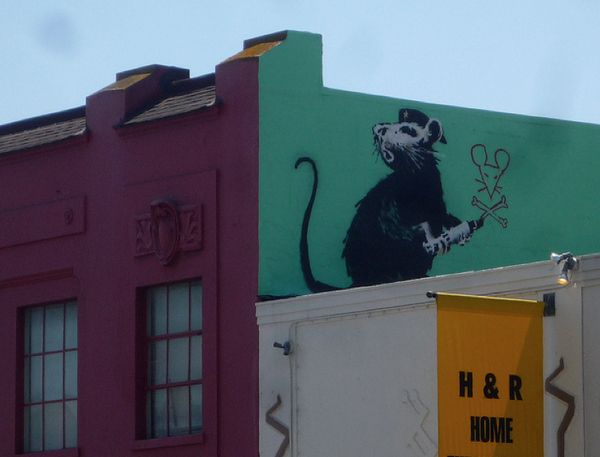
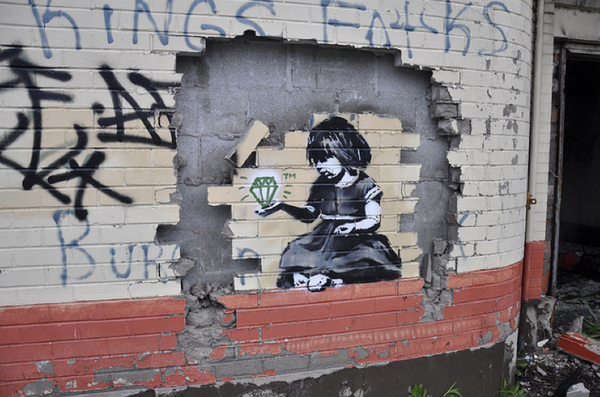
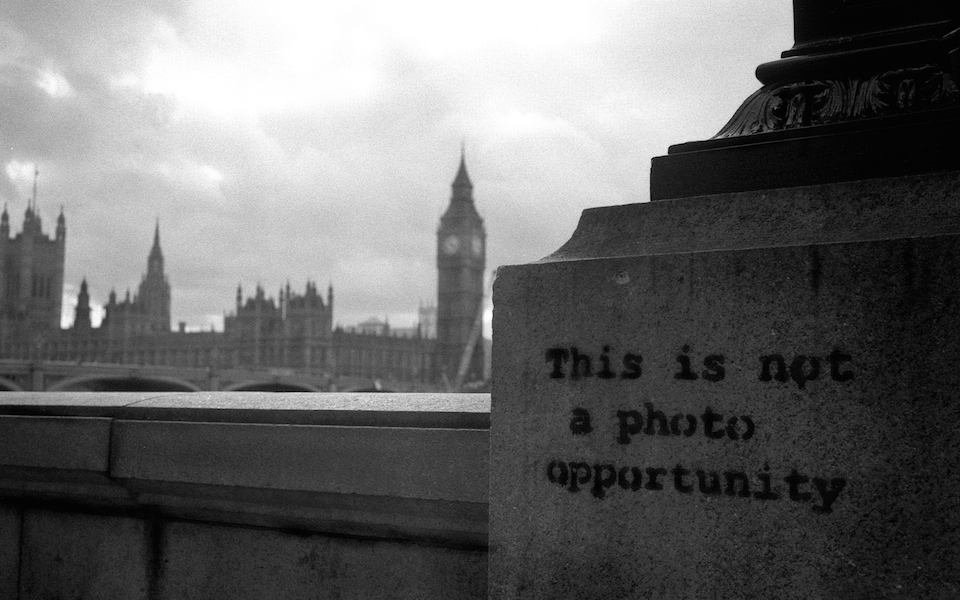
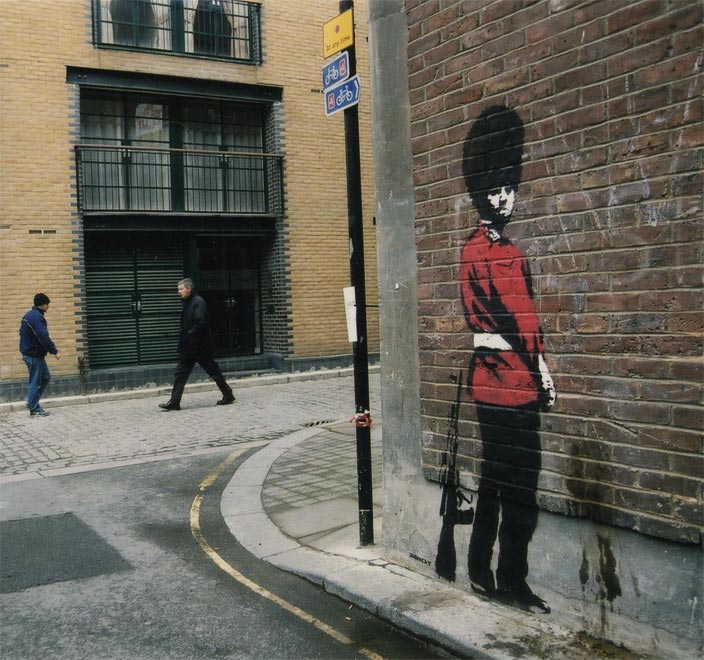
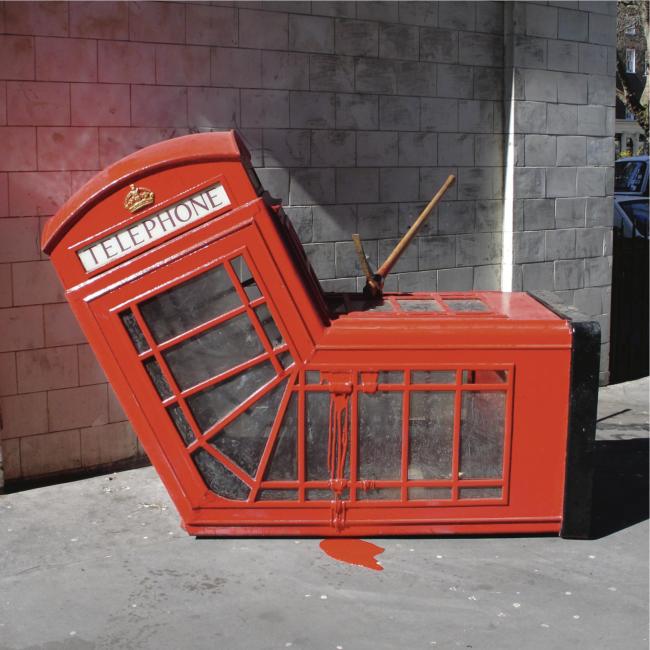
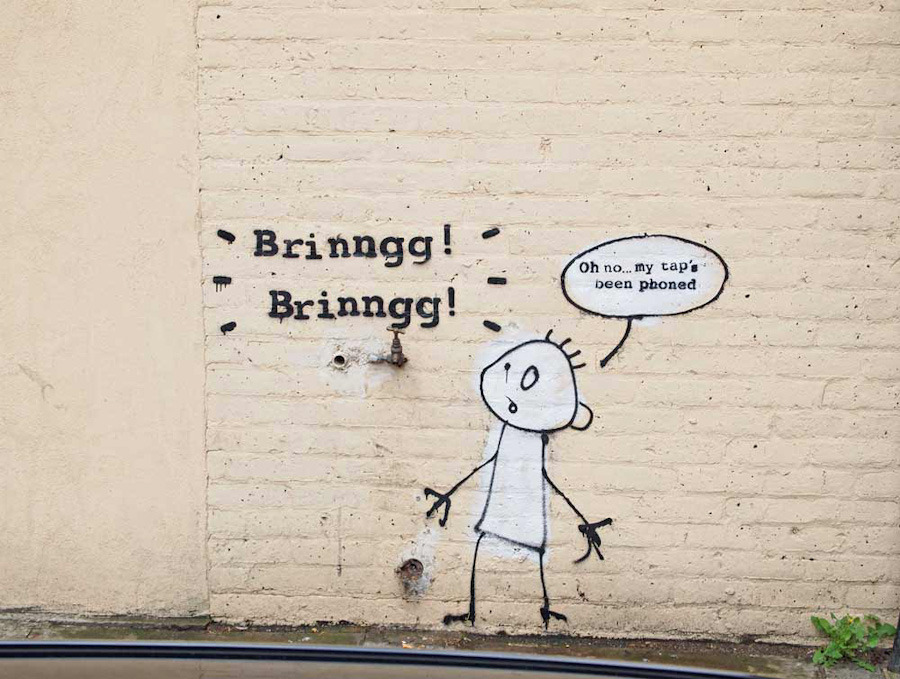
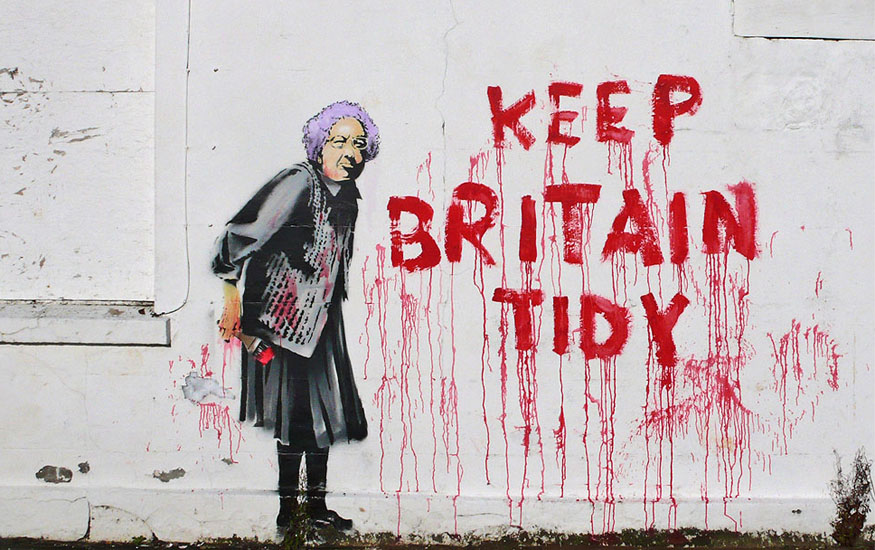
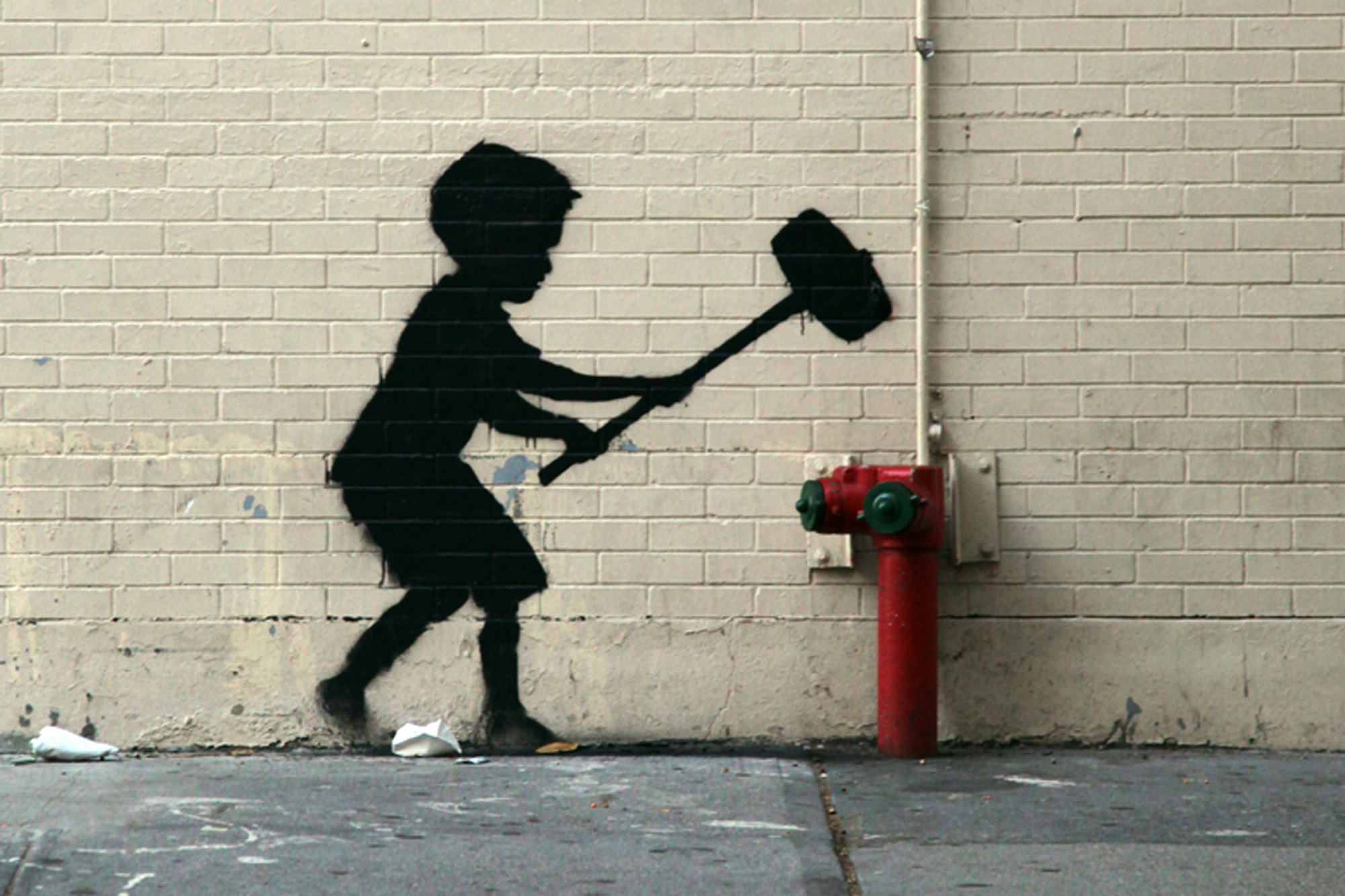
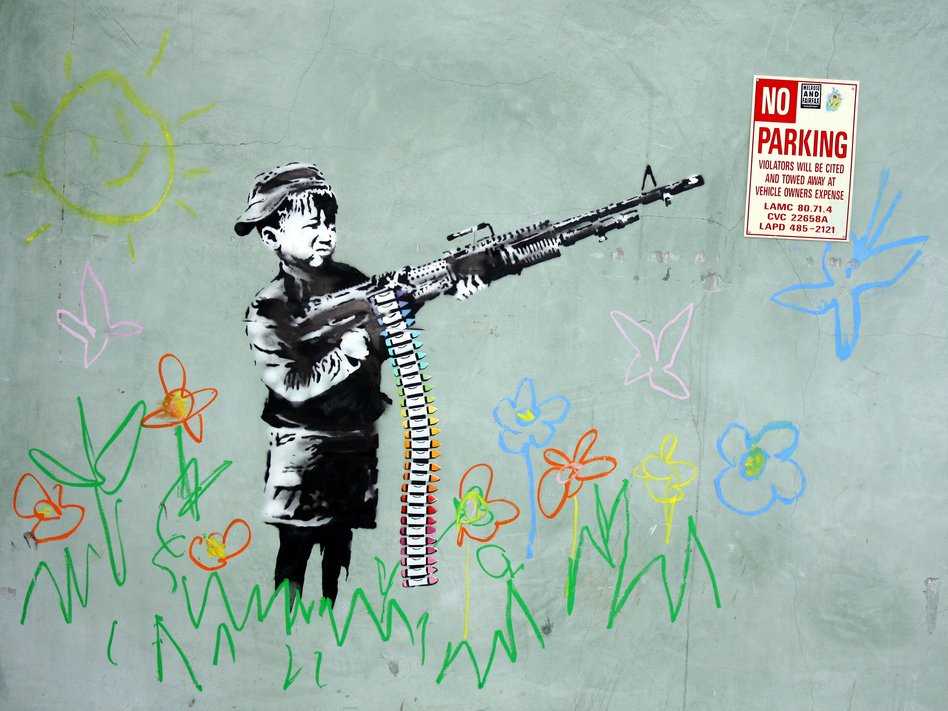
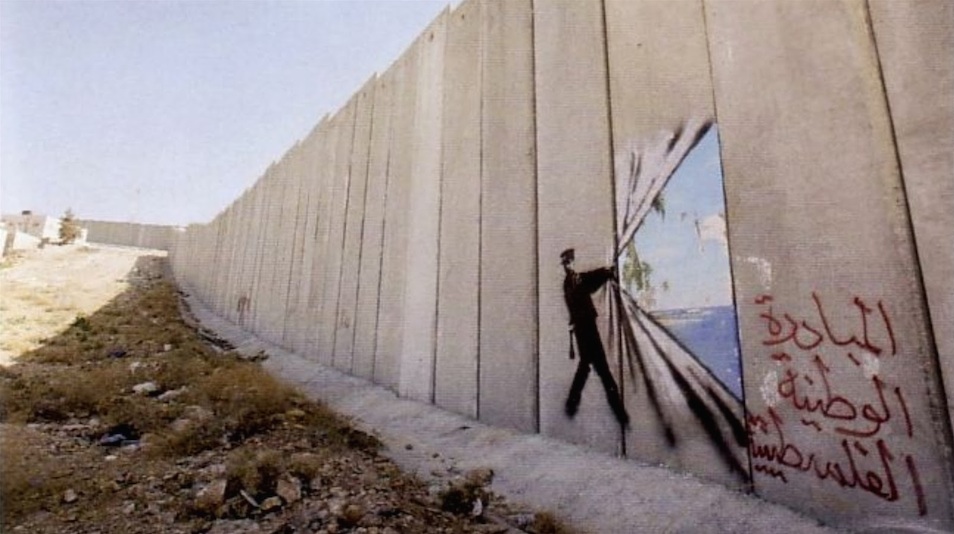
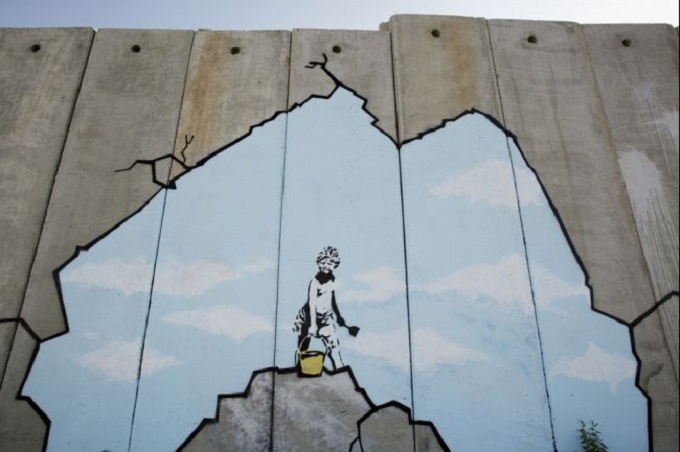
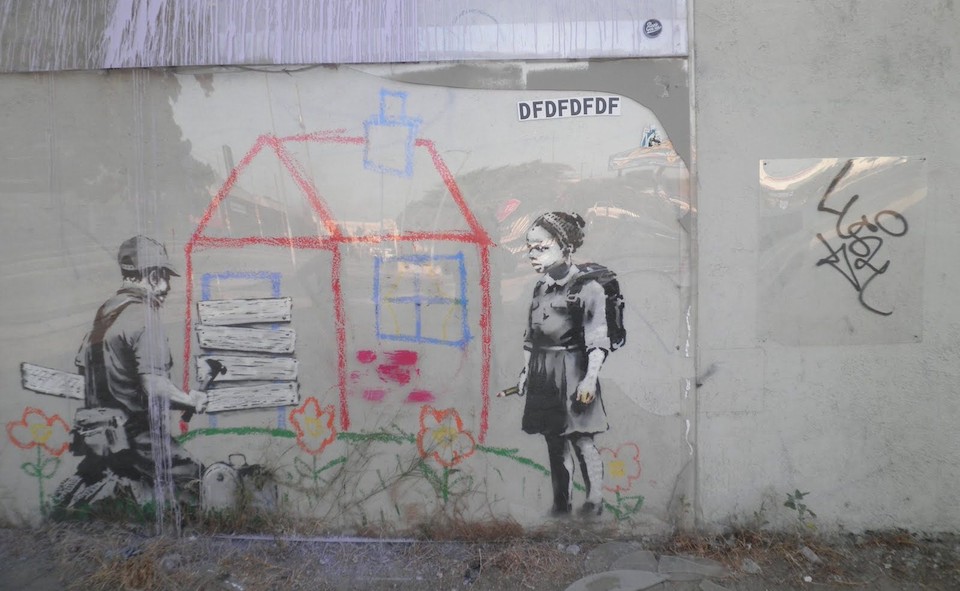
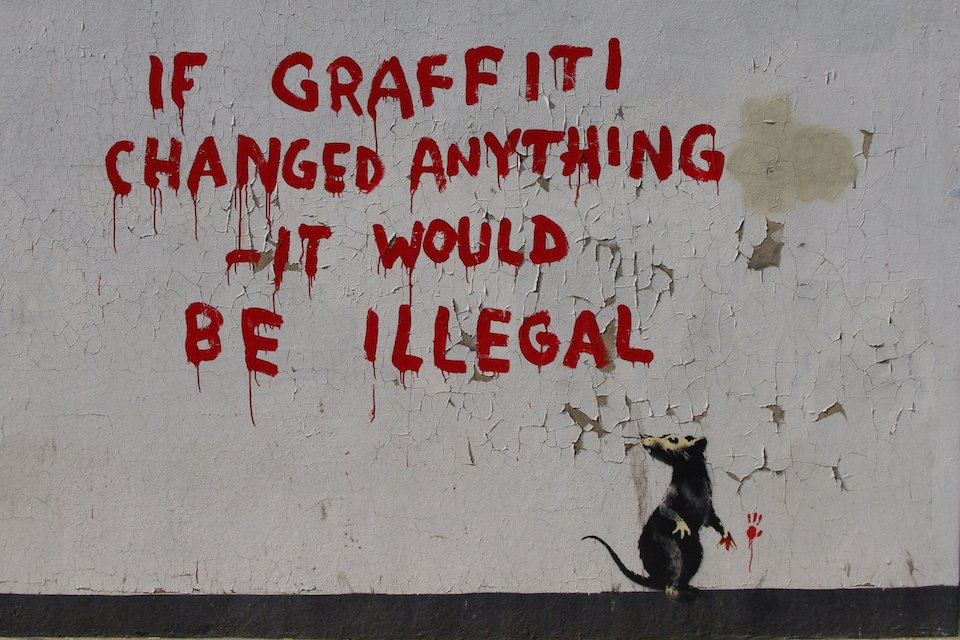
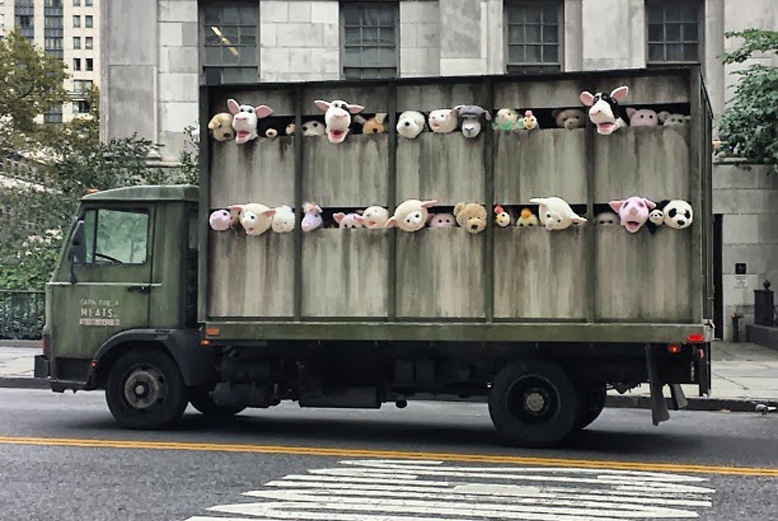
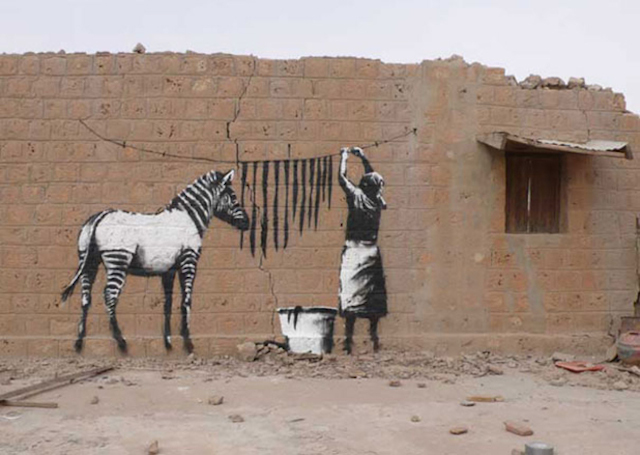
More: 24 artworks by Banksy: Who Is The Visionary of Street Art?
Which Banksy piece is your favorite?
Share your thoughts in the comments below and join our Facebook group The Banksy Way!
Banksy? Who Is The Visionary of Street Art? (25 Photos)
I. Unmasking the Enigma: A Deep Dive into Banksy’s Street Art Revolution
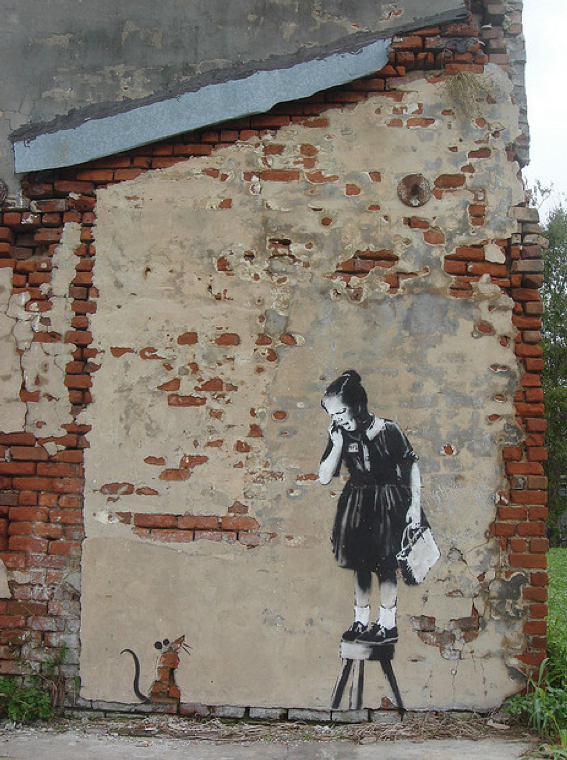
In the dynamic world of street art, few names are as resonant or as enigmatic as Banksy. A spectral figure whose identity remains shrouded in mystery, Banksy is a paradox of fame and anonymity, a revolutionary whose works have transformed public spaces and challenged societal norms. His art, often laced with potent political commentary and sharp satire (see 14 Great Banksy Street Art Photos and Quotes!), has left indelible marks on urban landscapes worldwide. Yet, the man behind the spray can remains elusive, his identity a secret closely guarded, adding an irresistible aura of intrigue to his body of work.This paradox is part of what makes Banksy not just a street artist, but a phenomenon. His work captures the zeitgeist, reflecting the turbulence, the dissent, and the hope of our times. His stencils—be they on the walls of London, the remnants of the West Bank barrier, or the ruins of Hurricane Katrina—have a way of speaking truth to power that has resonated with millions around the globe.
More: Banksy’s Hidden Identity Revealed?
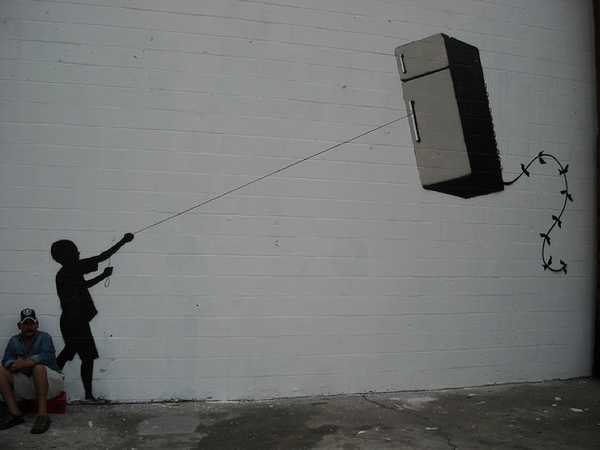
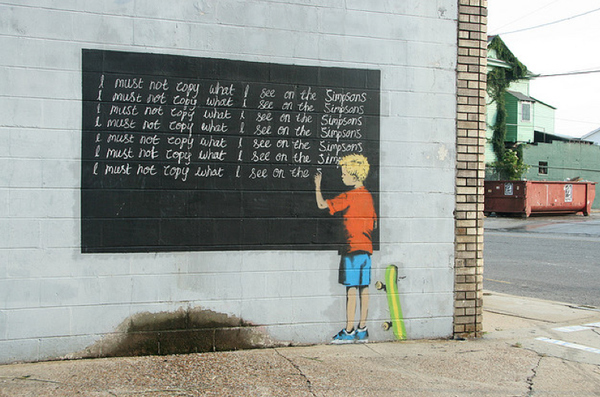
Banksy visited New Orleans, three years after the devastation of Hurricane Katrina, in August 2008
For more than three decades, Banksy has been pushing boundaries, challenging conventions, and redefining the very concept of public art. Through his stencils, he has brought the subversive ethos of the underground to the surface, making it impossible for us to ignore the social and political injustices of our world. His works are more than just provocative images; they are a call to action, a demand for change.
In this exploration, we will journey through the chaotic, captivating world of Banksy’s artistry. From his early days in Bristol’s graffiti scene to his headline-making stunts in the global art market, we’ll take a closer look at how Banksy’s work has evolved and why it continues to captivate and challenge us. Through the lens of 24 select artworks, we hope to gain a deeper understanding of the visionary artist who has forever transformed the landscape of street art.
So, who is Banksy? Let’s uncover the story behind the spray can. Let’s delve into the revolution sparked by this enigma. Through his art, let’s explore the world according to Banksy.
II. A Stencil Revolution: The Genesis of Banksy’s Distinctive Style
Banksy’s journey into the world of street art began on the streets of Bristol, England, a city known for its vibrant graffiti culture. As a teenager in the 1980s, he was part of a graffiti crew called the DryBreadZ Crew (DBZ). His early work, like much of the graffiti of the time, was freehand. However, an encounter with the law sparked a transformative shift in Banksy’s approach to street art.Legend has it that a young Banksy was hiding from the police under a garbage truck when he noticed stenciled serial numbers on the truck. The stencil technique piqued his interest, offering a faster, more efficient way to paint, allowing him to dodge law enforcement while still leaving his mark. This chance discovery would not only define his artistic style but would also revolutionize the street art scene.
Banksy in towns on the east coast of England (7 artworks)
Stenciling allowed Banksy to create intricate and detailed pieces with precision and speed. His works were more controlled, more refined, and more complex than the freehand graffiti that dominated the streets. This technique also lent his art a distinct aesthetic — one that was cleaner, sharper, and more visually striking. He could create multi-layered artworks, combining stencils with other media and incorporating pre-existing elements in the urban landscape into his installations.
In the early 2000s, Banksy moved from Bristol to London. His stenciled works started appearing on walls, bridges, and streets across the city, turning the urban landscape into an open-air gallery of his art. Each piece was a visual protest, a political statement, a satirical commentary. They challenged authority, poked fun at societal norms, and provoked public discourse, making Banksy a controversial figure in the art world.
Yet, it was precisely this controversy, coupled with his distinctive style and incisive commentary, that catapulted Banksy to international recognition. By turning to stencils, Banksy had not only found his artistic voice, but he had also found a way to make the streets echo with that voice. In doing so, he sparked a stencil revolution that would forever alter the course of street art.
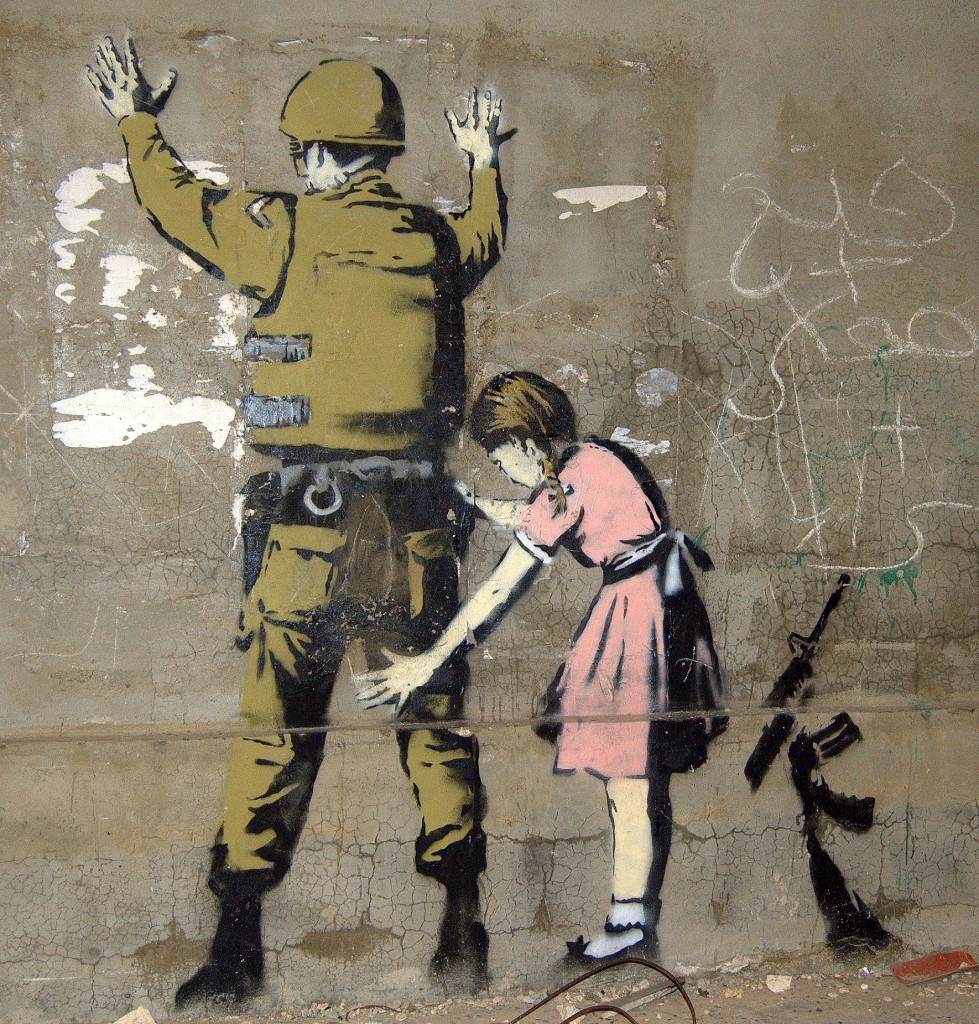
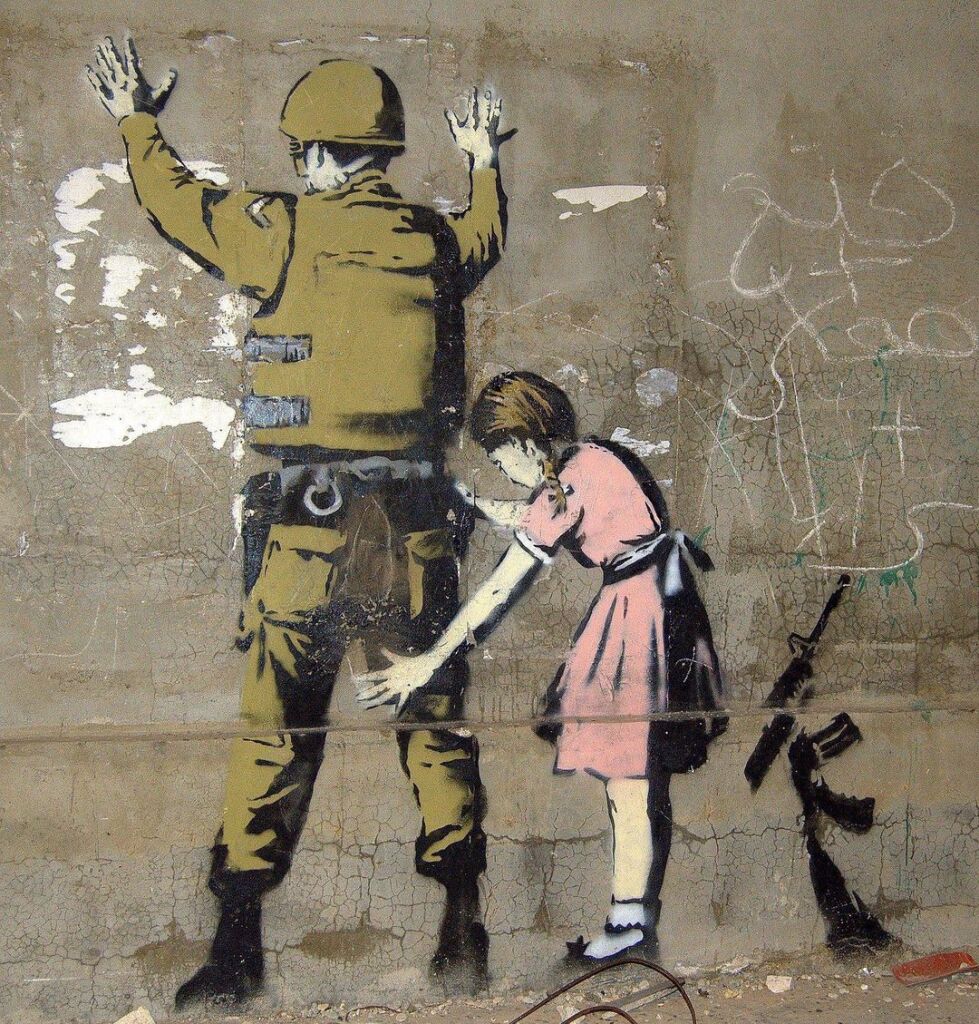
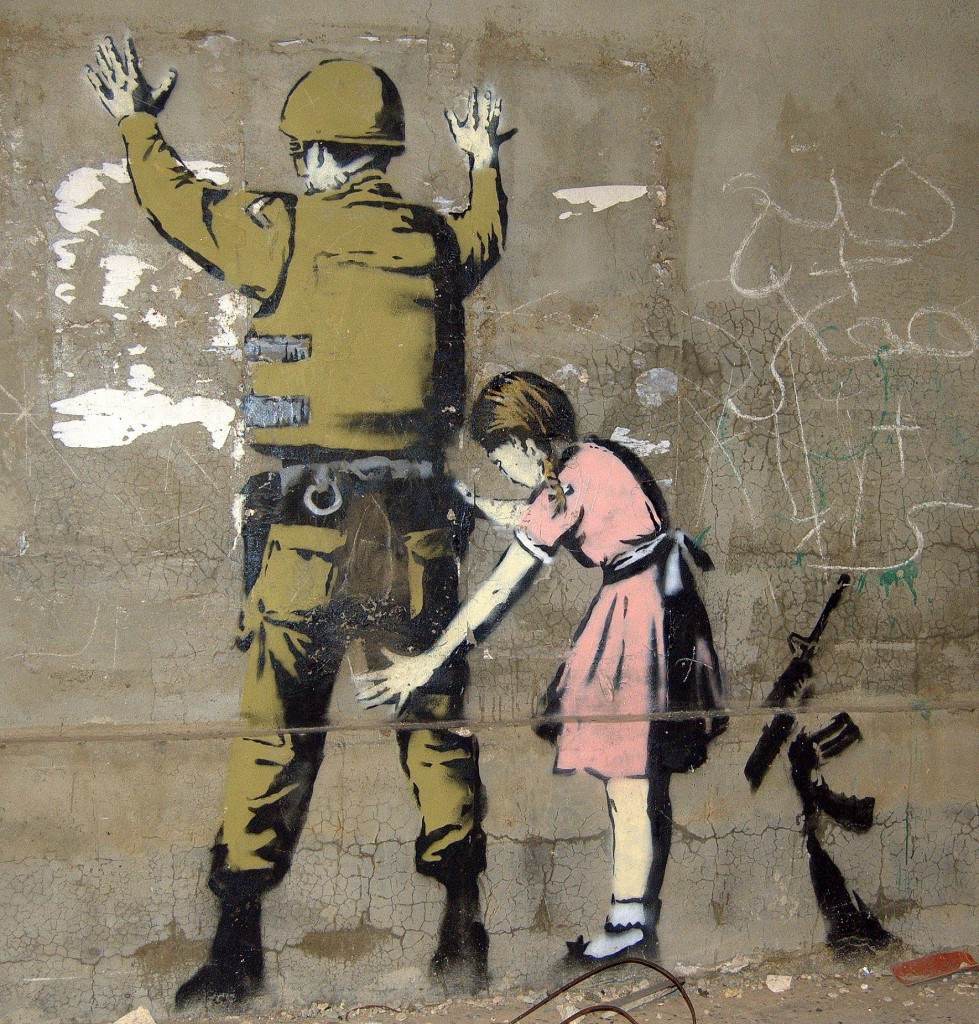
Young girl frisking a soldier by Banksy in Bethlehem
III. Crafting Satire and Shadows: The Unmistakable Artistic Approach of Banksy
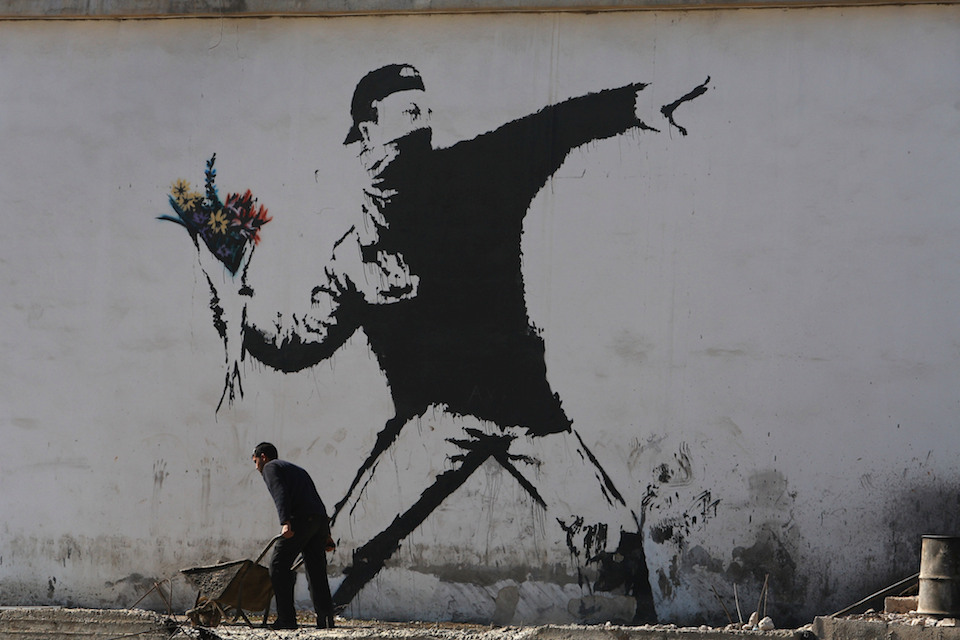
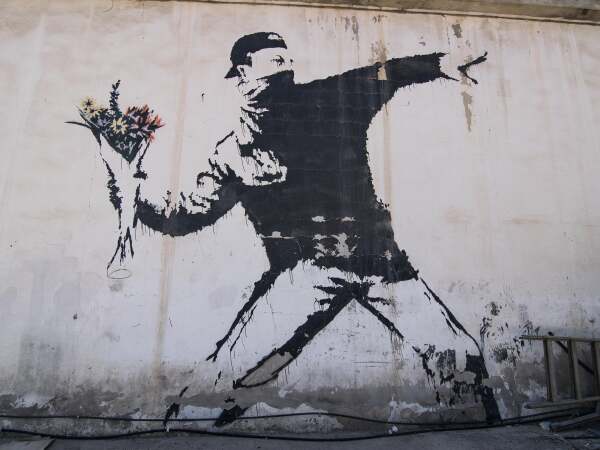
Banksy’s artistic approach, while grounded in the use of stencils, is far from one-dimensional. The street artist has developed a style that is as layered and nuanced as the messages he conveys. Delving into Banksy’s work reveals a masterful blend of satire, subversion, and sociopolitical commentary, all wrapped in a distinctive visual package that has become his trademark.Perhaps the most defining aspect of Banksy’s approach is his biting satire. With a keen eye for irony, Banksy often juxtaposes contrasting images and ideas to comment on societal issues. His works are full of dark humor and sharp wit, turning everyday scenes into powerful satirical statements. Whether it’s a rioter throwing a bouquet of flowers instead of a molotov cocktail or a young girl frisking a soldier, Banksy’s art challenges viewers to reassess their preconceived notions and question the status quo.
The Flower Thrower, Flower Bomber, Rage, or Love is in the Air is a 2003 stencil mural in Beit Sahour in the West Bank
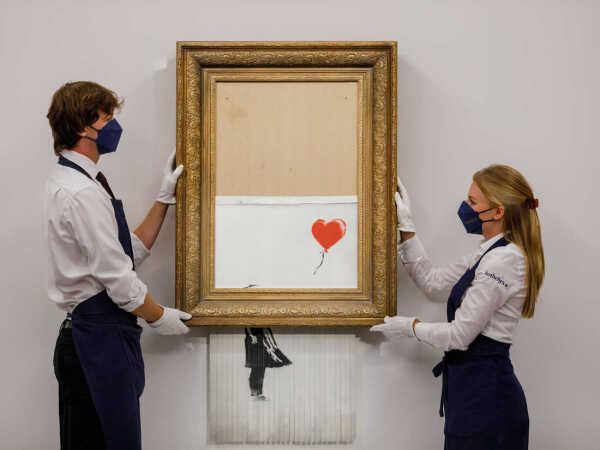
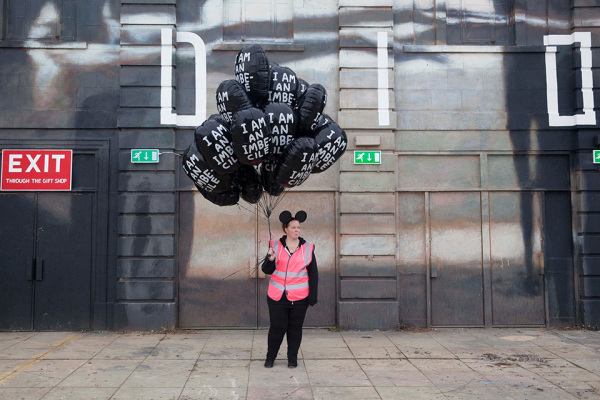
Equally important to Banksy’s approach is his use of subversion. He consistently undermines authority and disrupts conventional narratives, pushing against the boundaries of what is deemed acceptable or normal. This can be seen in his unauthorized installations in museums, his self-destructing artwork at an auction, or his dystopian theme park, Dismaland. Each act is a bold statement against institutional power and the commercialization of art.
On the visual front, Banksy’s art is marked by a striking use of black and white, with occasional pops of color. This minimalist color palette underscores the starkness of his messages and adds to the visual impact of his works. He also employs a careful play of light and shadow, giving depth and realism to his stenciled figures. Even when working on a flat surface, Banksy’s figures appear three-dimensional, as if they could step out of the wall and into the real world.
Moreover, Banksy often integrates elements of the urban environment into his artworks, transforming mundane objects and surfaces into significant components of his pieces. This creative use of the environment amplifies his art’s site-specific nature, making each piece a unique commentary on its context.
In essence, Banksy’s artistic approach is a dynamic interplay of style and substance. It merges form with content, aesthetics with message, and art with activism. Each piece is not just an artwork but a dialogue – a thought-provoking, boundary-pushing, and often uncomfortable dialogue that compels us to engage with the world in new and critical ways.
IV. From Shadows to Spotlight: The Unstoppable Global Impact of Banksy
Banksy’s rise to prominence is a testament to the power of street art as a medium for societal commentary. What began as stencilled tags in the back-alleys of Bristol has now gained international renown, resonating with audiences across the globe. His works are not merely confined to city walls, they have permeated popular culture, influenced political discourse, and even transformed the way we perceive and value art.One of the most significant aspects of Banksy’s global impact is how his art has bridged the gap between the street and the gallery. Banksy has successfully brought street art out of its perceived illegitimacy, forcing the art world to reconsider its boundaries and definitions. His works have sold for record-breaking prices at renowned auction houses such as Sotheby’s and Bonhams, showing that street art is more than capable of holding its own in the fine art market.
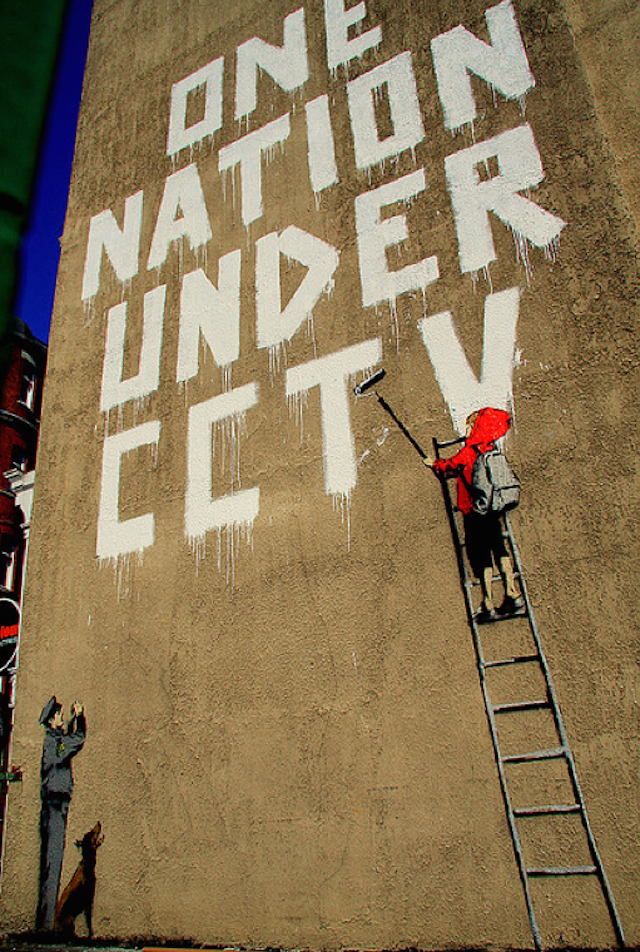
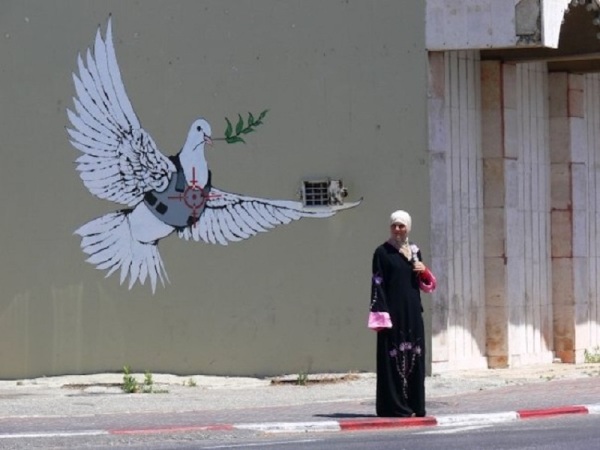
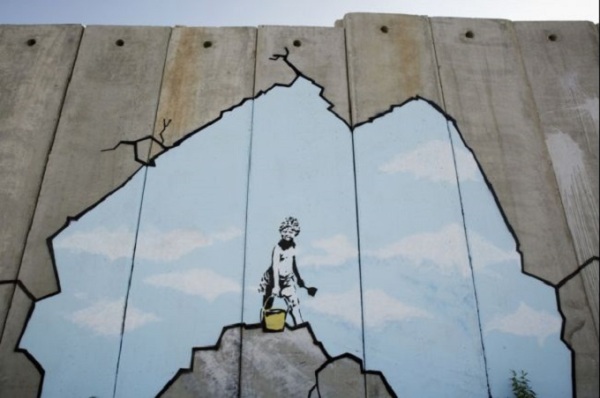
Banksy’s influence extends beyond the world of art, reaching into the realm of politics. His murals often tackle pressing issues like war, surveillance, consumerism, and inequality. His iconic pieces on the West Bank Barrier, for example, drew international attention to the Israeli-Palestinian conflict, showcasing the power of art as a tool for political activism.
Moreover, Banksy’s works have become viral sensations, spreading rapidly across the internet and reaching millions of viewers. The digital age has allowed Banksy’s art to transcend geographical boundaries, amplifying its impact to an unprecedented level. Each new Banksy piece triggers a flurry of online discussions, debates, and interpretations, showing how art can engage and connect people in the virtual space.
Banksy’s global impact is also evident in the way his art has inspired a new generation of artists. His audacious style, combined with his success in challenging the status quo, has paved the way for aspiring street artists worldwide. The “Banksy Effect” is a testament to his influence, proving that art can thrive outside traditional institutions and that artists can maintain their anonymity and independence while reaching a wide audience.
Perhaps most importantly, Banksy’s global impact lies in the conversations his art starts. His works provoke thought and spark dialogue, encouraging viewers to question their surroundings and critically engage with societal issues. Whether it’s a mural on a wall, a painting in an auction house, or an image shared on social media, Banksy’s art continues to challenge, disrupt, and inspire, solidifying his position as one of the most influential figures in contemporary art.
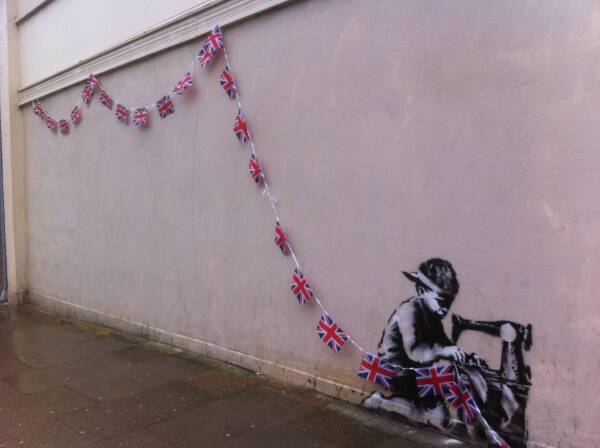
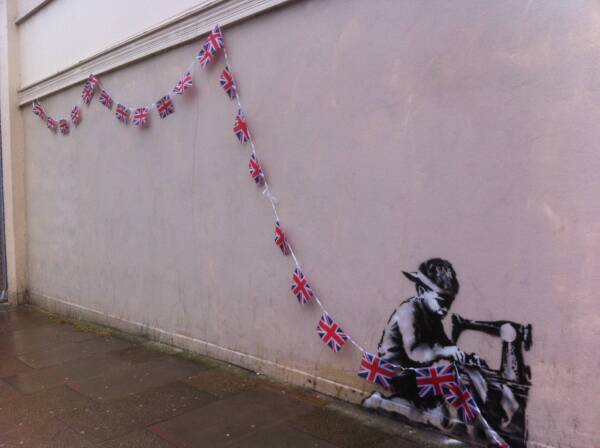
Banksy did this 2012 (London) to celebrate the Queen’s diamond jubilee
V. Beyond the Wall: Banksy’s Multifaceted Artistic Portfolio
Banksy’s artistic portfolio, despite being shrouded in mystery and anonymity, is one that never ceases to evolve, surprise and provoke. Stretching beyond the confines of the traditional graffiti scene, Banksy has become a modern-day renaissance artist, demonstrating a remarkable ability to experiment with different mediums and platforms while consistently delivering his signature blend of satire, subversion, and social commentary.In 2010, Banksy ventured into the world of filmmaking with “Exit Through the Gift Shop,” a documentary that explores the relationship between commercial and street art. The film, which received an Academy Award nomination for Best Documentary, showcases Banksy’s knack for storytelling and his ability to critique the art world from within its own apparatus.
Inside Banksy’s Dismaland
Inside Banksy’s Dismaland
In 2015, Banksy took on an entirely new project: Dismaland, a dark, dystopian parody of Disneyland. This ‘bemusement park’ showcased ten new works from Banksy alongside pieces from 58 other artists. It was more than just an art exhibit; it was an immersive, interactive experience that critiqued the corporatization of leisure and the passive consumption of entertainment.
In recent years, Banksy has also shown an increasing interest in traditional painting, as seen in his ‘Mediterranean Sea View’ series. This set of oil paintings, auctioned to raise funds for a hospital in Bethlehem, combined classical techniques with Banksy’s trademark twist – in this case, life jackets washed up on shore, symbolizing the European migrant crisis. Such works demonstrate Banksy’s versatility and his willingness to adapt his craft to convey urgent messages.
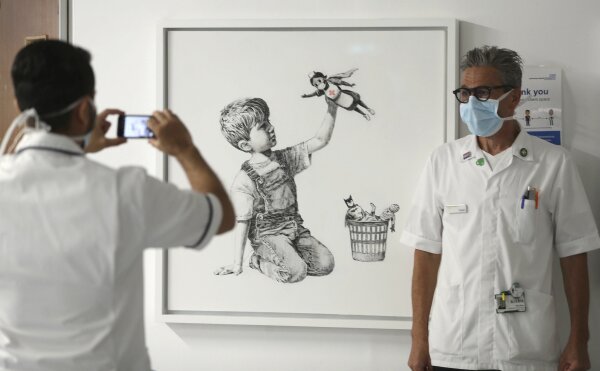
Banksy’s ‘Game Changer’ painting raises $23 million for UK health charities
Banksy’s more recent work during the COVID-19 pandemic, such as ‘Game Changer,’ displayed in Southampton General Hospital, is a testament to his timely engagement with current events. This piece, which pays tribute to healthcare workers, again shows Banksy’s ability to adapt to new contexts and media, while staying true to his roots in street art.
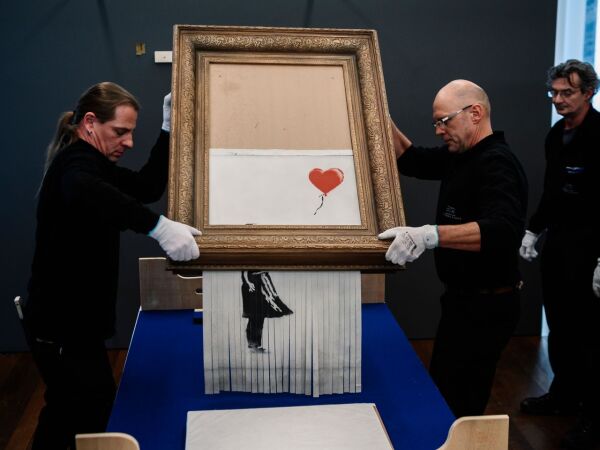
Whether it’s stencils on city walls, films, immersive installations, traditional paintings, or even the occasional piece of performance art (as seen in the shredding of ‘Girl with Balloon’), Banksy’s expanding portfolio reflects his boundless creativity, adaptability, and commitment to pushing the boundaries of what art can be and do. His work stands as a testament to the fact that art is not just about aesthetics, but can also be a vehicle for social change, critique, and dialogue.
VI. Shattering Expectations: Banksy’s Iconic Artistic Moments
When it comes to creating unforgettable artistic moments, Banksy is second to none. The anonymous artist has a track record of staging high-profile stunts that not only challenge conventional norms of the art world but also provoke public dialogue and reflection on broader societal issues.Perhaps the most iconic of all is Banksy’s 2018 Sotheby’s auction stunt, in which his artwork ‘Girl with Balloon’ self-destructed immediately after being sold for £1.04 million. Hidden within the ornate frame was a remotely activated shredder that left the artwork hanging in tatters. This audacious act was not just a prank; it was a commentary on the commodification of art and the market’s ability to dictate the value of artworks. The shredded artwork was later renamed ‘Love is in the Bin,’ and in a twist of irony, it became even more valuable after the stunt.
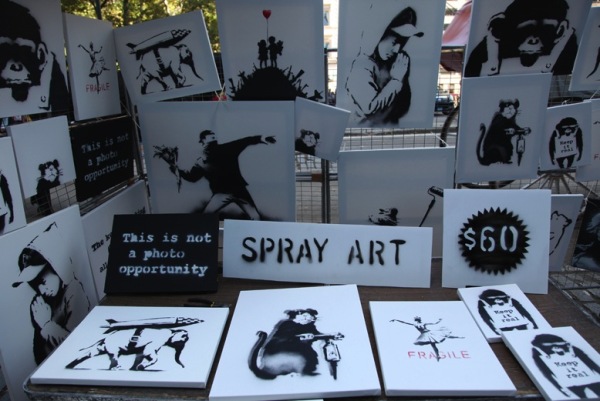
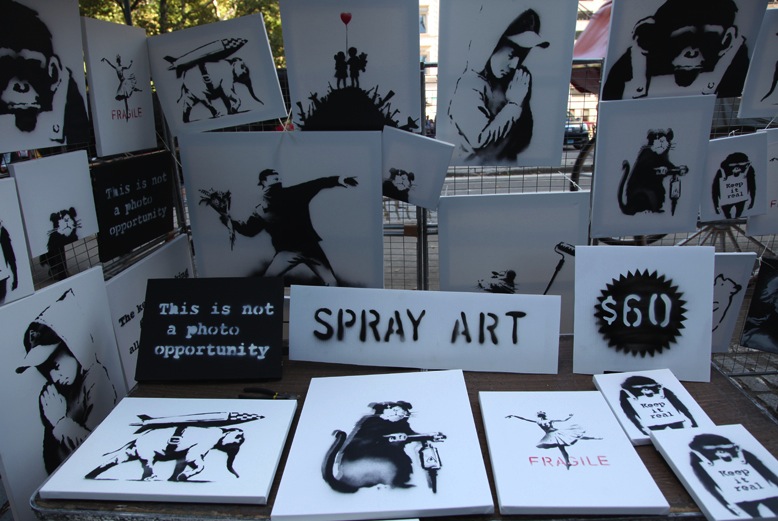
Another moment that captured global attention was Banksy’s 2013 New York residency, ‘Better Out Than In.’ For 31 days, Banksy unveiled a new work each day across the city. On one of these days, he set up a stall selling signed original Banksy canvases for just $60. The unsuspecting buyers had no idea of the true value of the artworks they were purchasing, challenging the notion of art’s value being tied to the artist’s name.
And again: In 2015, Banksy shook the art world again with the opening of Dismaland, a dark, dystopian parody of Disneyland. This temporary art project in the seaside resort town of Weston-super-Mare in England featured a fairy castle in ruin, a boat pond full of asylum seekers, and two juggernauts performing ballet, among other installations. It was a stark critique of consumer culture, inequality, and the failings of capitalism.
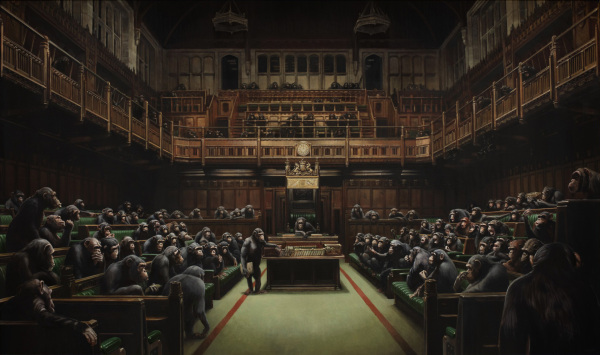
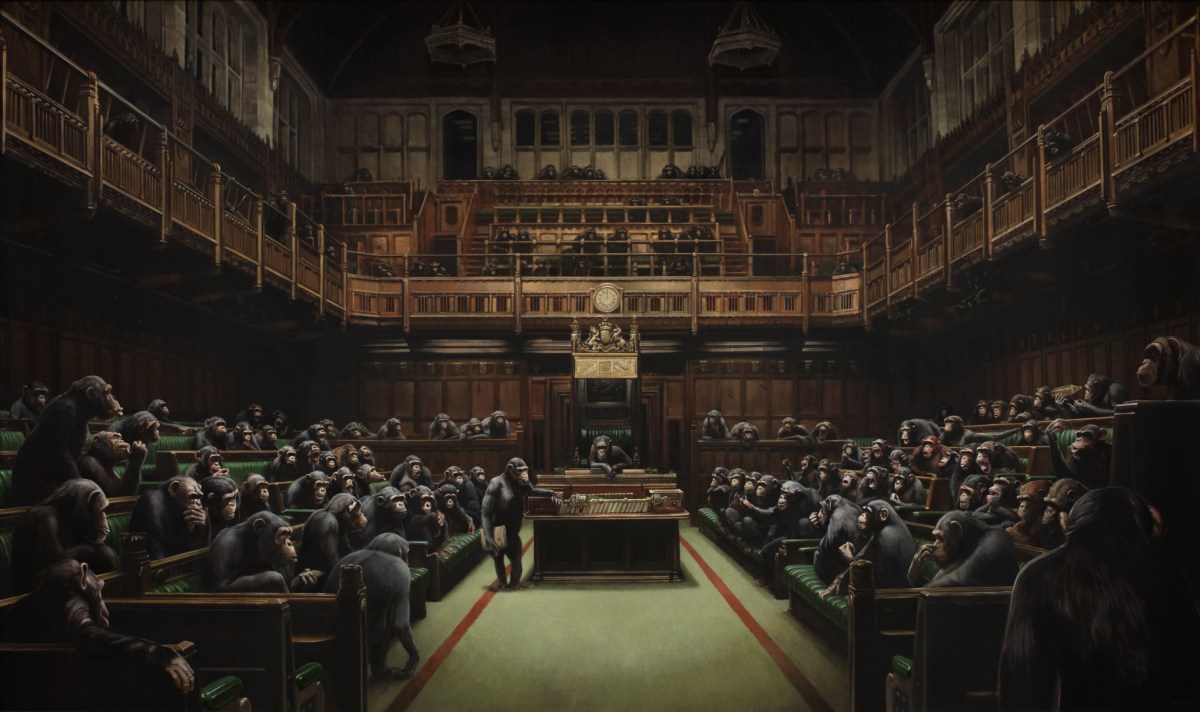
Banksy’s ‘Devolved Parliament,’ a satirical painting depicting the UK House of Commons filled with chimpanzees, is another example of his timely and pointed commentary. The artwork, which was created in 2009 and exhibited just before the original Brexit date in March 2019, sold for a record-breaking £9.9 million at Sotheby’s in October 2019.
And as mentioned before who can forget Banksy’s response to the COVID-19 pandemic? His ‘Game Changer’ artwork, depicting a young boy playing with a nurse doll, was a tribute to healthcare workers on the front lines of the crisis. It was later sold at auction for £16.8 million, with all proceeds going to the NHS.
Through these iconic moments, Banksy continues to use his art to subvert expectations, provoke thought, and challenge the status quo, leaving an indelible mark on the world of contemporary art.
VII. Enduring Impressions: The “Banksy Effect”
The “Banksy Effect” is a term coined to describe the remarkable influence that Banksy has had on the art world and beyond. It refers not just to his transformation of street art into a globally recognized and highly coveted form of expression, but also to the way his work has reshaped public discourse around key societal issues.Banksy’s provocative approach to art has undoubtedly pushed the boundaries of what is considered acceptable or valuable in the art world. By using public spaces as his canvas, Banksy has democratized access to art, making it available to everyone, not just those who frequent art galleries or auction houses. This has led to a broader acceptance and recognition of street art as a legitimate form of artistic expression, with cities around the world now boasting thriving street art scenes.
Beyond the art scene, Banksy’s satirical, often politically charged works have also had a profound impact on public consciousness. His art has served as a powerful commentary on issues such as war, capitalism, consumerism, and inequality, sparking public dialogue and forcing viewers to confront uncomfortable realities. By leveraging the power of art for social commentary, Banksy has inspired a new generation of artists to use their work as a tool for social and political activism.
Moreover, Banksy’s commitment to anonymity has further fueled his appeal and added a layer of intrigue to his work. Despite his global fame, Banksy has managed to maintain his anonymity, a feat that has only added to his mystique and led to widespread speculation about his identity. This anonymity has also allowed Banksy to remain a subversive figure, unbound by the expectations or constraints typically placed on renowned artists.
The “Banksy Effect” encompasses the far-reaching influence of Banksy’s art on both the art world and society at large. His innovative approach to art, combined with his incisive social commentary, has left an enduring legacy that continues to inspire and provoke. Whether it’s through a simple graffiti piece on a city wall or a high-profile stunt at an auction house, Banksy’s impact is indelible, echoing throughout contemporary culture and continuing to challenge our perceptions of art and its role in society.
VIII. Unmasking the Enigma: Decoding Banksy’s Enduring Allure
As we delve into the intriguing world of Banksy, we come to realize that his enigmatic persona, revolutionary approach to art, and the courage to challenge societal norms are not just the hallmarks of his unique artistry, but also the underlying factors of his enduring appeal.Banksy’s anonymity has allowed him to create art that is pure and unaffected by the bias of celebrity. It keeps the focus on the art and the message it conveys rather than the artist. This could well be one of the reasons why his art, despite its simplicity, resonates on a universal scale. The unknown identity of the artist also adds an element of intrigue and mystery, making each new artwork a topic of global conversation.
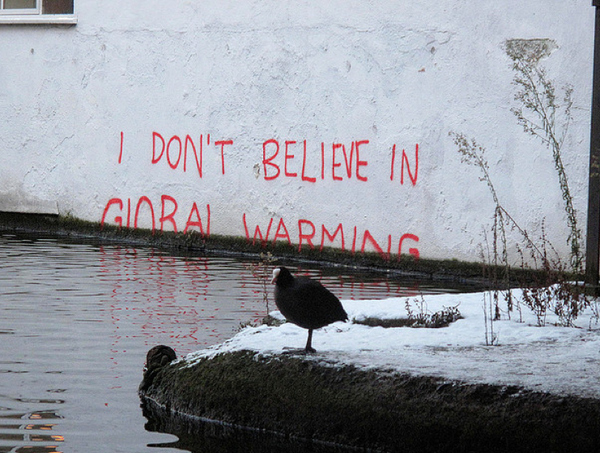
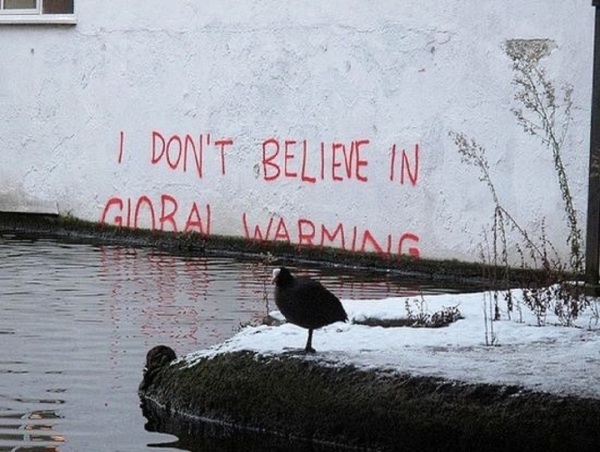
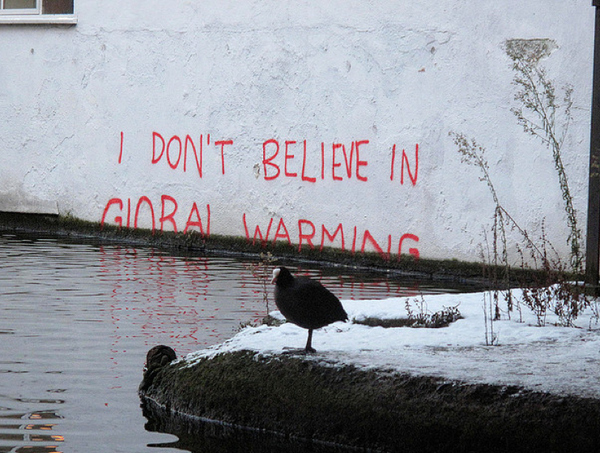
I don’t believe in global warming (Banksy, 4 photos)
Banksy’s approach to art, characterized by its accessibility and daring themes, has redefined the relationship between art and the public. His belief that art should be available to everyone has brought art out of the exclusive confines of galleries and into the streets, making it part of people’s everyday lives. This democratization of art has not only elevated the status of street art but has also changed the way we perceive and interact with art.Moreover, Banksy’s unwavering commitment to highlighting societal issues through his art has given him the ability to influence public discourse like few artists can. His provoking imagery and poignant commentary on pressing issues such as war, inequality, and consumerism have started important conversations, challenging us to question the status quo and contemplate our role within these systems.
Banksy’s knack for spectacle, such as the infamous shredding incident at Sotheby’s, has further amplified his influence by merging performance and visual art, creating unforgettable moments that transcend the confines of the art world. These audacious acts have not only propelled Banksy into the global spotlight but have also pushed the boundaries of what is possible in art.
In the end, Banksy is not just an artist; he is a phenomenon, a catalyst for change, and a symbol of resistance against conventional norms. His disruptive yet compelling artistry continues to captivate the world, and his influence, the “Banksy Effect,” continues to ripple through the realms of art and culture. His legacy is one that invites us to challenge our perspectives, to question our surroundings, and most importantly, to realize the power of art as a tool for change. As we continue to anticipate Banksy’s next move, one thing is clear: the world is his canvas, and we are all eager spectators.
Now click here to read some of Banksy’s best quotes: 14 Great Banksy Street Art Photos and Quotes!
And that’s a wrap on our deep dive into the world of Banksy!
Remember, street art is a global canvas, and each of us has a role to play in appreciating and preserving it. So, the next time you come across a Banksy—or any piece of street art—pause, take it in, and let it evoke thoughts and emotions. And if you’ve enjoyed this post, don’t hesitate to share it with your fellow street art enthusiasts and join our group: Your Street Art Utopia.Until next time, keep discovering, keep questioning, and keep appreciating the world of street art.
More by Banksy?: 18 Iconic Banksy Artworks (Indoors!)
The Goat?
Banksy at Royal Courts of Justice in London.
More here!More!: Indoor Art By Banksy! (18 Photos)
Which one is your favorite?
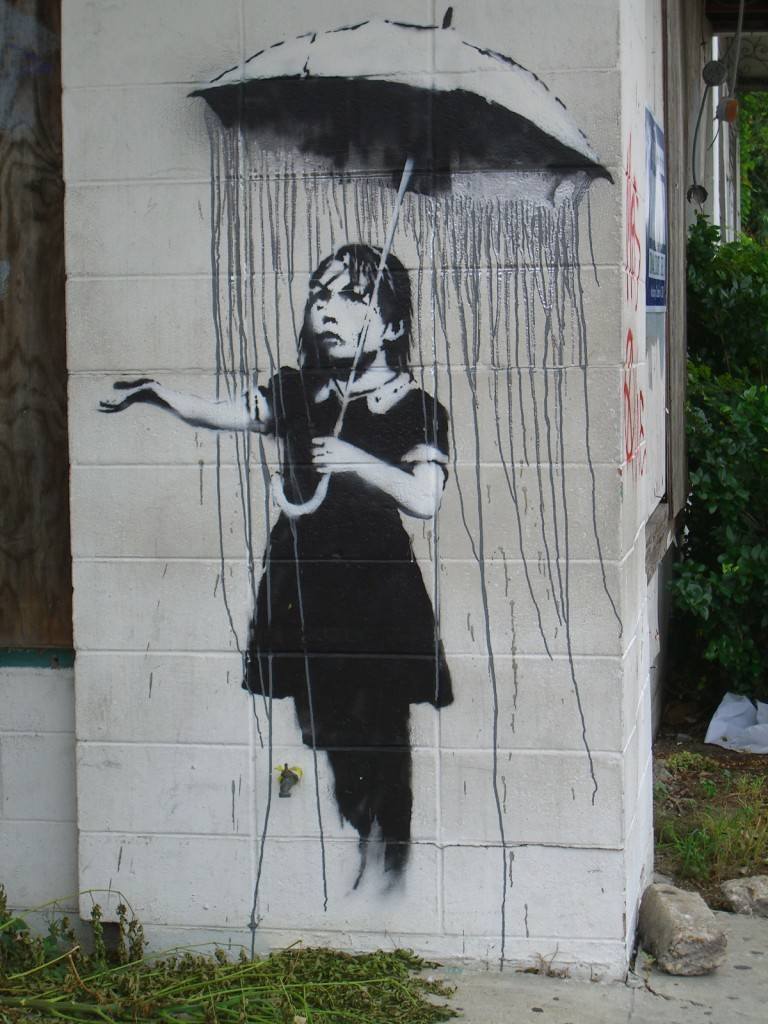
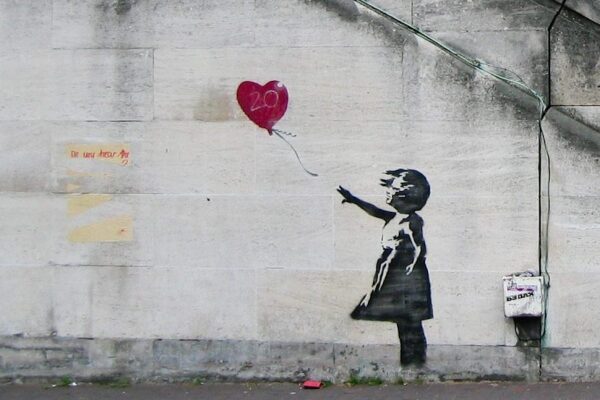
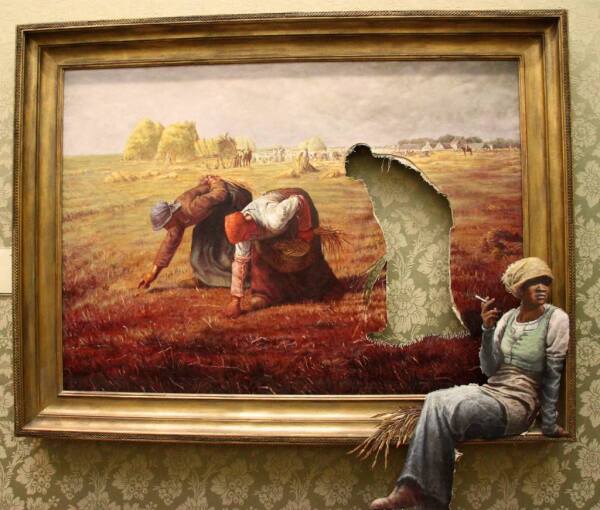

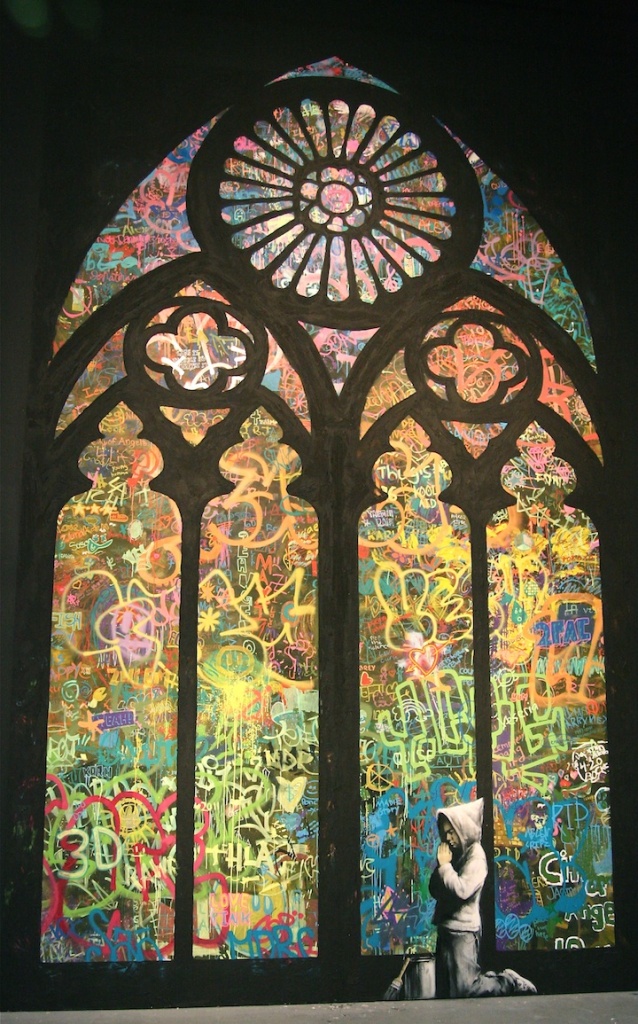
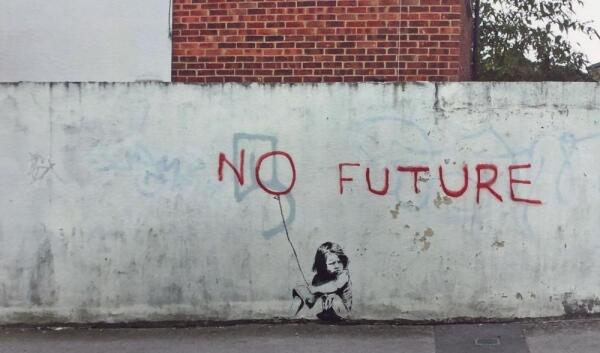
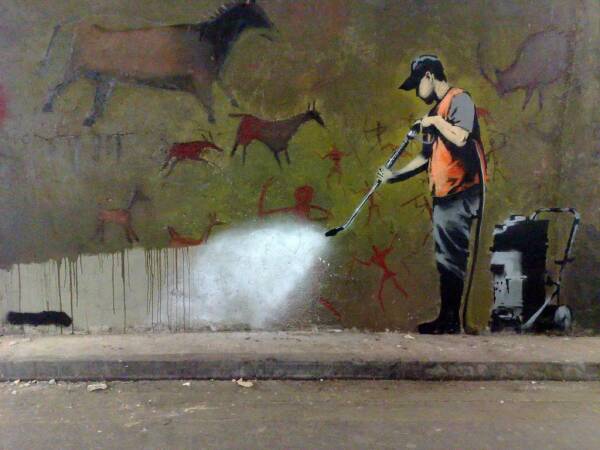
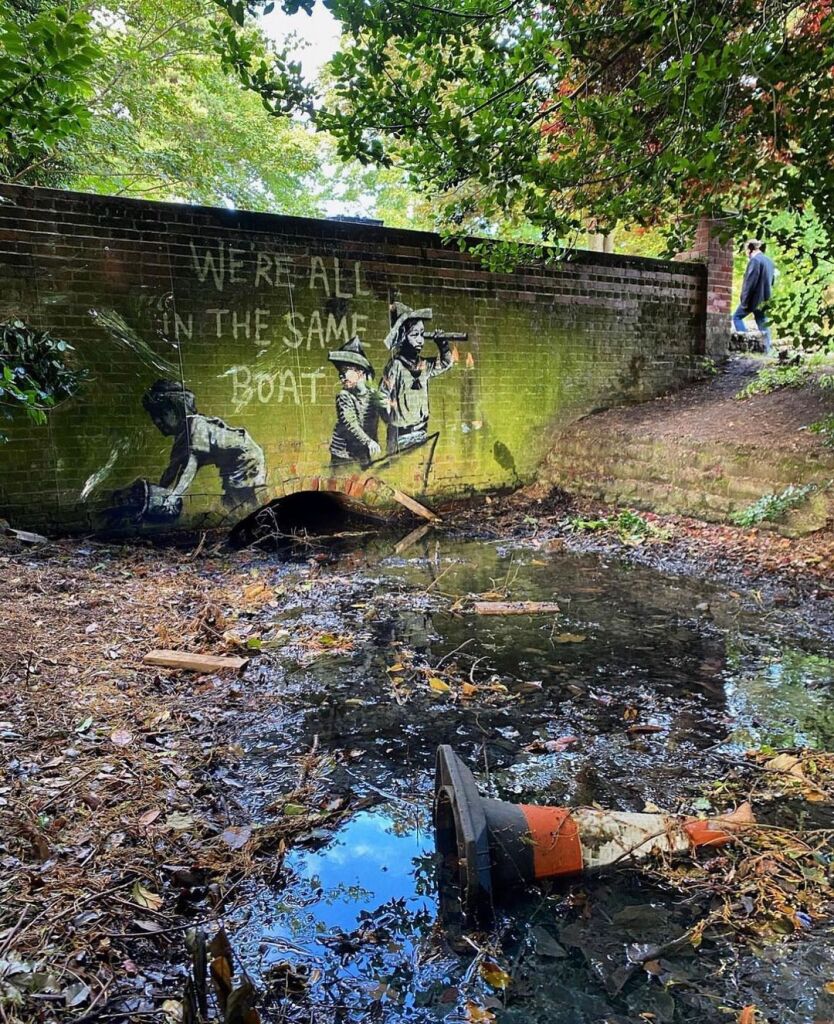
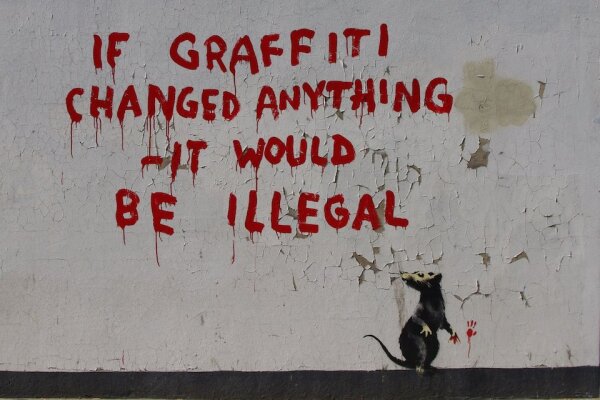


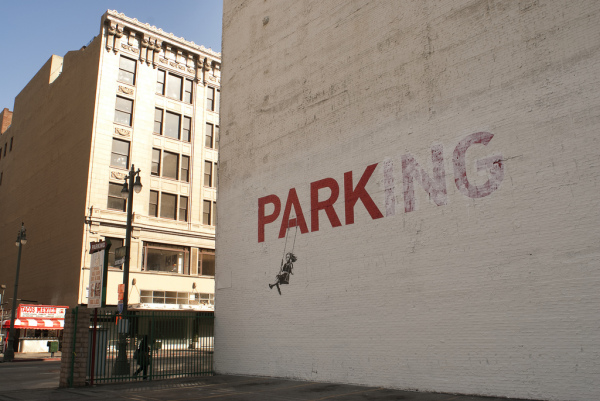
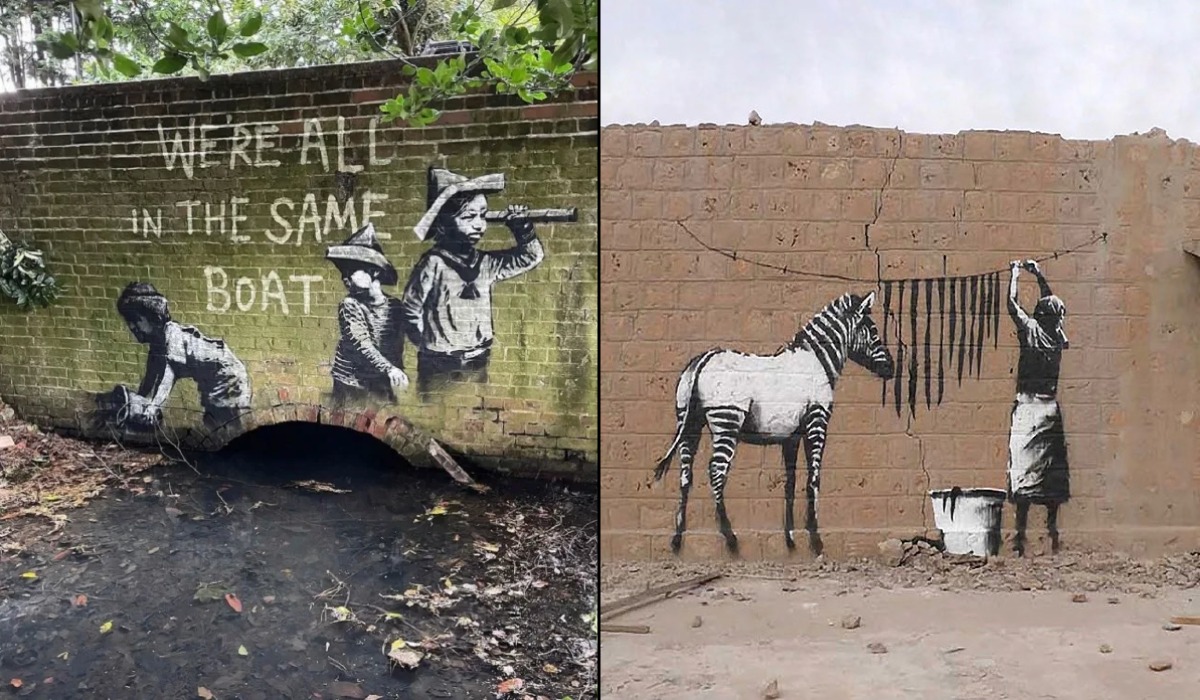
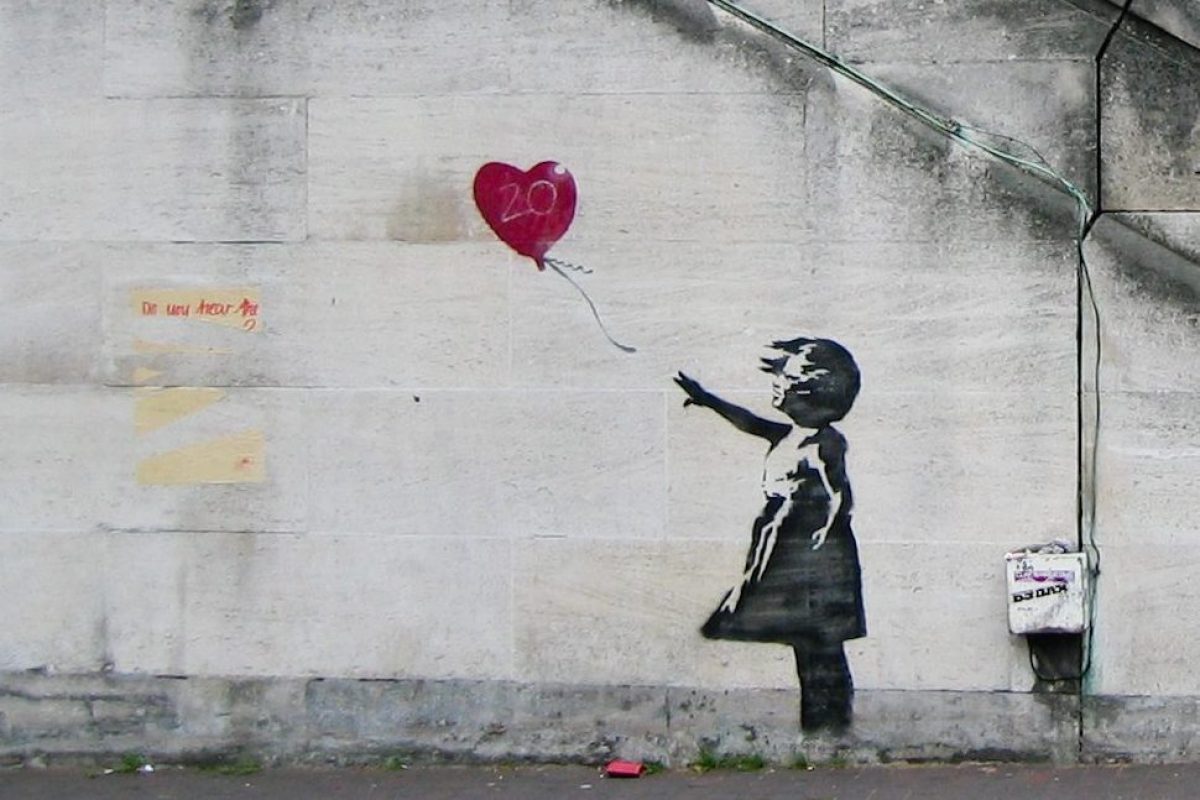
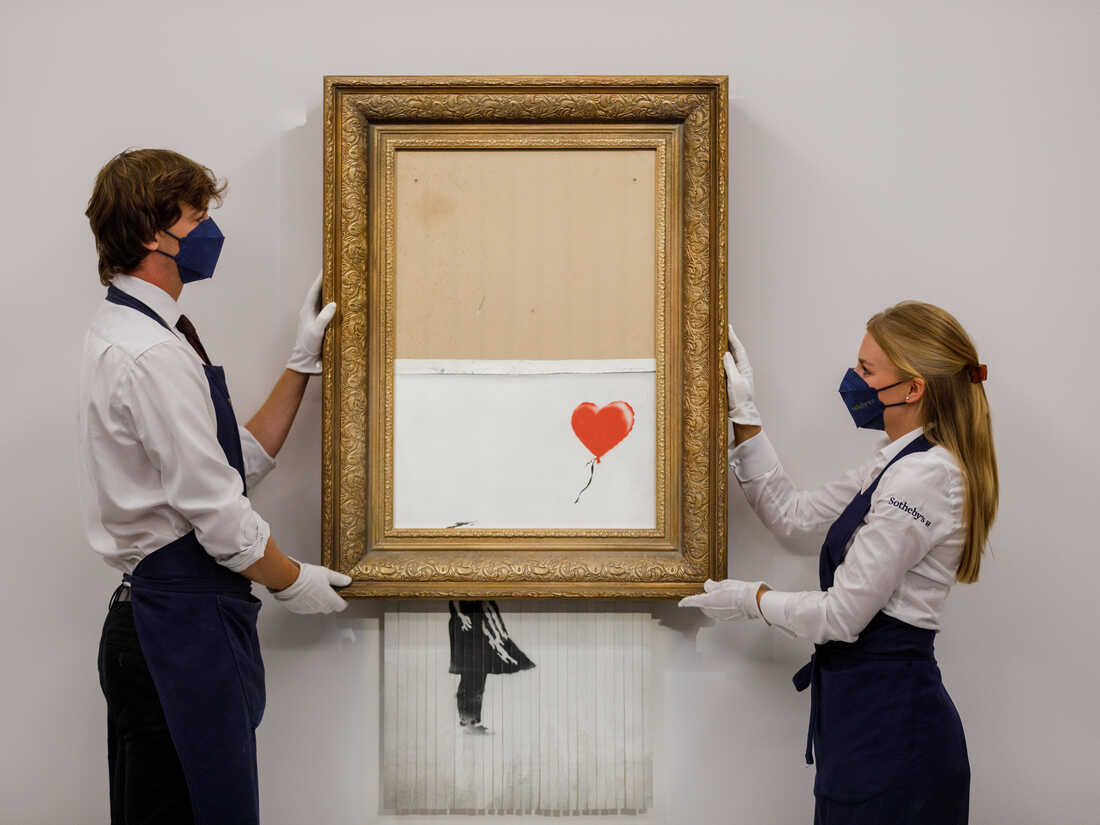


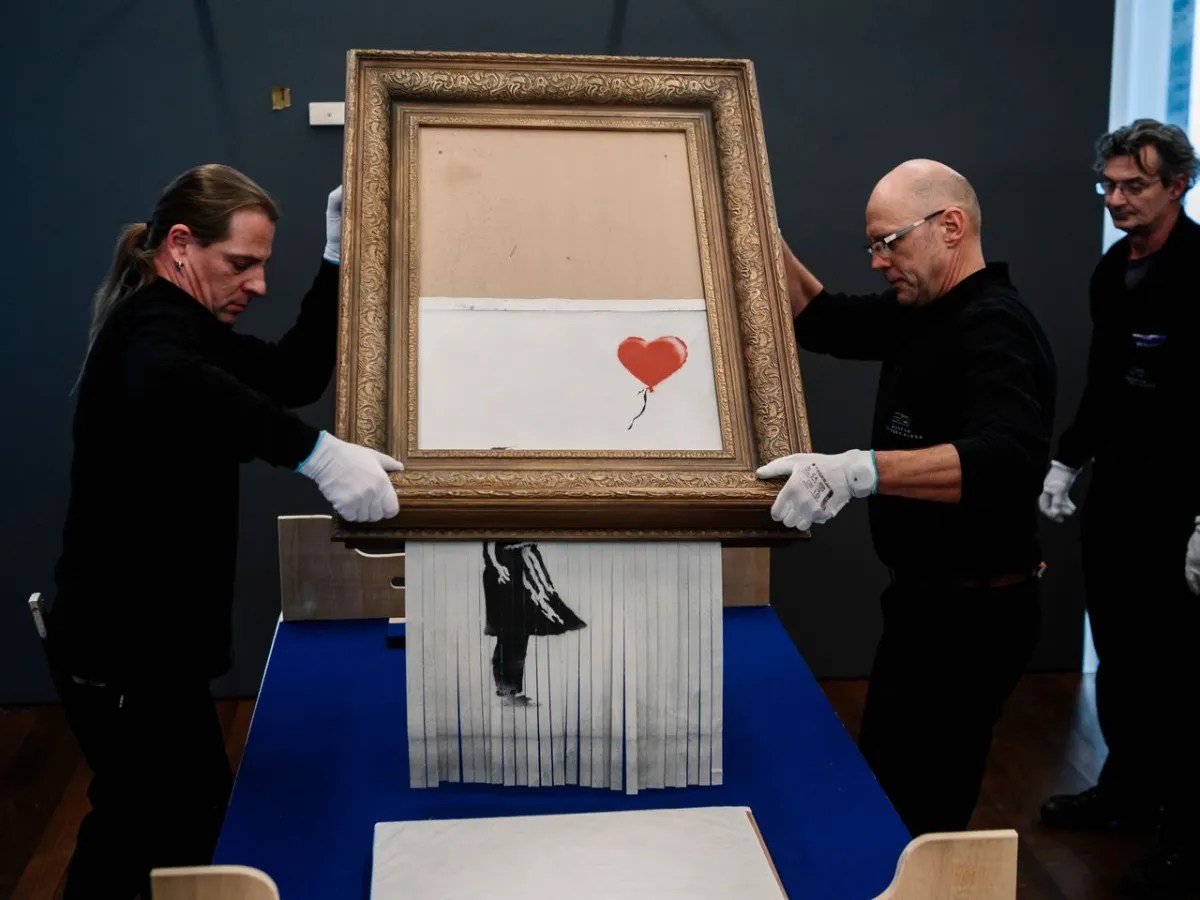
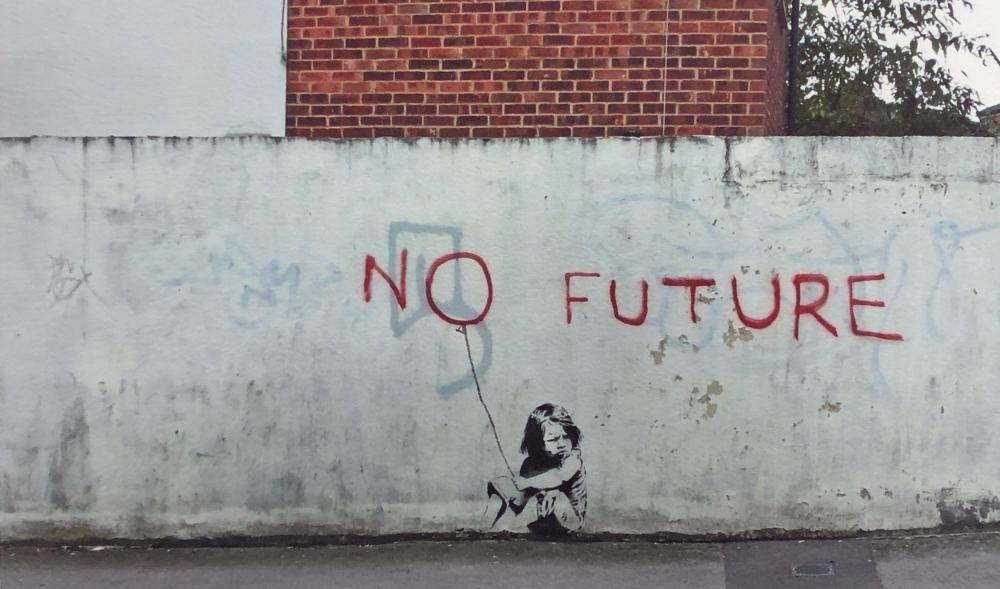
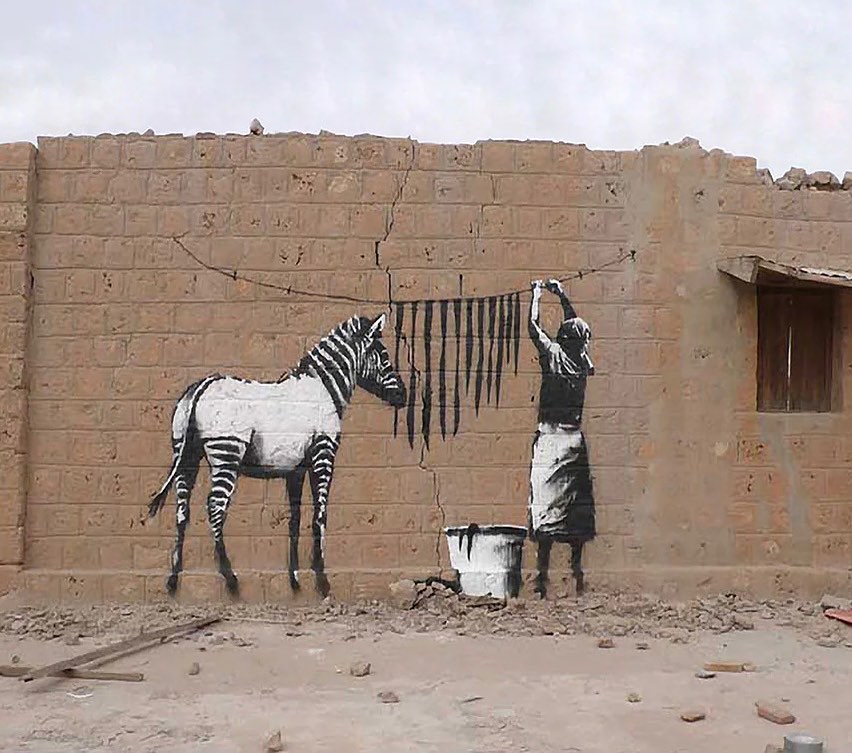
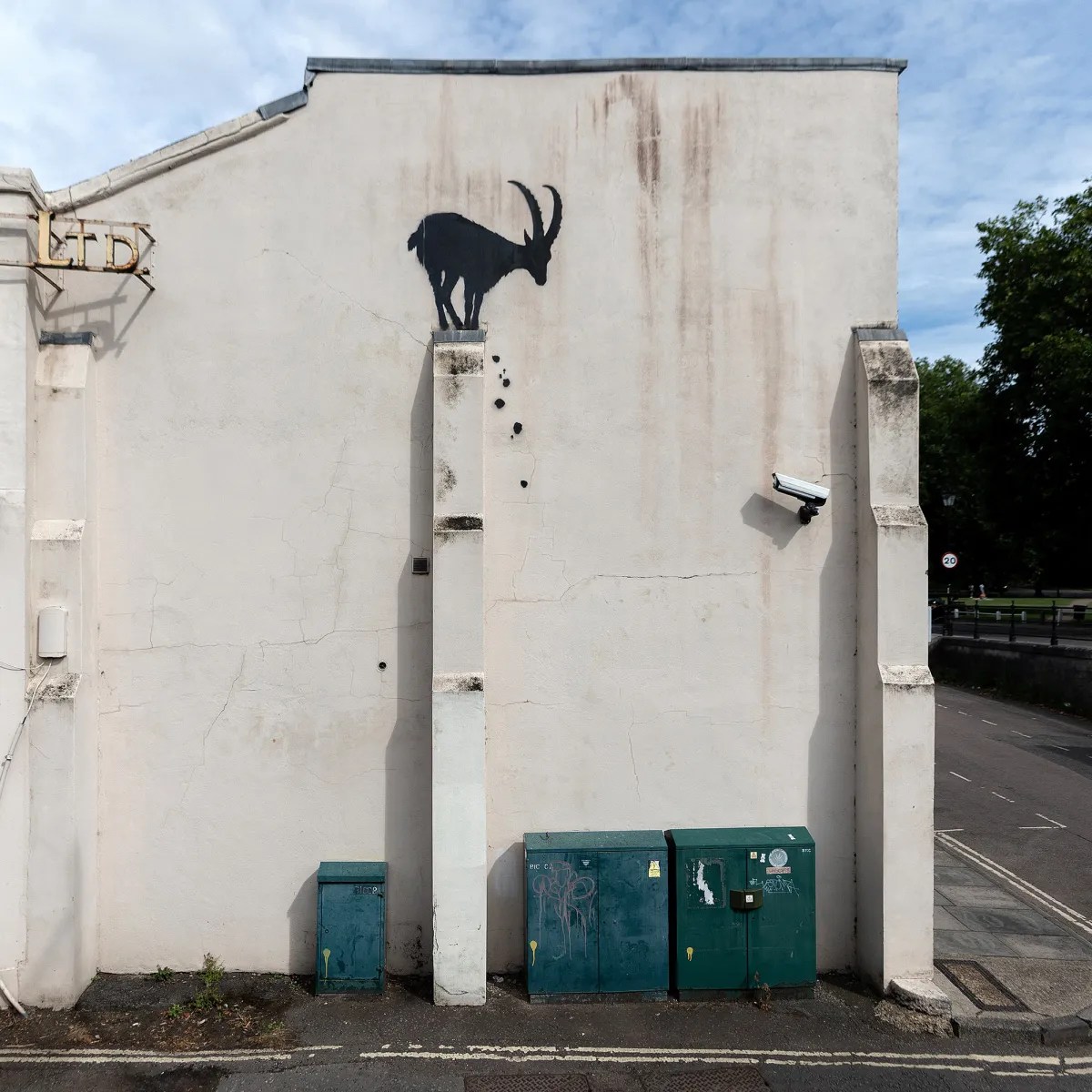
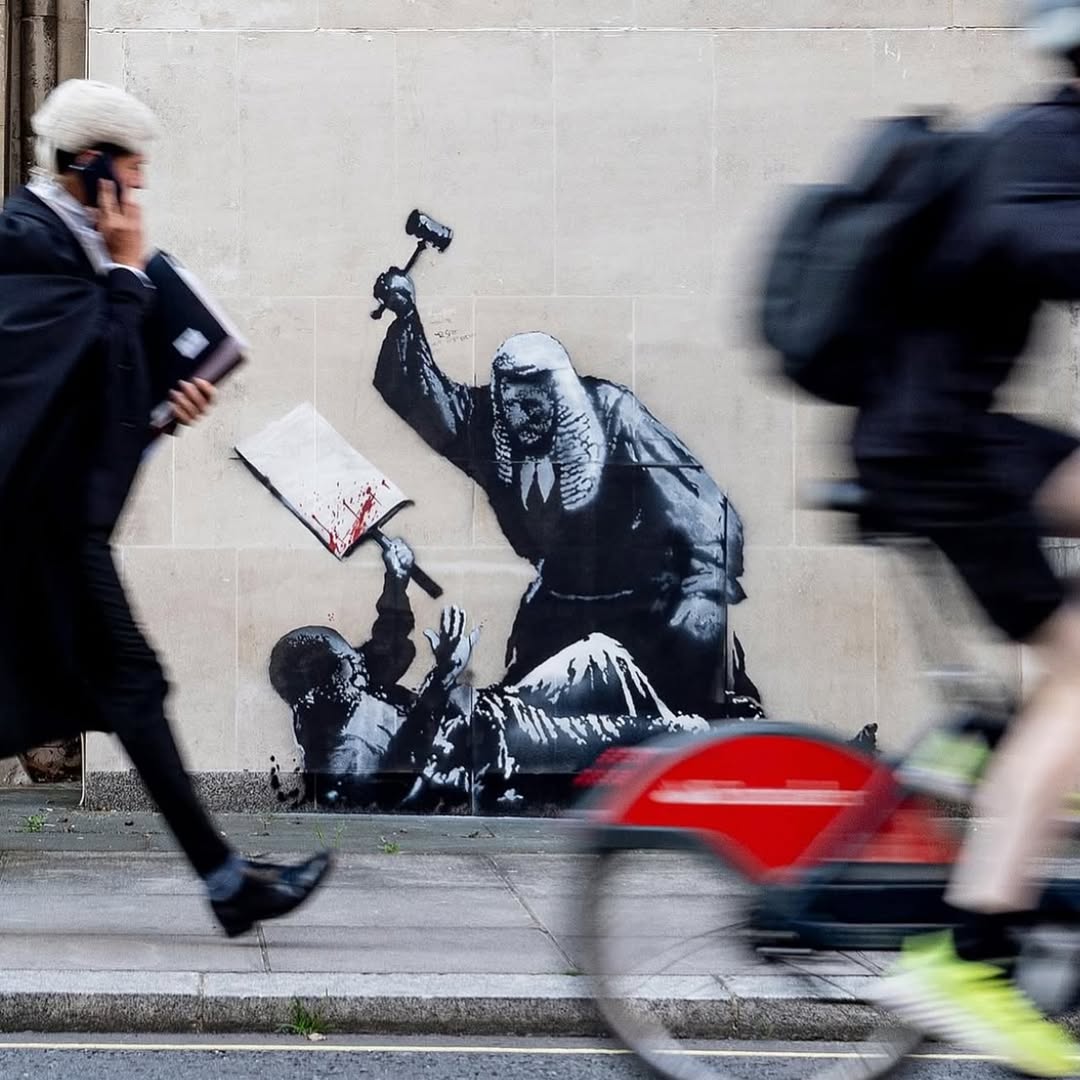
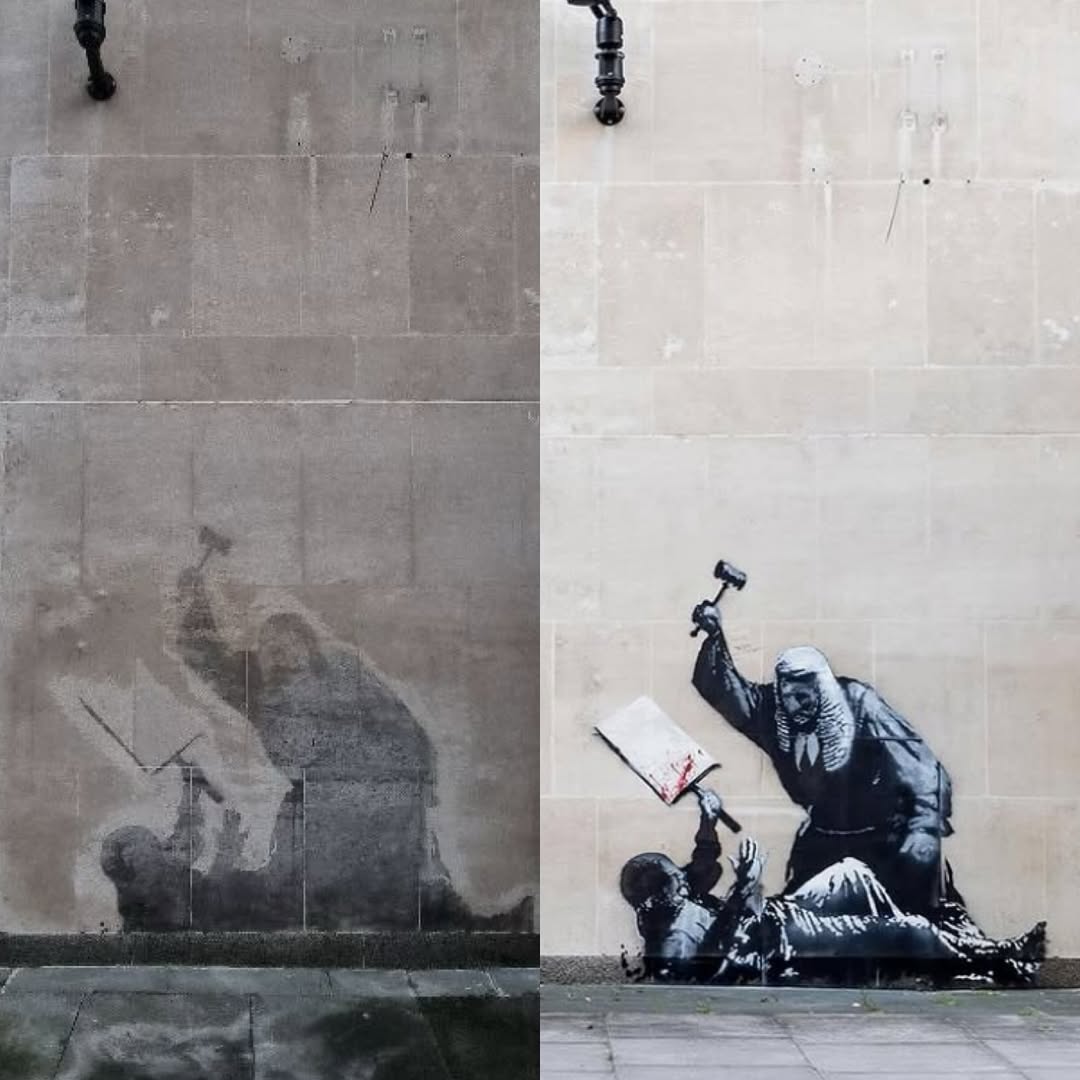
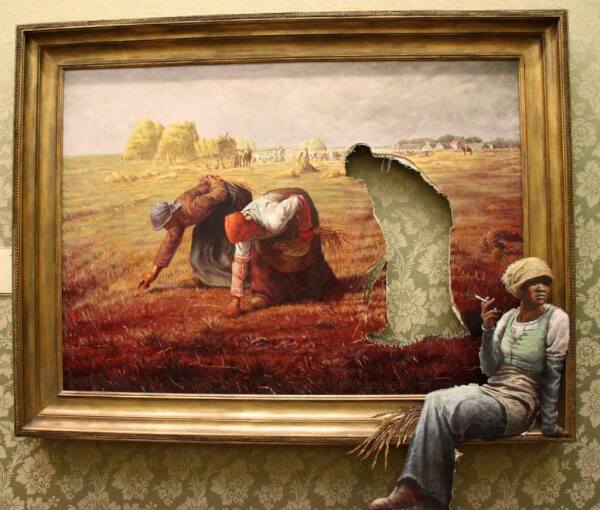
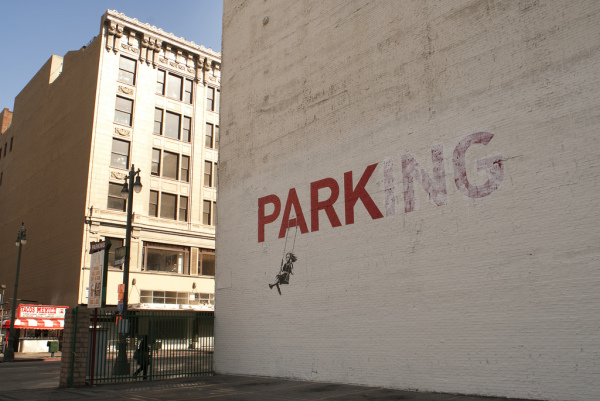
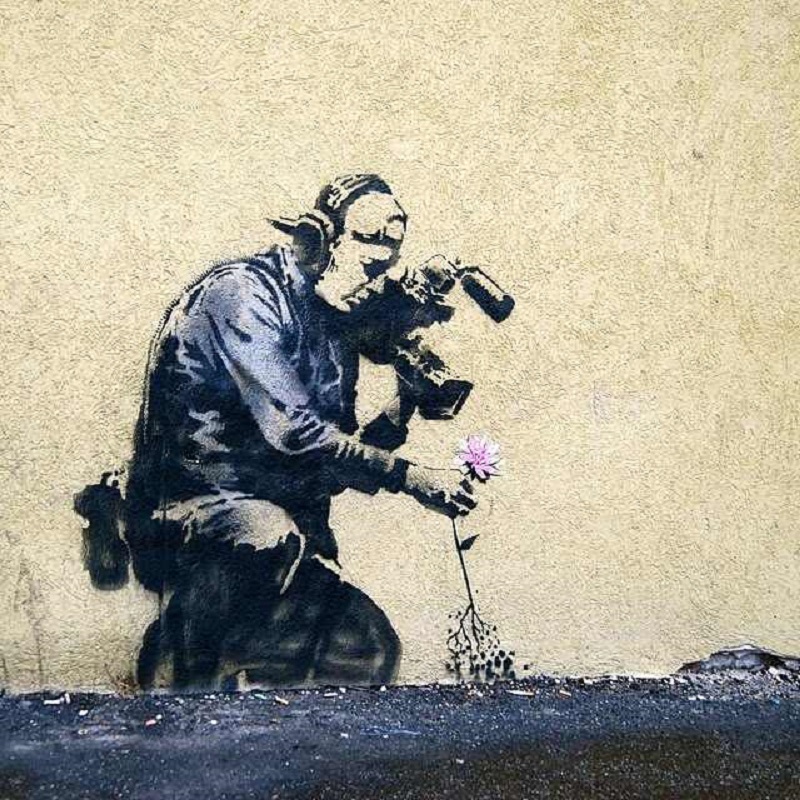
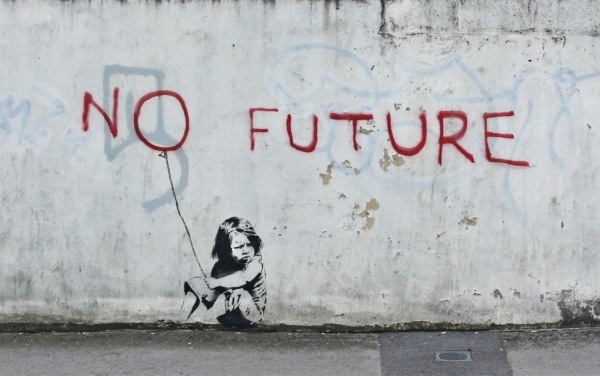
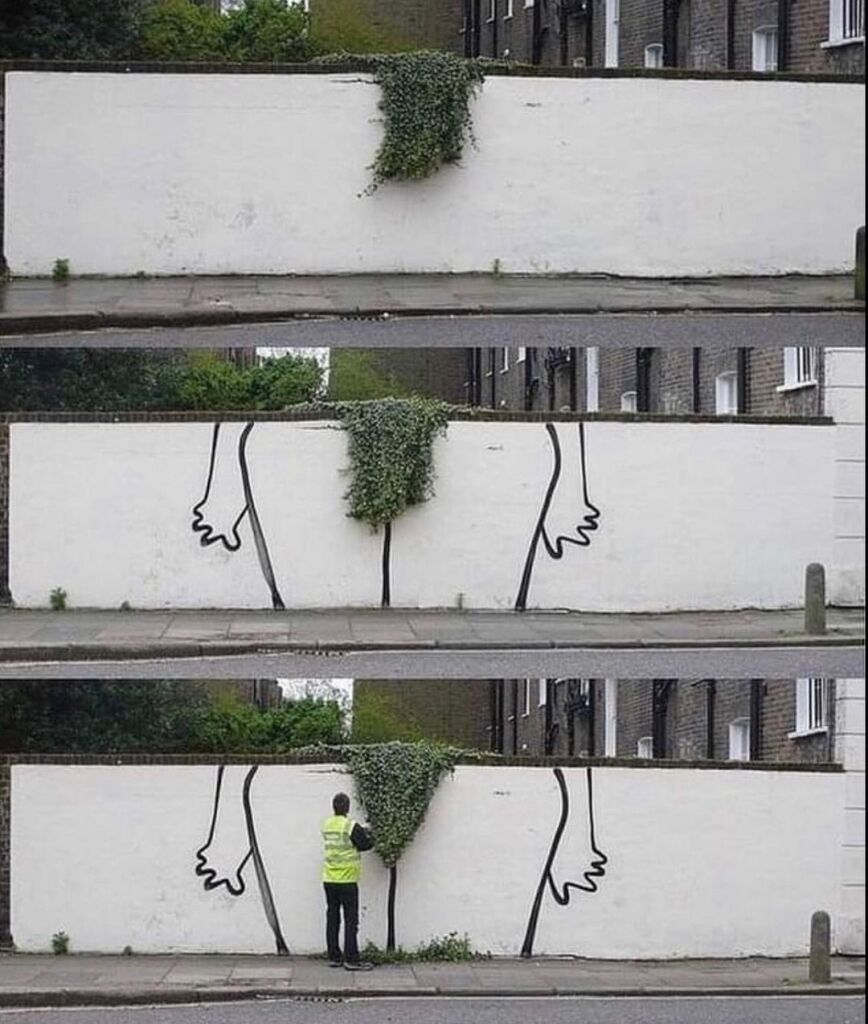
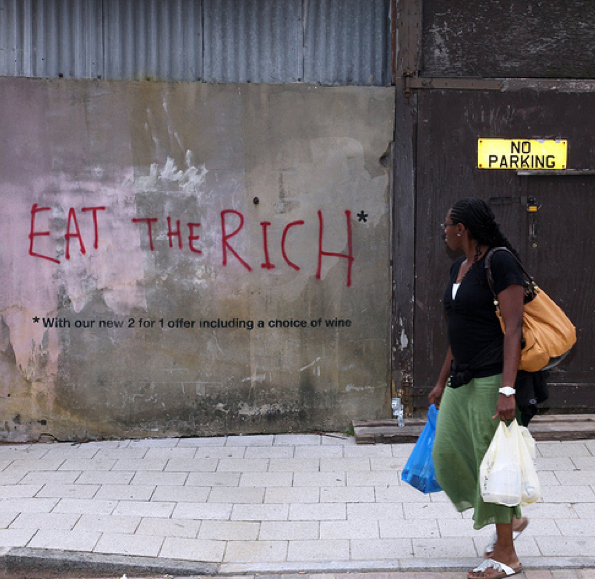
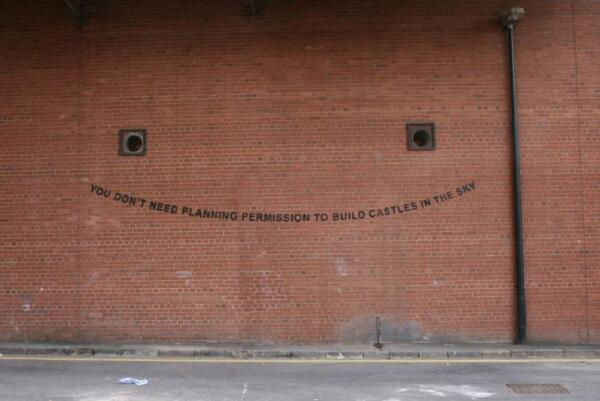
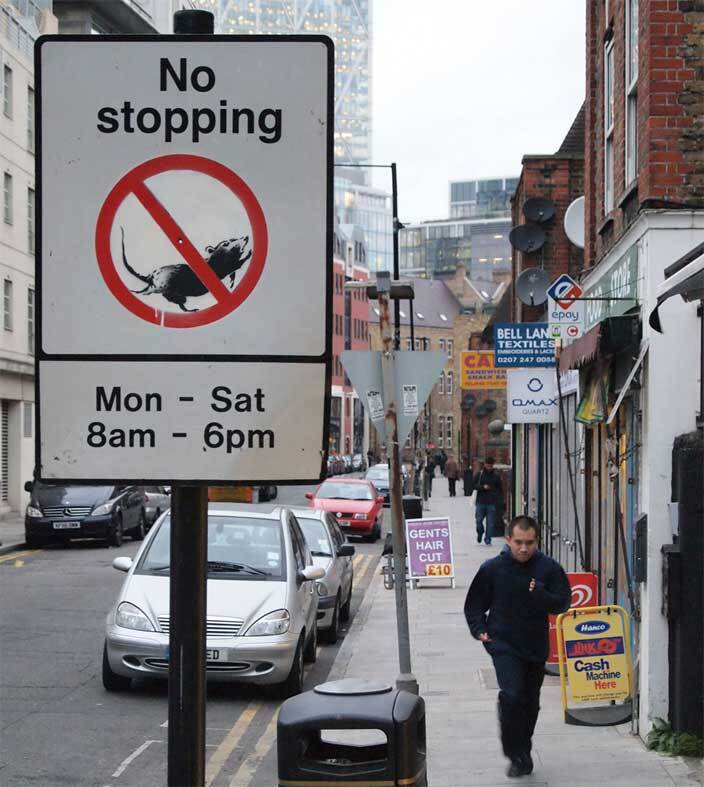
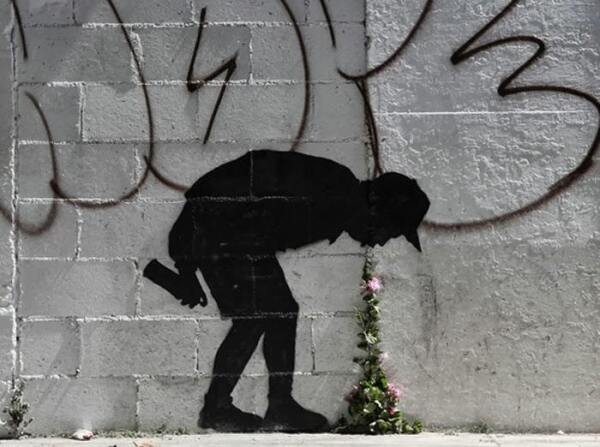
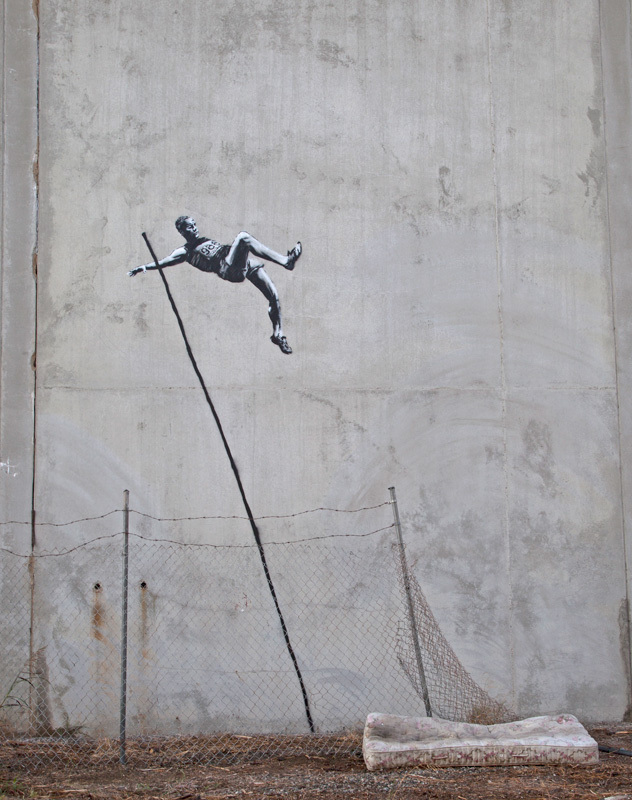
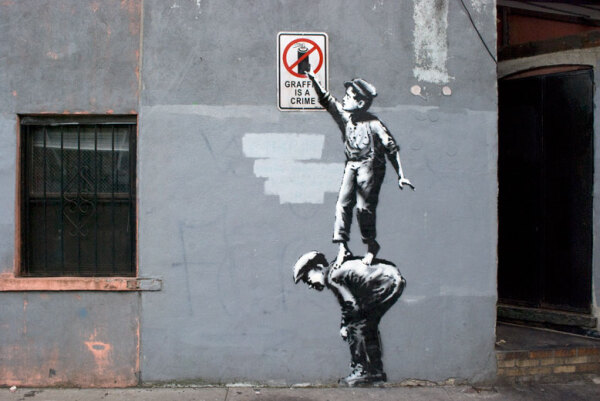
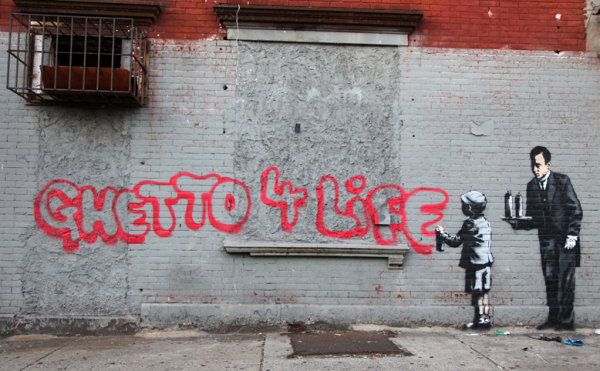
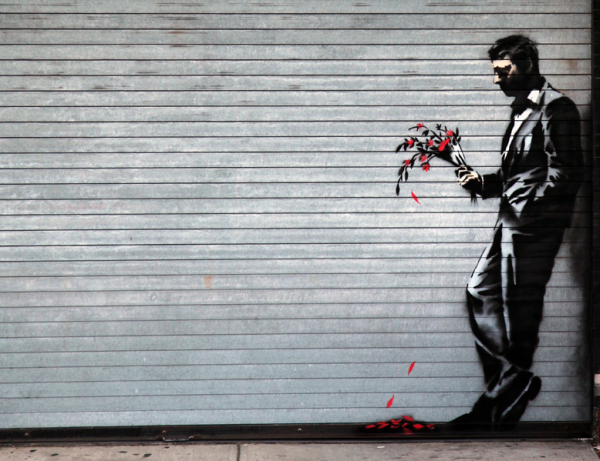
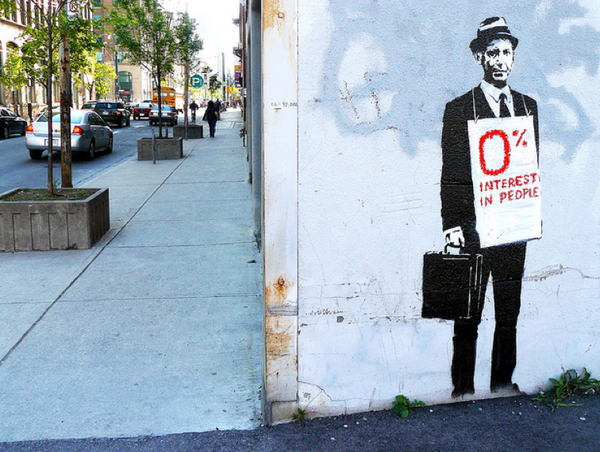
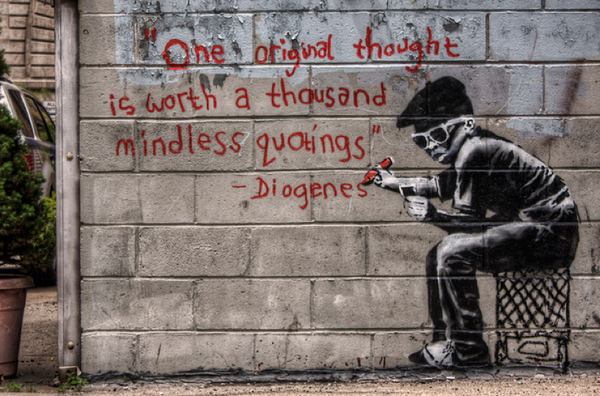
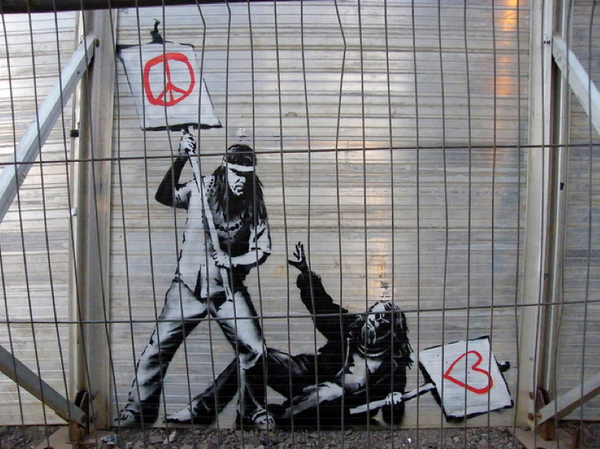
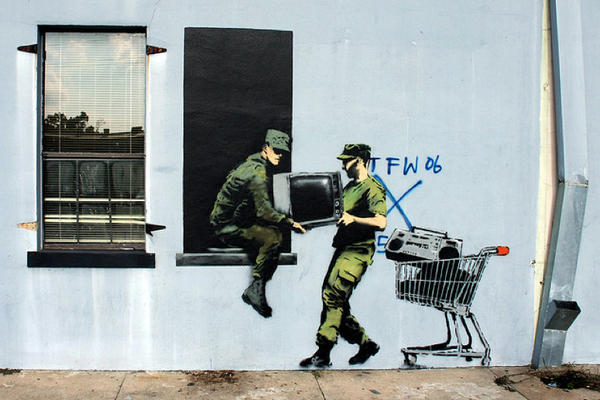
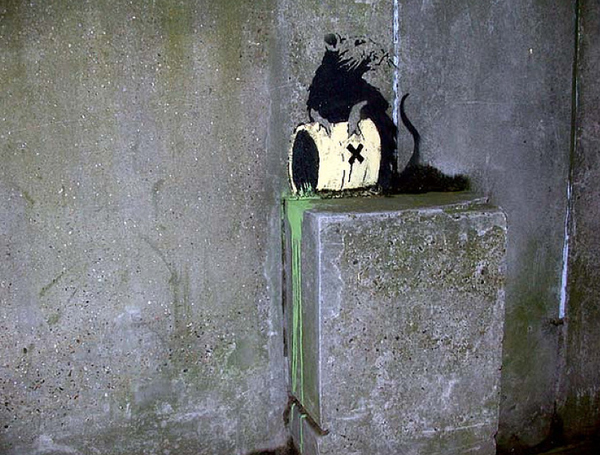
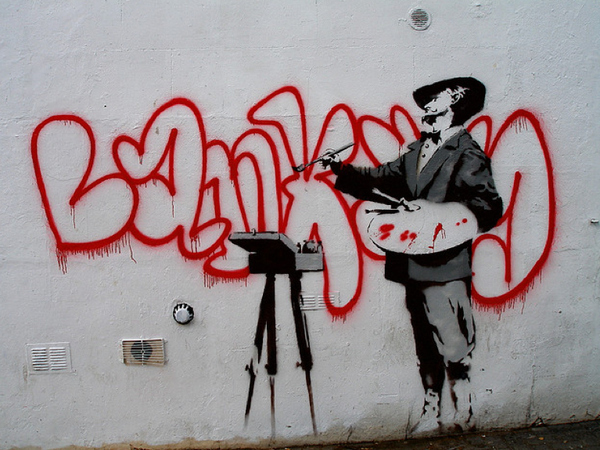
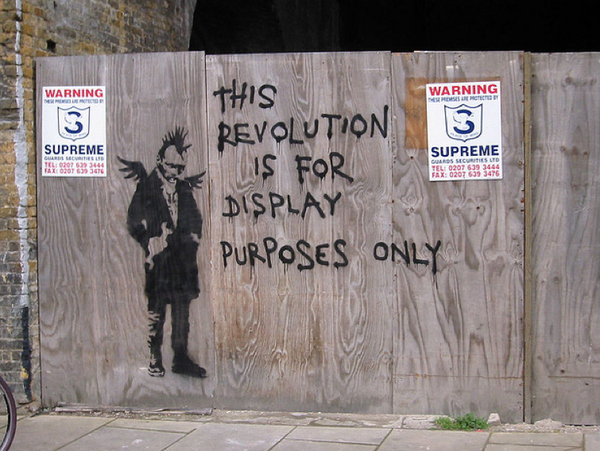
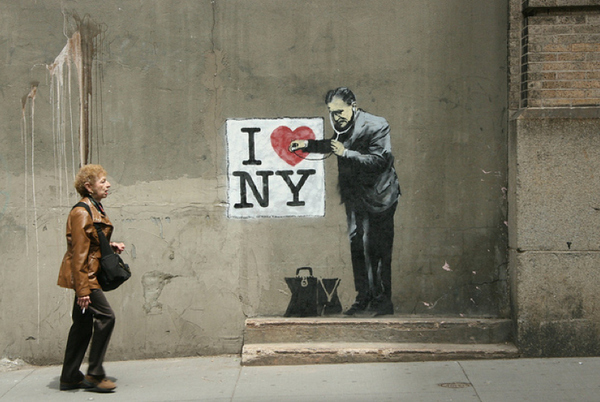
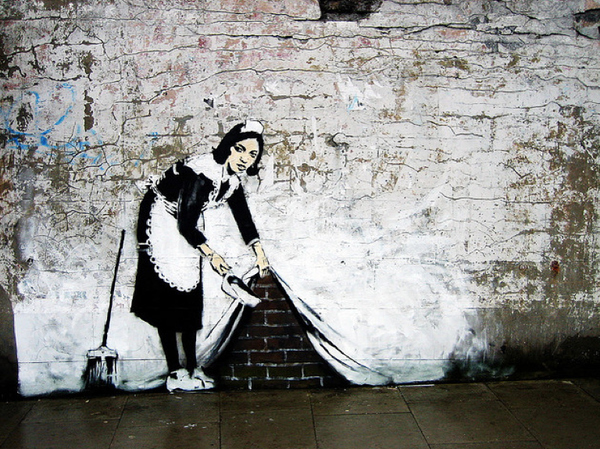
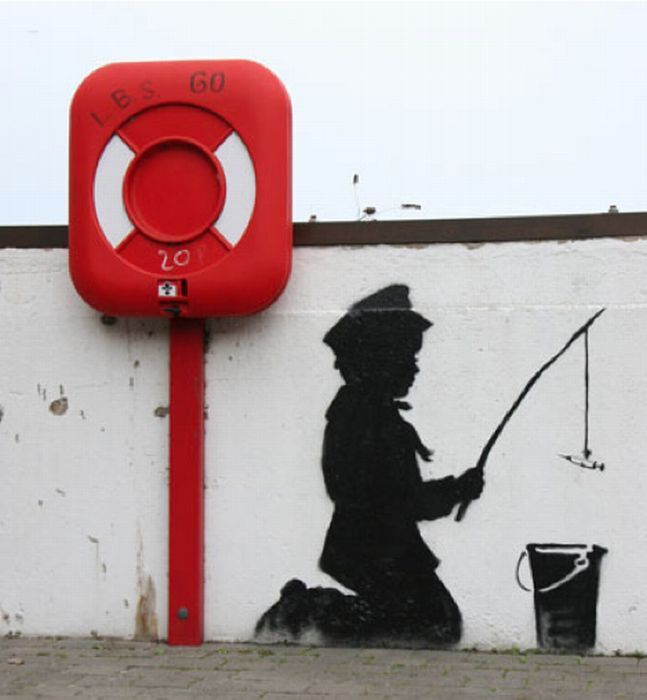
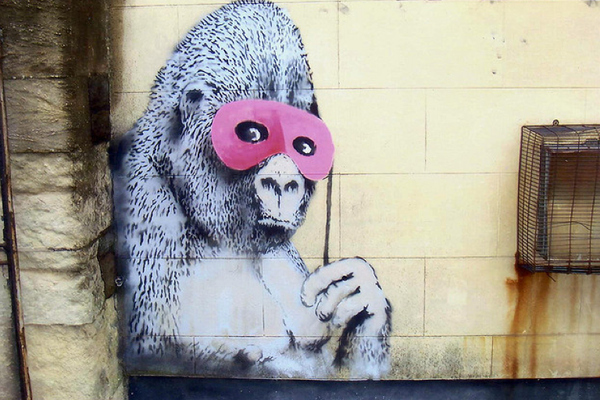
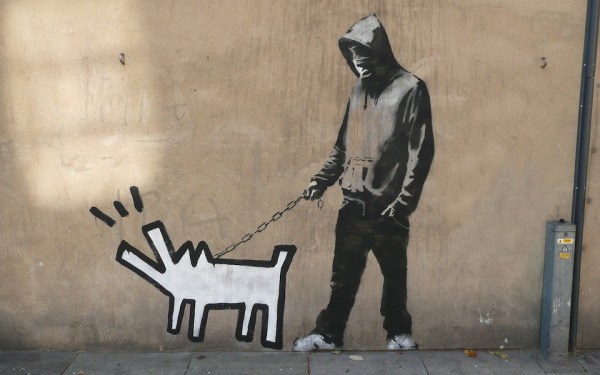
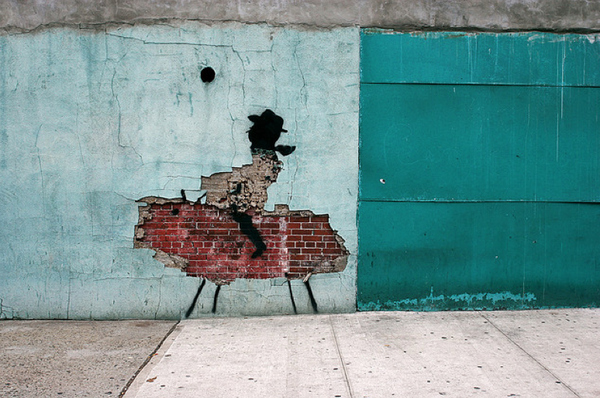
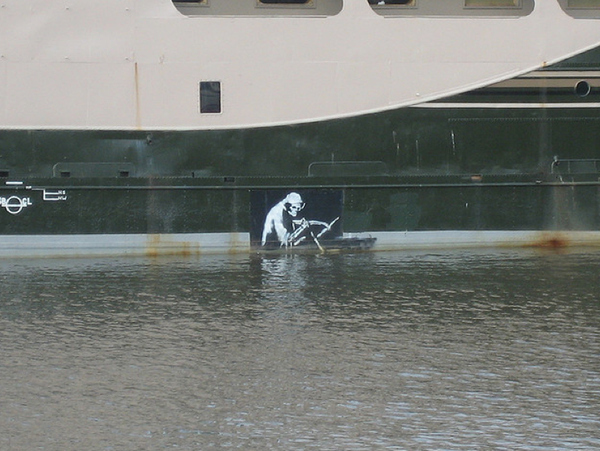
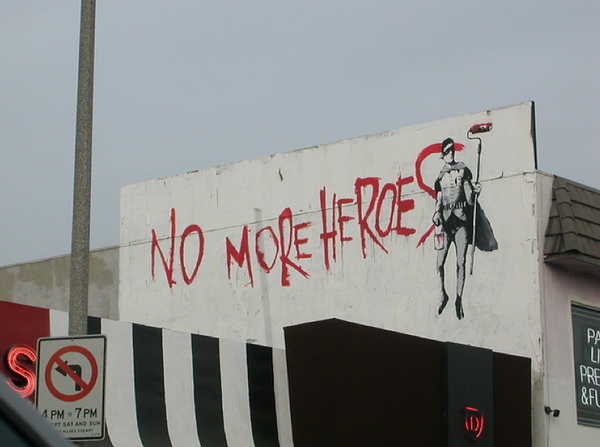
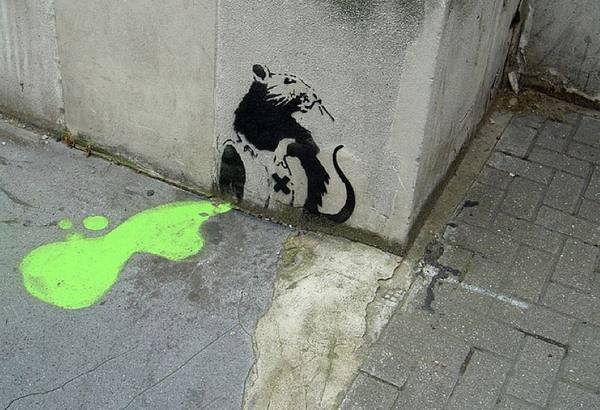
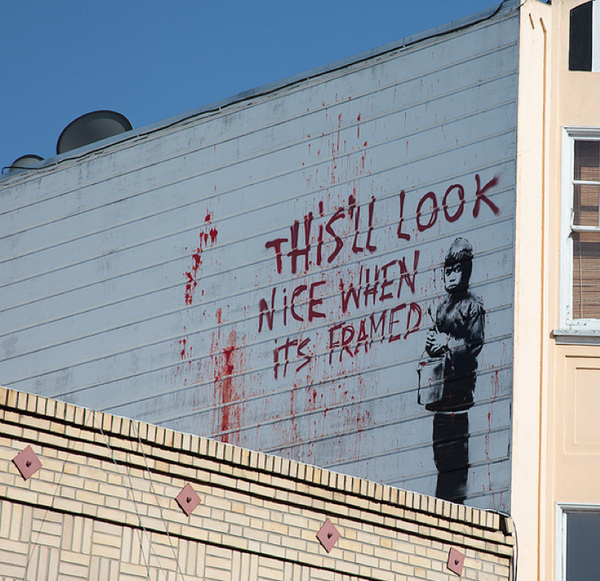
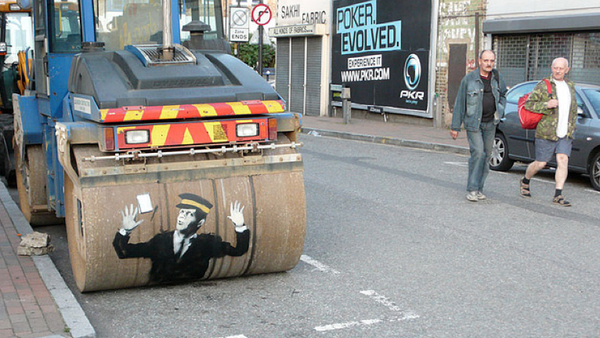
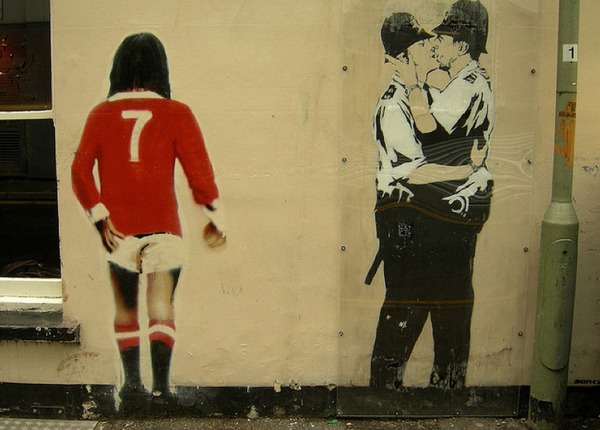
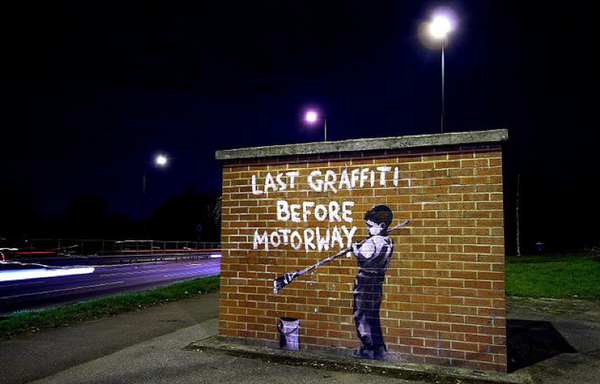
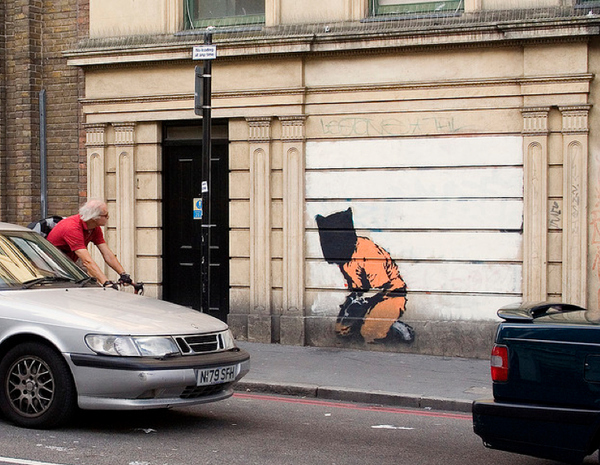
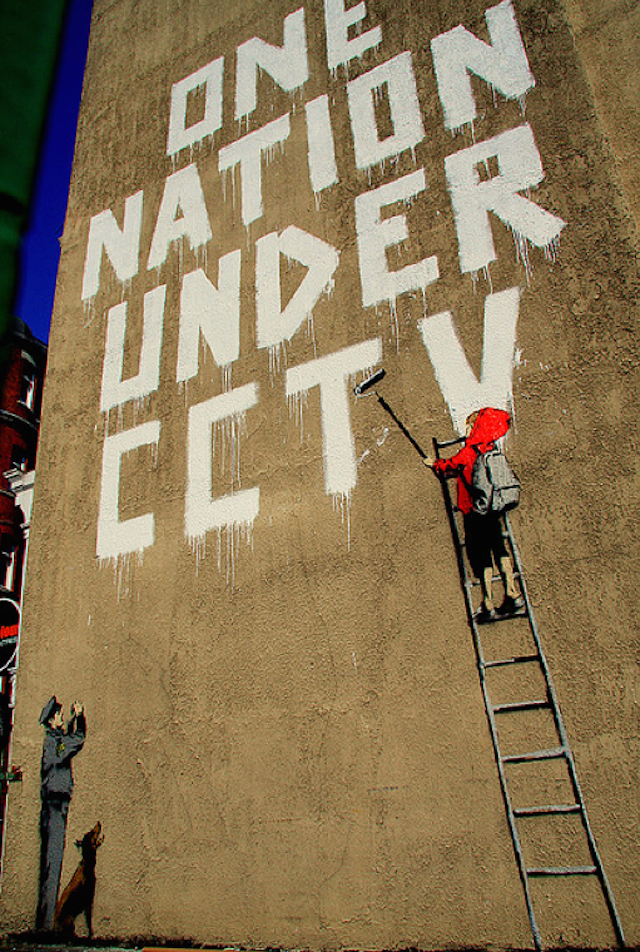
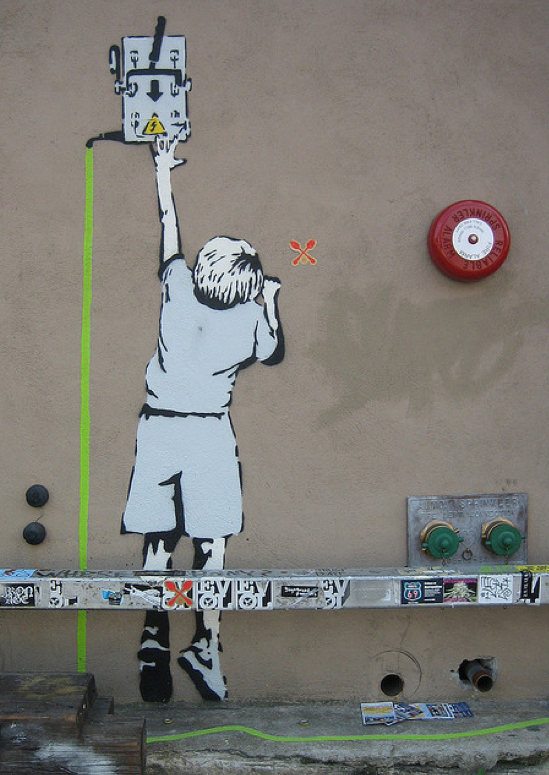
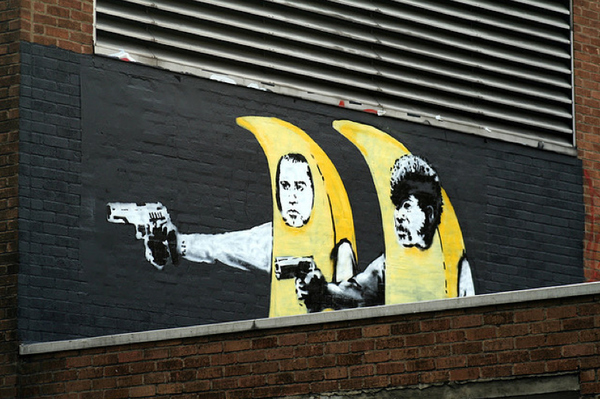
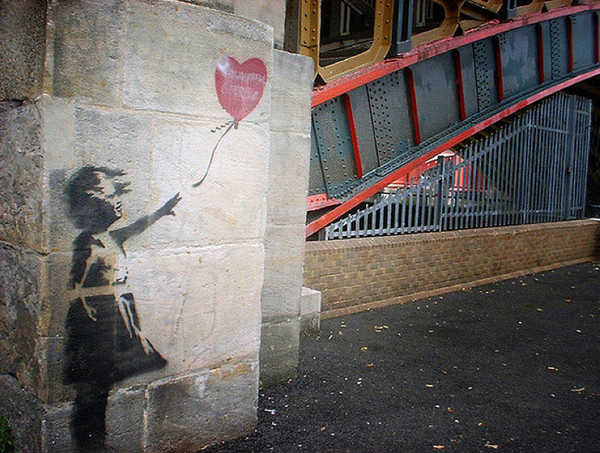
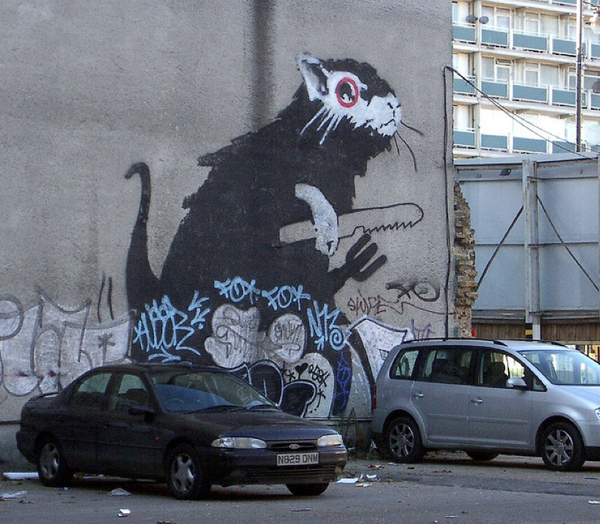
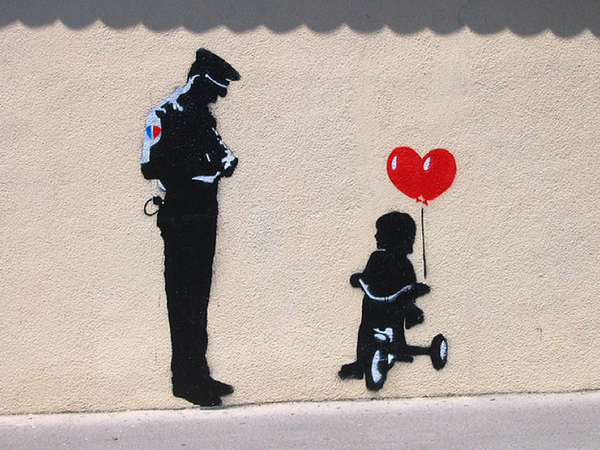
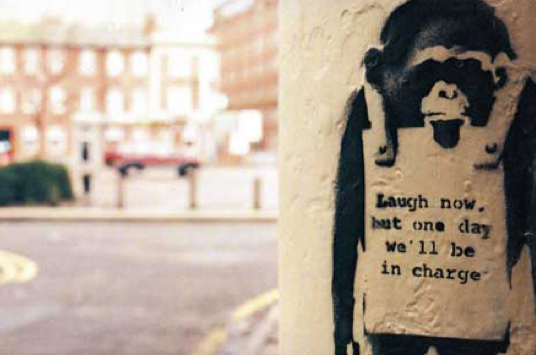
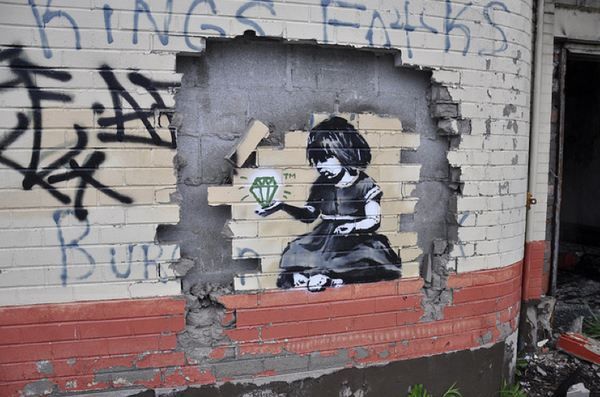
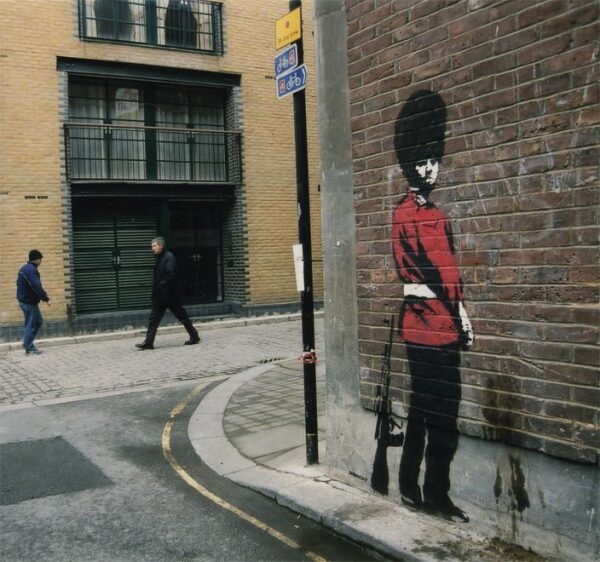
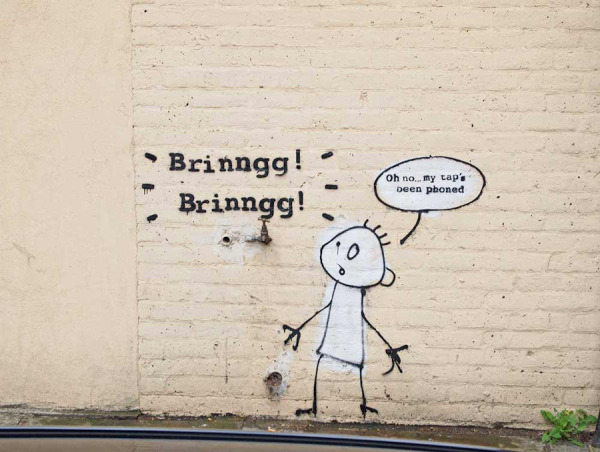
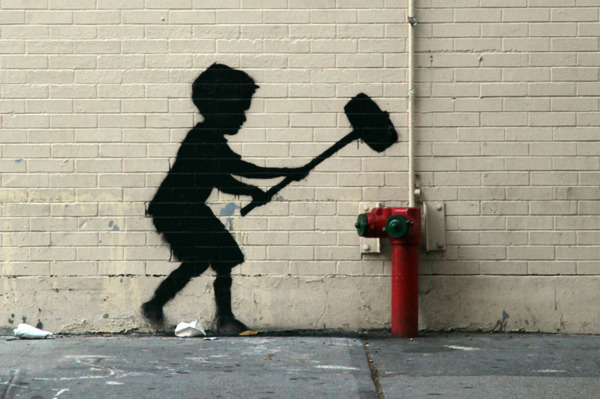
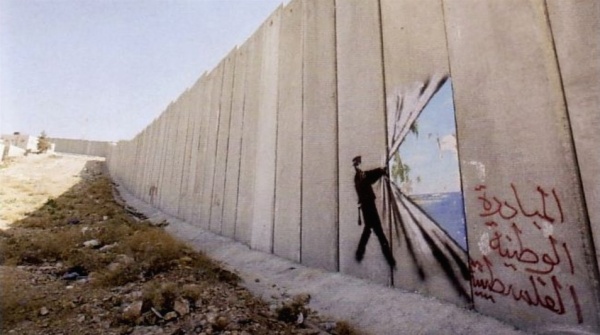
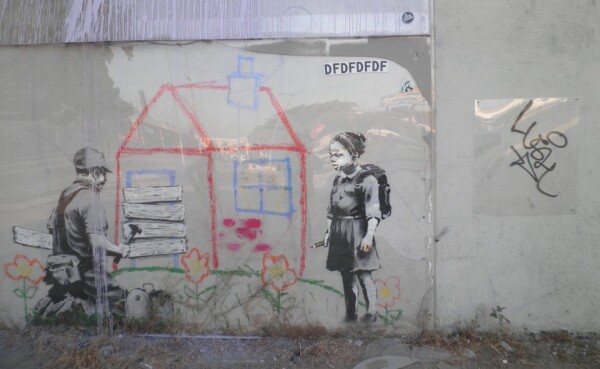
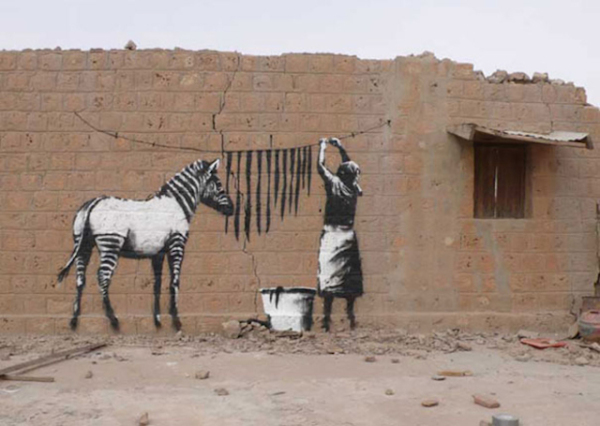
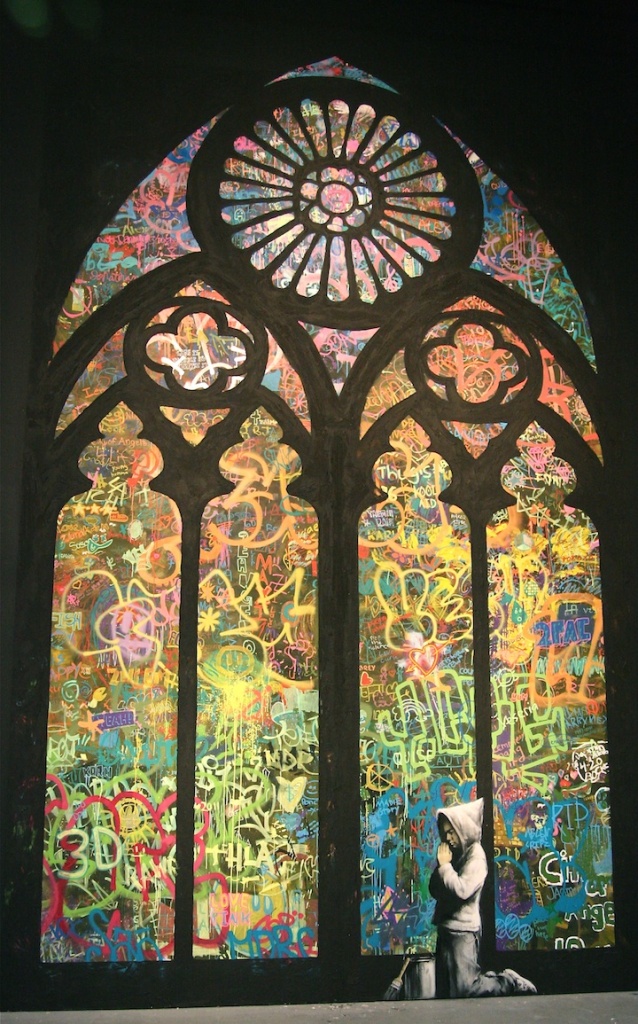
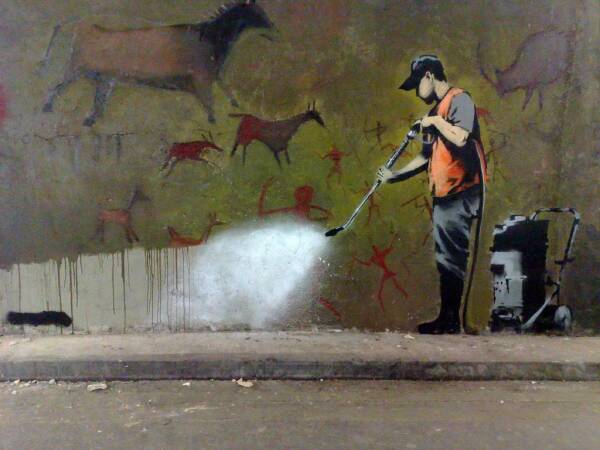
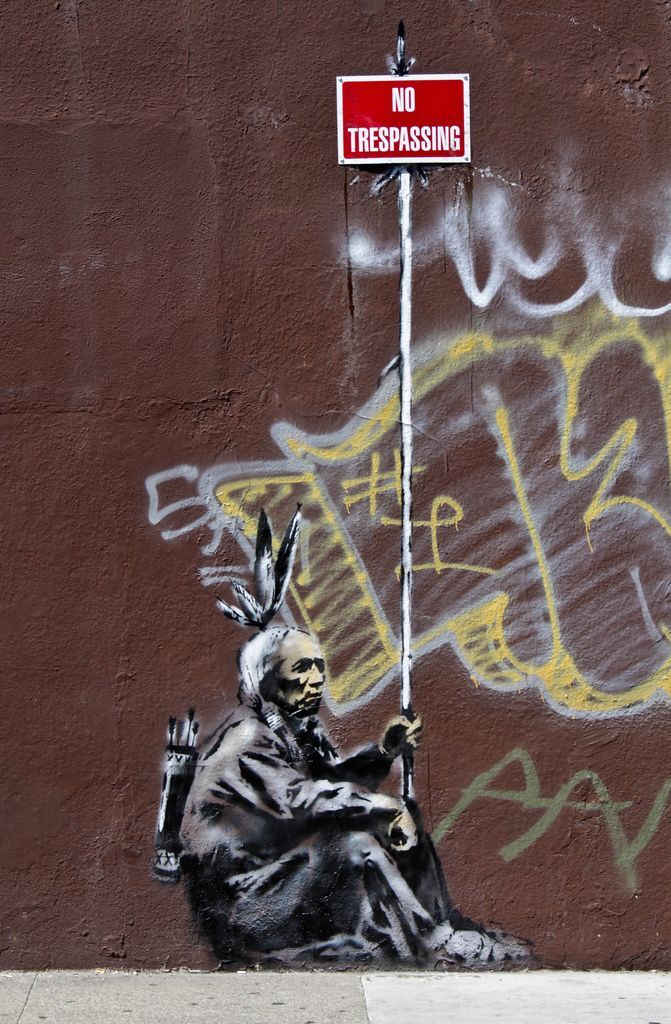
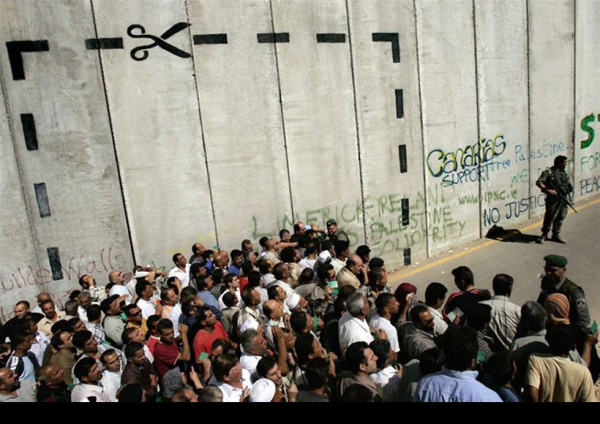
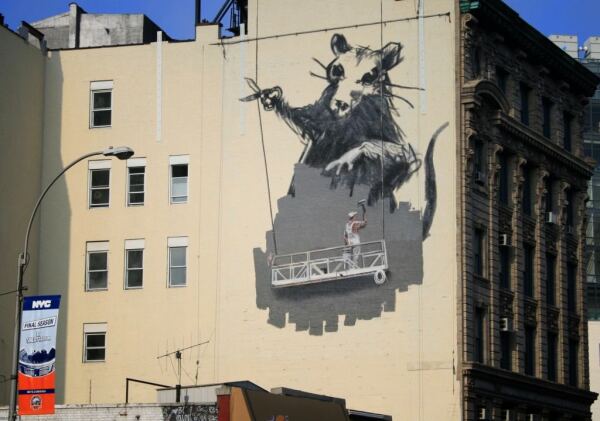
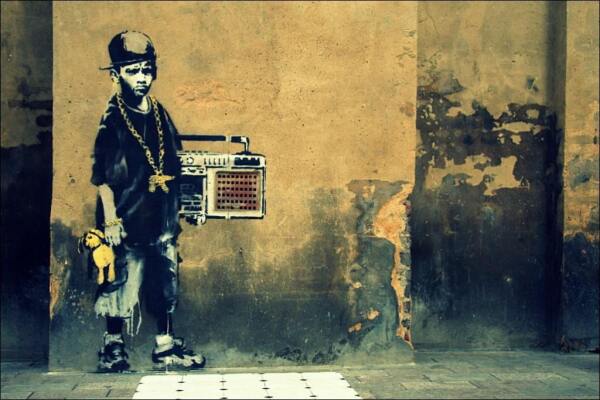
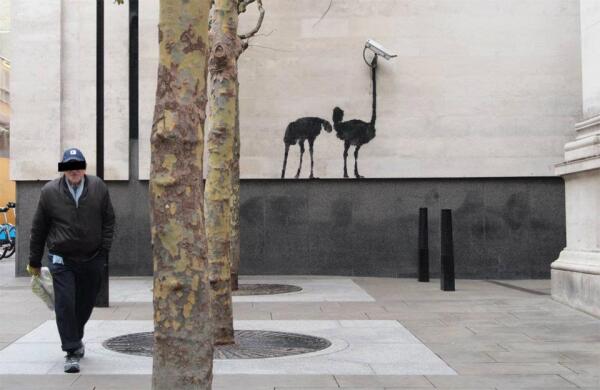
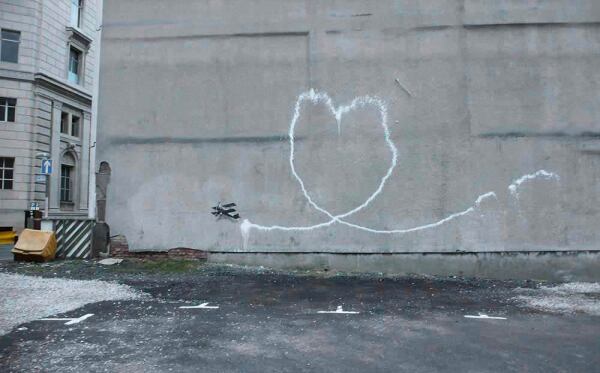
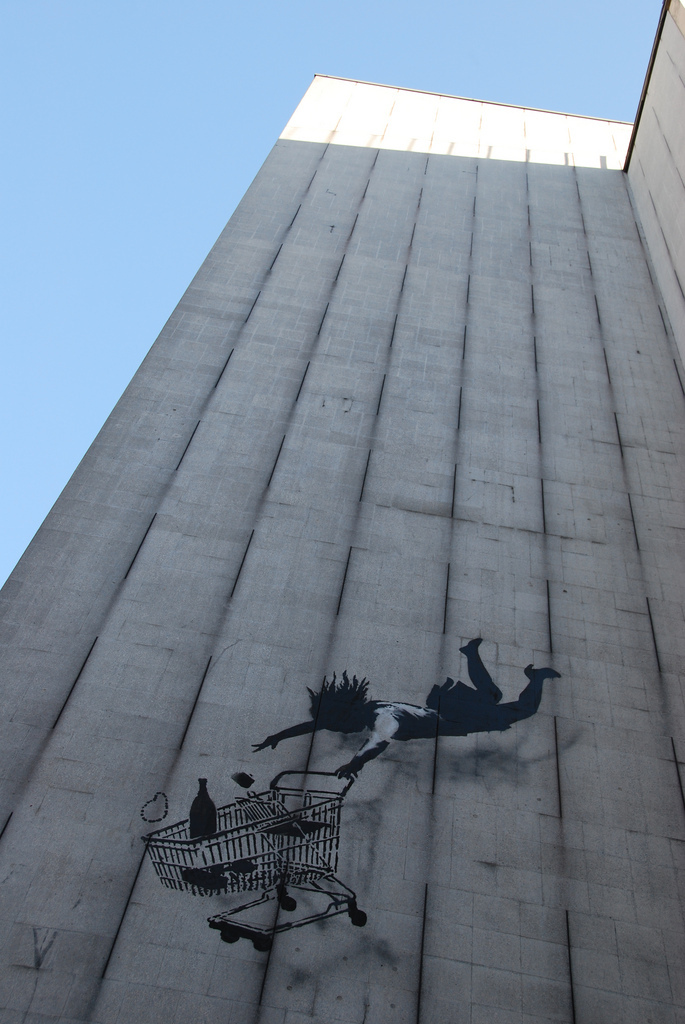
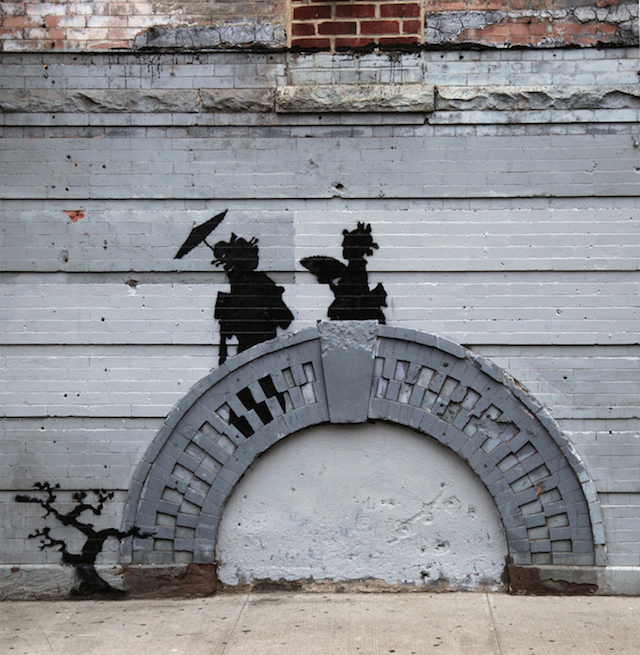
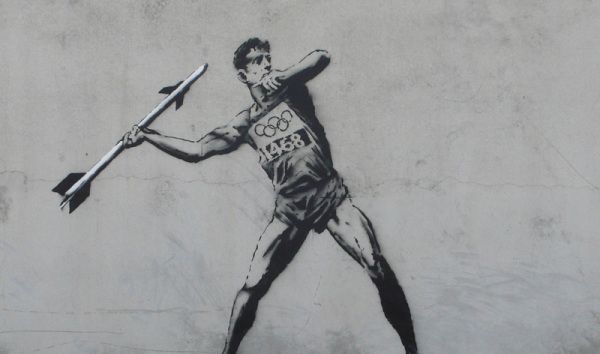
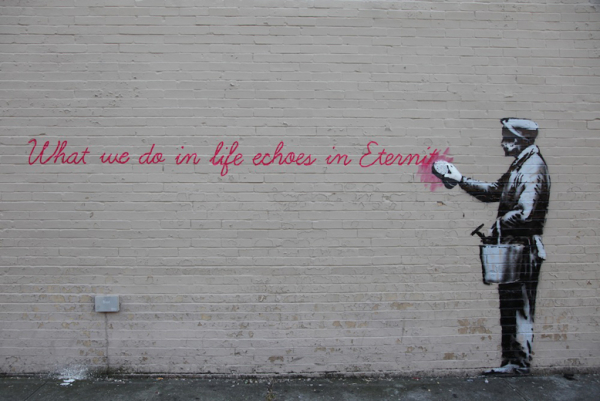
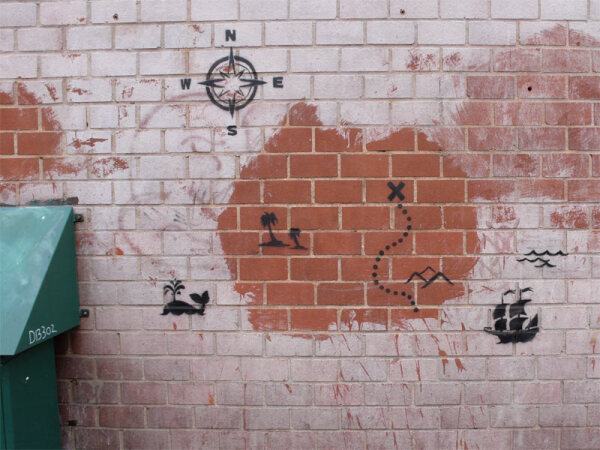
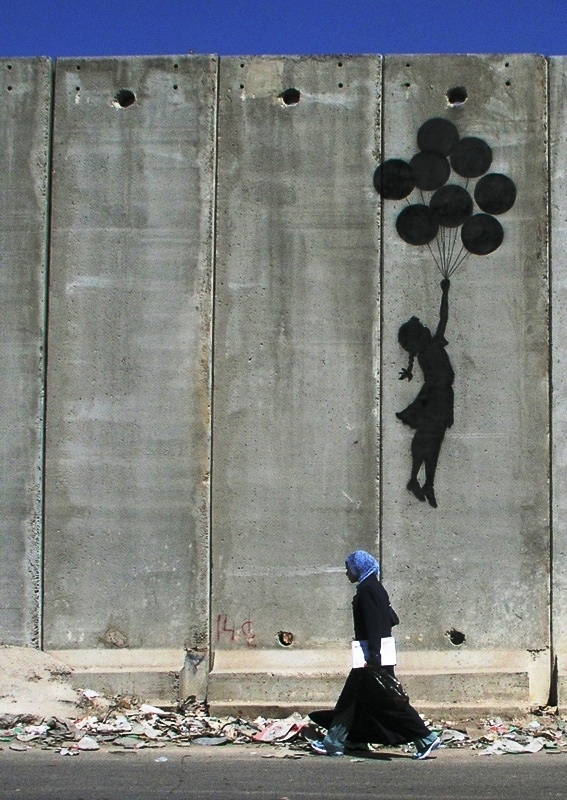
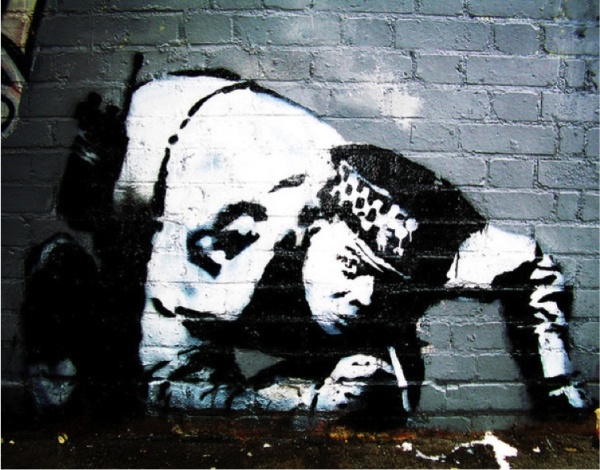
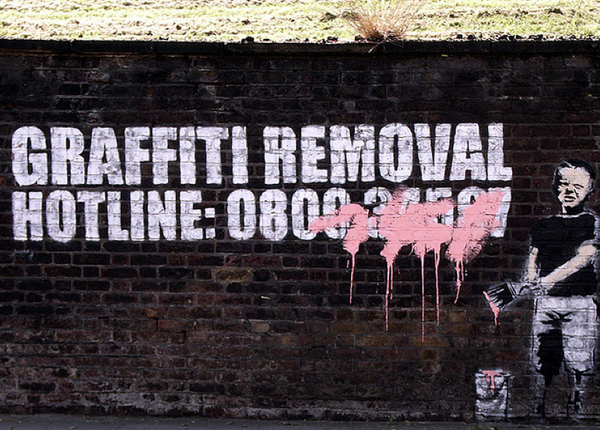
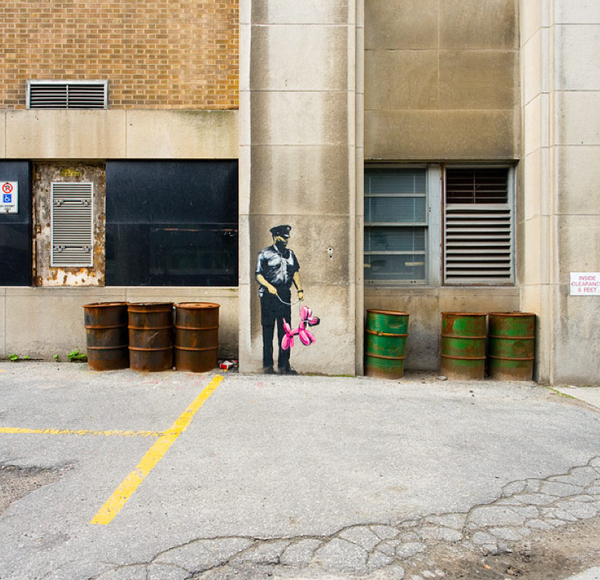
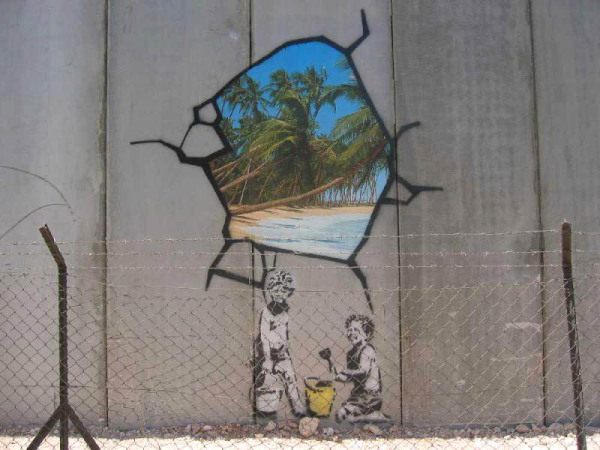
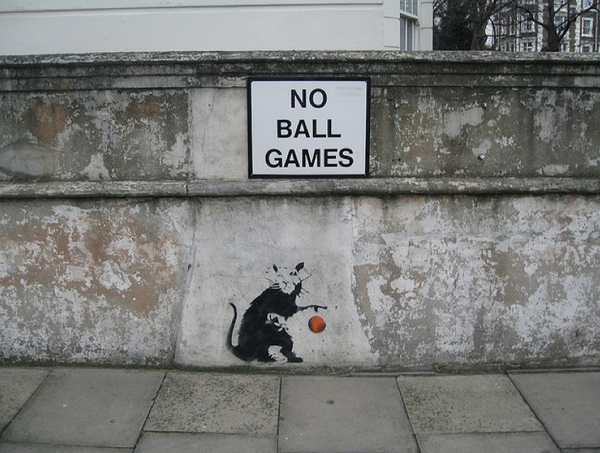
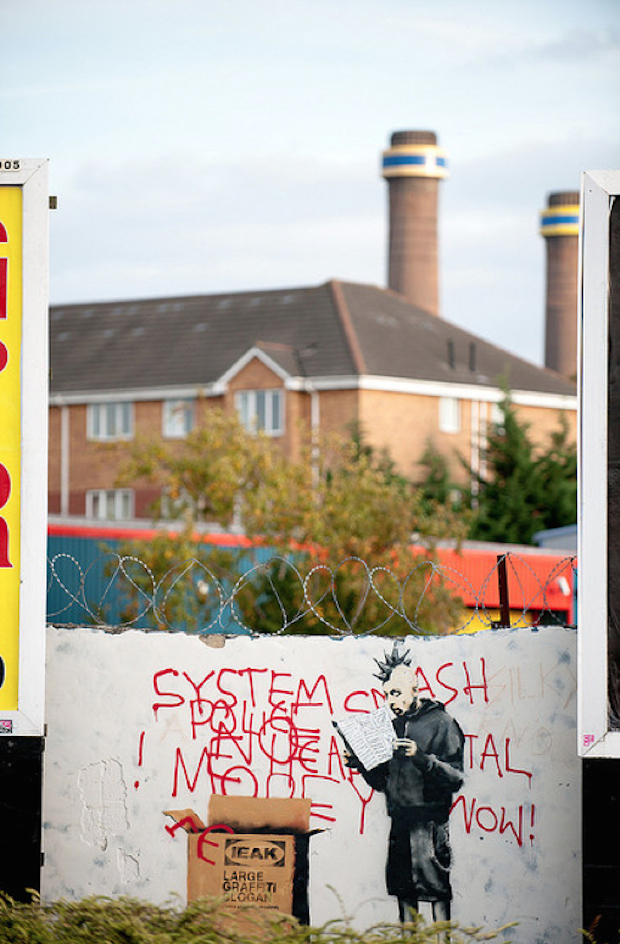
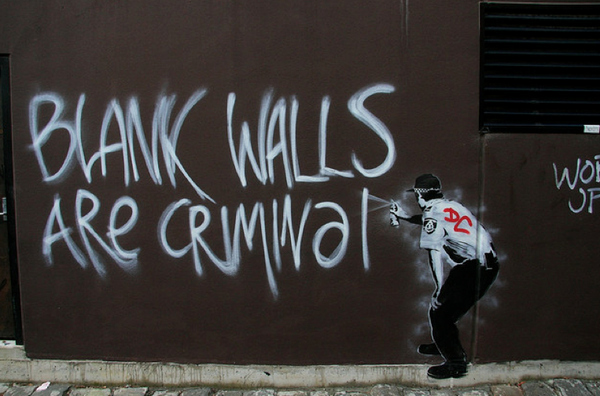
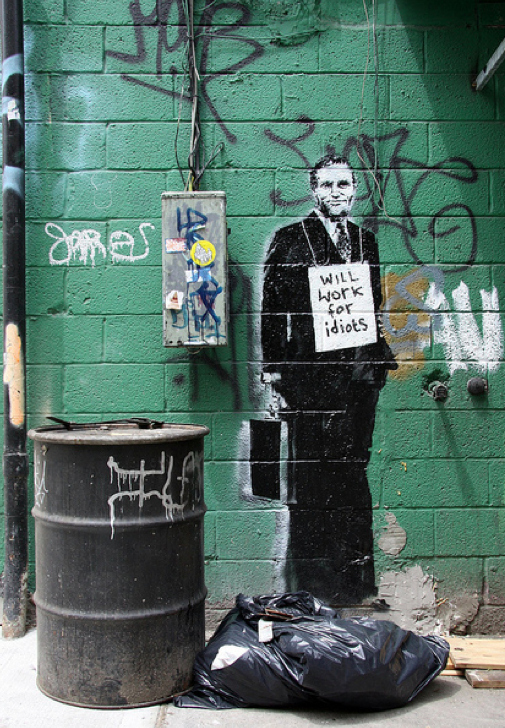
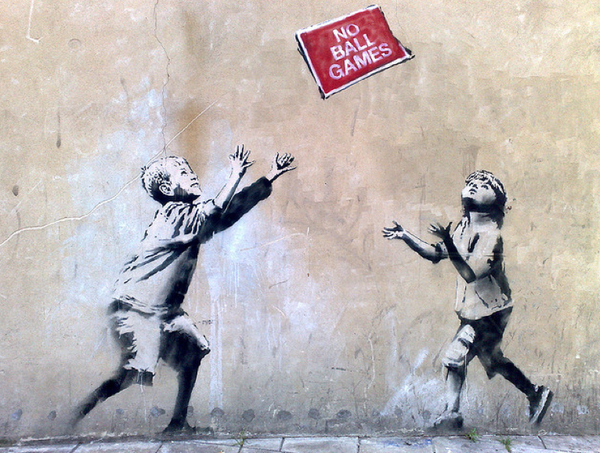
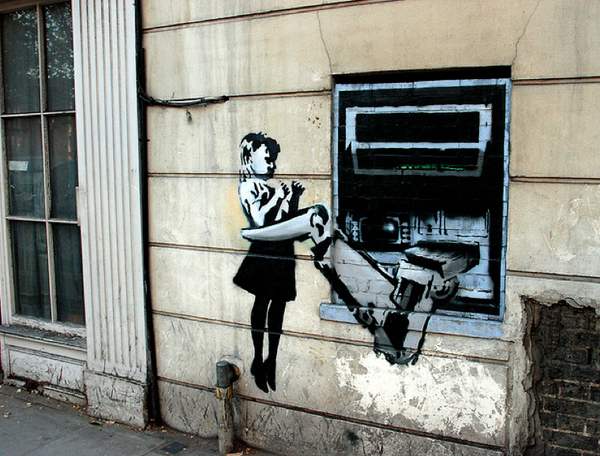
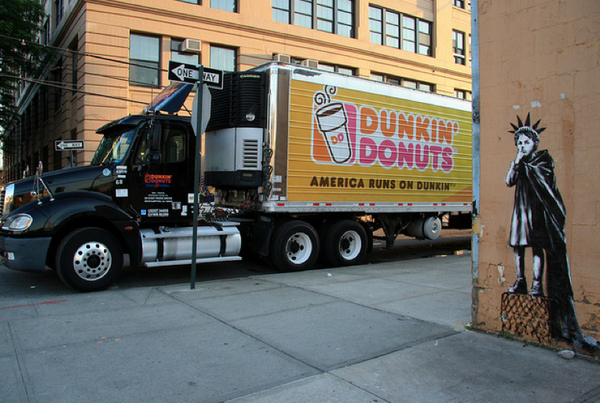
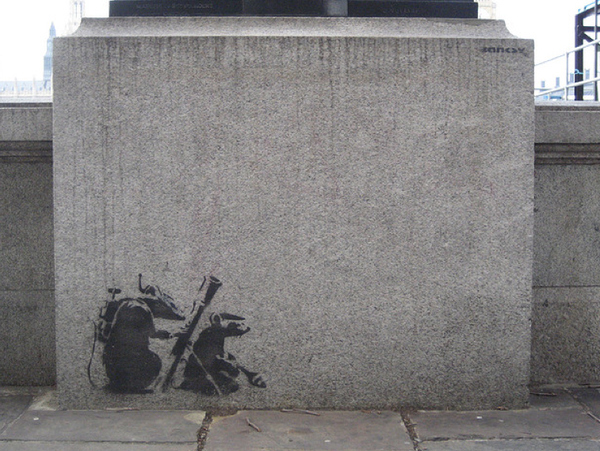
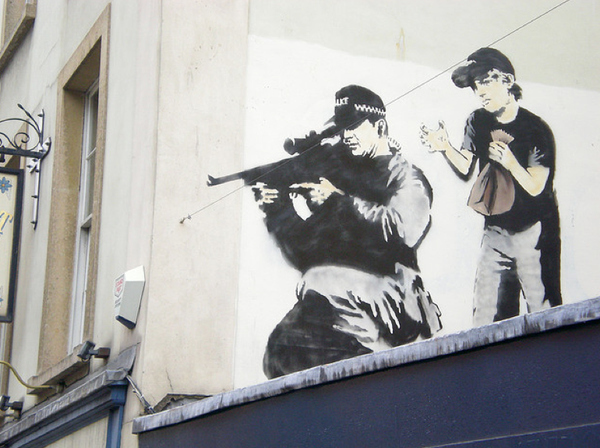
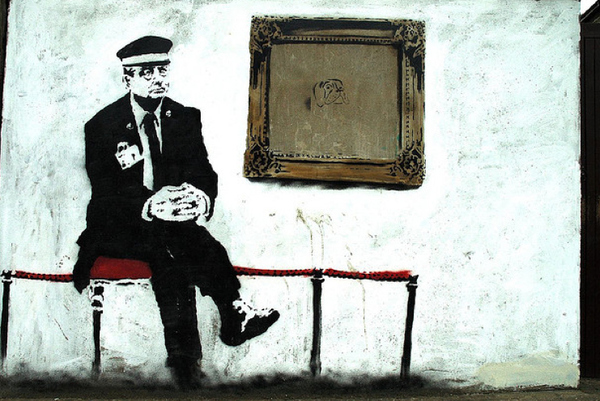
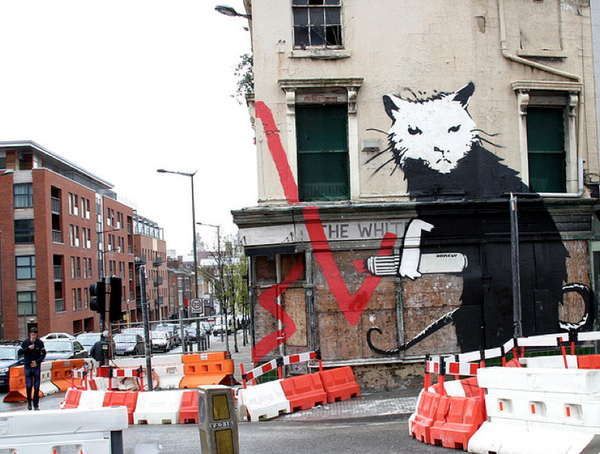
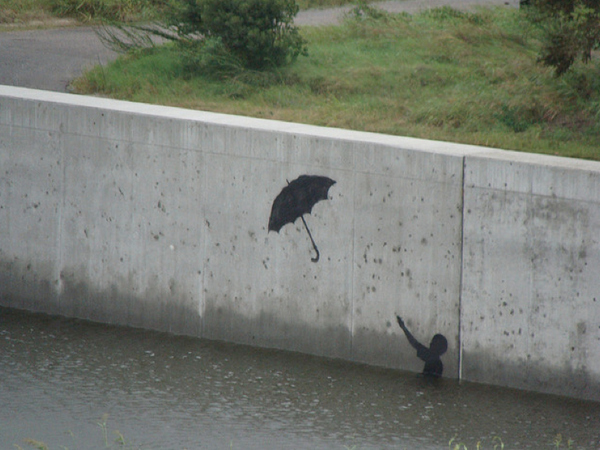
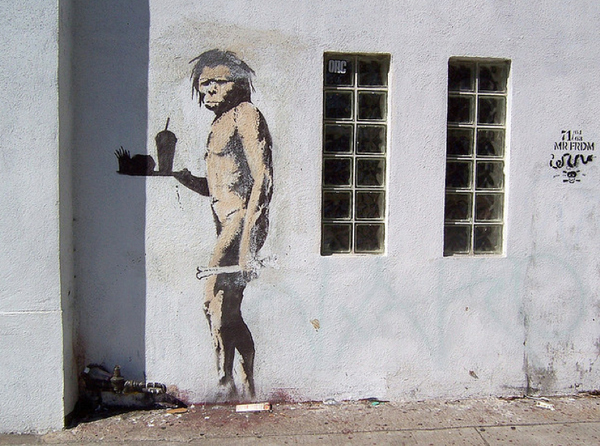
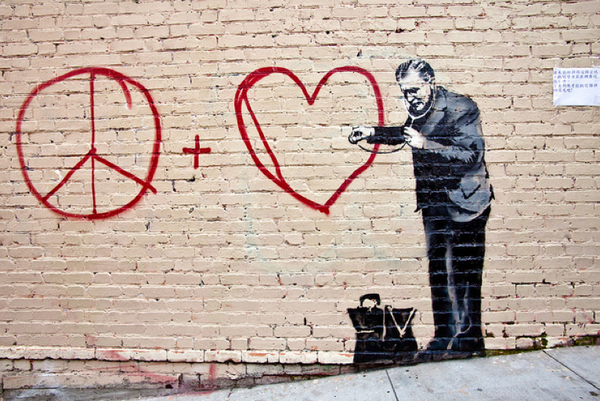
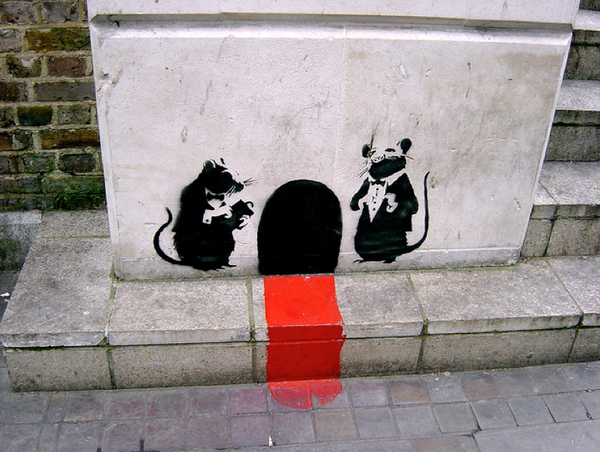
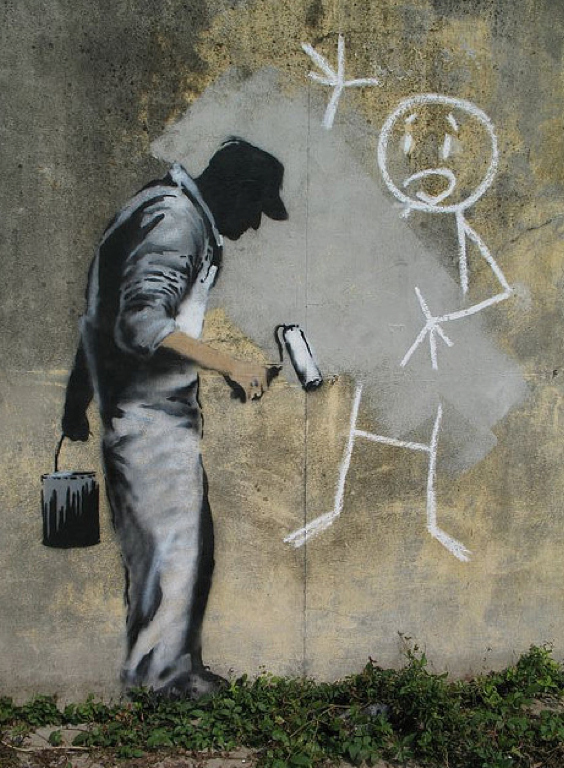
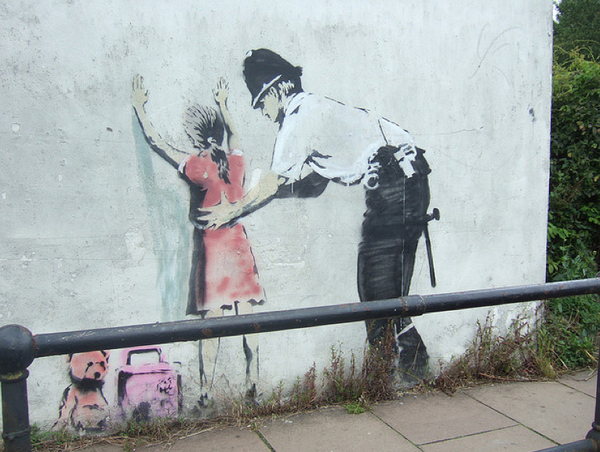
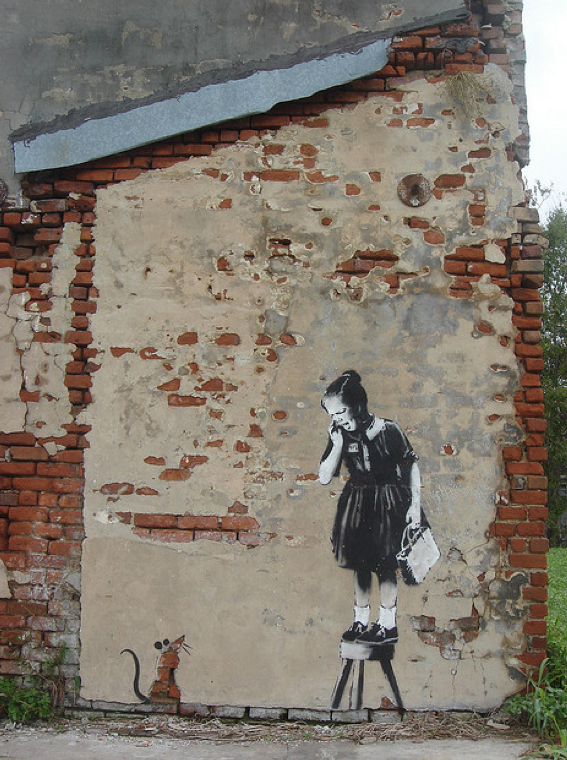
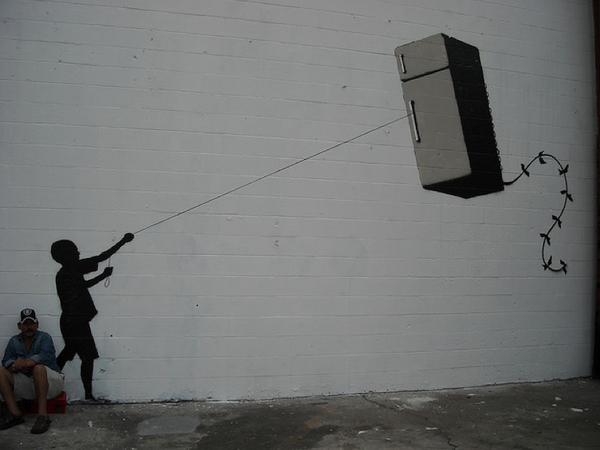
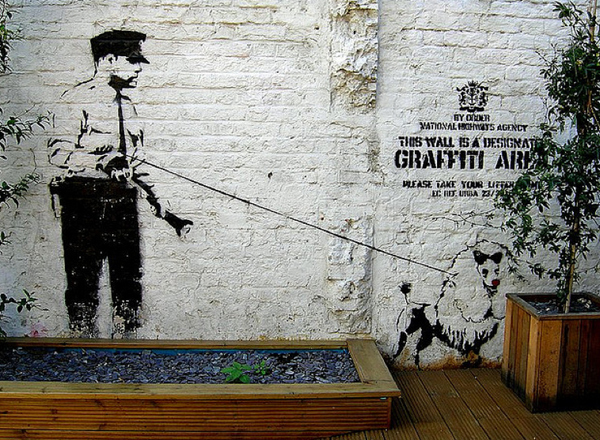
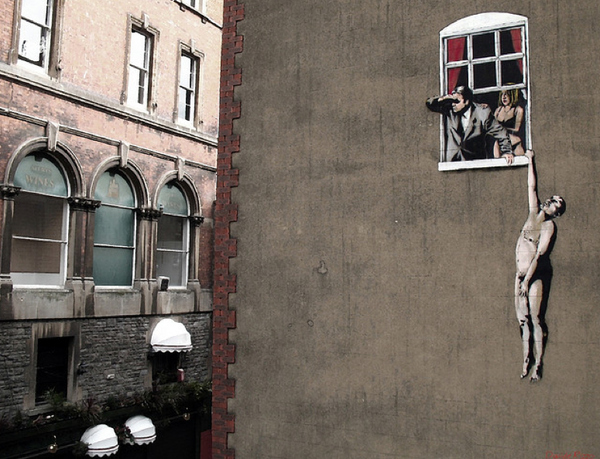
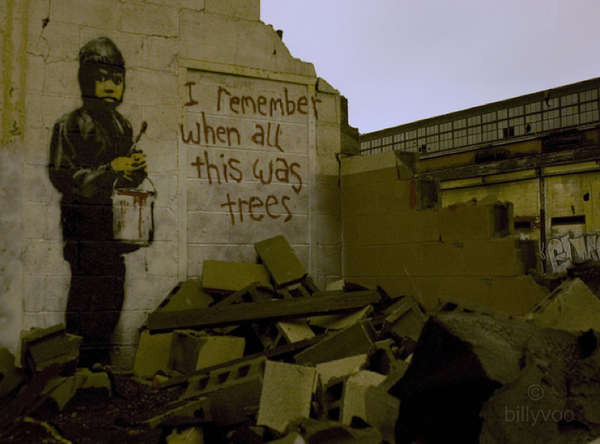
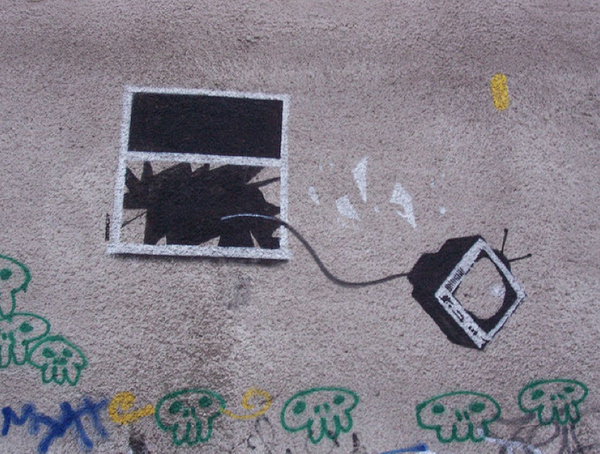
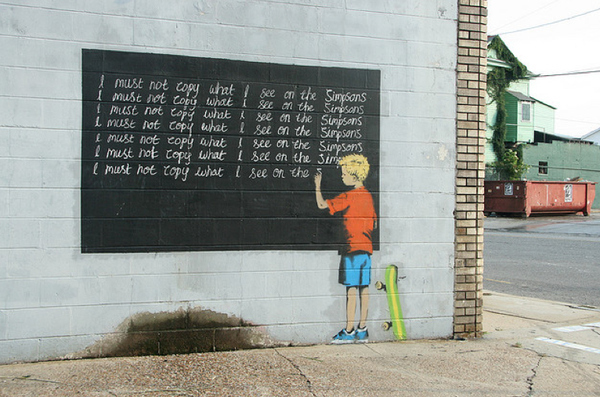
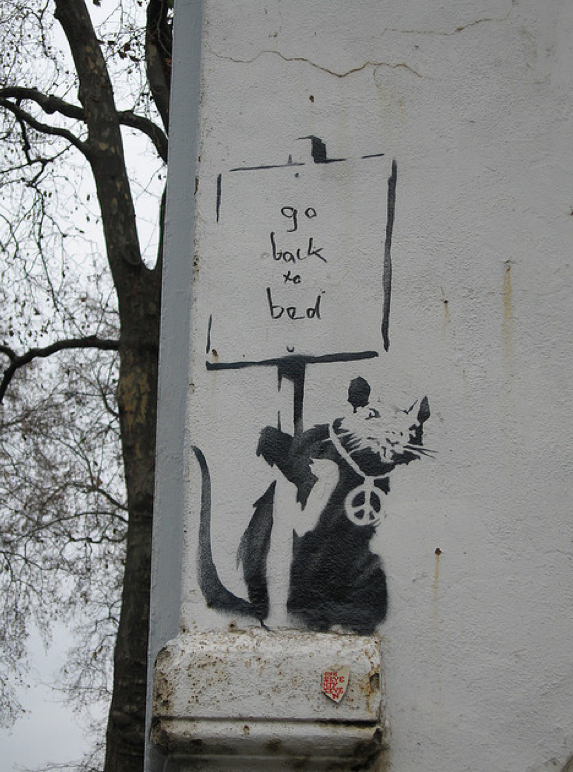
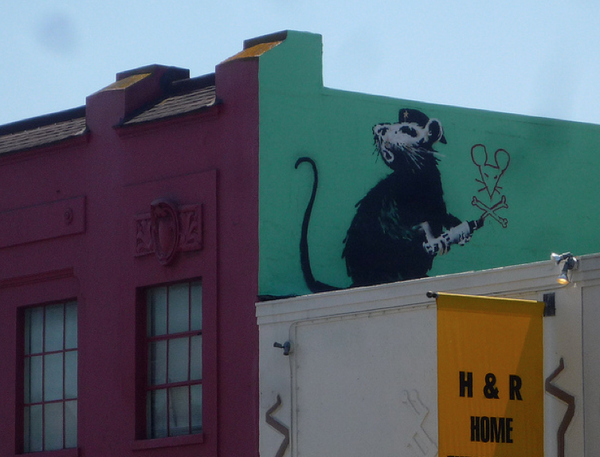
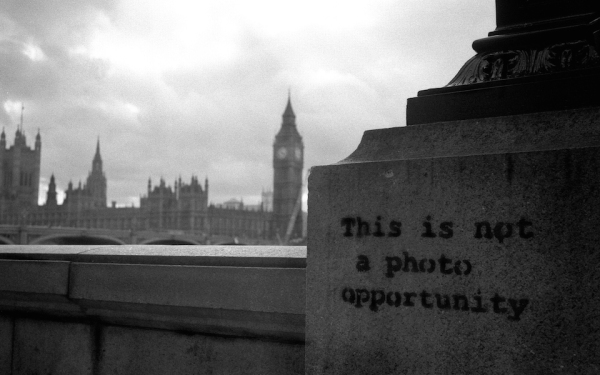
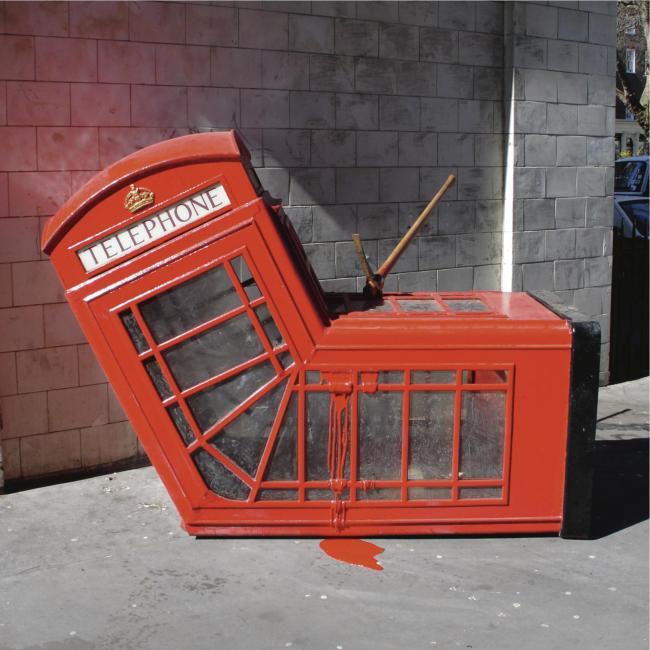
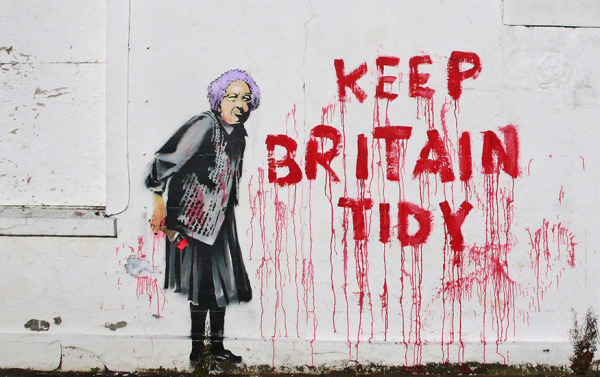
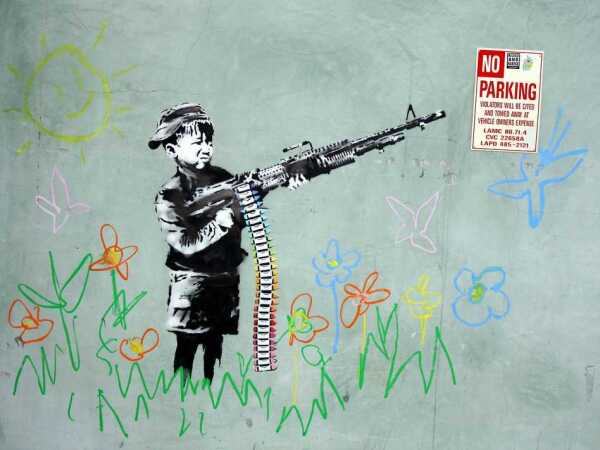
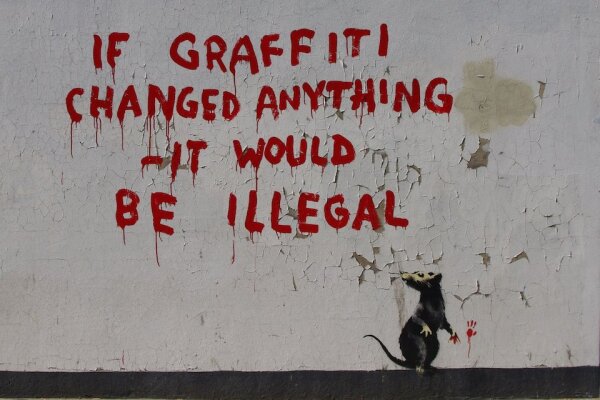
Banksy
For all enquiries, complaints, threats and hate mail visit pestcontroloffice.com. Banksy is not on Facebook, Twitter or represented by any other gallery or institution.www.banksy.co.uk
3D Art By Odeith (20 Photos)
Content warning: Diving Into the World of Odeith’s Anamorphic Graffiti Portuguese street artist Sergio Odeith, also known as Sérgio Odeith, has gained international recognition for his jaw-dropping 3D graffiti pieces that defy the limits of perception. In this blog post,
Diving Into the World of Odeith’s Anamorphic Graffiti
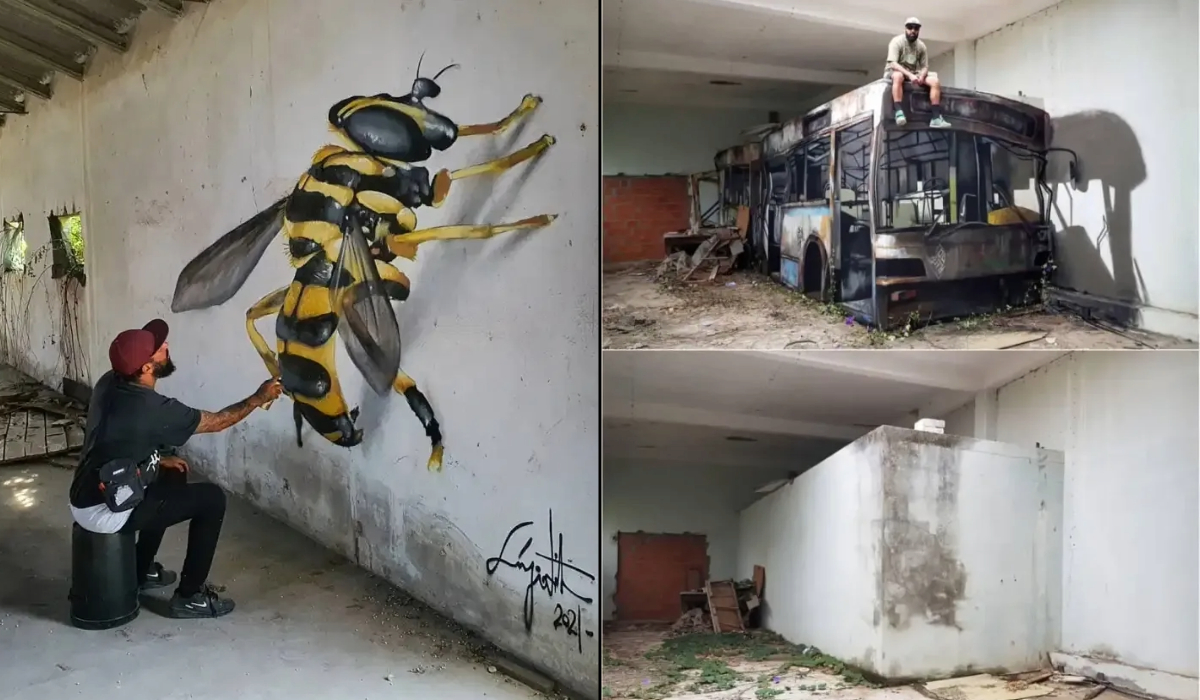
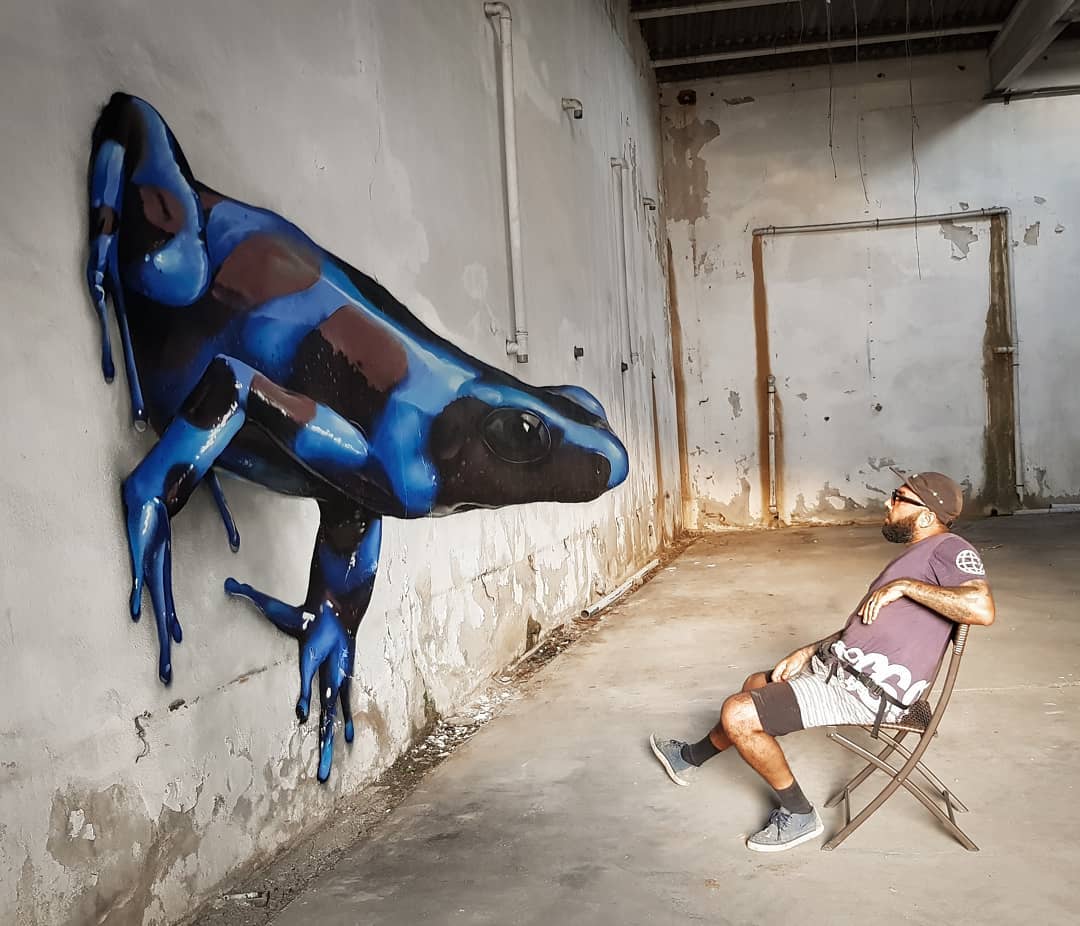
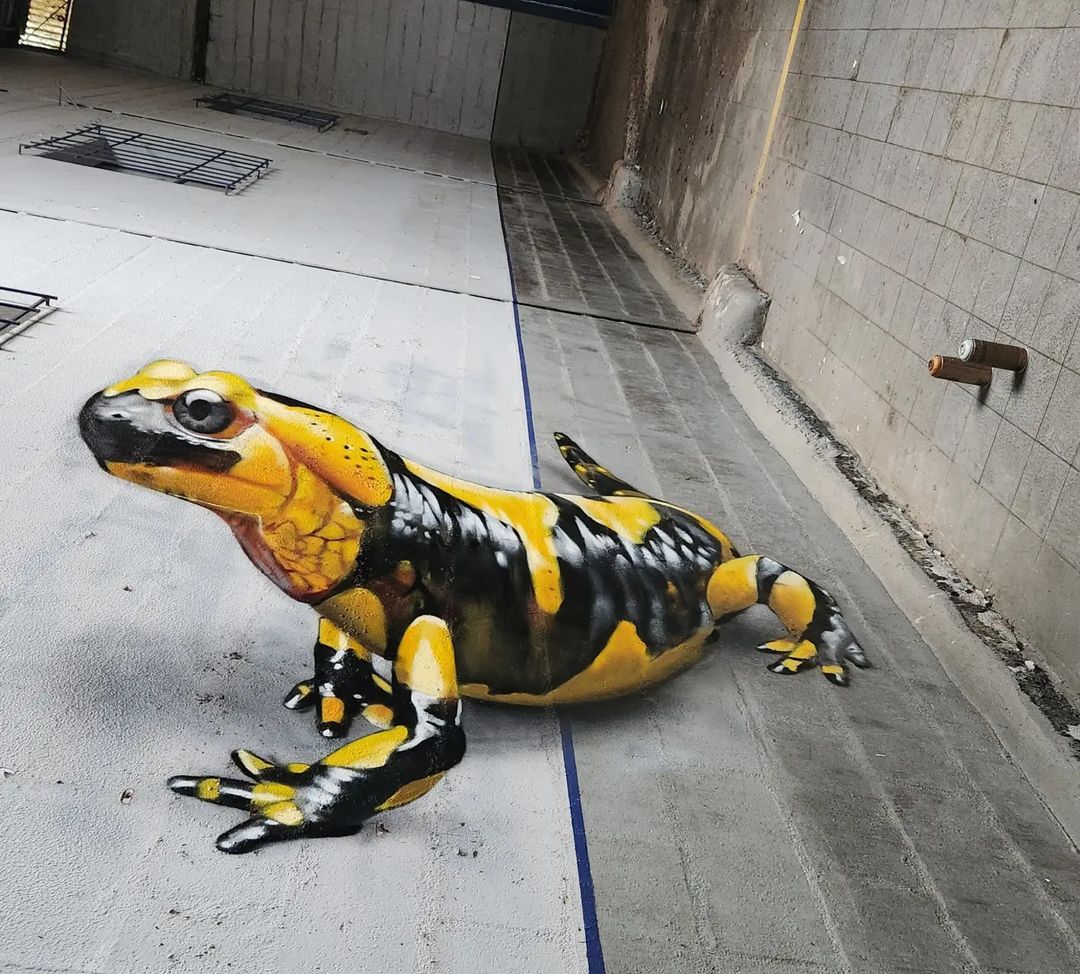
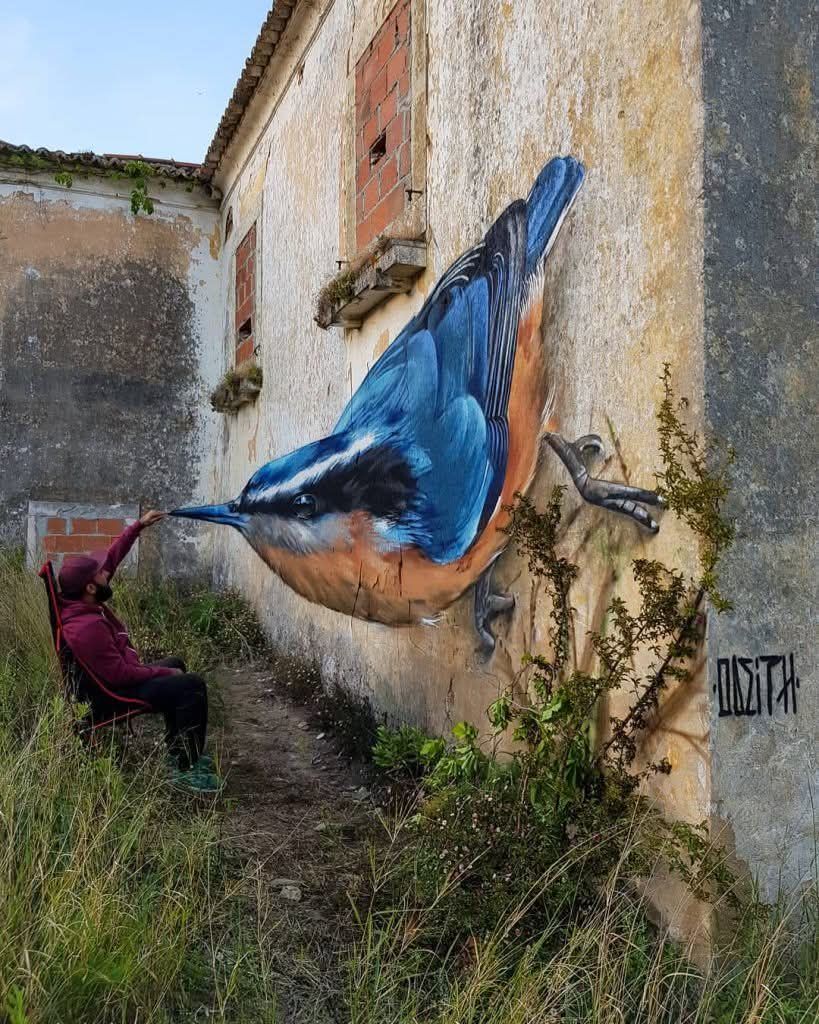
Portuguese street artist Sergio Odeith, also known as Sérgio Odeith, has gained international recognition for his jaw-dropping 3D graffiti pieces that defy the limits of perception. In this blog post, we’ll explore 20 of his most astonishing works and delve into the world of this master of illusion.
🔗 Follow Odeith on Instagram
Odeith’s Background and Style
Odeith began his graffiti career in the 1980s, honing his skills on the streets of Lisbon. Over the years, he has refined his technique and developed his signature style, characterized by bold colors, intricate details, and mind-bending optical illusions (read more about him later in this post).

The Art of Creating 3D Graffiti
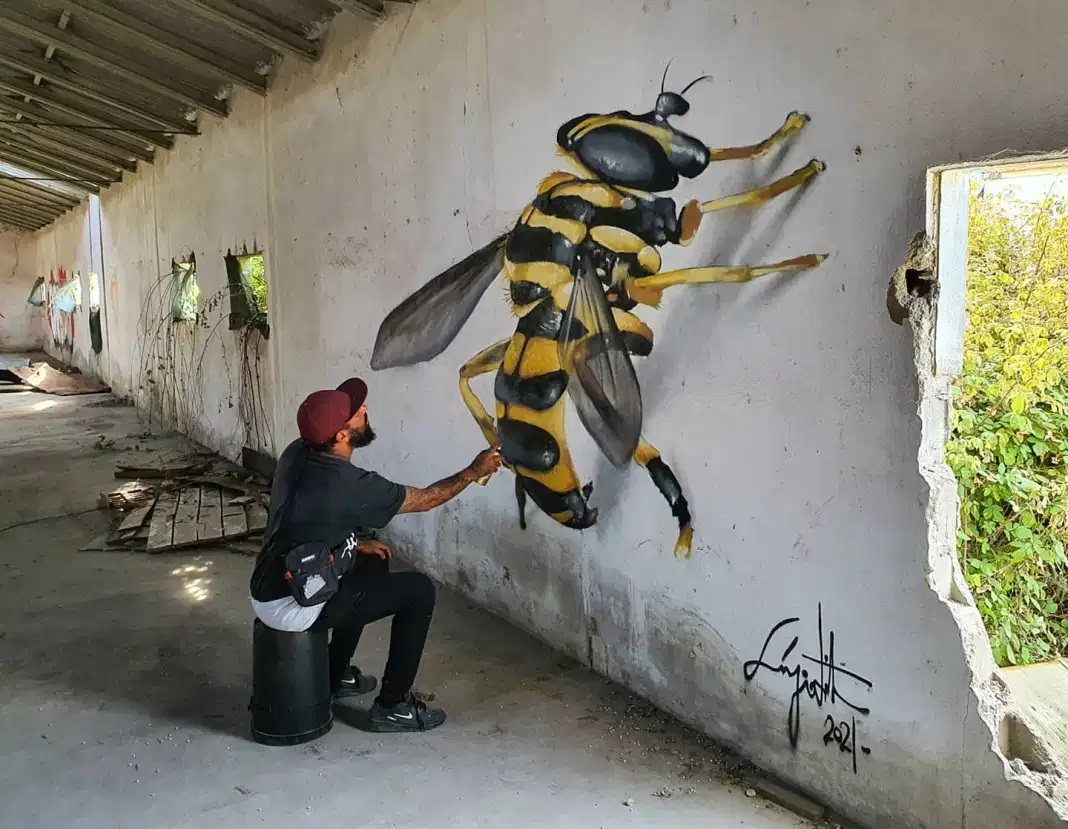
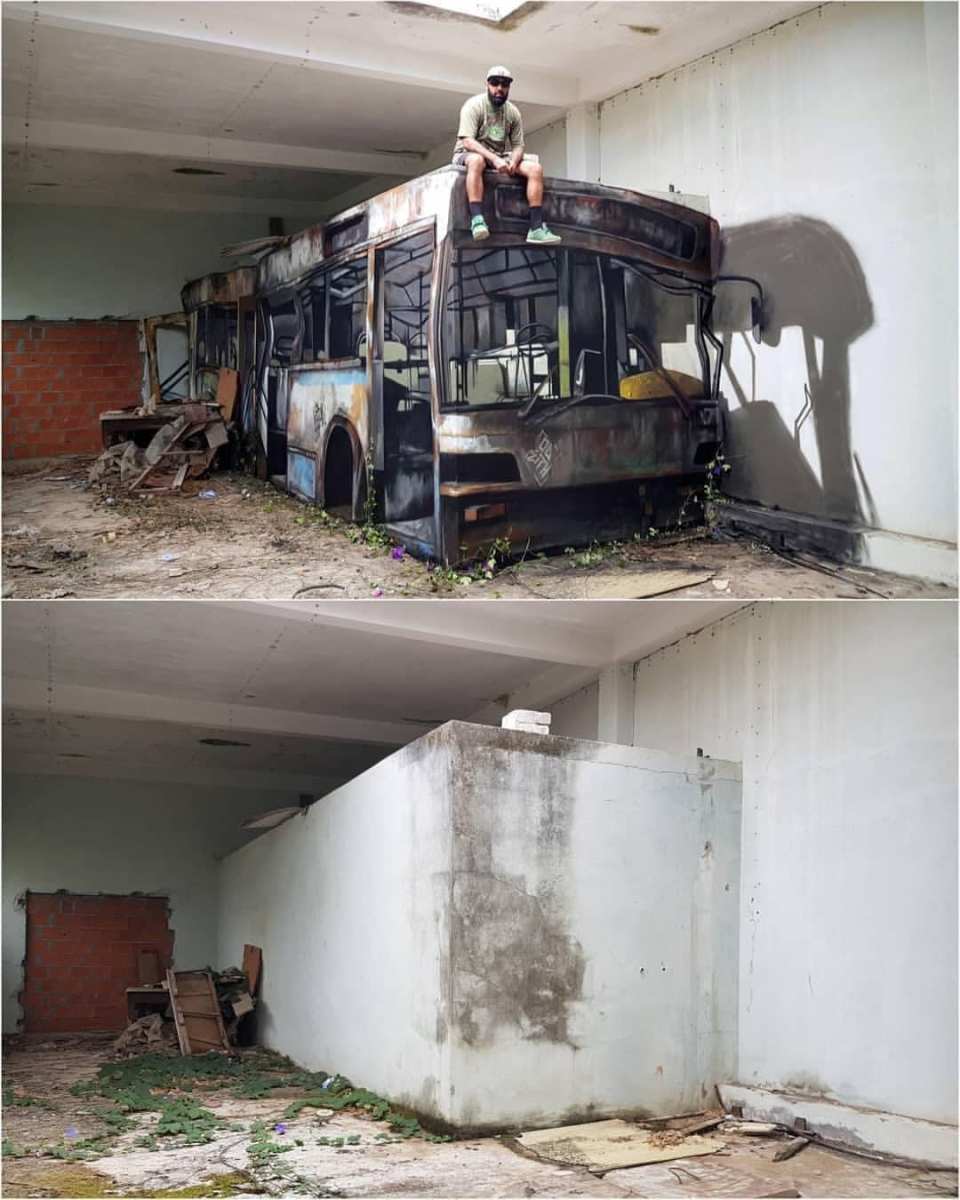
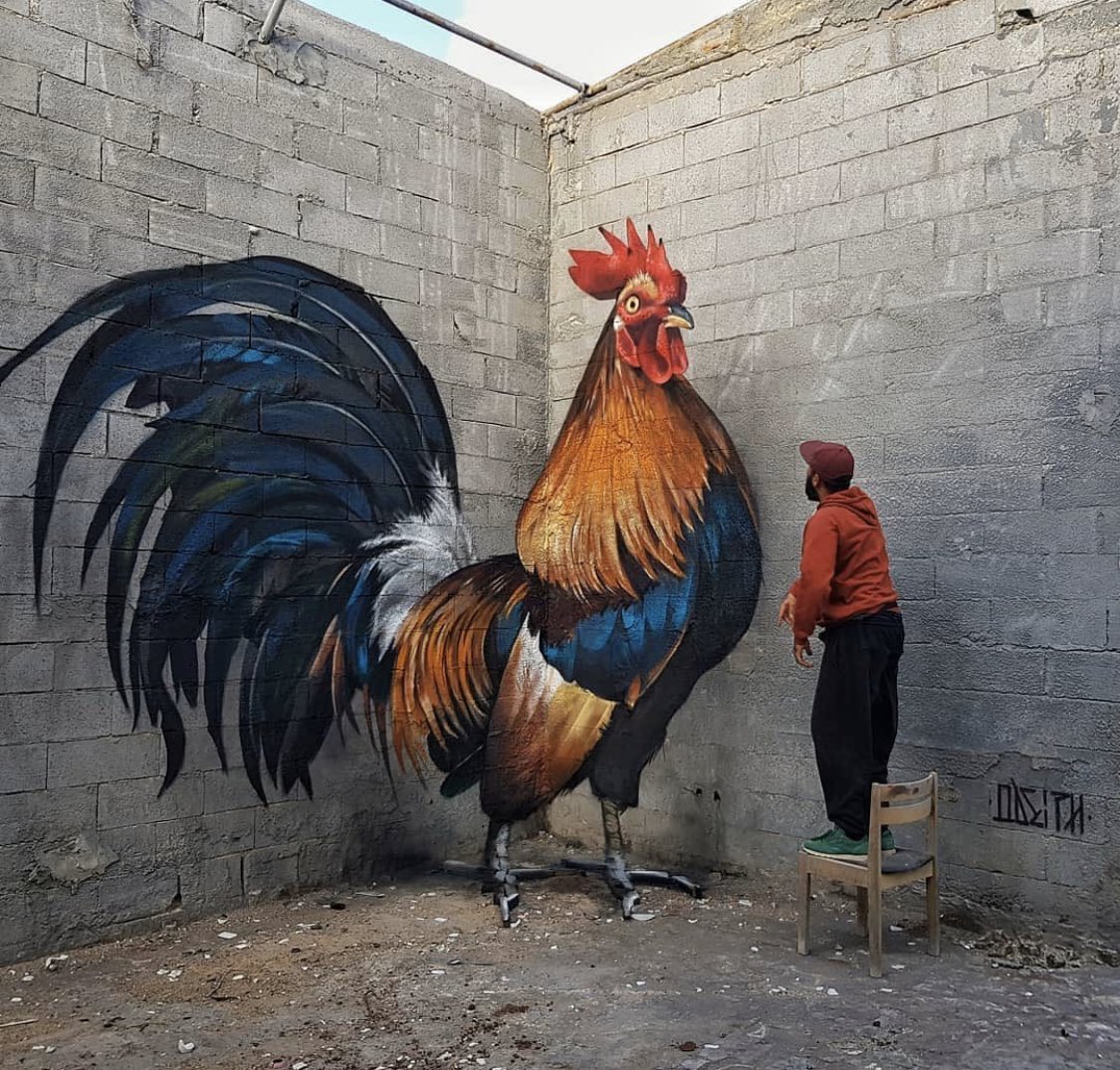
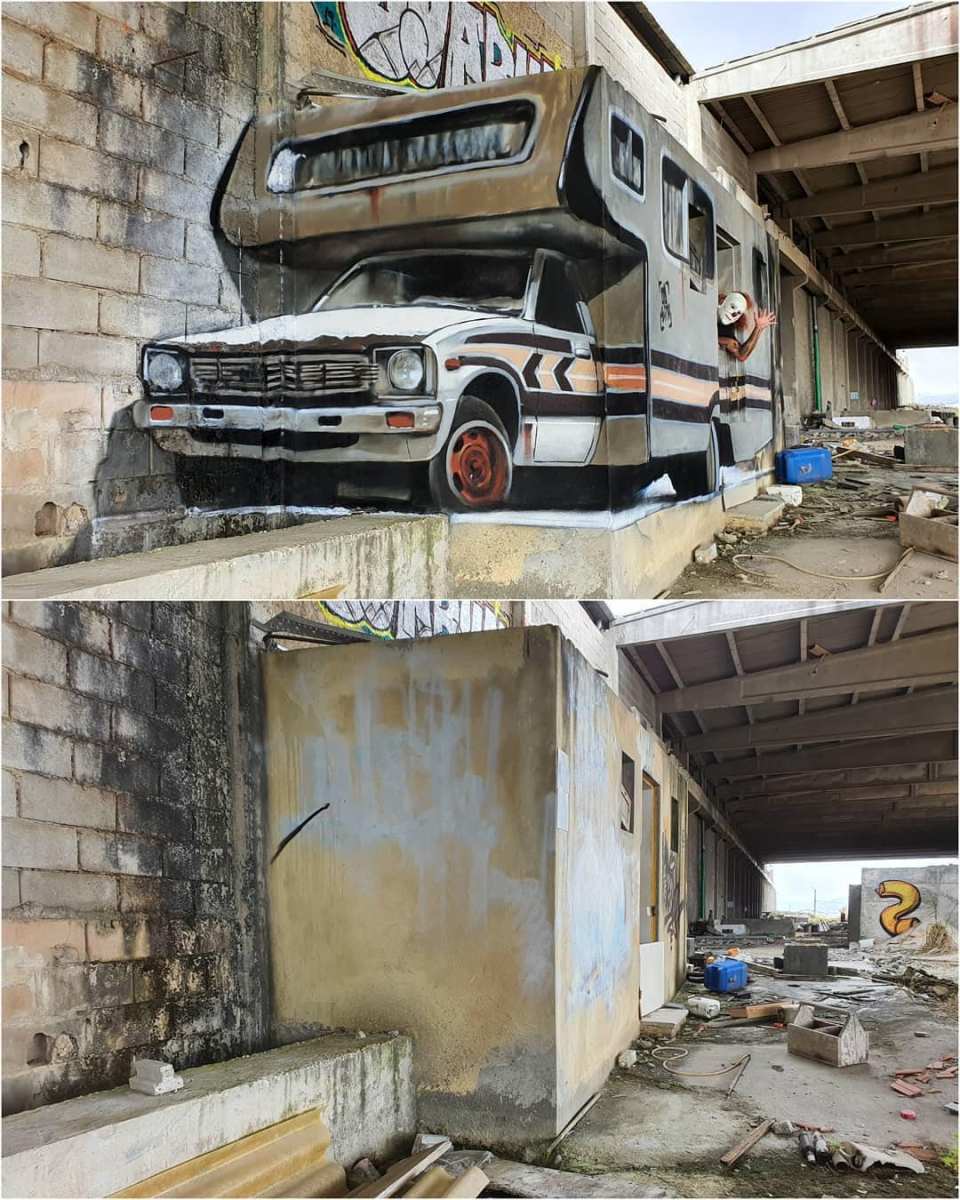
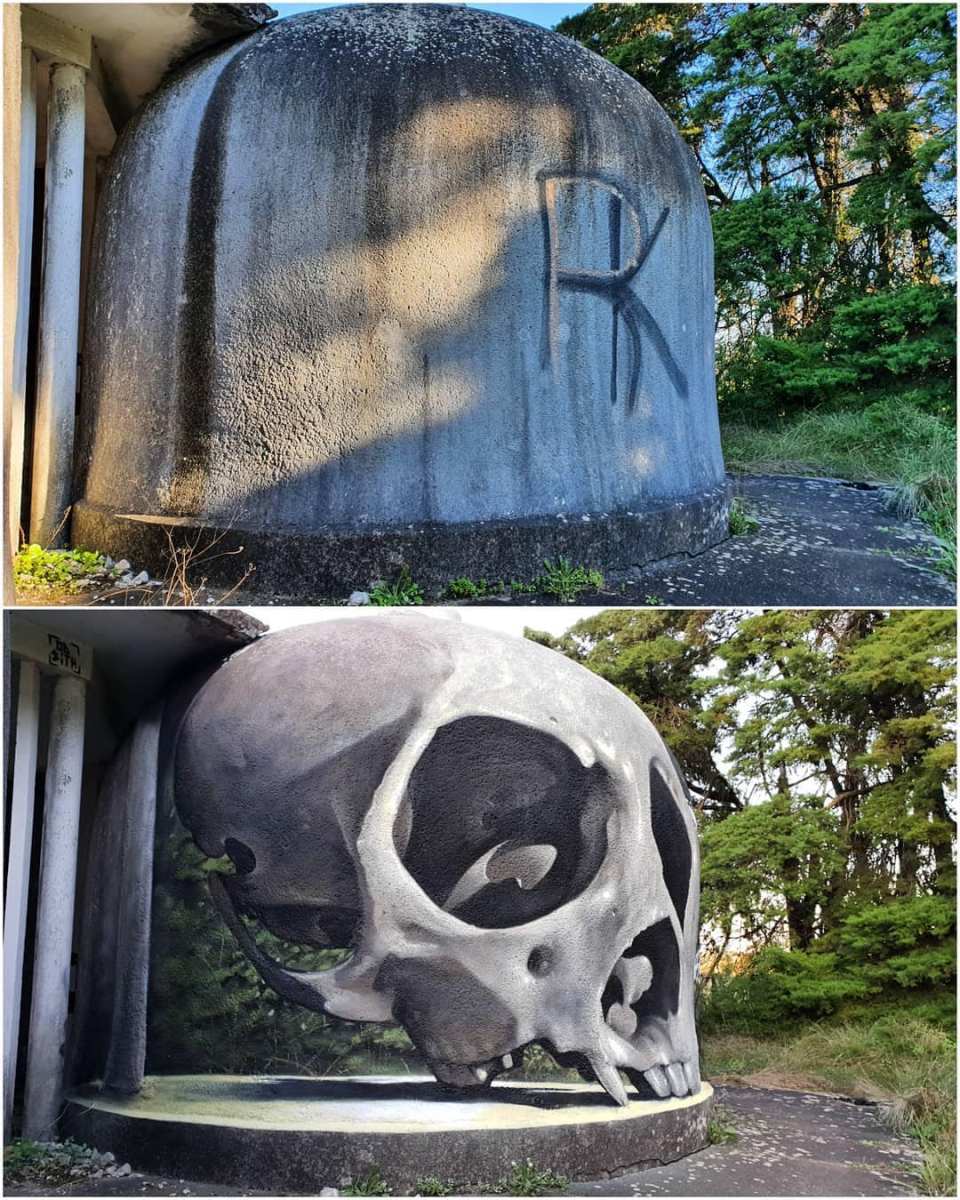
Odeith’s 3D graffiti art is a perfect blend of skill, perspective, and creativity. By employing anamorphic techniques and masterful shading, he transforms ordinary walls and objects into realistic three-dimensional scenes that appear to leap off the surface.

Odeith’s Signature Subject Matter
Odeith is known for tackling a wide range of subject matter in his work, from animals and insects to urban landscapes and fantastical creatures. His pieces often feature a sense of movement and depth, drawing viewers into his vivid, illusionary world.
Exploring Odeith’s Most Astonishing Works
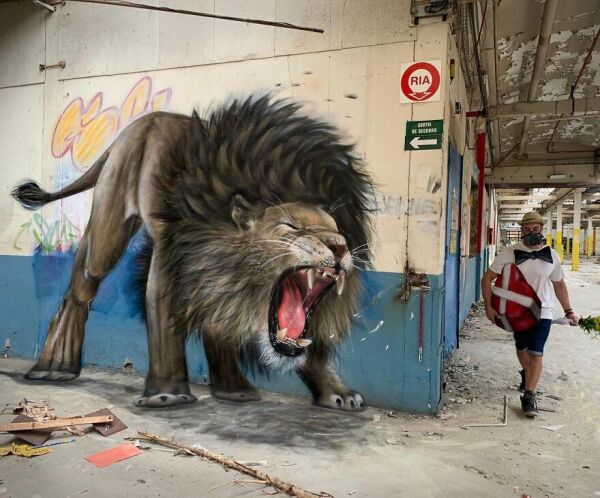
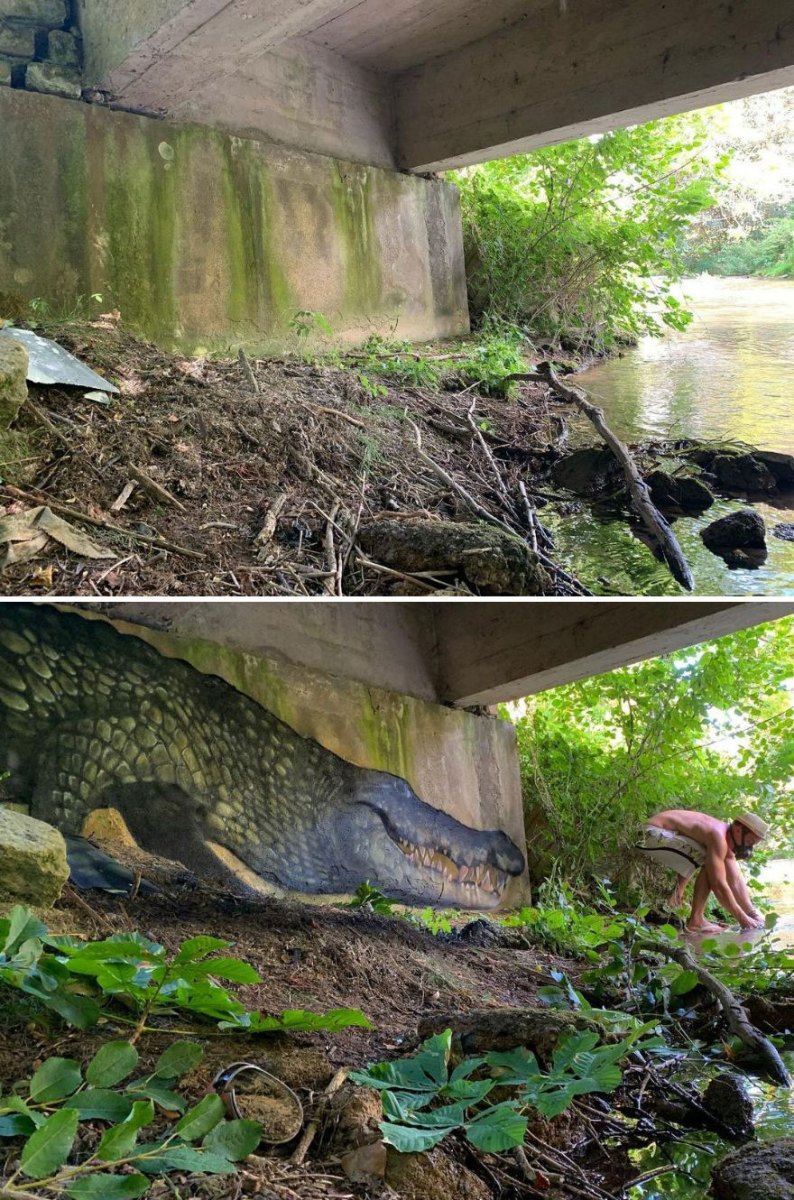
Among Odeith’s most remarkable pieces are his larger-than-life murals of animals, including a majestic lion, a menacing crocodile, and an otherworldly praying mantis. These works not only showcase his technical prowess but also highlight his ability to breathe life into his subjects.
Odeith’s Impact on the Street Art Scene
Odeith’s innovative 3D graffiti art has earned him a reputation as one of the most talented and influential artists in the street art world. His work has inspired countless other artists and raised the bar for what is possible with spray paint and a blank canvas.
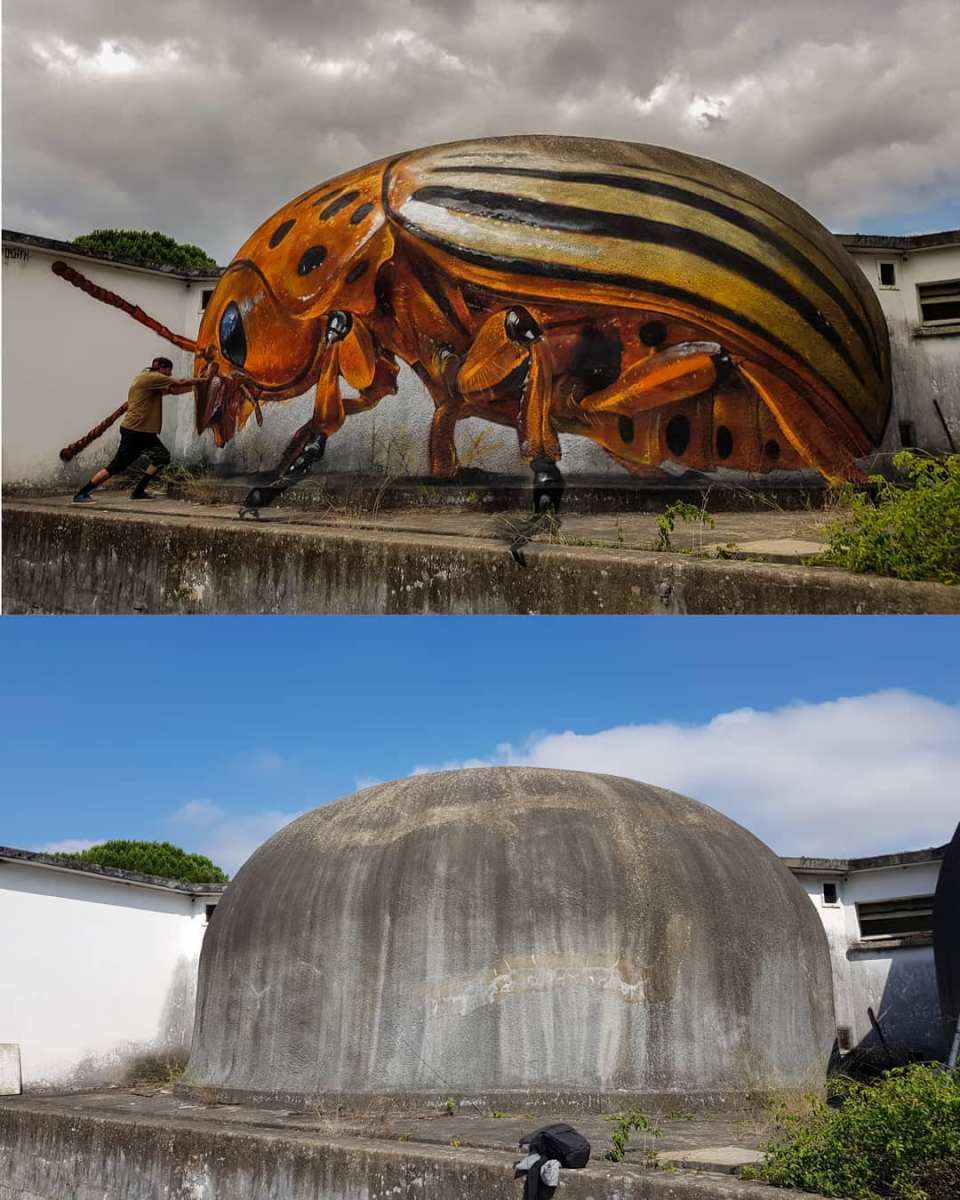
Odeith’s Background and Style: A Deeper Dive
Born in Damaia, Portugal, in 1976, Sérgio ‘Odeith’ first picked up a spray can in the mid-1980s, painting signatures and doodles on his neighborhood walls. It wasn’t until the mid-1990s that he encountered graffiti artists in Carcavelos, where the movement was gaining momentum. This sparked a passion for graffiti that led him to paint illegally on street walls and railway lines in and around Lisbon.
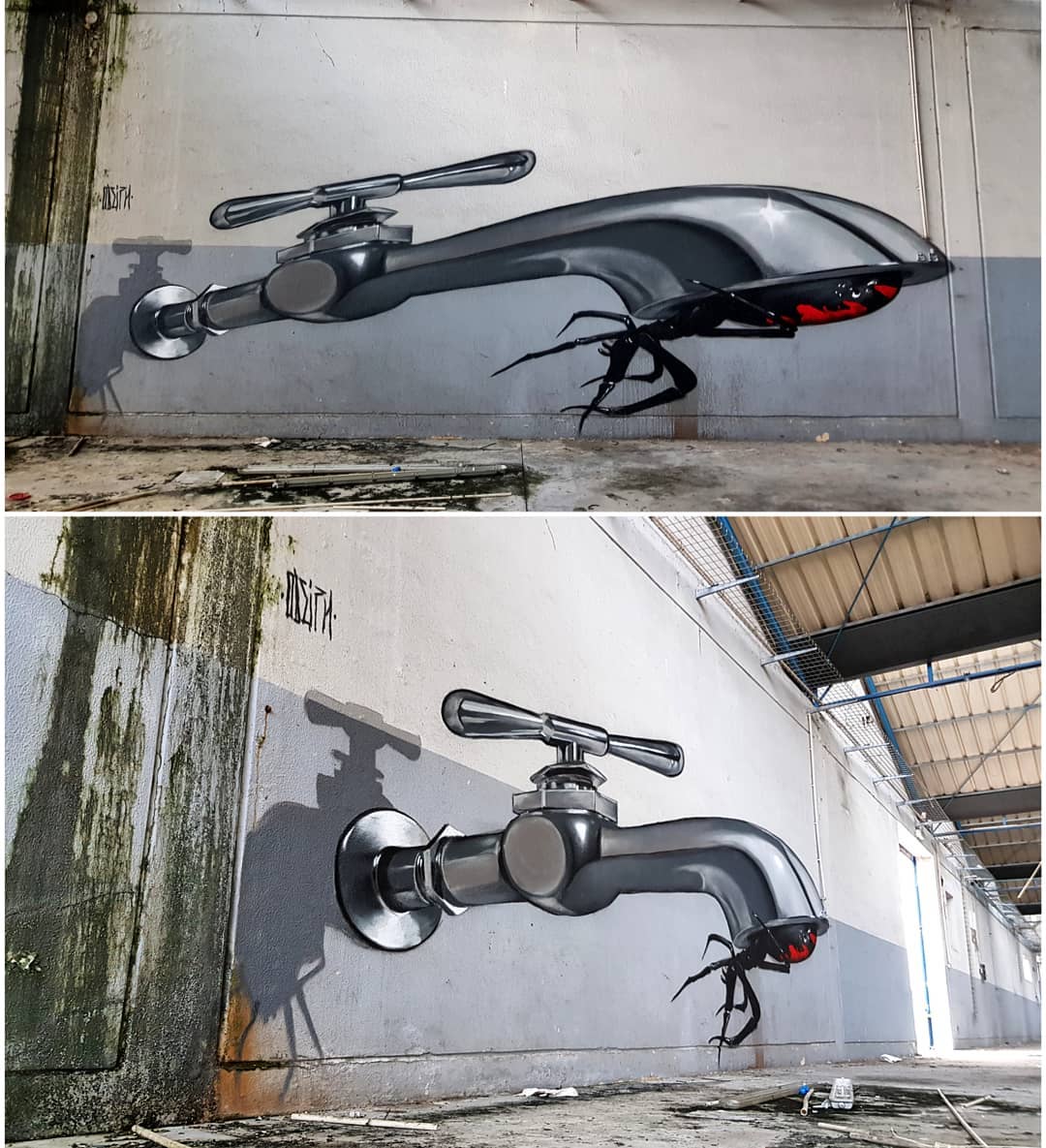
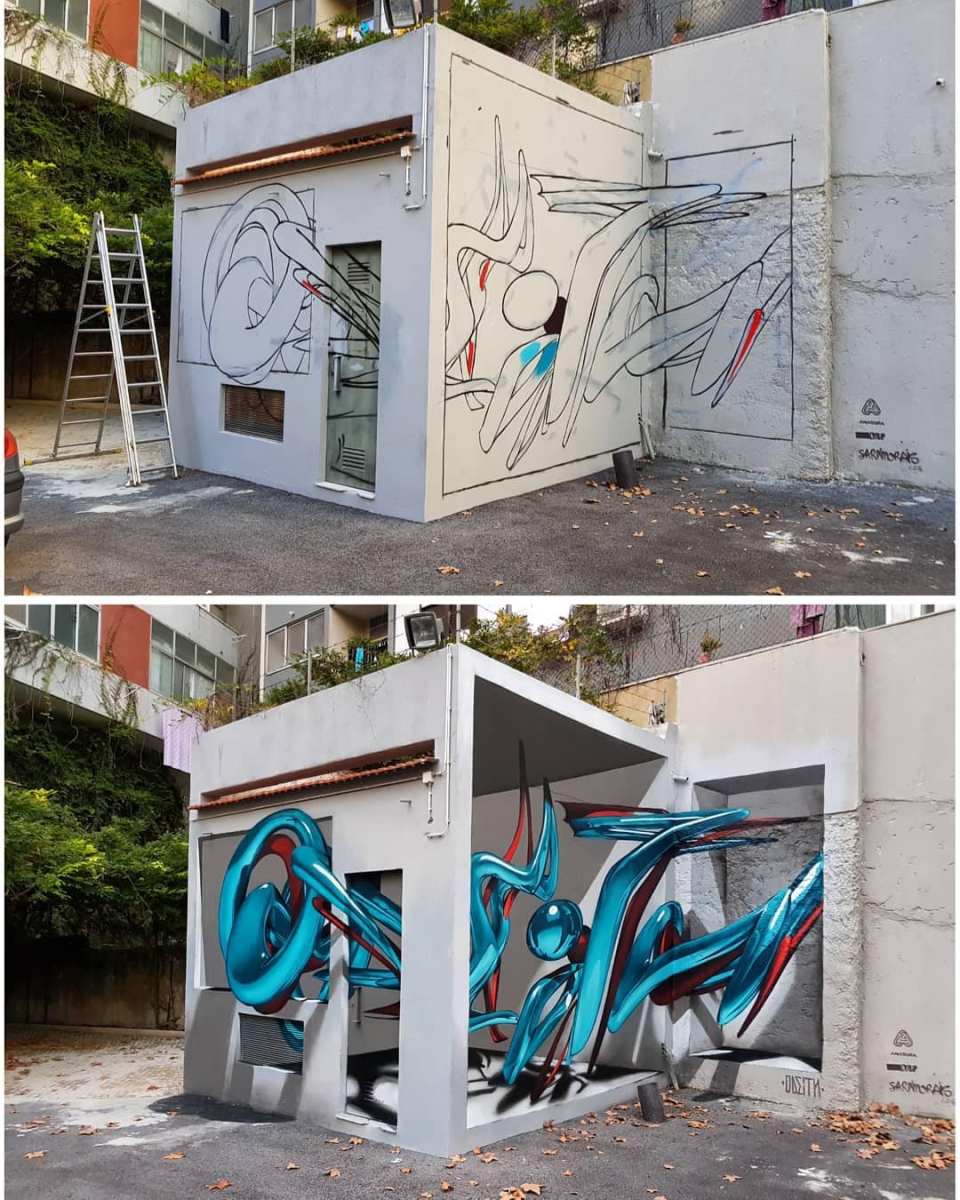
Odeith’s impressive evolution as an artist is due in part to his dedication to painting large-scale murals in various neighborhoods throughout Damaia, Carcavelos, and Amadora. Although he dropped out of school at the age of 15 and never received any formal art training, Odeith’s talent for drawing and his relentless self-taught approach to his craft led him to become the renowned artist he is today.
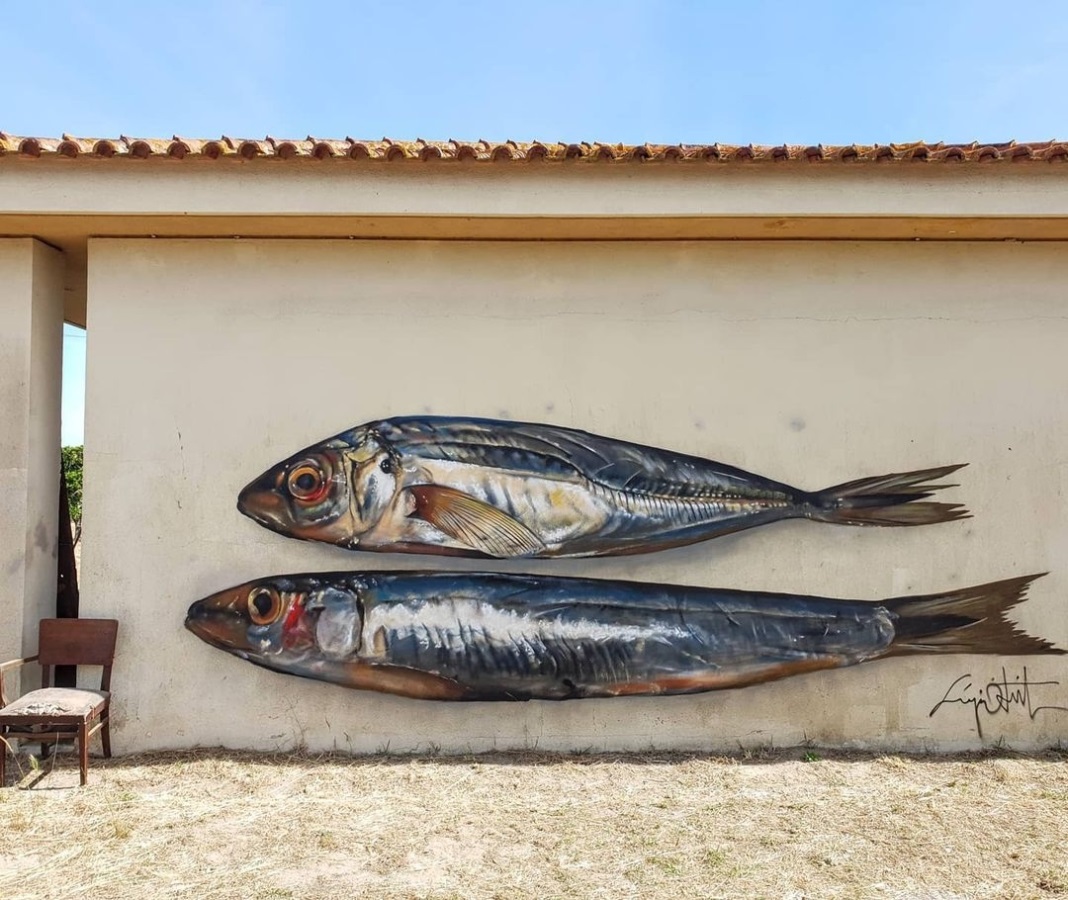

In 2003, Odeith adopted his current moniker, and by 2005, his innovative use of the anamorphosis technique began garnering international recognition. This “Somber 3D” style, as he later called it, involves painting on 90-degree corners or flat walls to create authentic, large-scale compositions of insects or objects that give a striking 3D optical illusion effect. Many of these works, painted in abandoned spaces, quickly went viral due to their realism and technique.

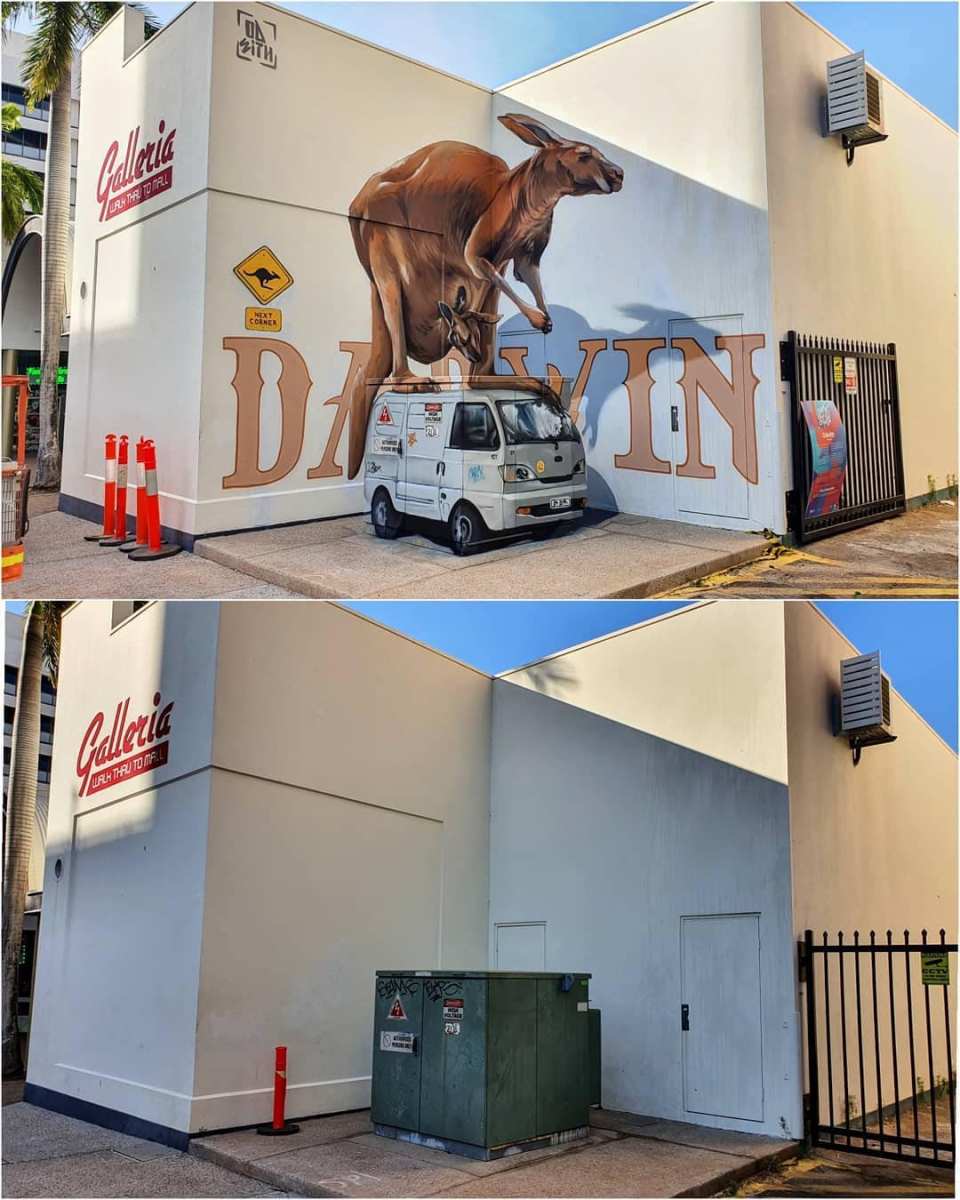
Odeith briefly lived in London after closing his tattoo shop in 2008, but he has since returned to Lisbon, where he now focuses exclusively on studio work and walls. Despite his lack of formal training, Odeith has become a pioneering force in the world of street art, with his dark anamorphic style and passion for the craft setting him apart from other artists.
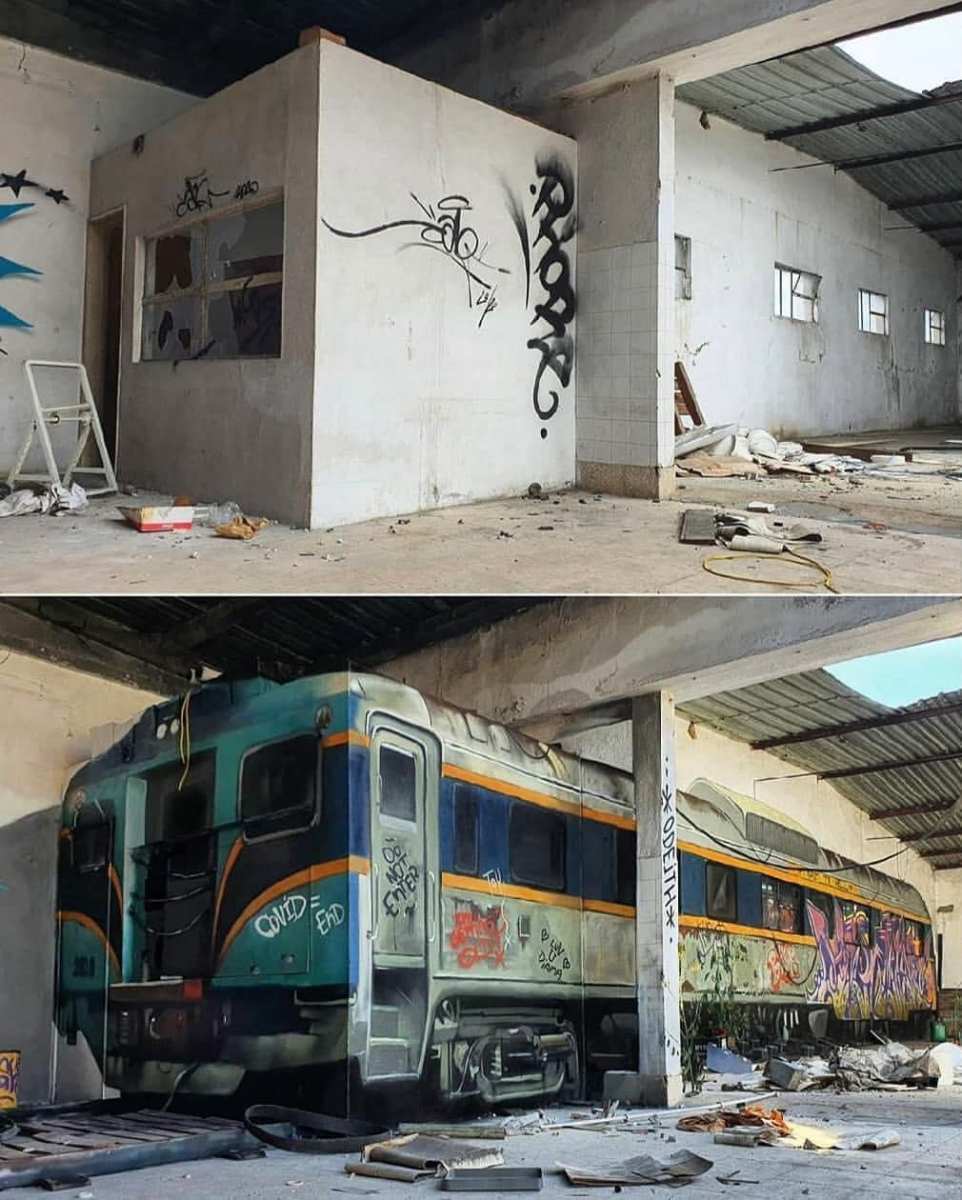
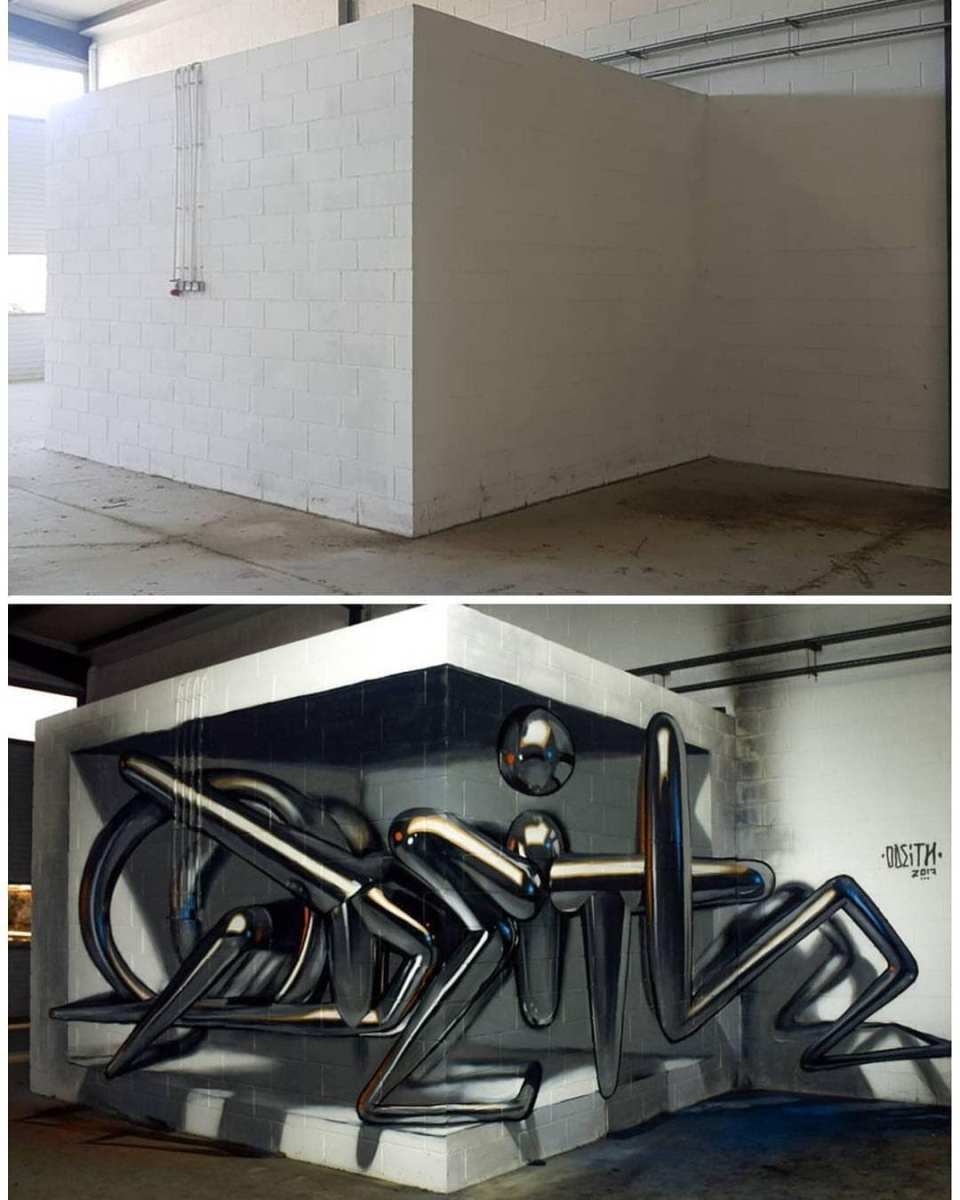
Discovering More of Odeith’s Work
To explore more of Odeith’s incredible 3D graffiti pieces, check out his website and follow him on Instagram. Keep an eye out for his work in your city or during your travels, as you never know where his next masterpiece might appear.
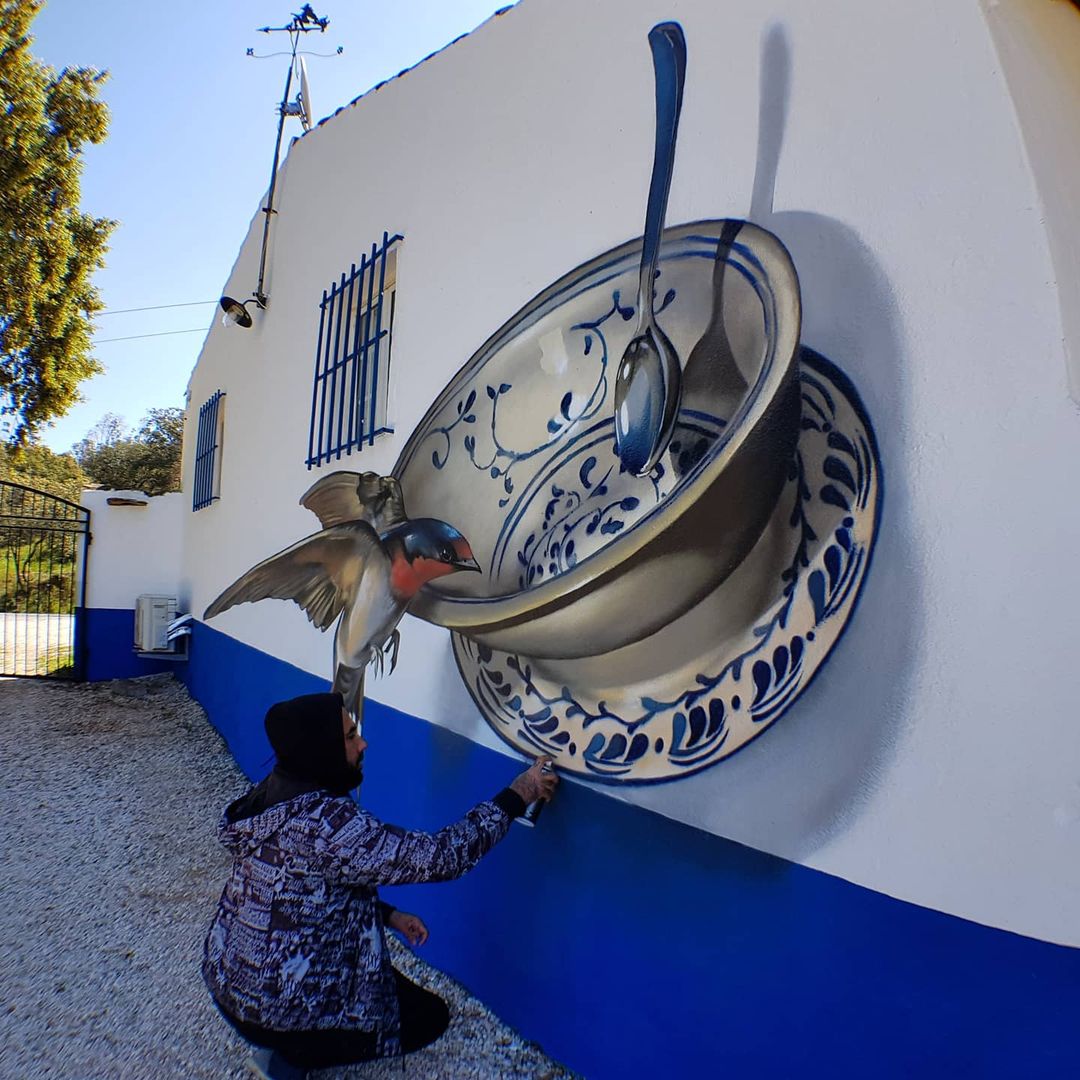
The Lasting Impact of Odeith’s Innovative Street Art
Odeith’s jaw-dropping 3D graffiti art is a testament to the power of creativity, skill, and imagination. These 18 captivating pieces offer just a glimpse into the mind of this master of illusion, whose work continues to push the boundaries of what is possible in the world of street art.
More like this: 26 Paintings: 3D Post-Graffiti By SCAF
Which one is your favorite?
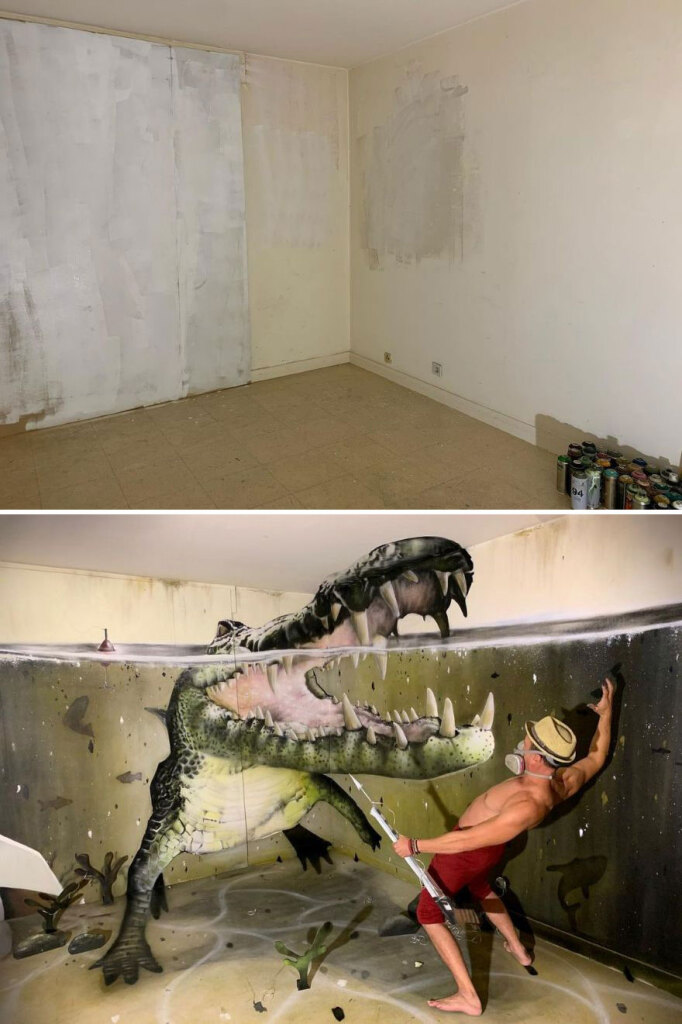
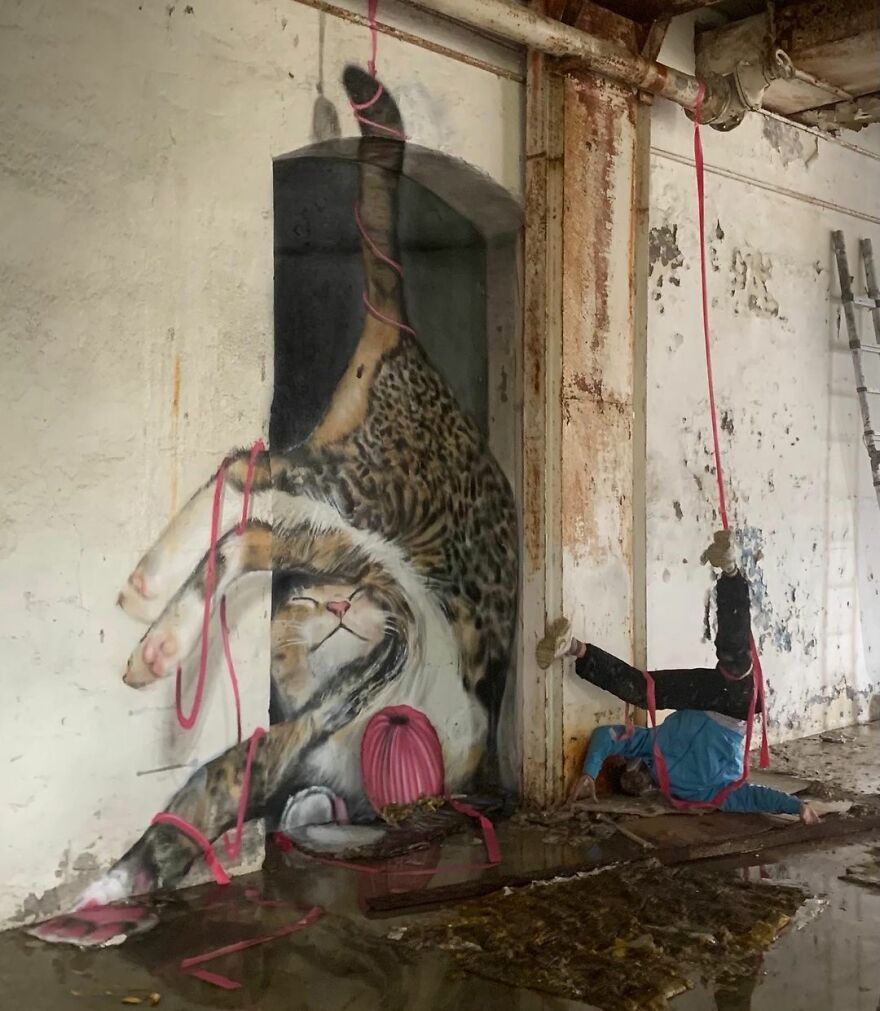
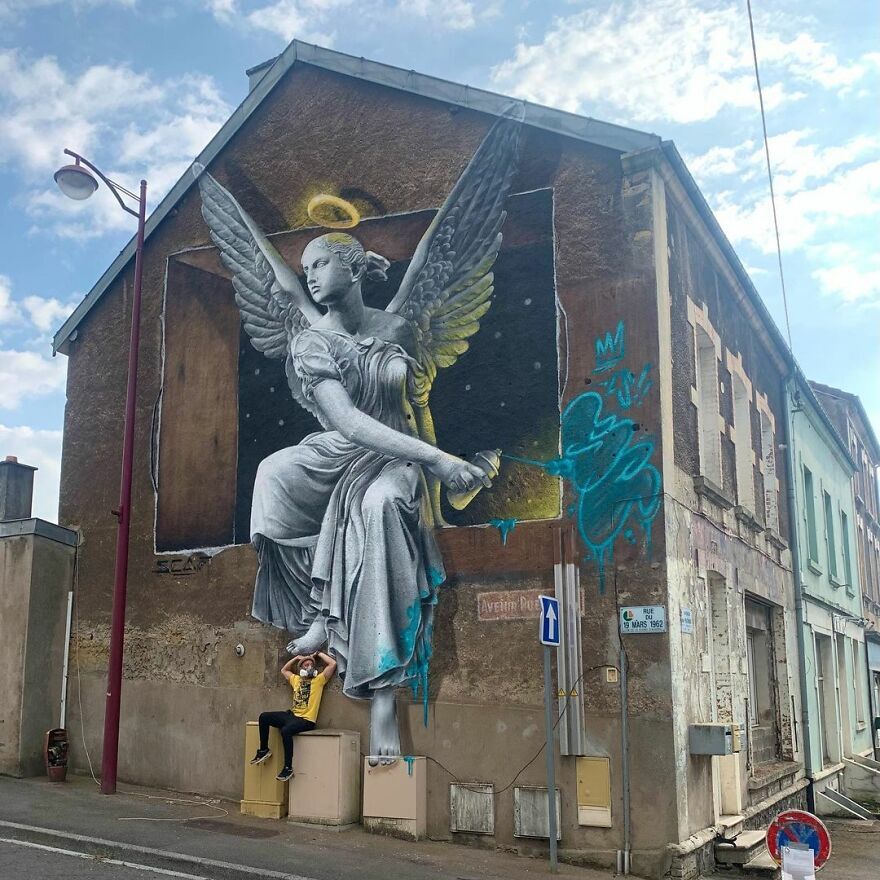
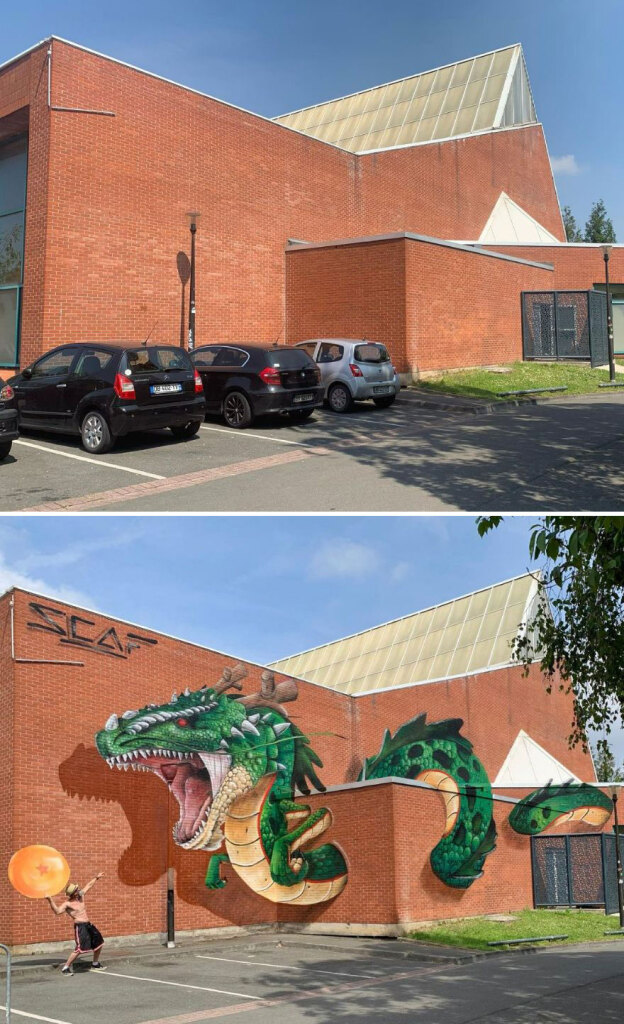
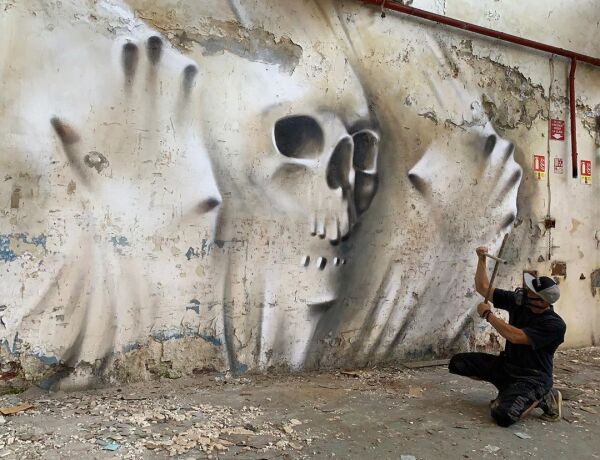
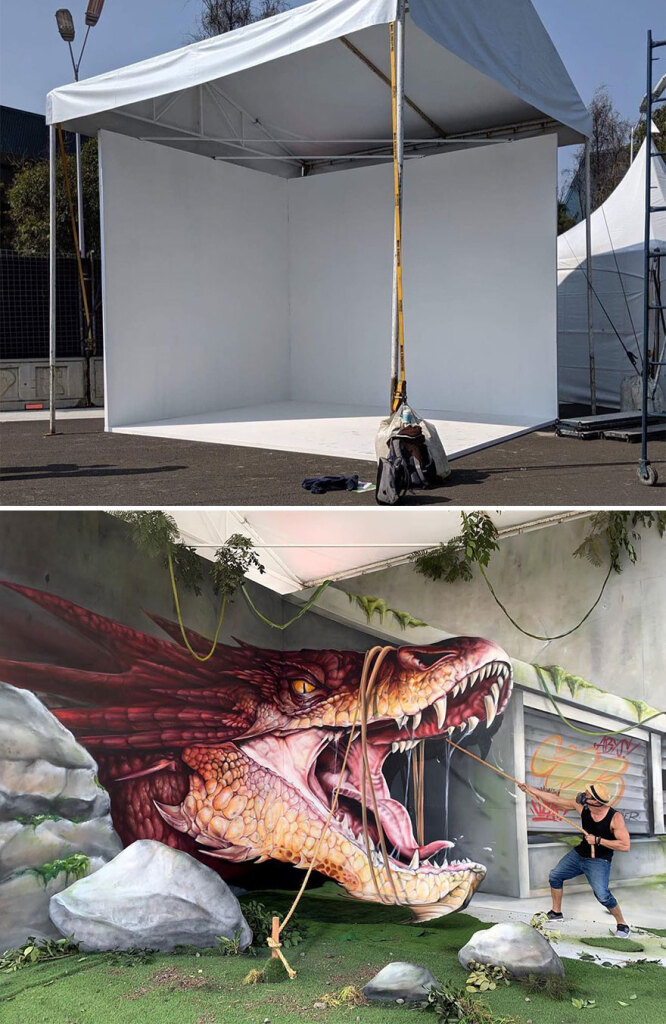
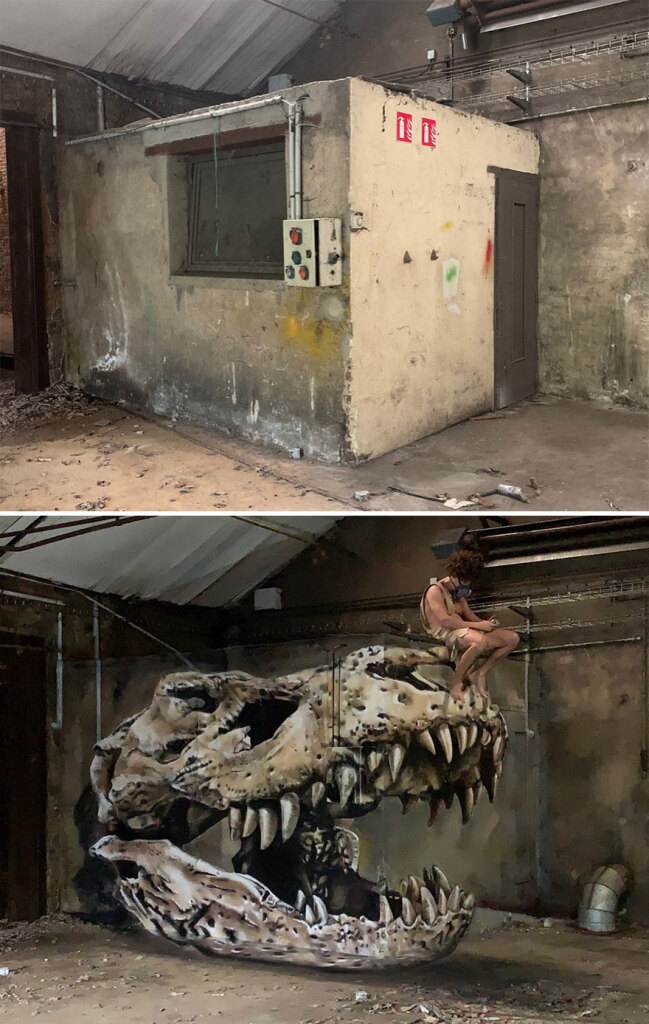
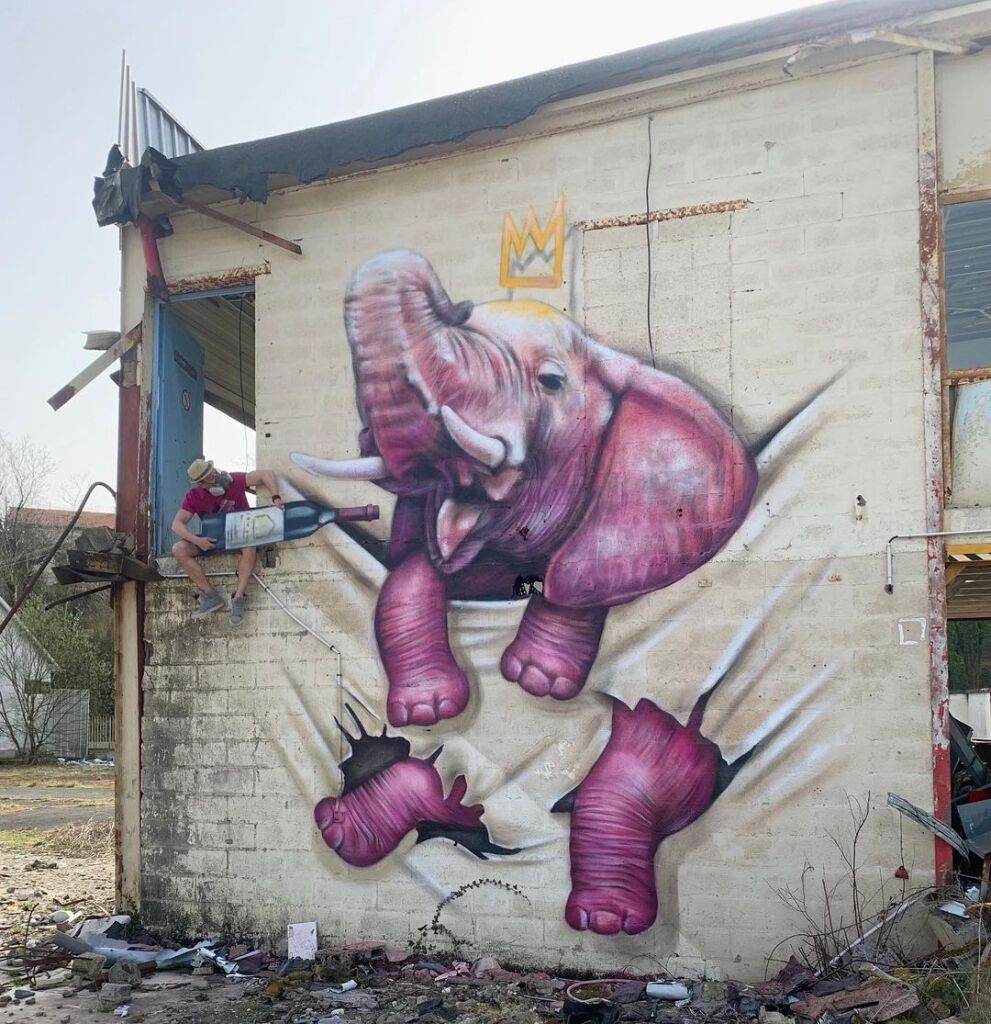
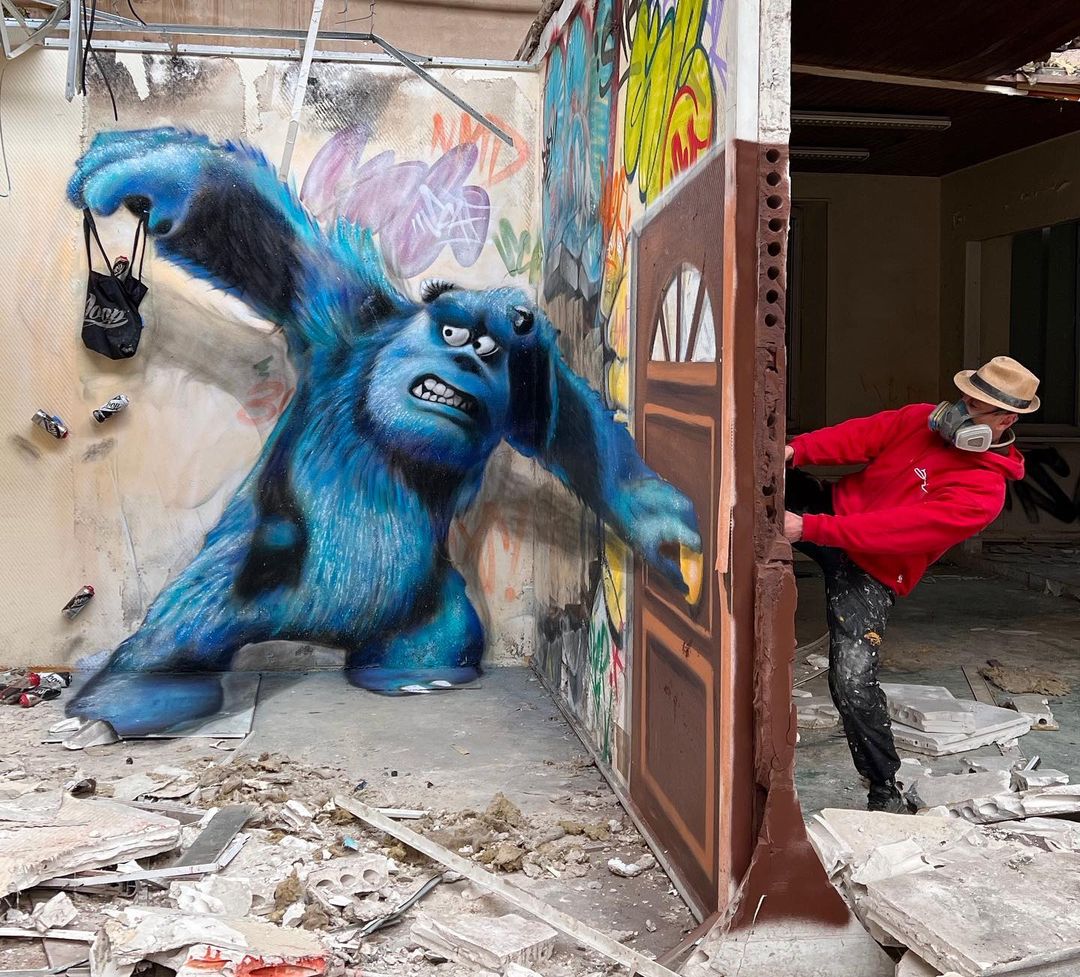
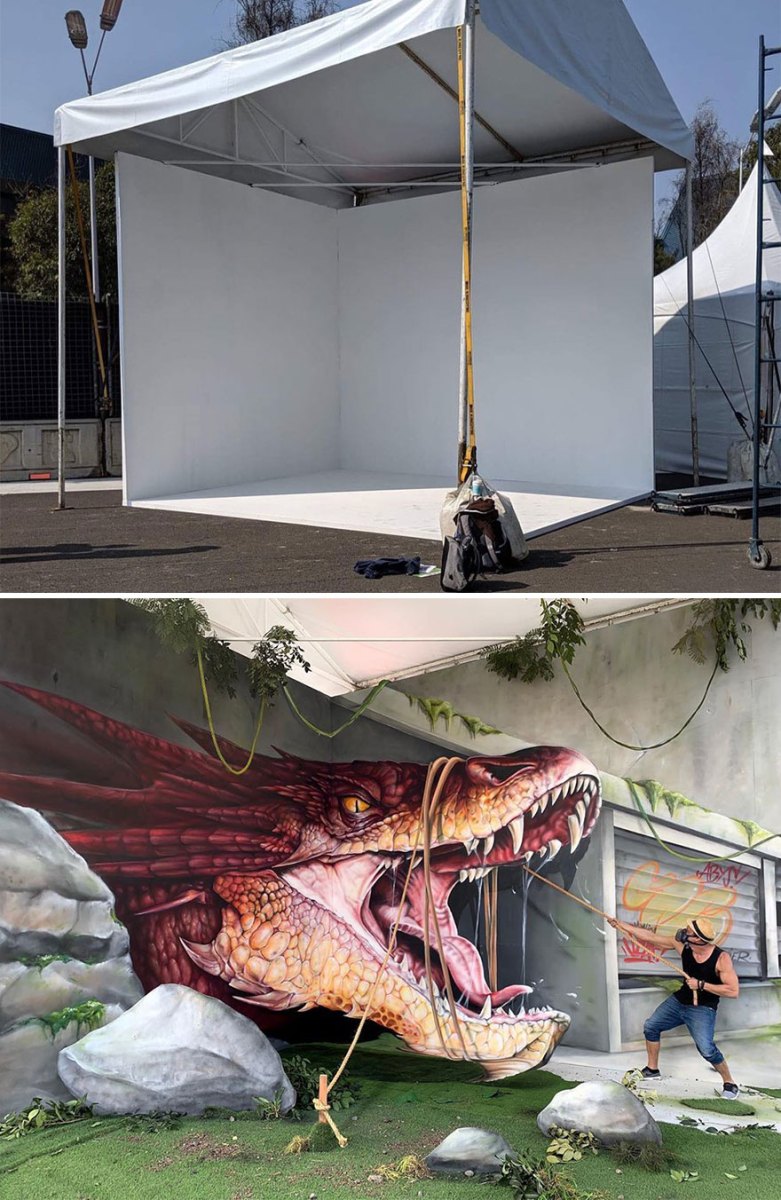
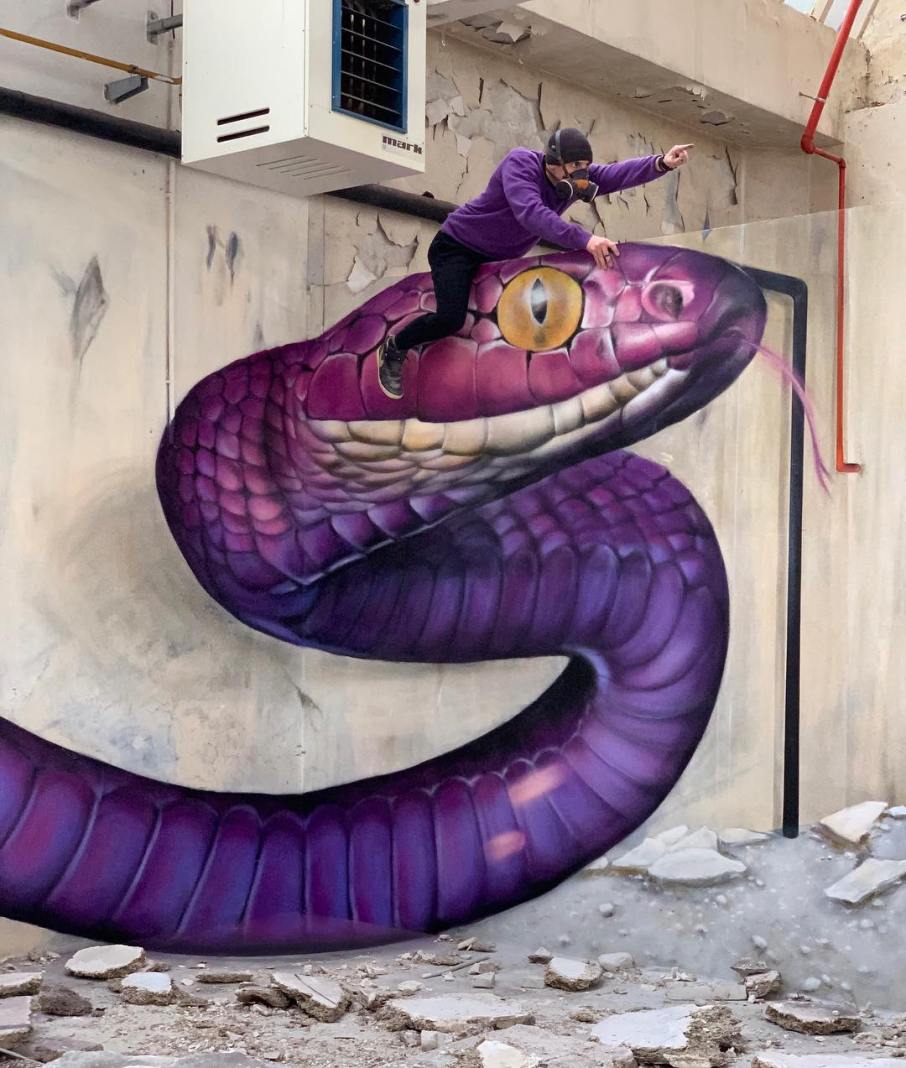
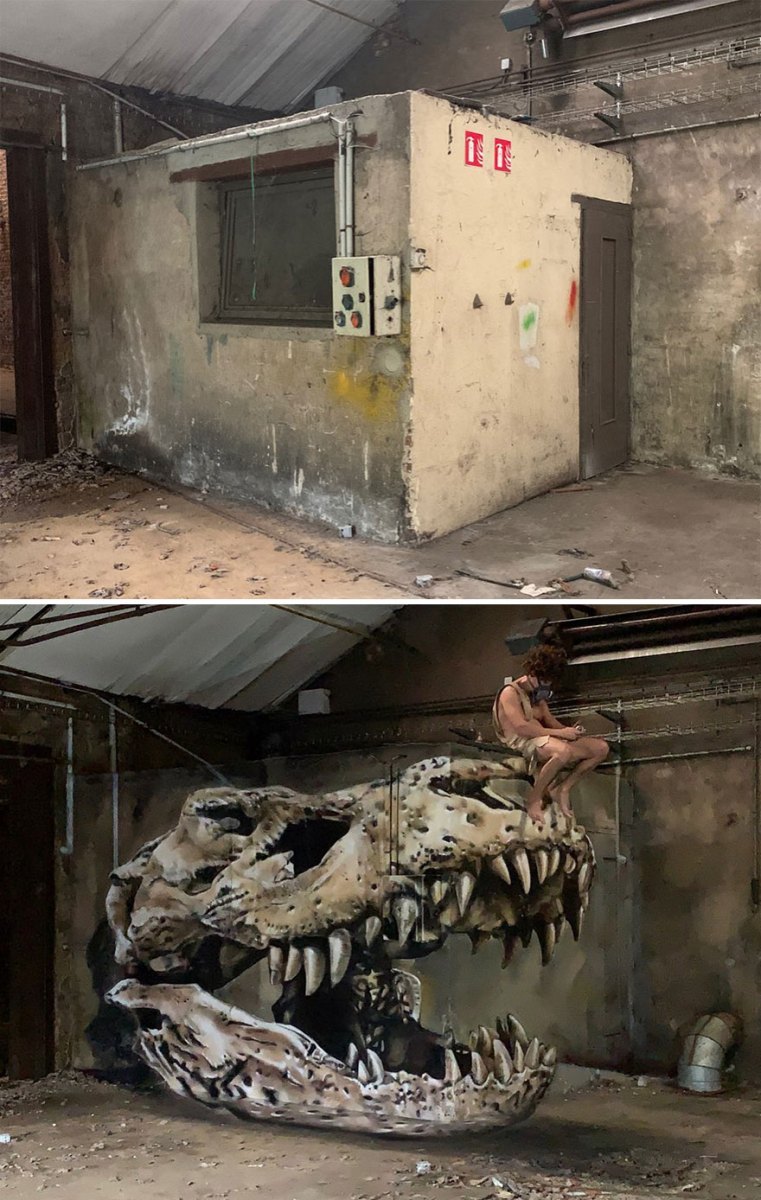
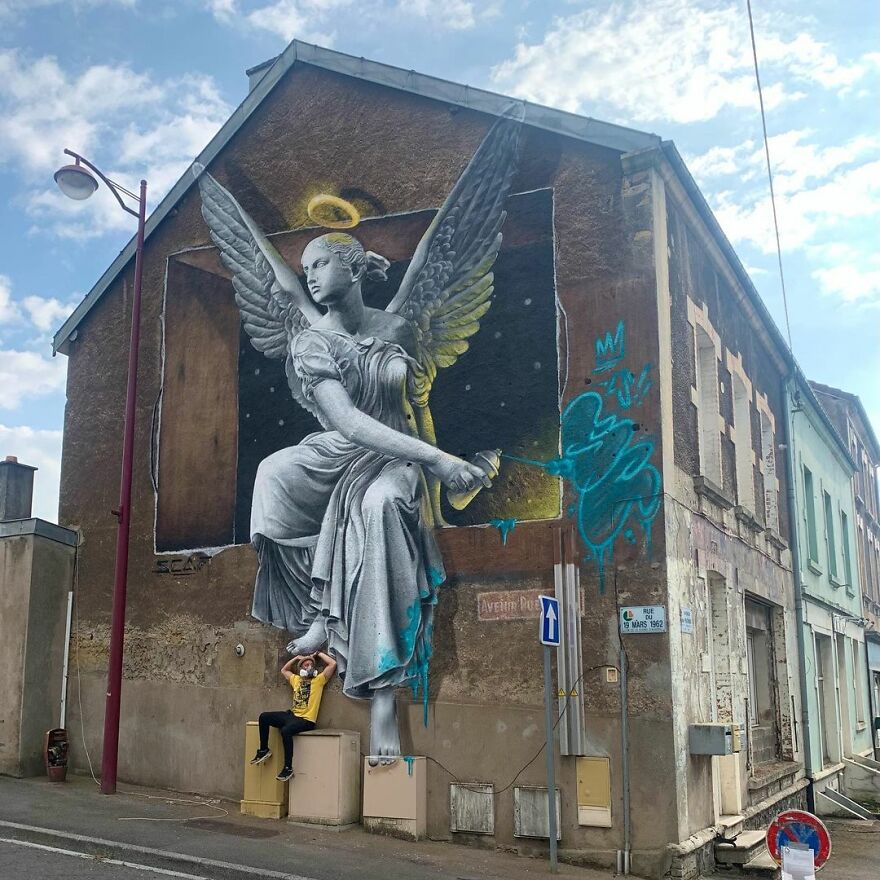
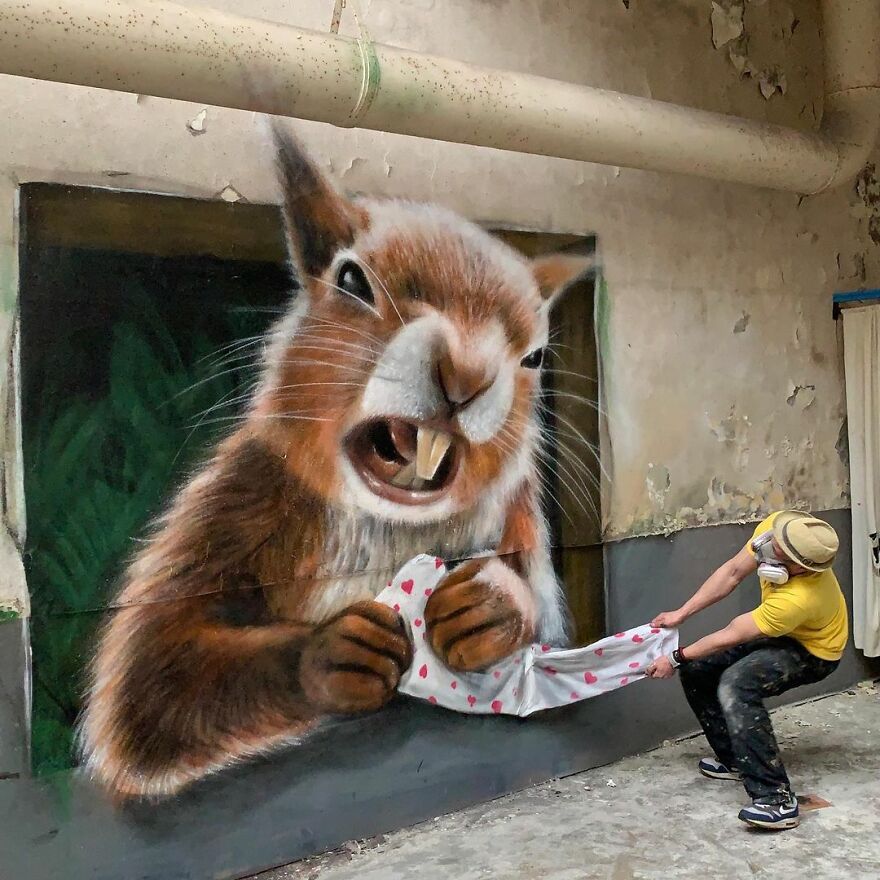
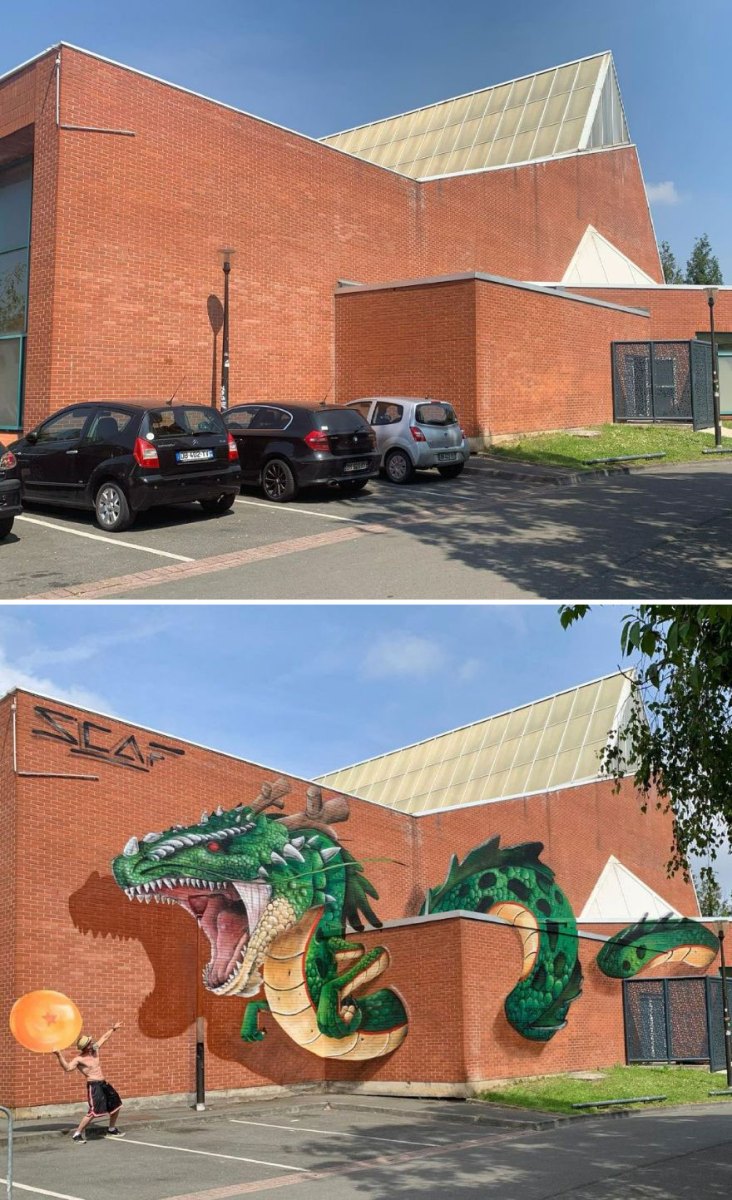
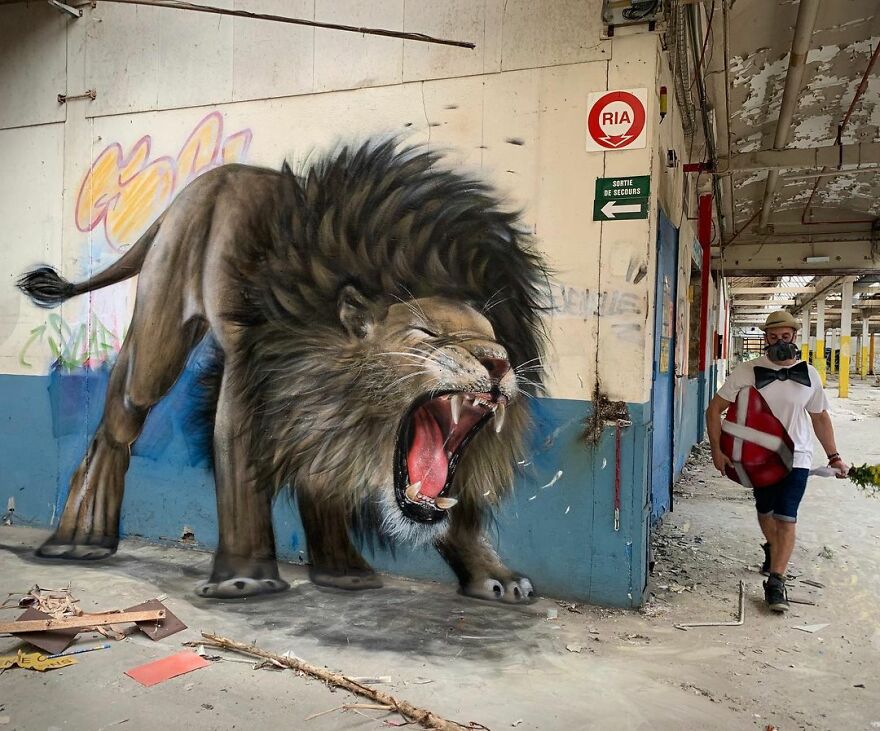
26 Amazing 3D Paintings by SCAF!
As street art has evolved from a frowned-upon act of vandalism into a widely-accepted form of creative expression, it has become a powerful medium for artists to voice social and political messages.
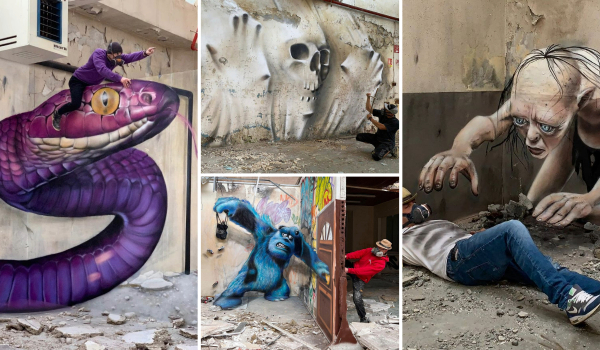
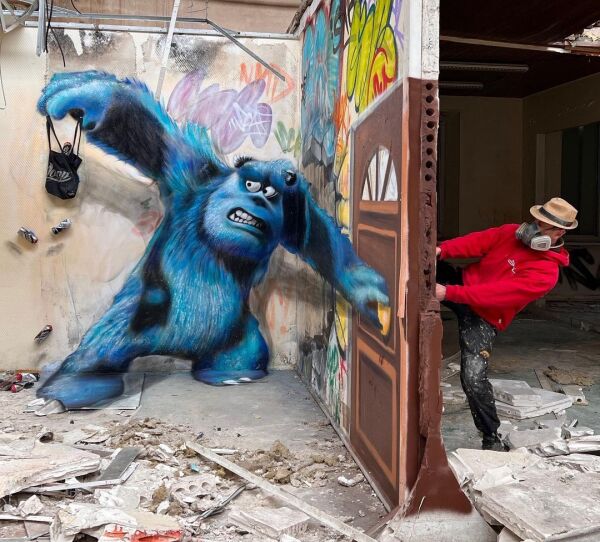
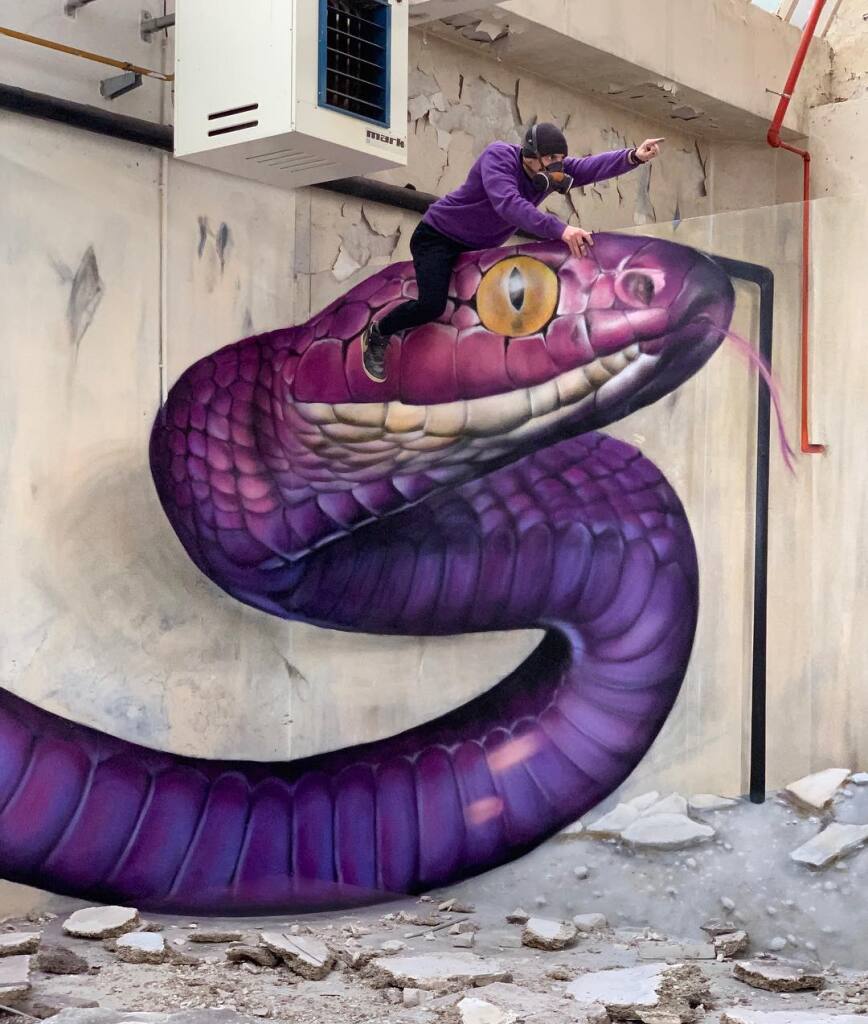
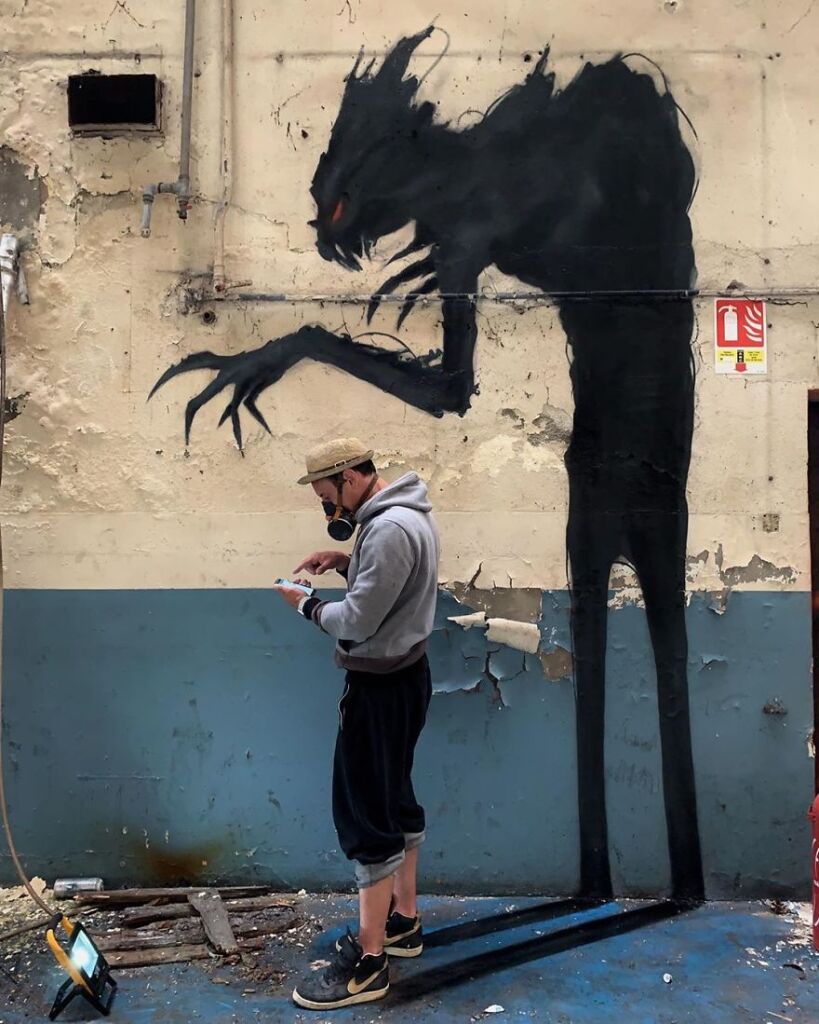
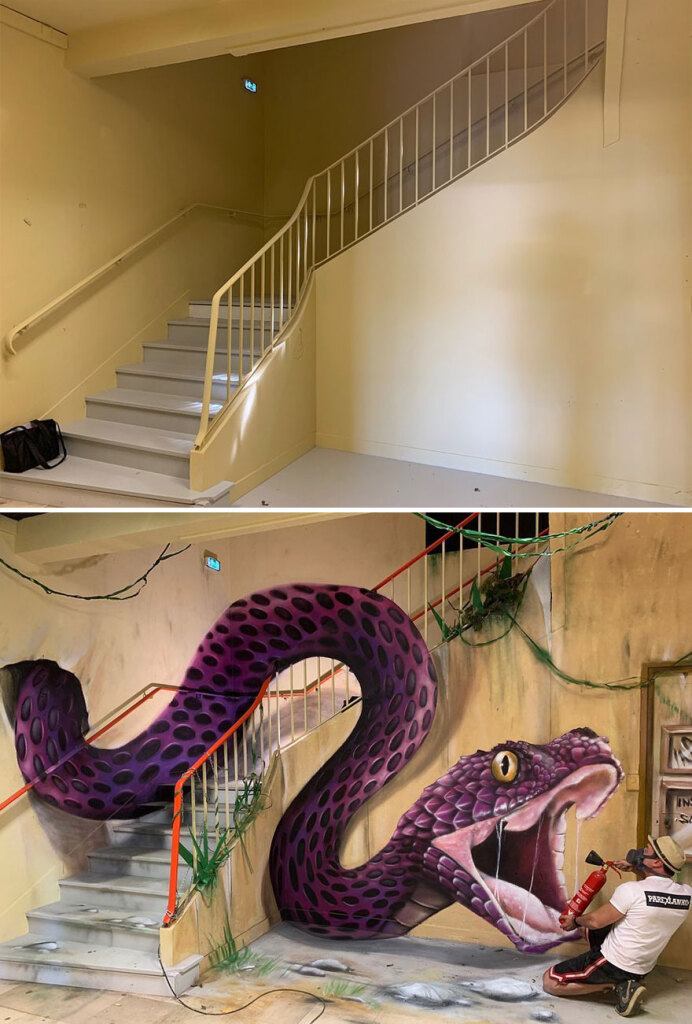
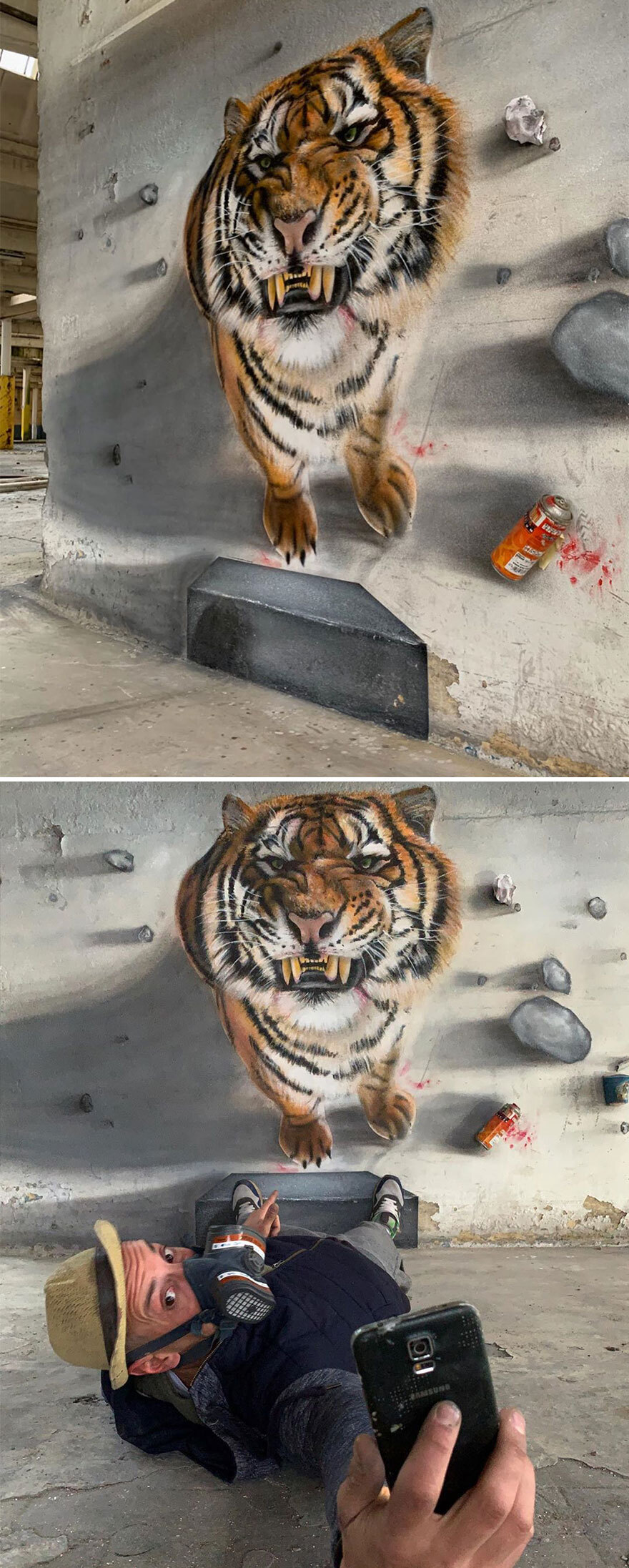
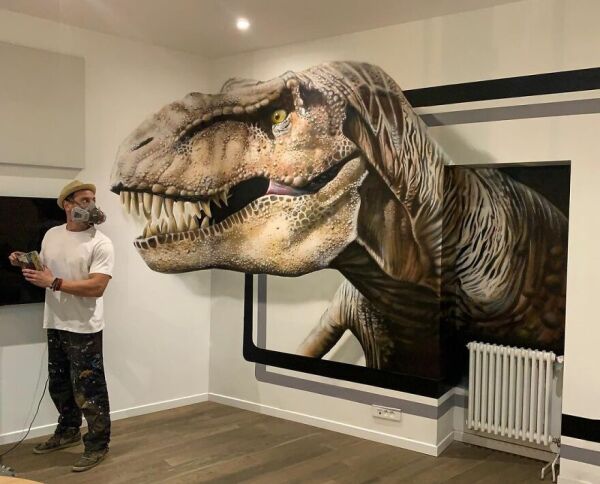
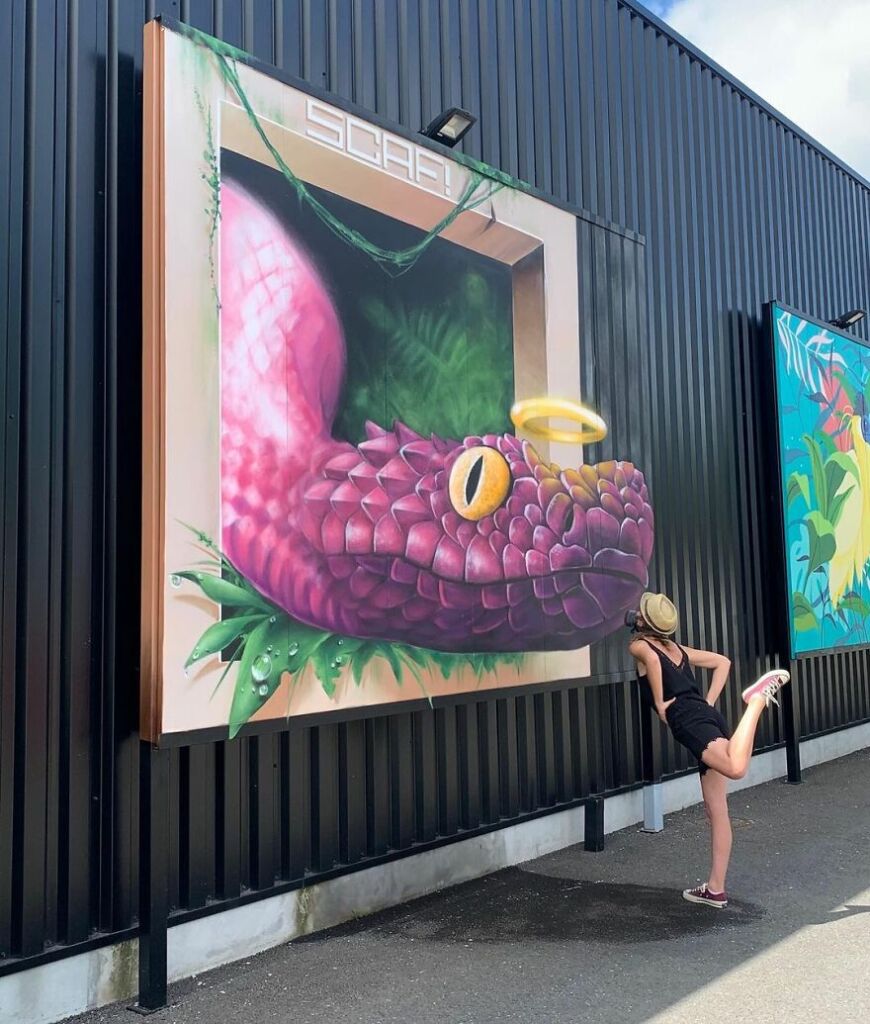
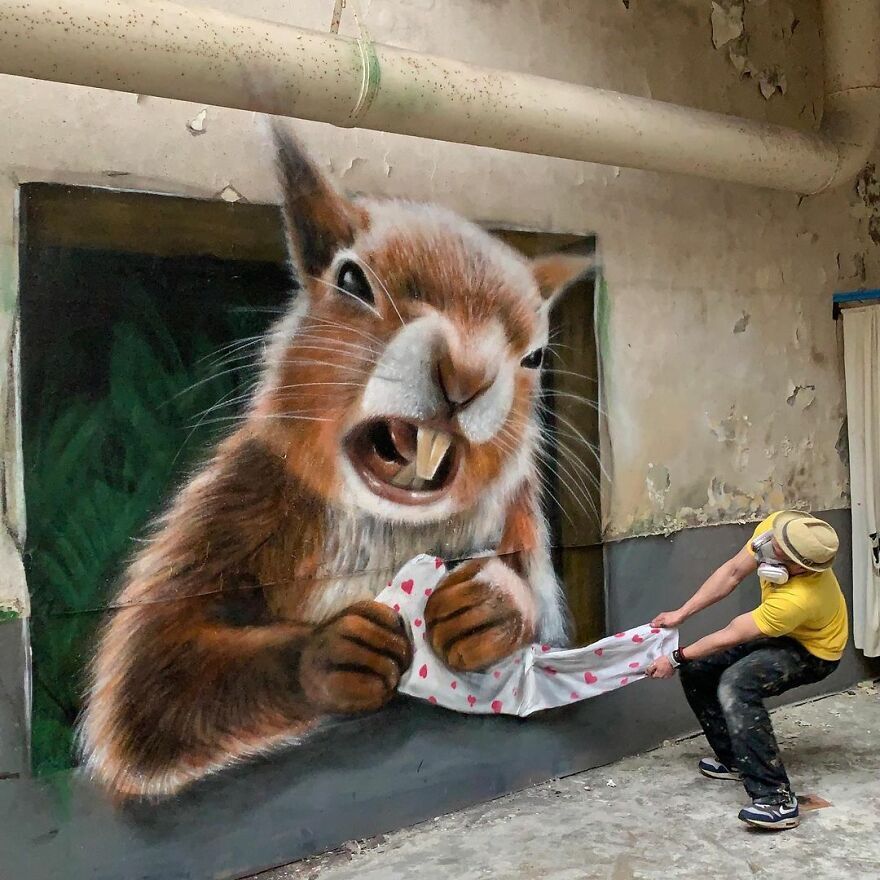
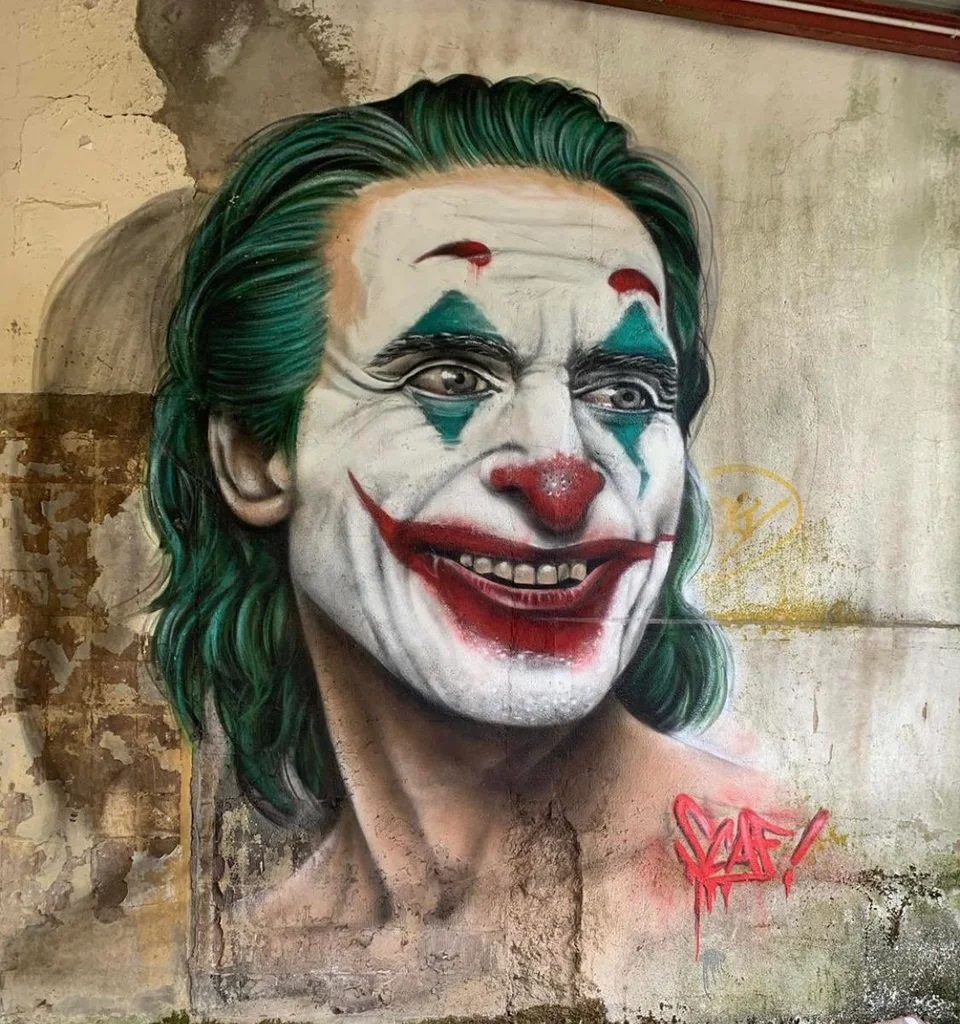
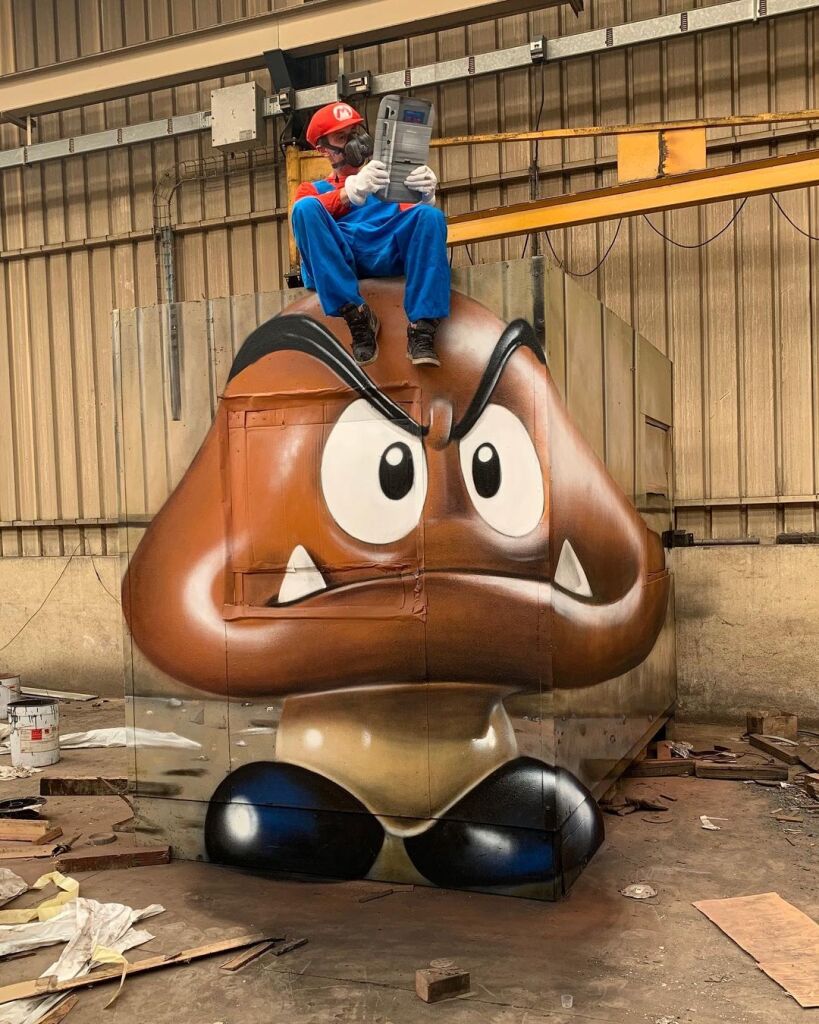
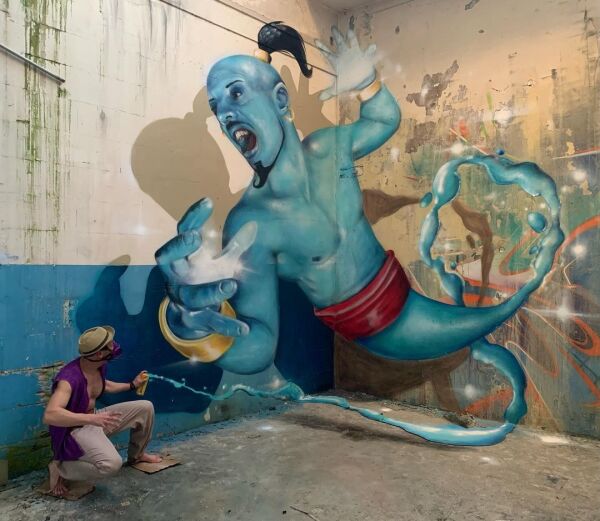
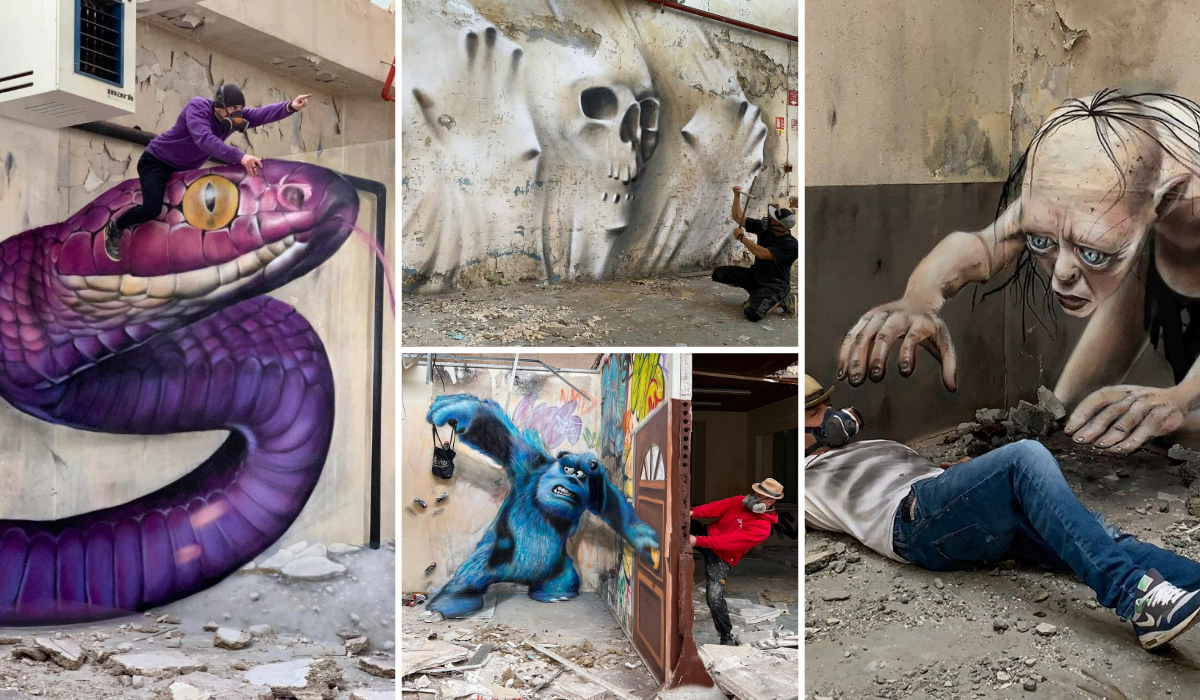
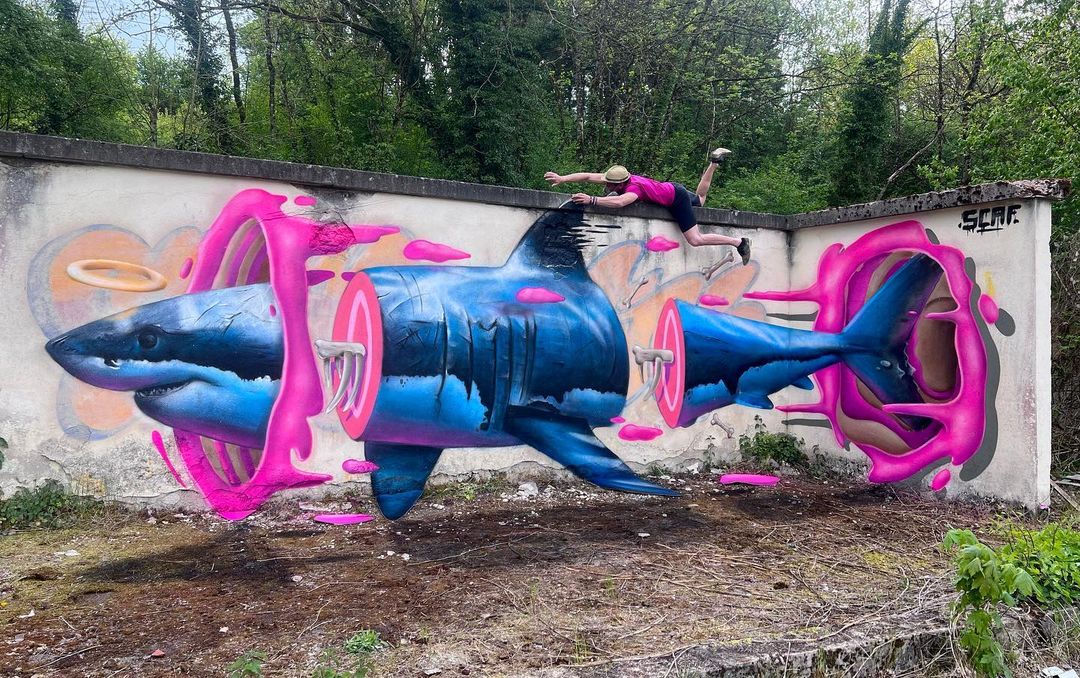
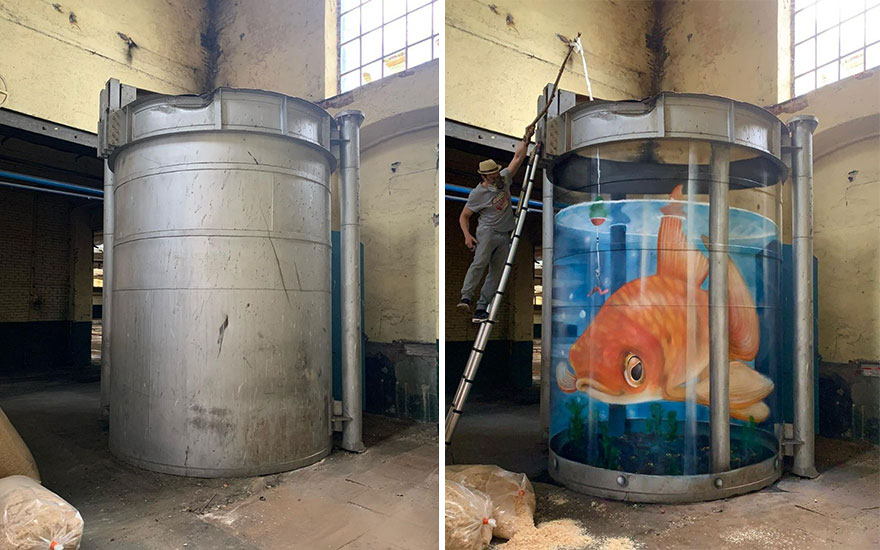
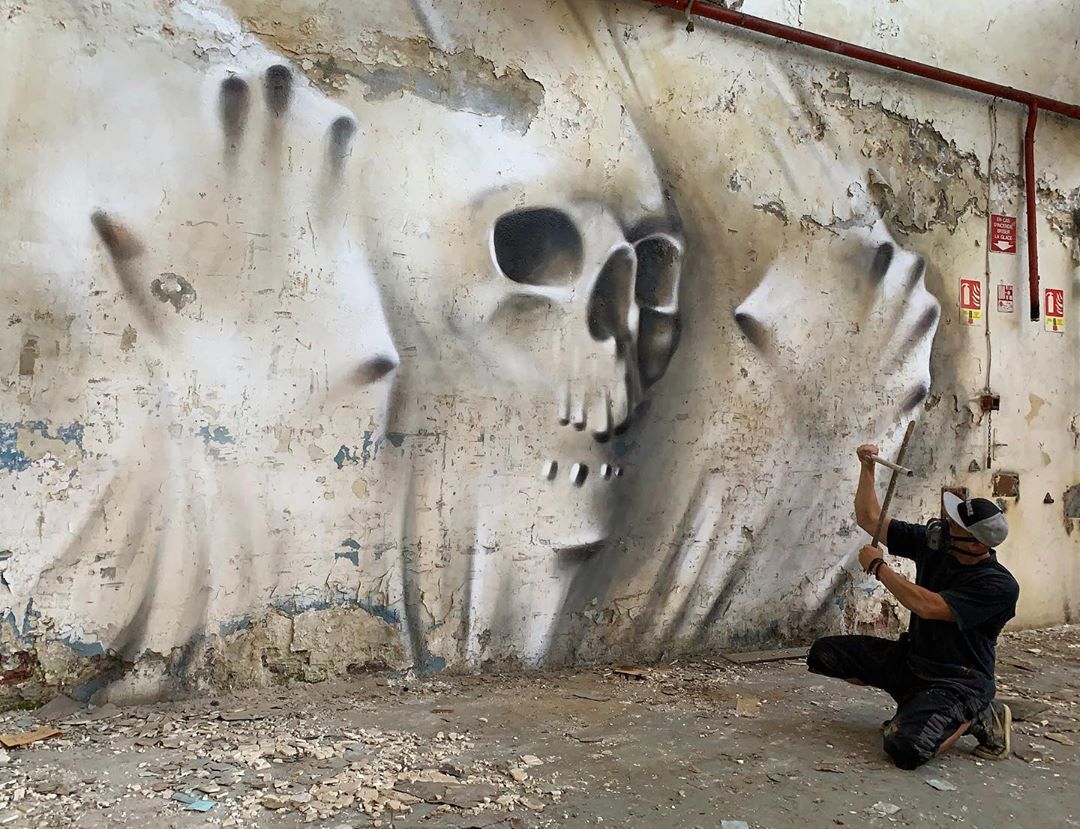
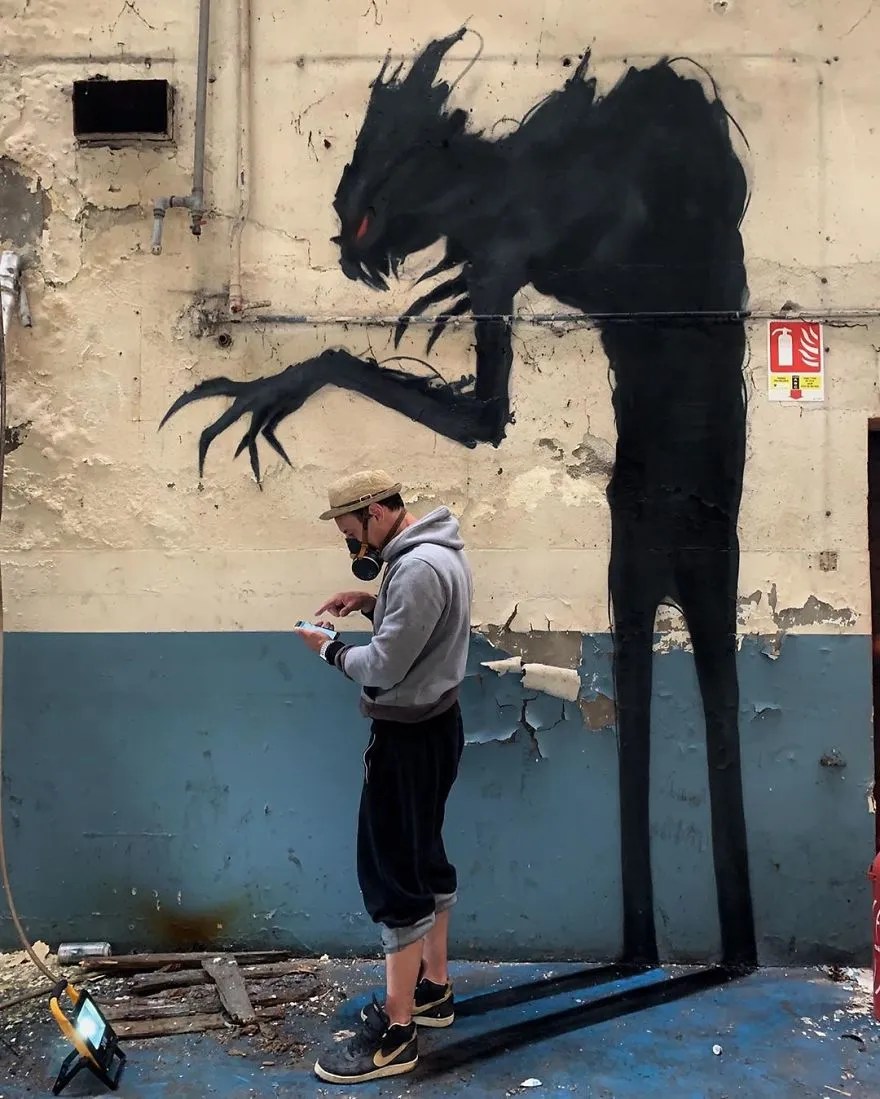
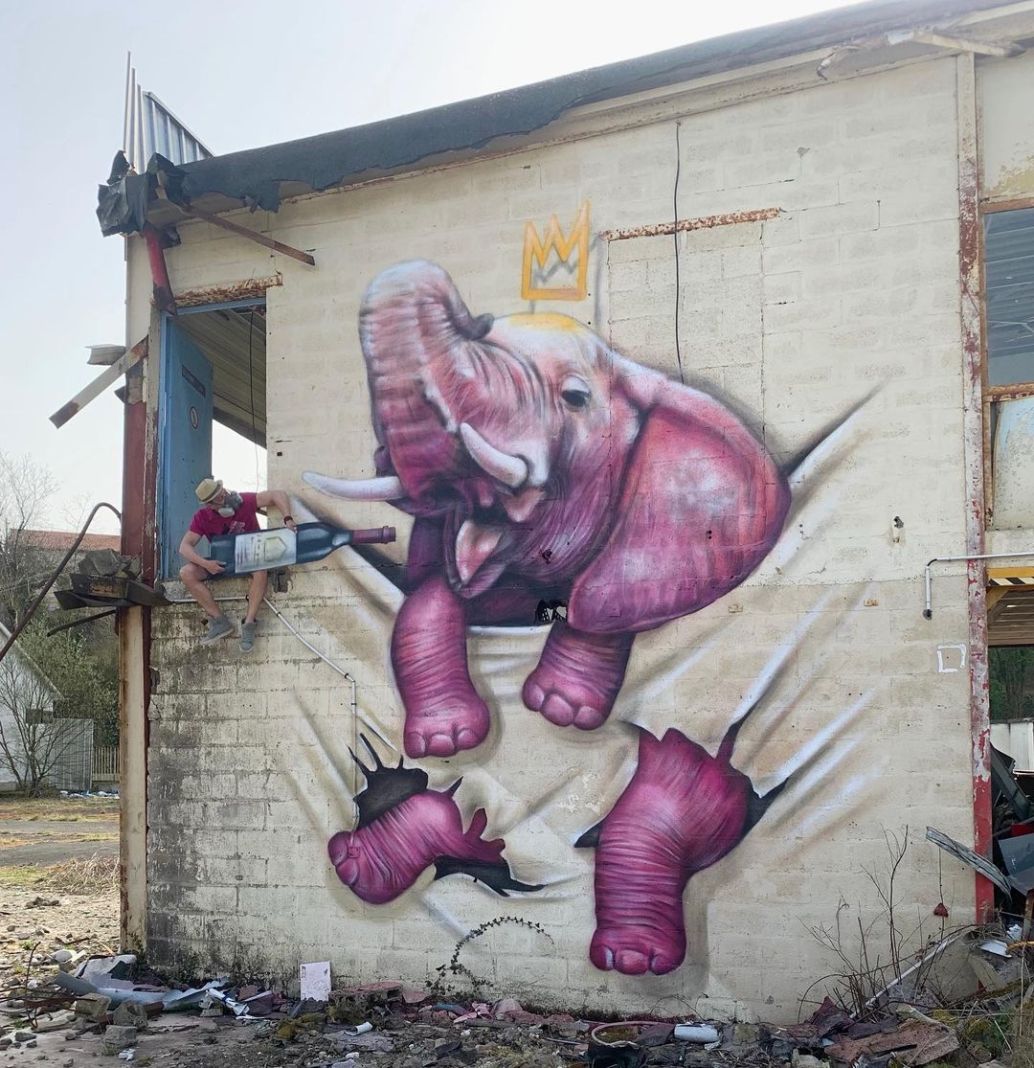
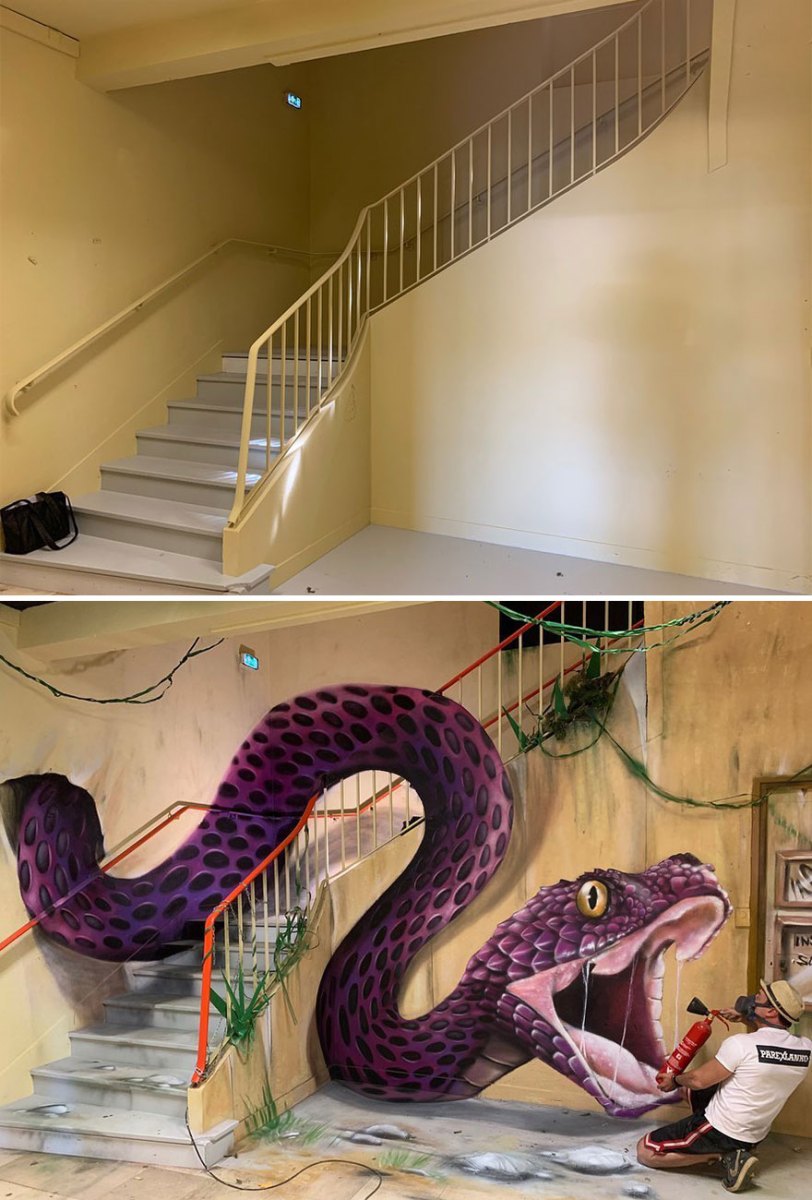
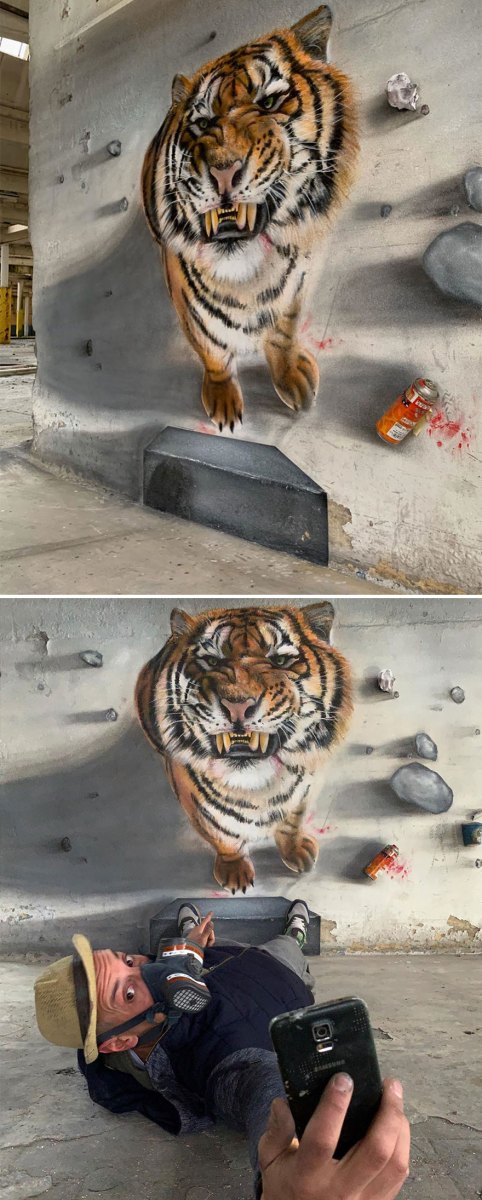
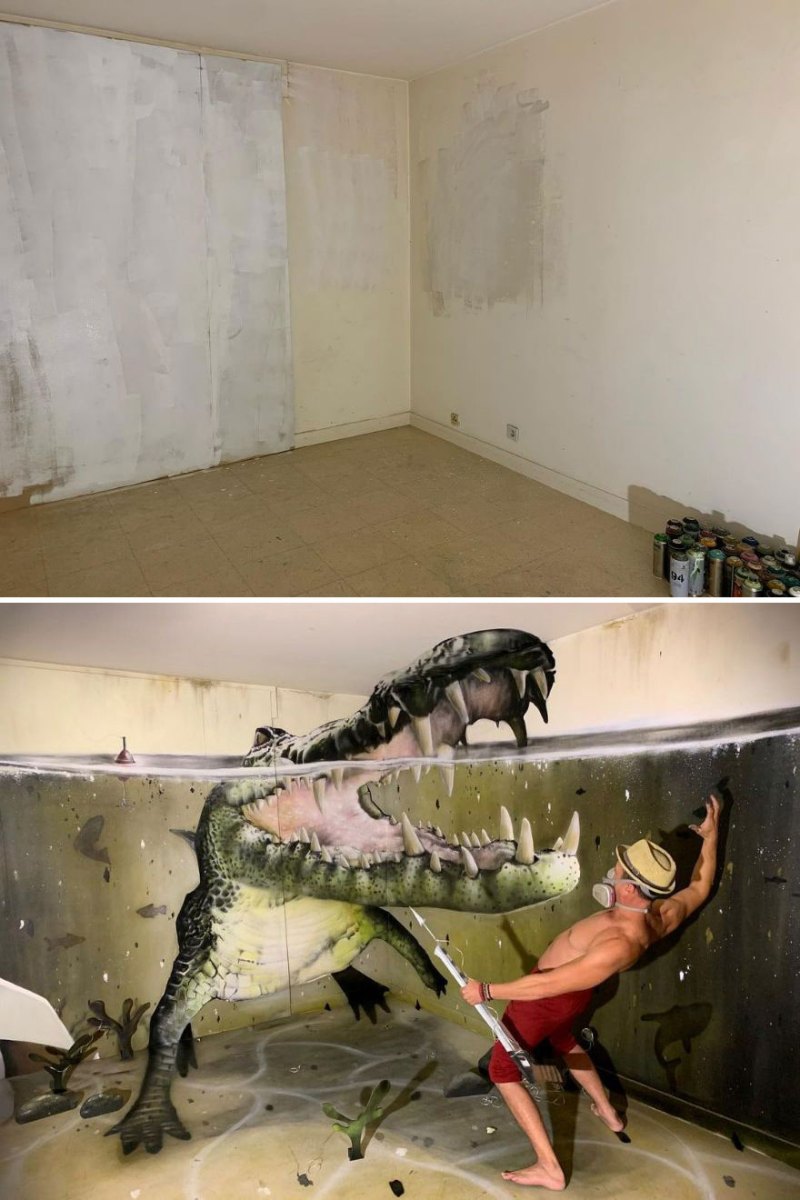
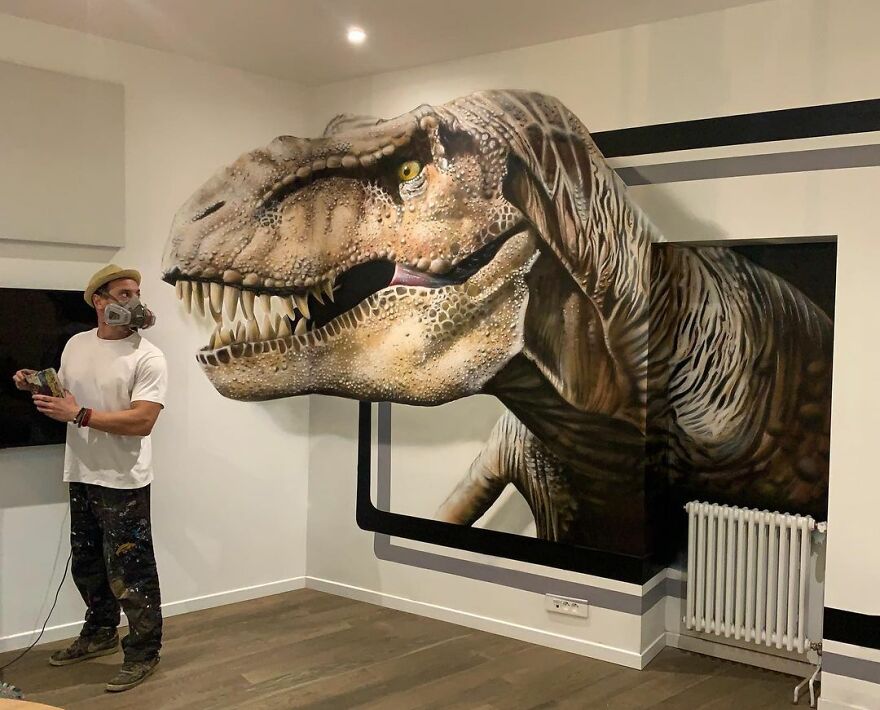
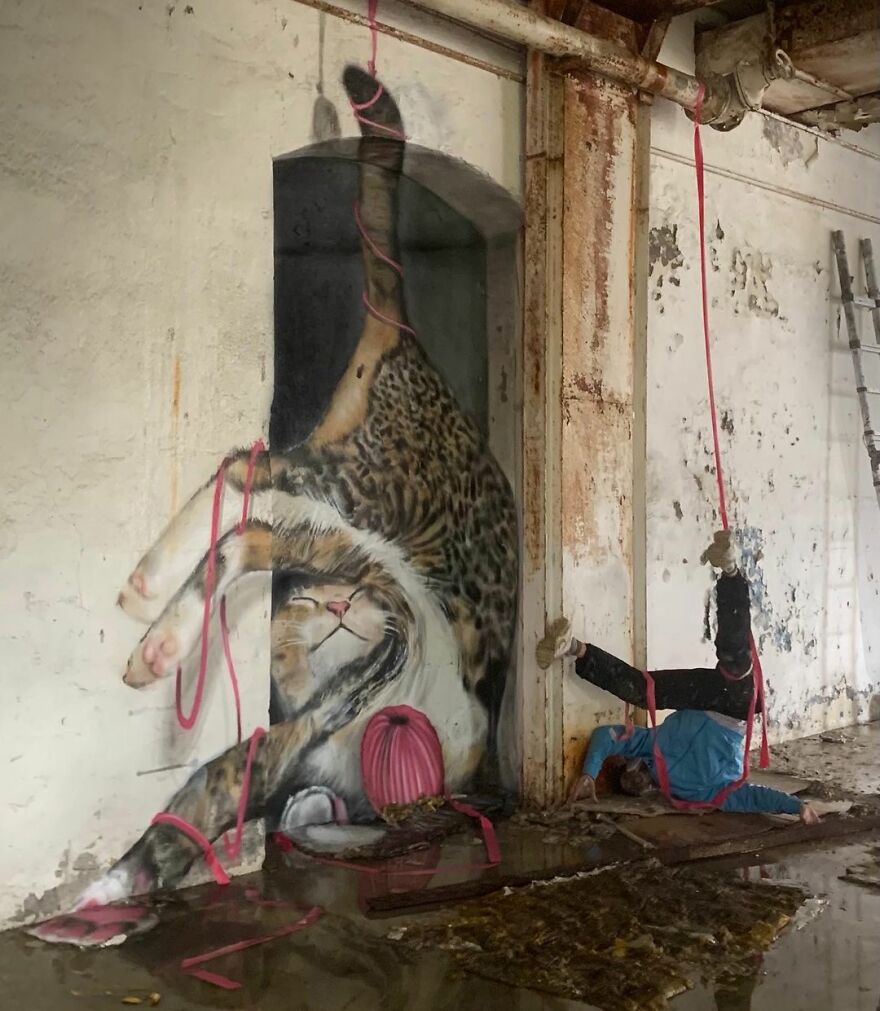
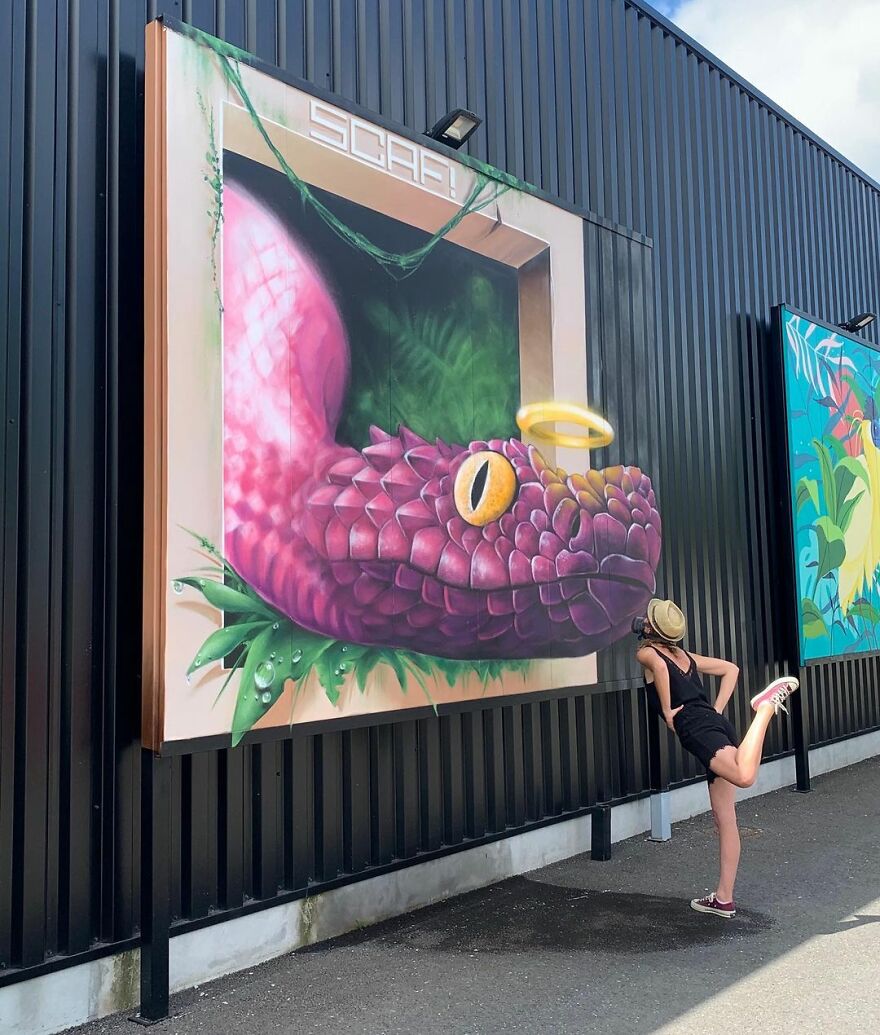
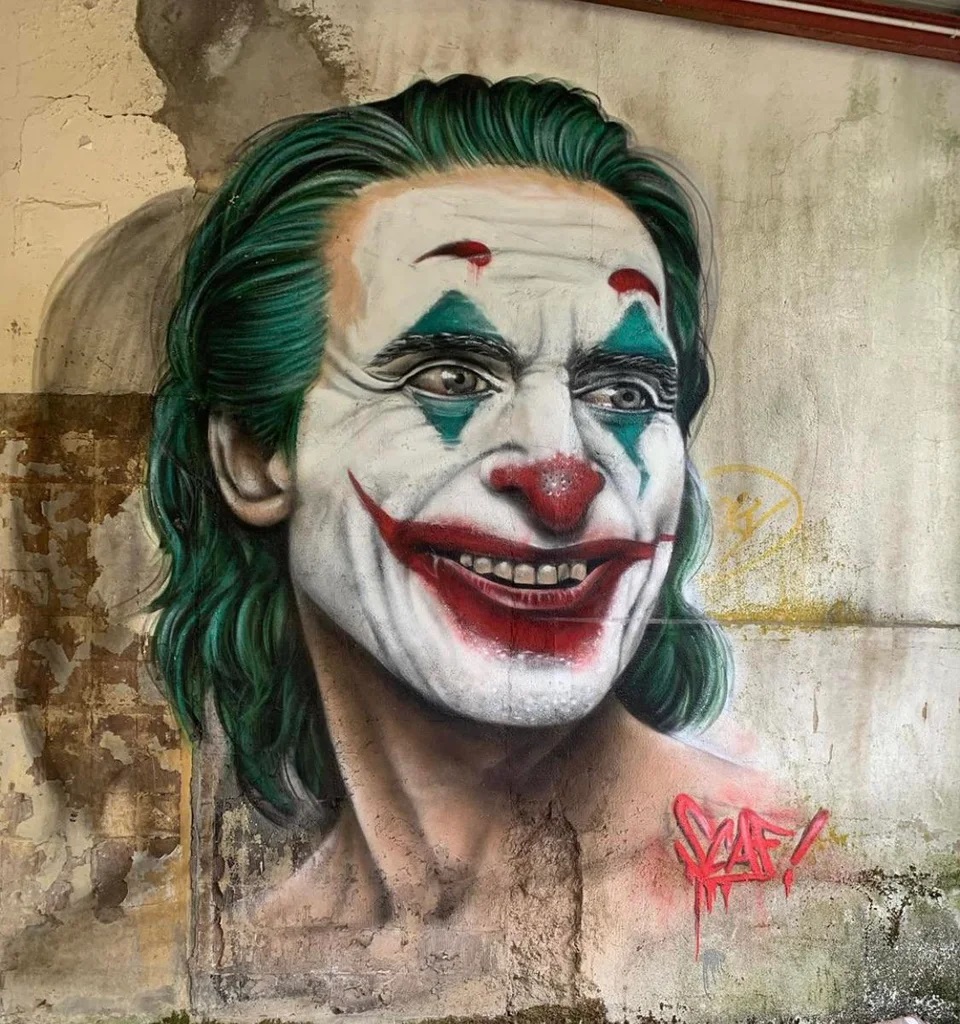
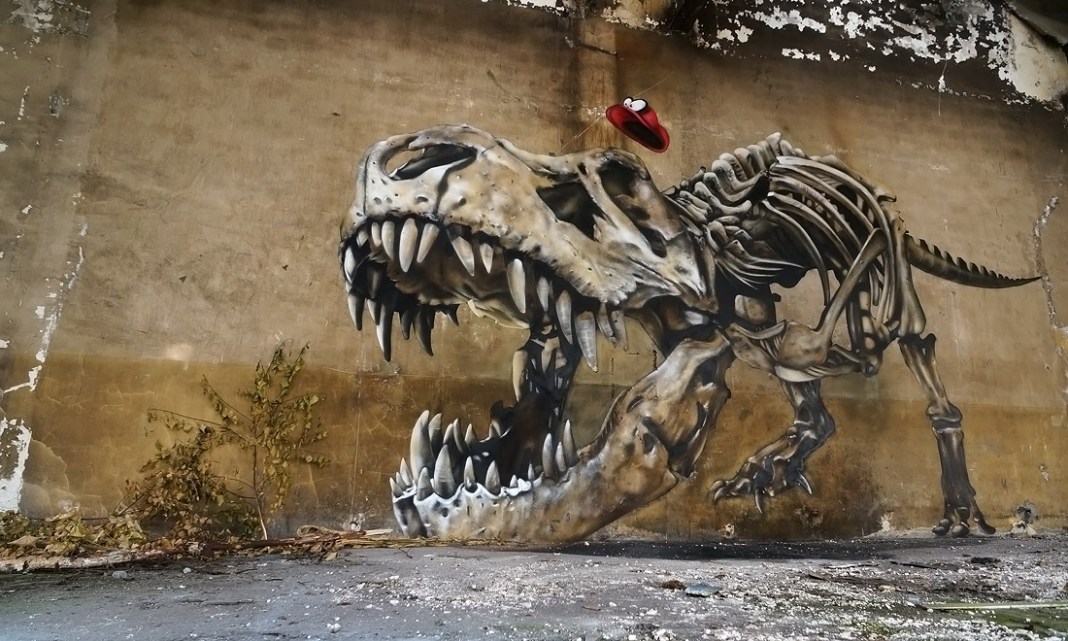
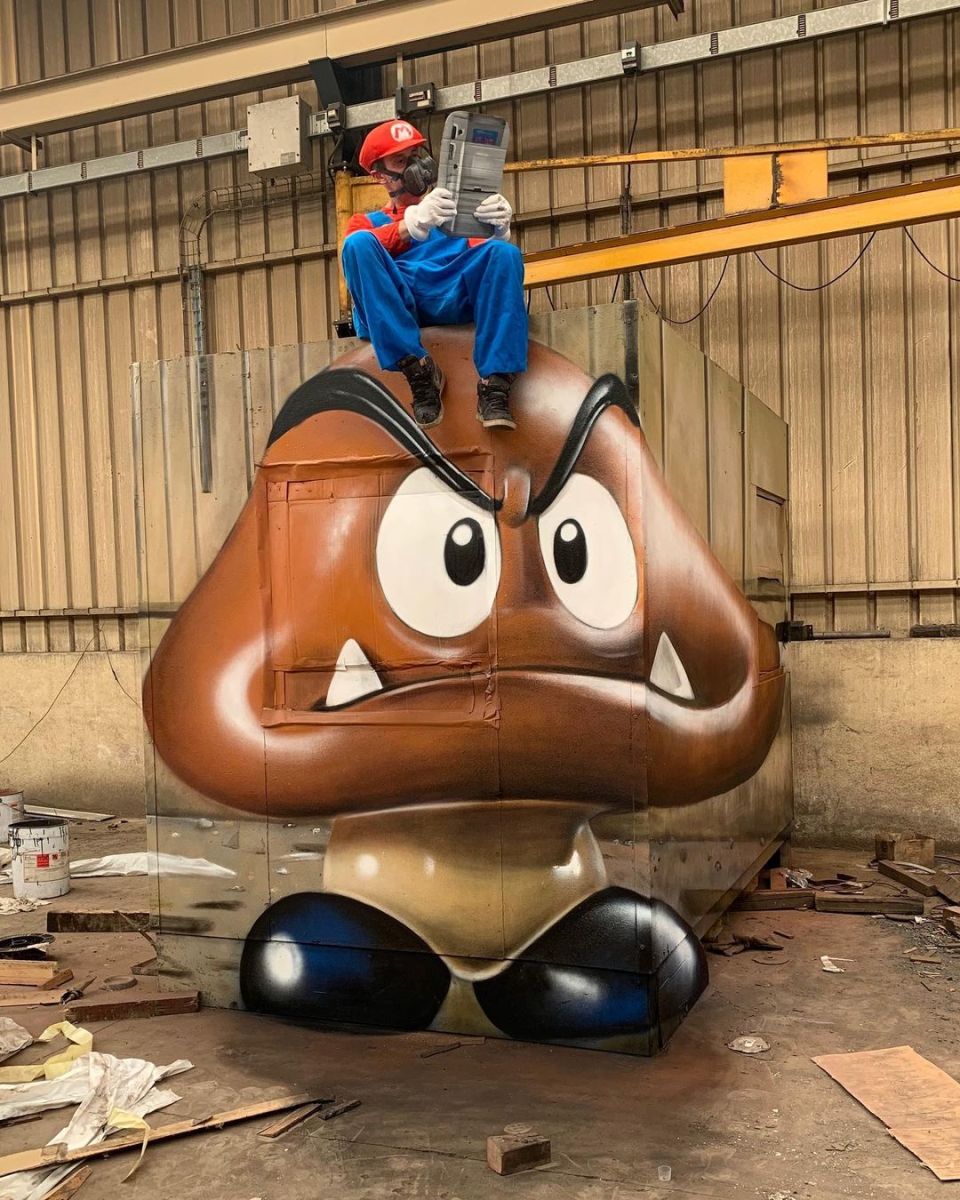
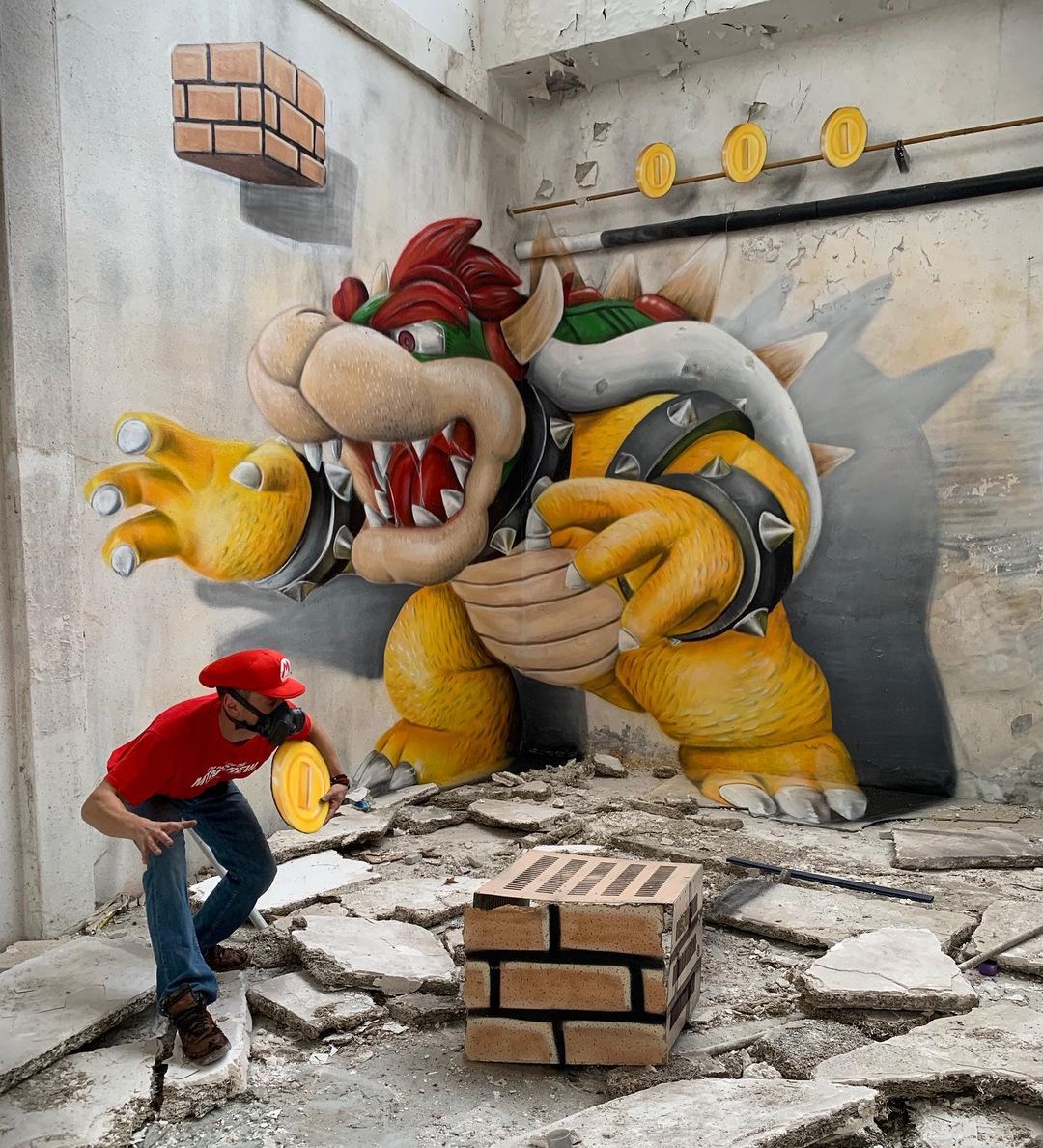
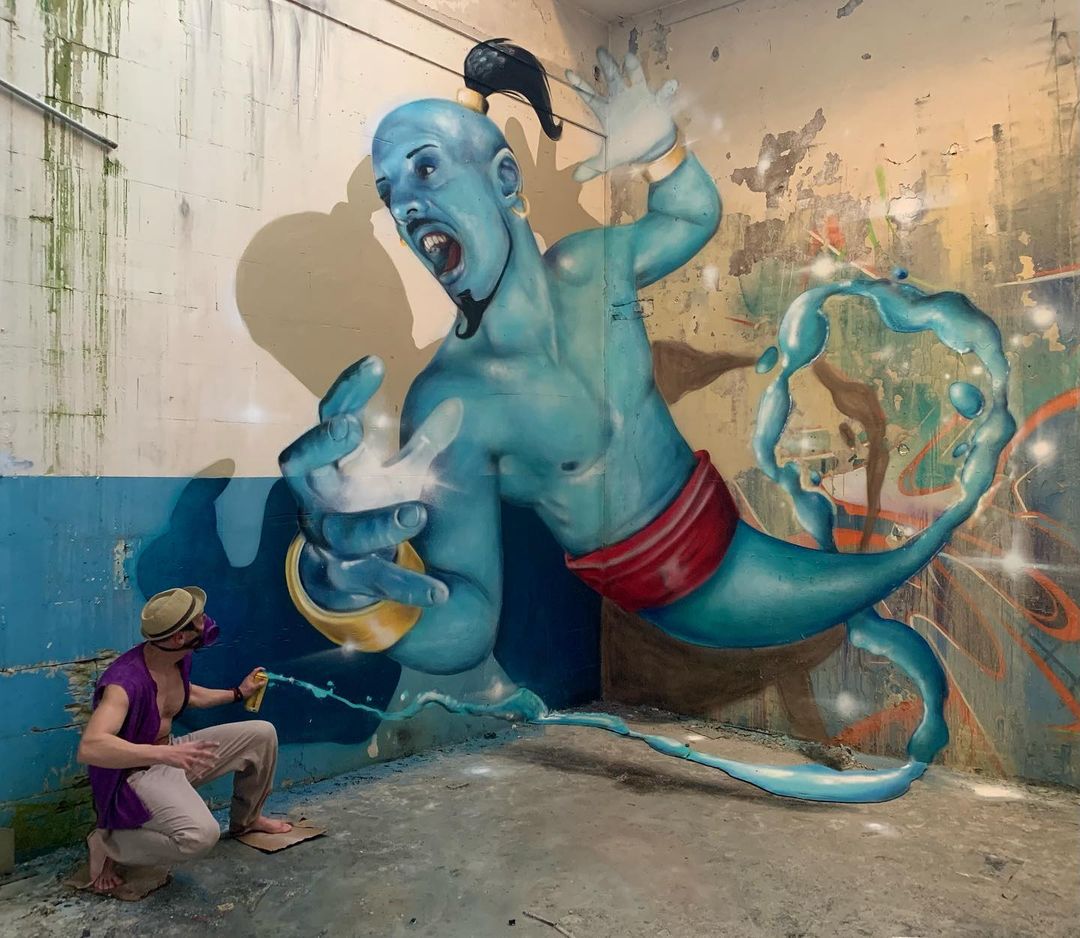
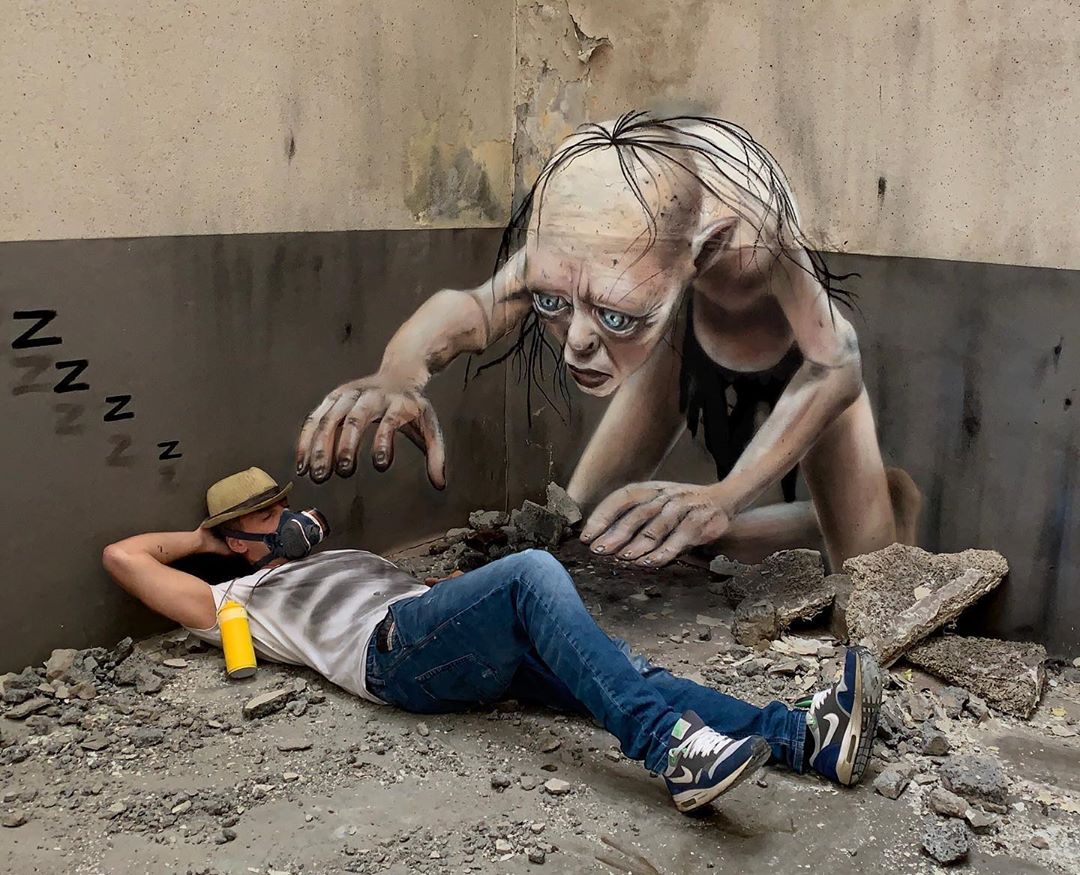
It has also turned into a source of joy, inspiration, and delight for residents and visitors alike. One such artist who has mastered the art of transforming mundane urban spaces into captivating visual experiences is the French street artist, Scaf.Scaf (Pierre Bertolotti), known for his mind-blowing 3D graffiti illusions, has garnered international acclaim for his ability to breathe new life into everyday objects. His vibrant creations, often featuring bold colors and clever optical illusion designs, are guaranteed to catch the attention of even the most hurried passerby.
With his uncanny talent for creating hyper-realistic, intricately detailed artworks, Scaf has become a celebrated figure in the global street art scene. His repertoire includes an impressive array of subjects, from prehistoric dinosaurs and menacing snakes to haunting skulls and futuristic robots.
Scaf: “The main goal is to make people smile. So that the people who discover my paintings will have a moment of lightness in a world where everything goes so fast and crazy. I watch a lot of cartoons. My goal is also to get away from the problems of everyday life and dream.”
Don’t miss out on Scaf’s latest creations! Follow him on Instagram to stay updated and explore more of his awe-inspiring 3D graffiti illusions.
Delve into a selection of Scaf’s most fascinating works below and uncover the ways in which he pushes the limits of street art to new heights:
What do you think about the art by SCAF?


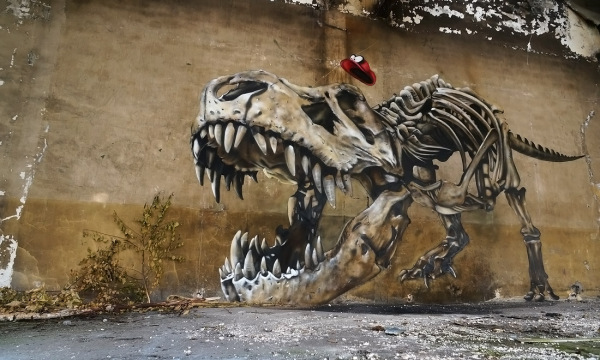
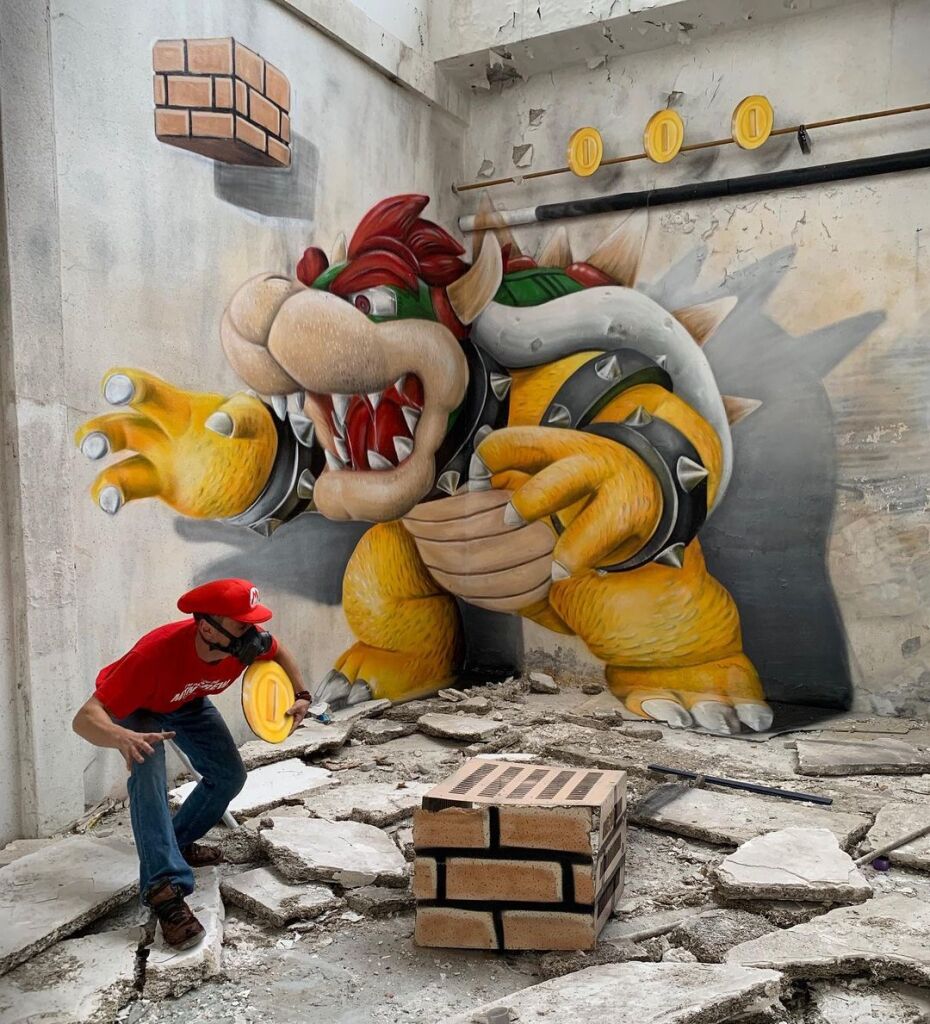
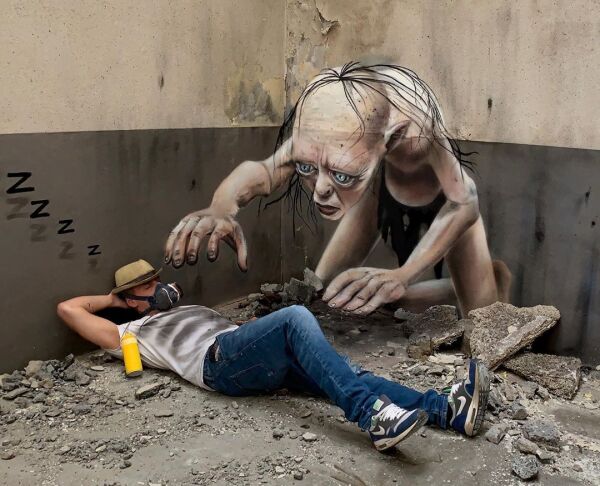
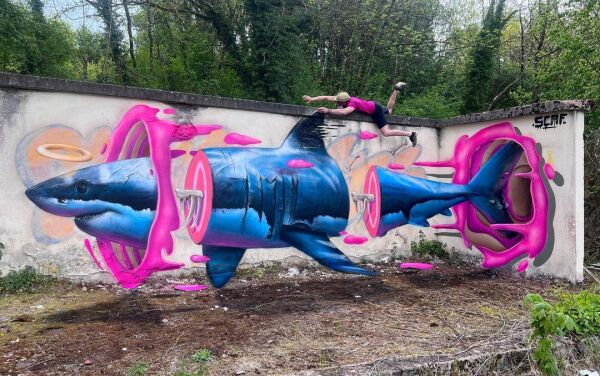
Odeith – Visual Experimentalism Art & Contemporary Creations
Discover Odeith’s visual experimentalism artworks, blending bold techniques with unique perspectives. Explore original contemporary art designed to inspire, captivate, and transform your space.Odeith (Contemporary Visual Artist Odeith | Original Paintings & Fine Art Prints)