Content warning: Let me tell you about a mural in Australia that got attention for reasons far different than the artist likely intended. It was a mural of Elon Musk pointing at Doge, the Shiba Inu meme. Sure, it was well-painted, but we need to ask ourselves: Why are we
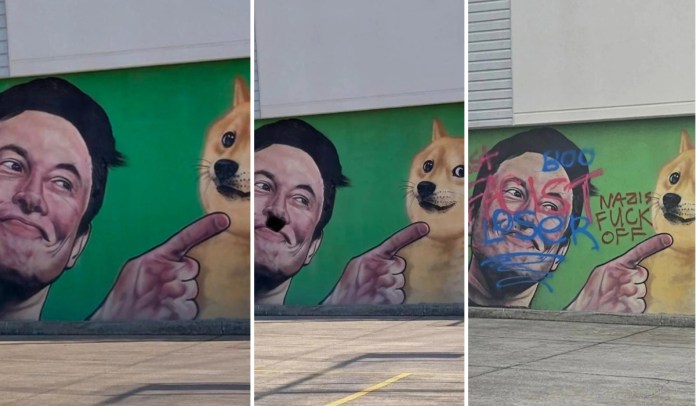
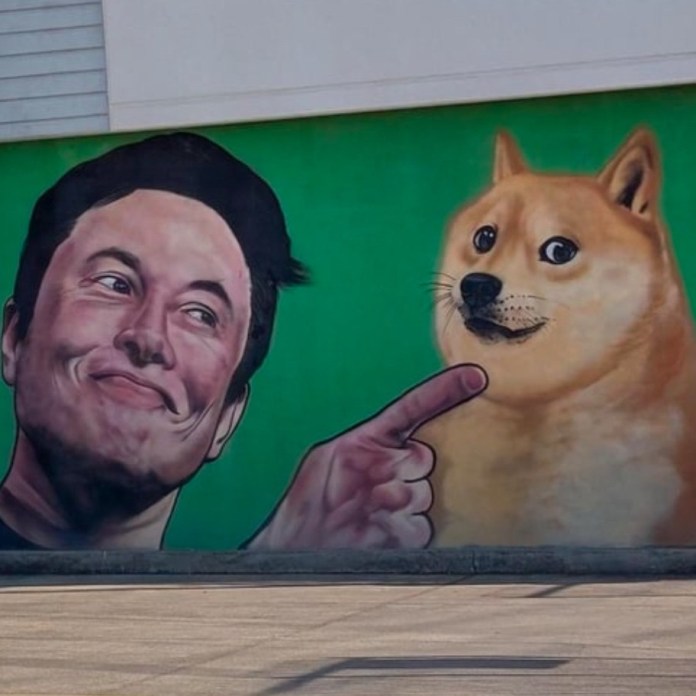
Let me tell you about a mural in Australia that got attention for reasons far different than the artist likely intended. It was a mural of Elon Musk pointing at Doge, the Shiba Inu meme.
Sure, it was well-painted, but we need to ask ourselves: Why are we dedicating public walls to billionaires?
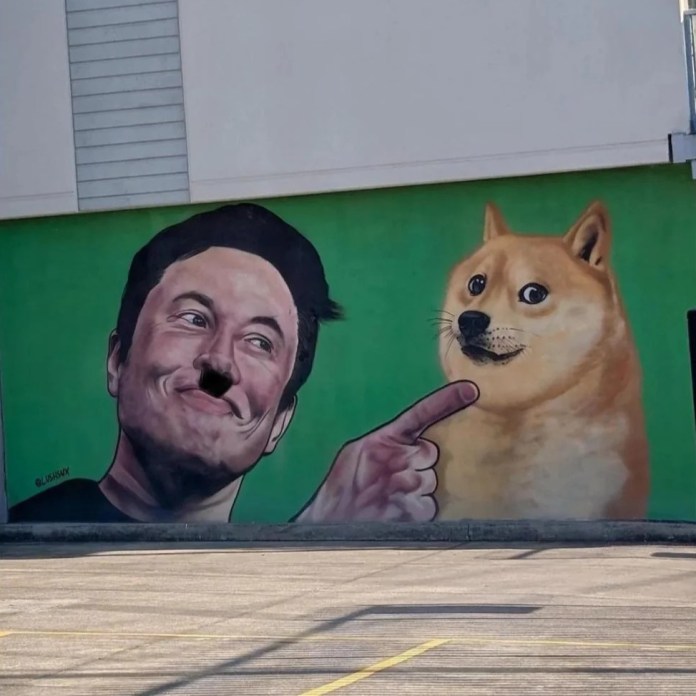
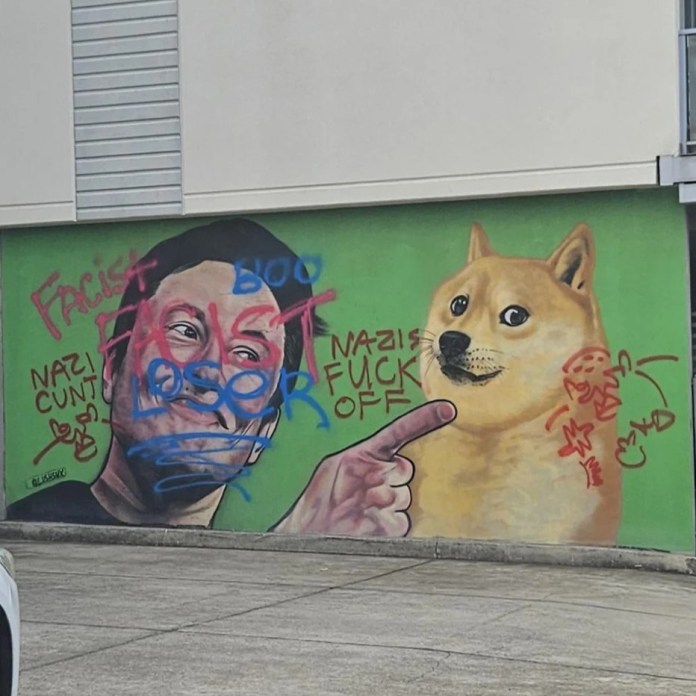
Elon Musk isn’t just a polarizing figure. He’s someone whose actions—from union-busting to spreading misinformation—symbolize a lot of what’s wrong with modern capitalism. And then, just days before this mural became a target, Musk made a public gesture that many interpreted as a Nazi salute. It was this gesture that fueled the response to the mural. People spray-painted words like “Fascist” and “Loser” over the image, even altering his face to resemble Hitler.
The defacement wasn’t just anger in a vacuum; it was a reaction to Musk’s own actions and the message they sent.
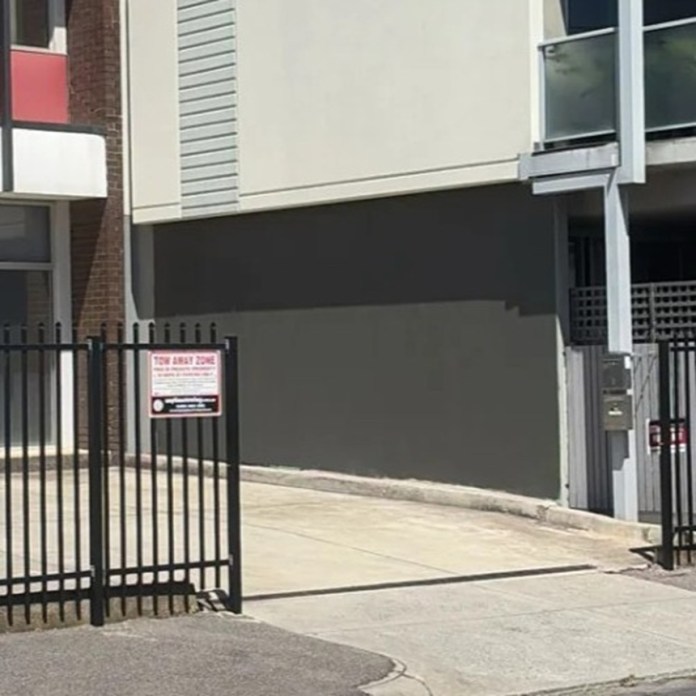
The mural didn’t last long. It was soon painted over with a dull gray coat, leaving behind an empty wall and a lot of questions. Who decides which figures deserve to be celebrated in public spaces? And why aren’t we using these walls to uplift the voices of ordinary people and marginalized communities?
The mural is gone, but the conversation continues. Public art isn’t just decoration—it’s a statement about our values.
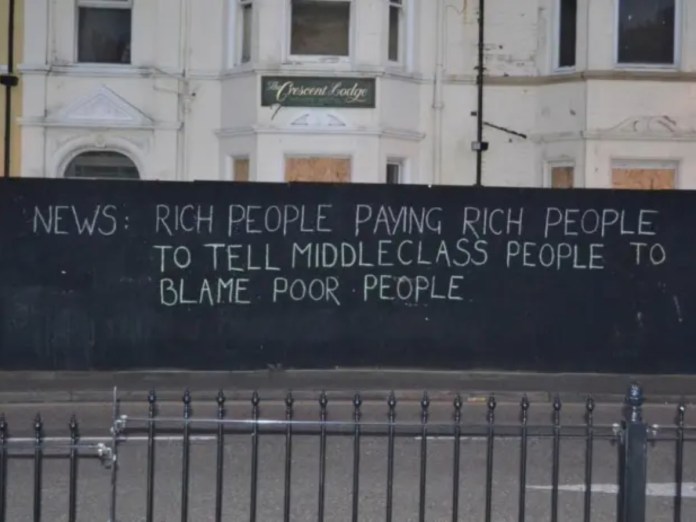
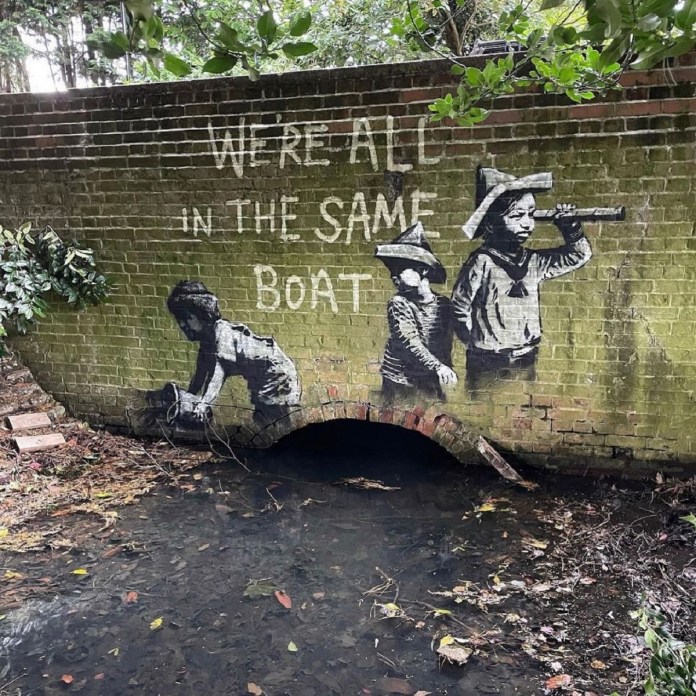
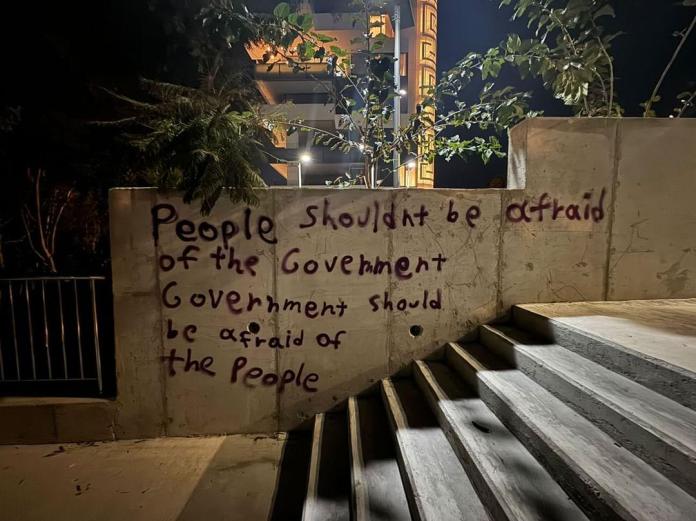
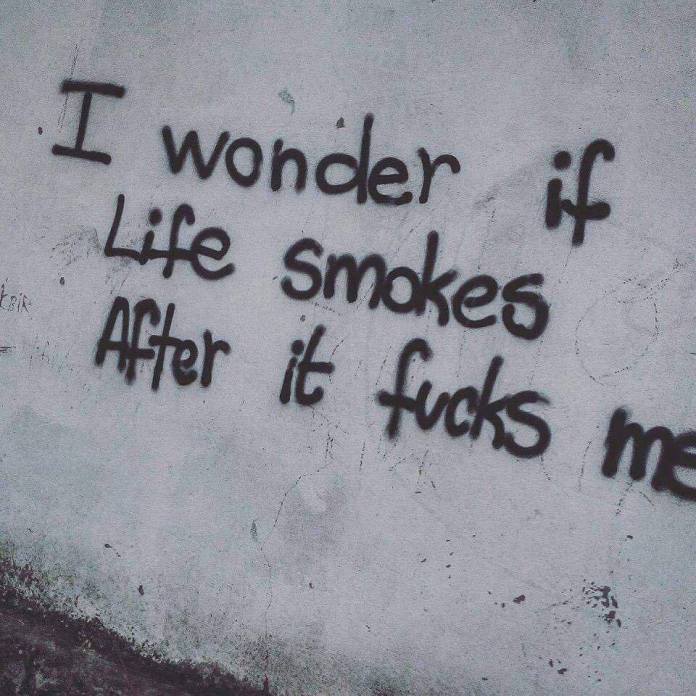
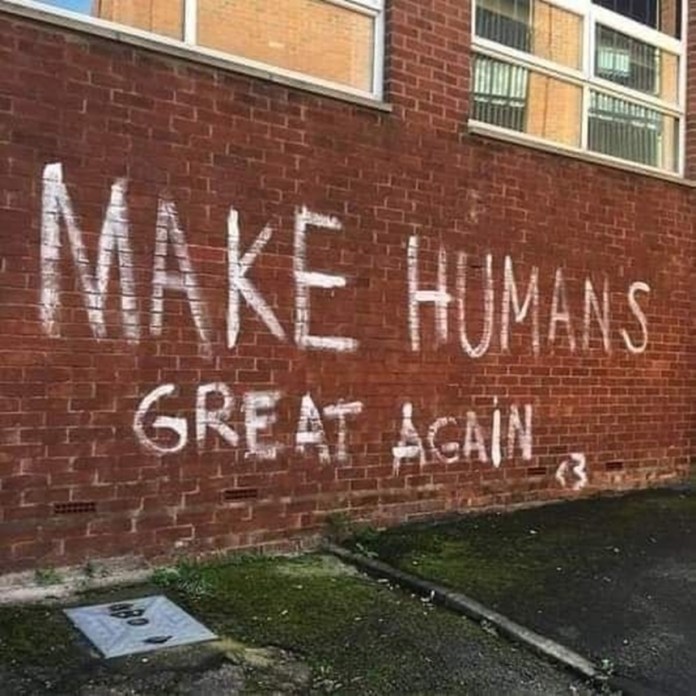
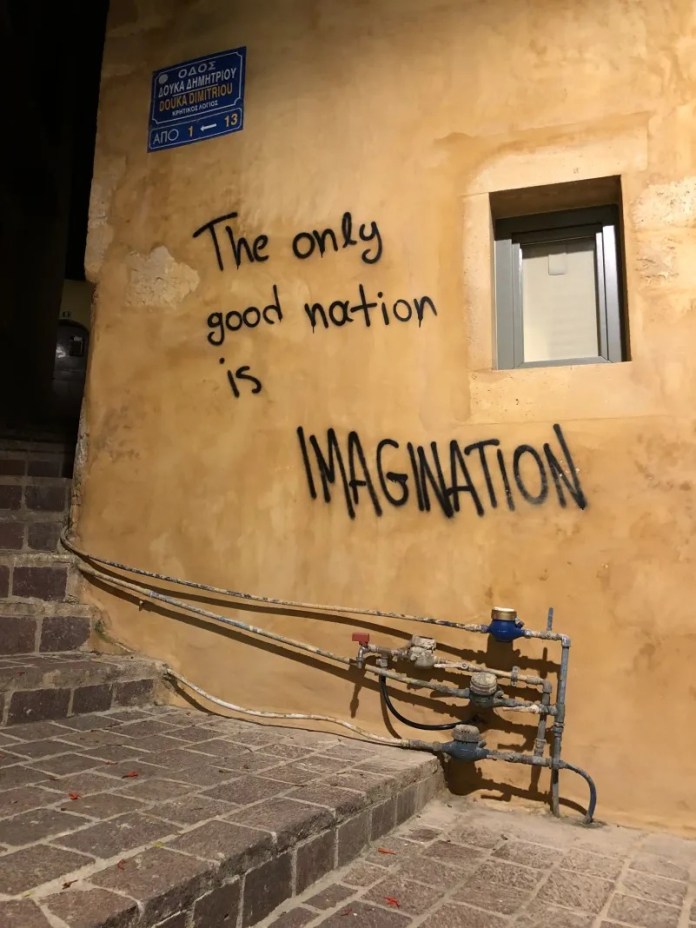
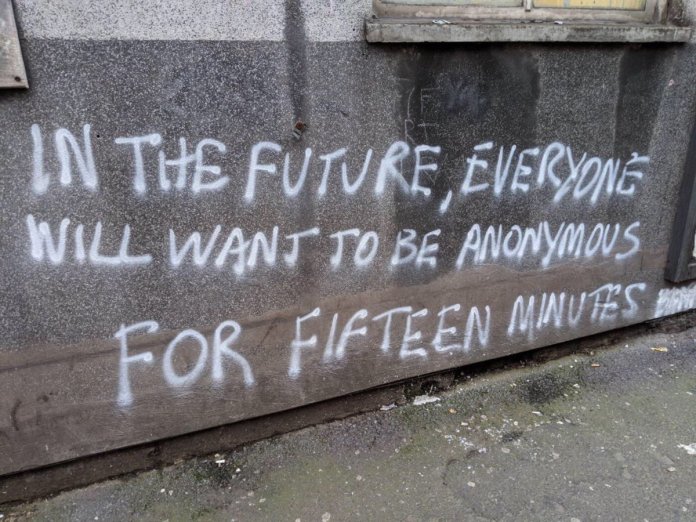
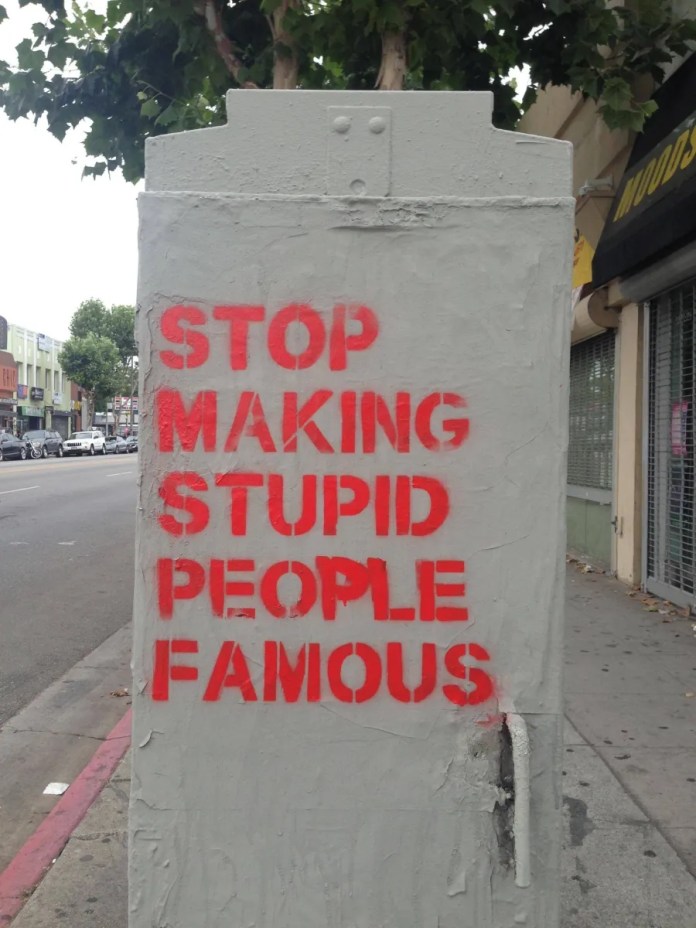
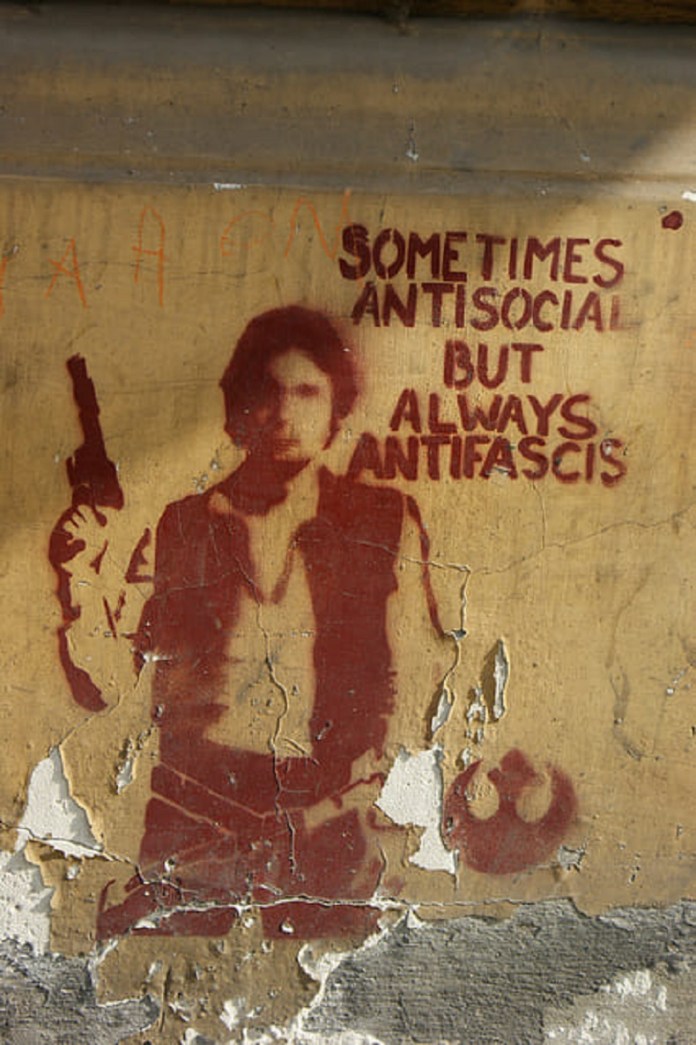
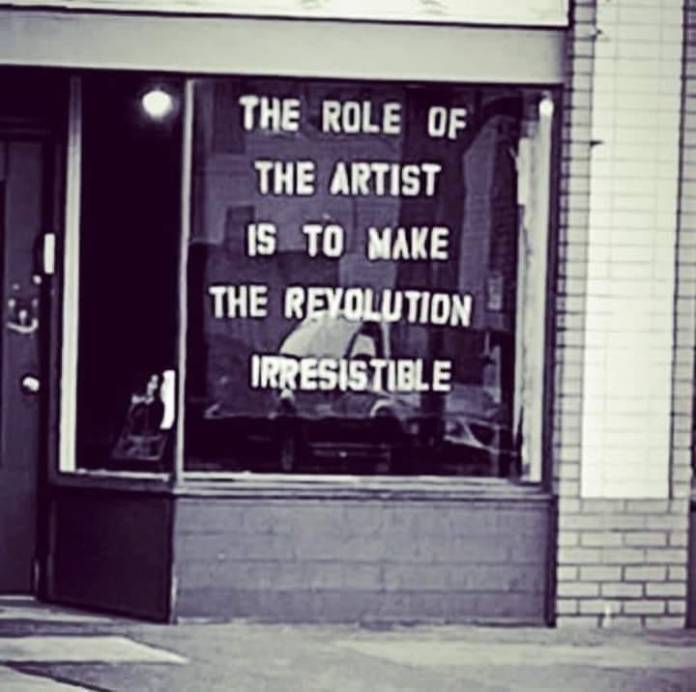
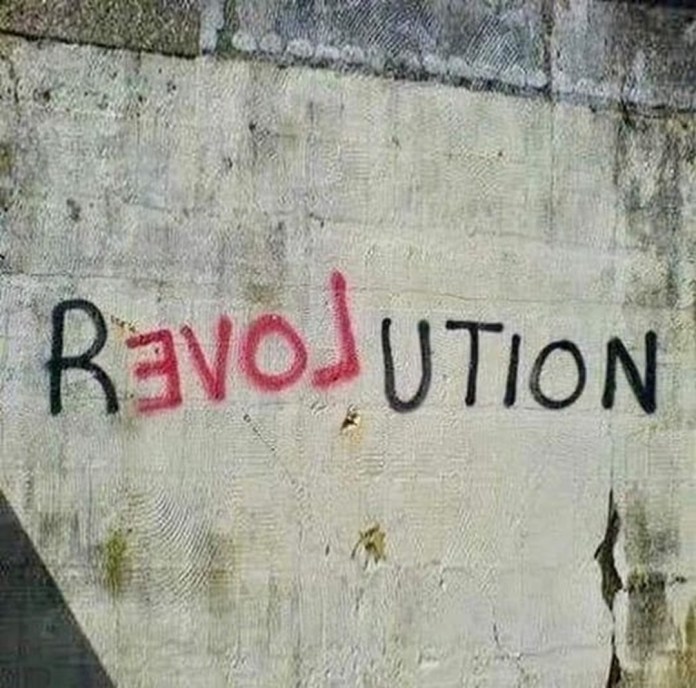
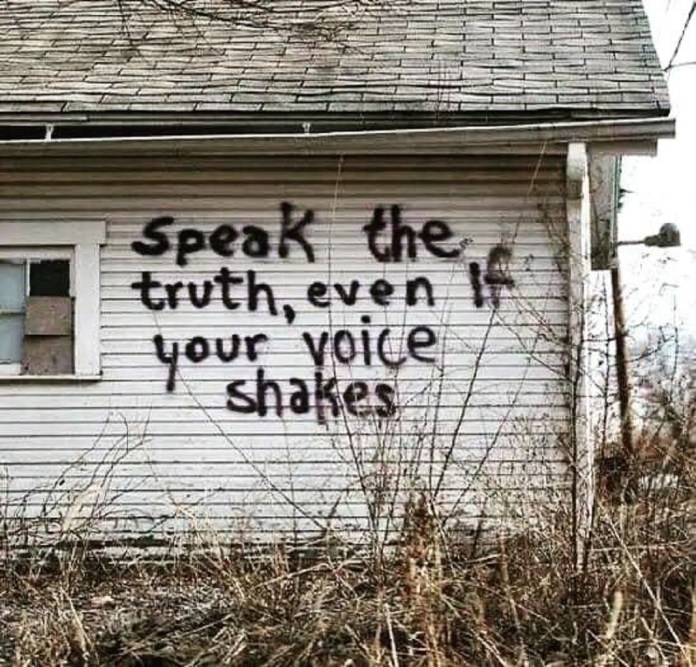
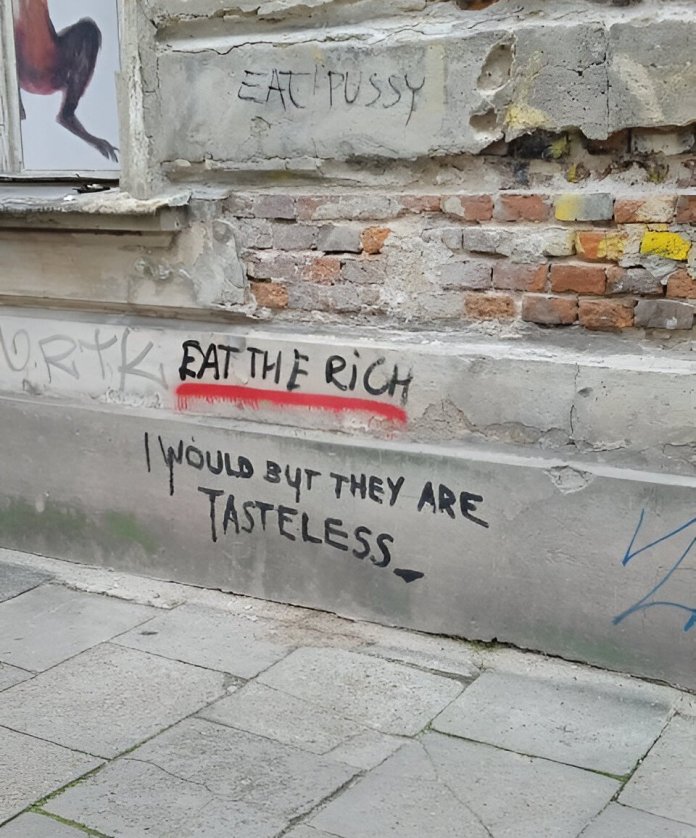
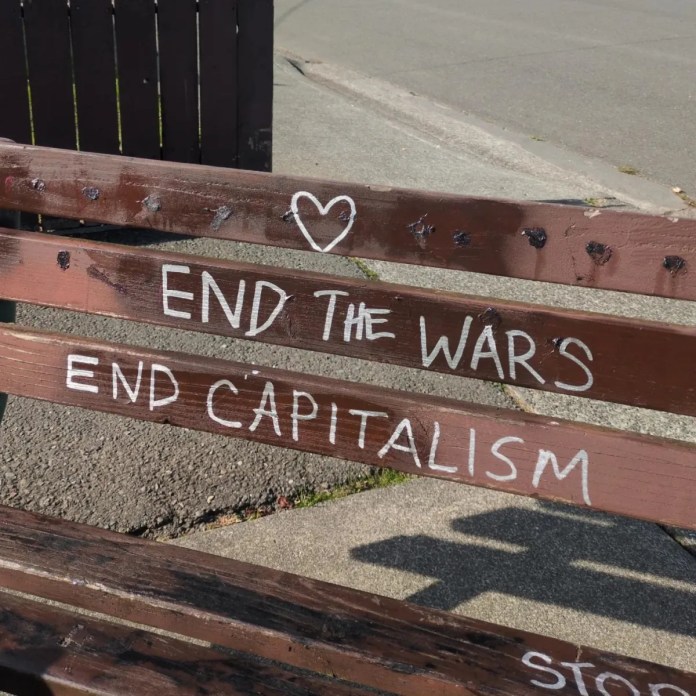
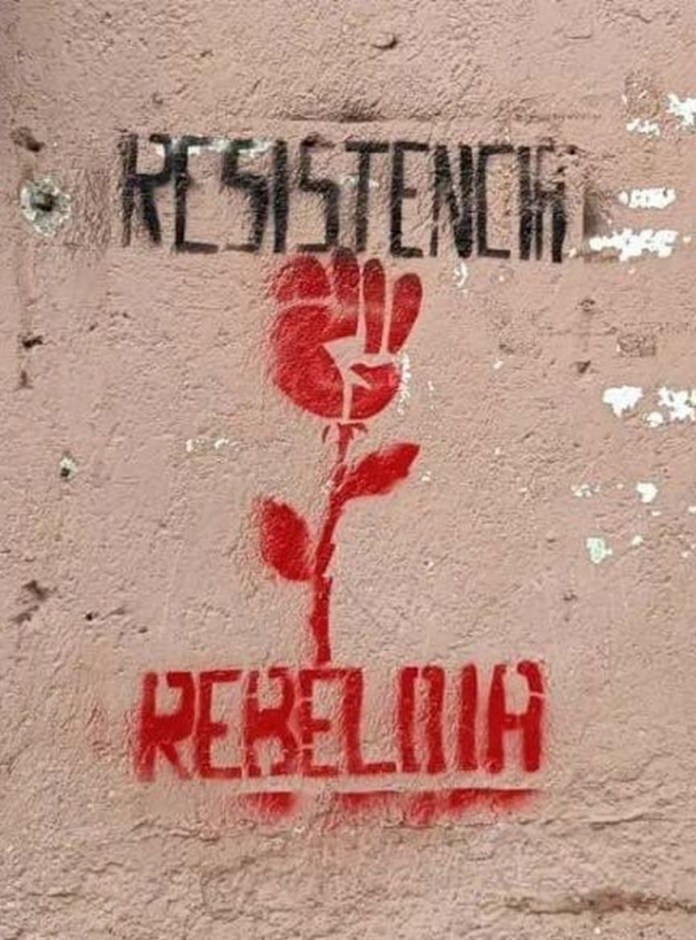
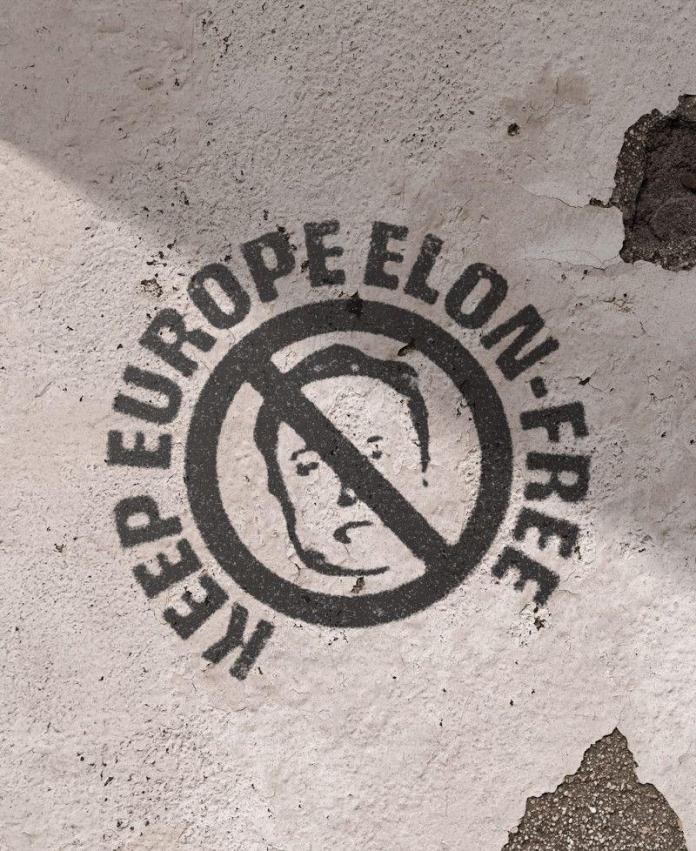
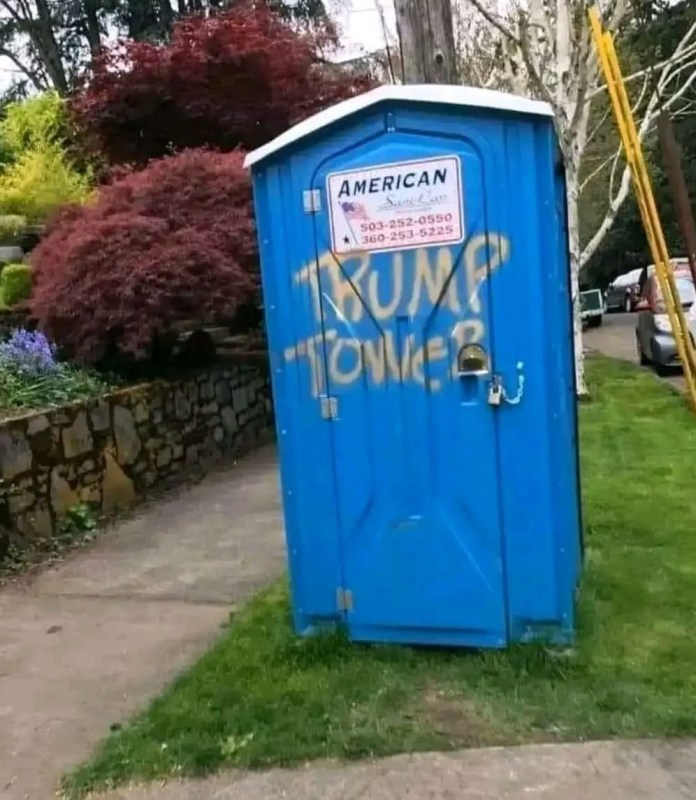
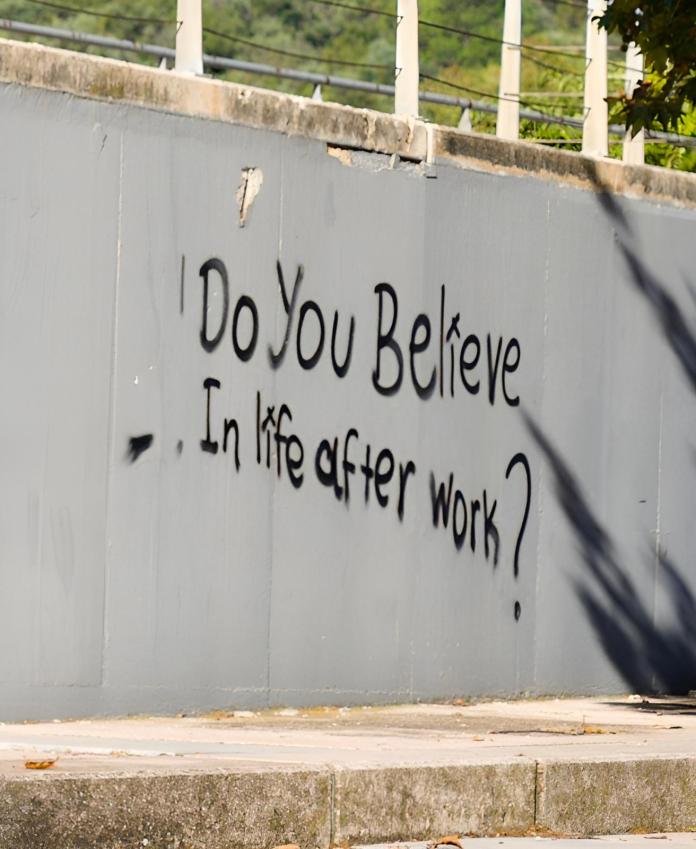
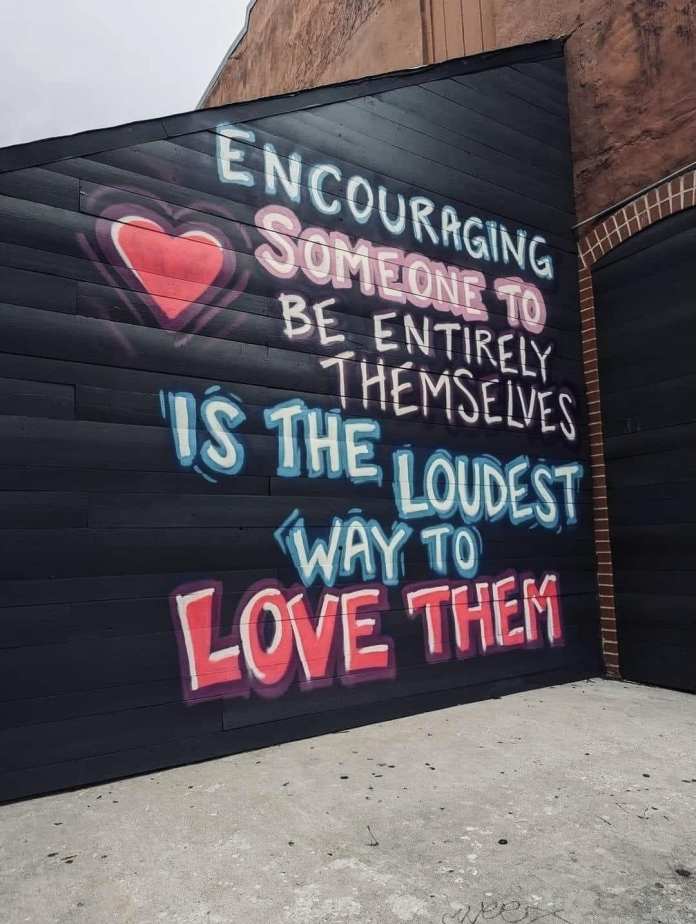
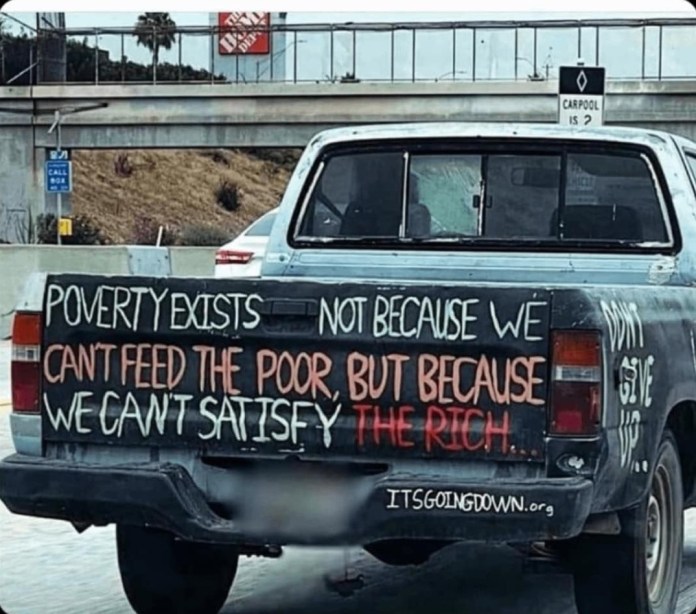
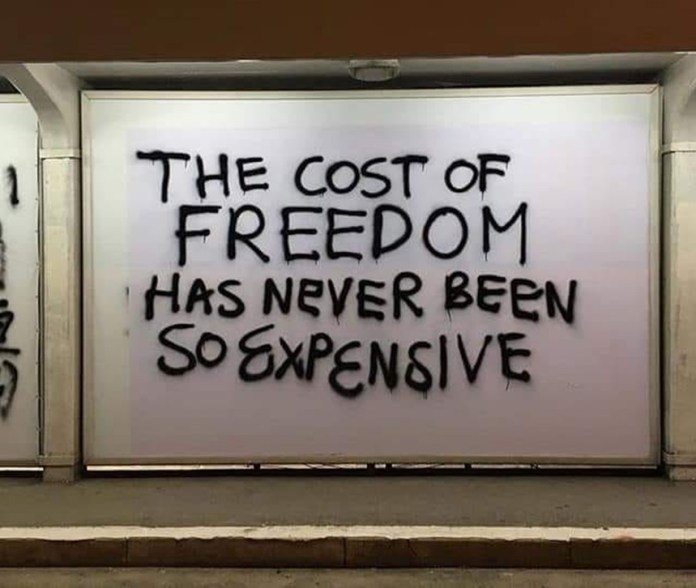
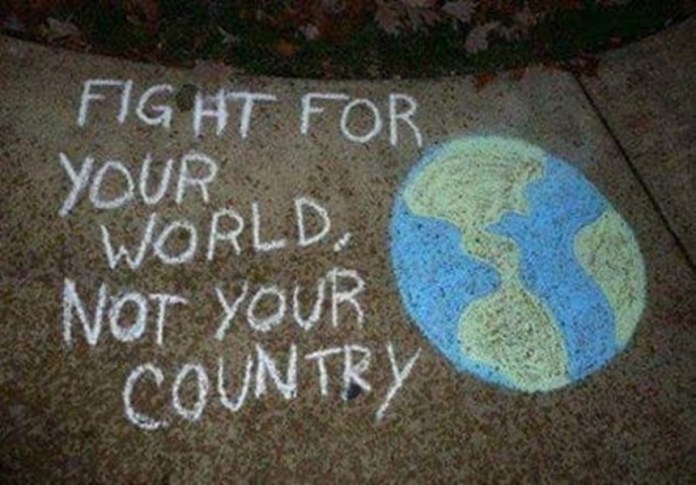
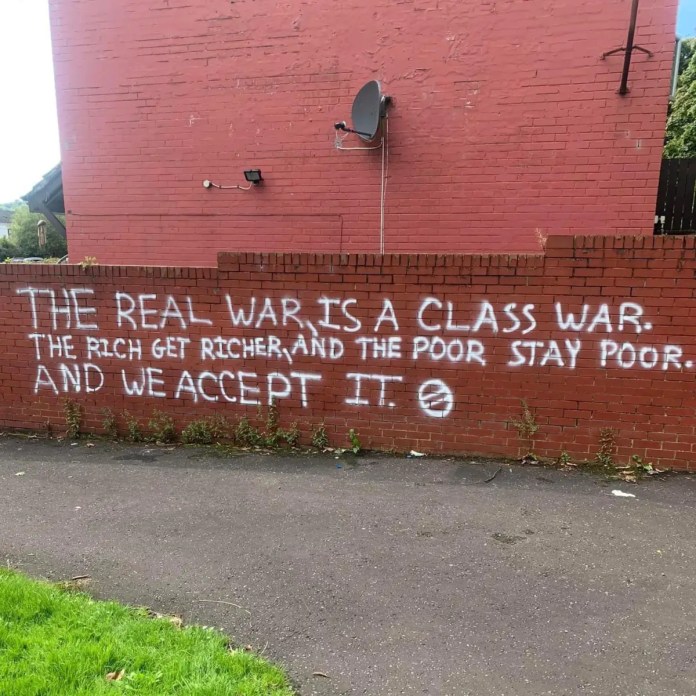
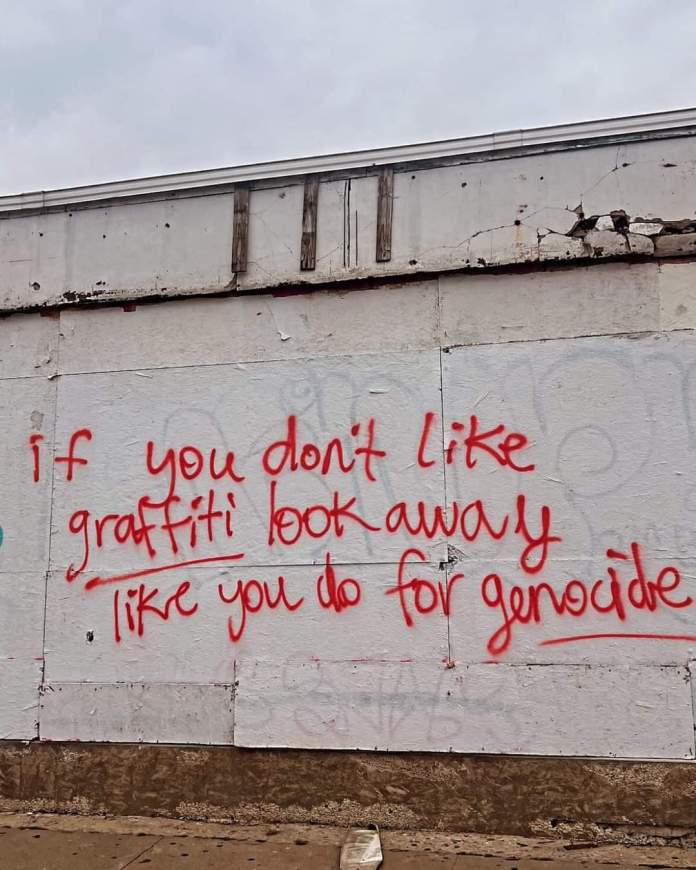
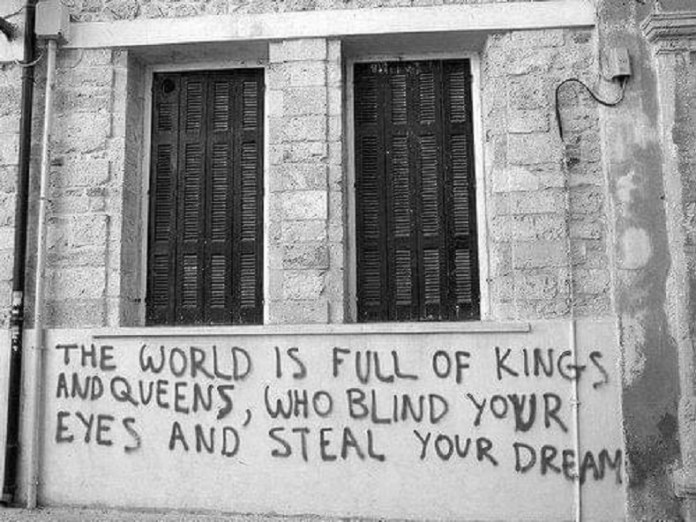
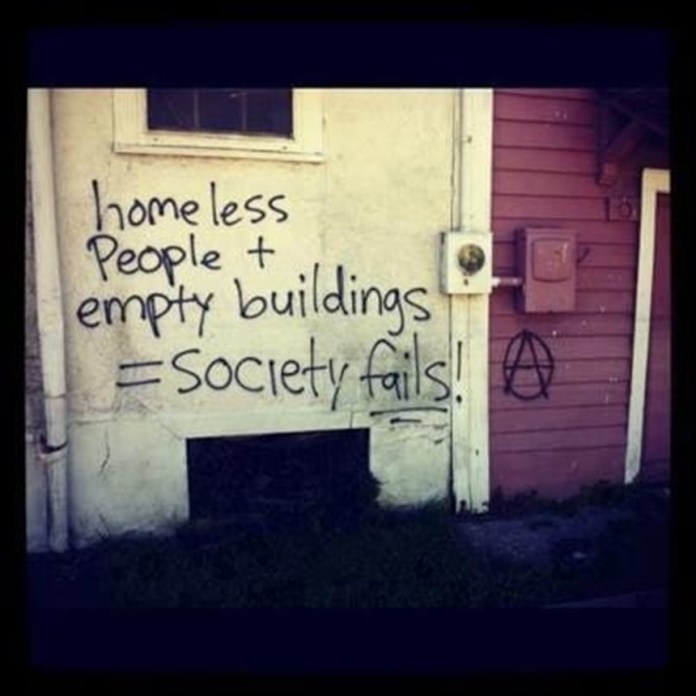
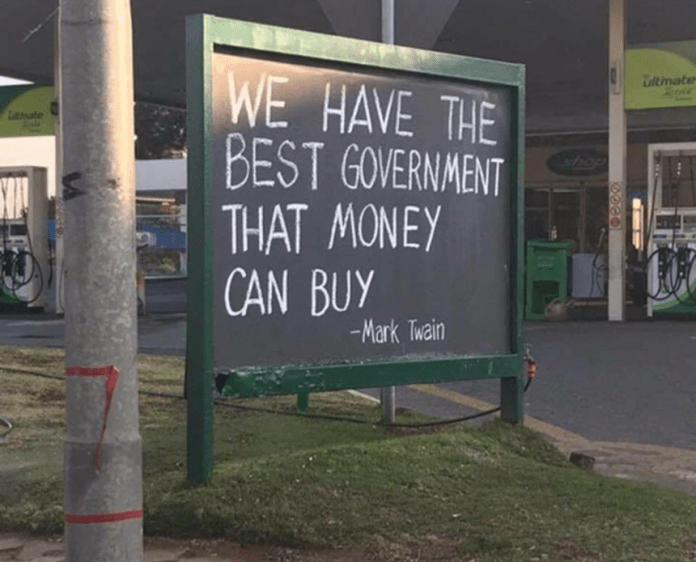
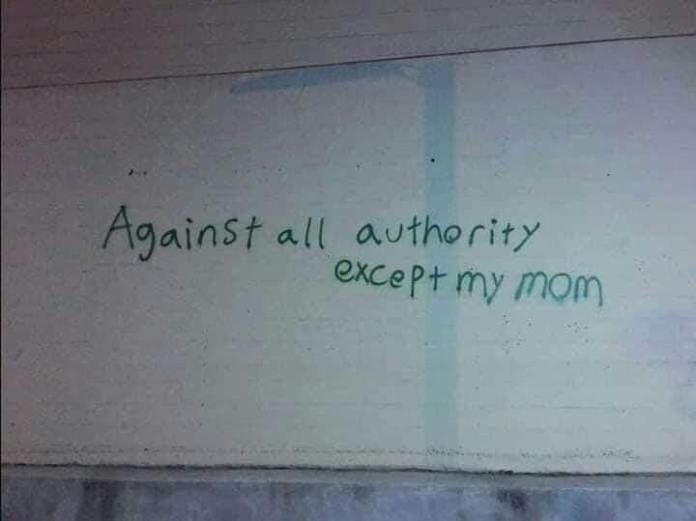
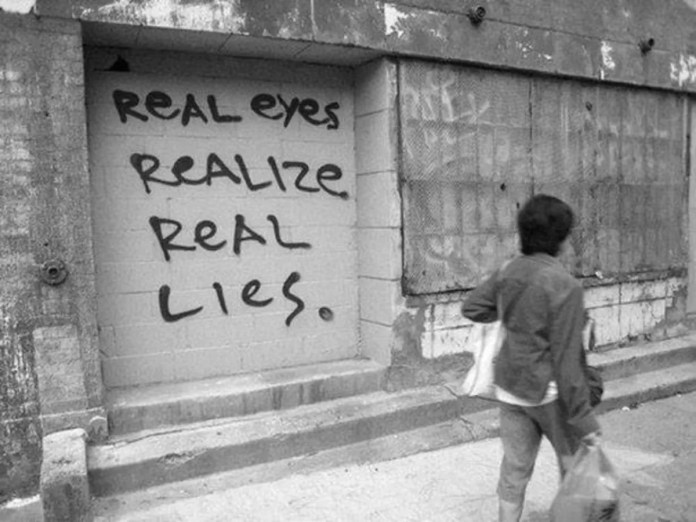
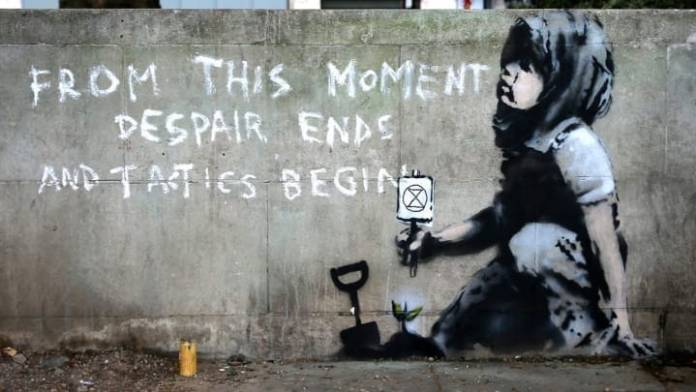
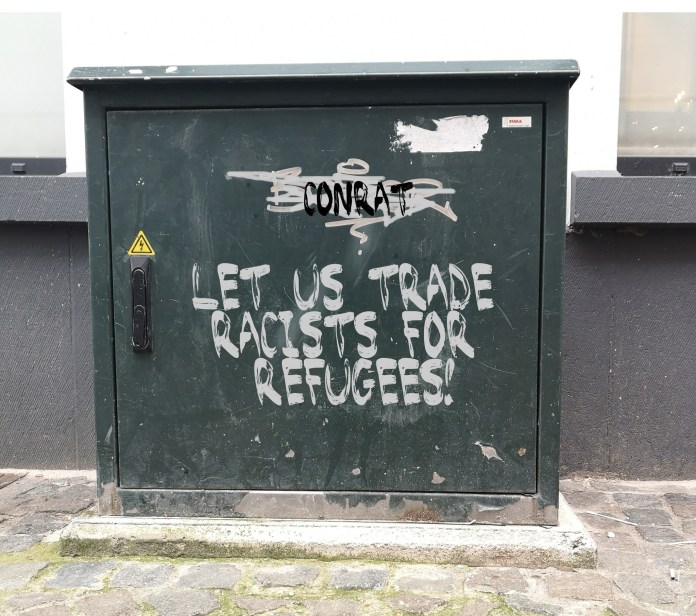
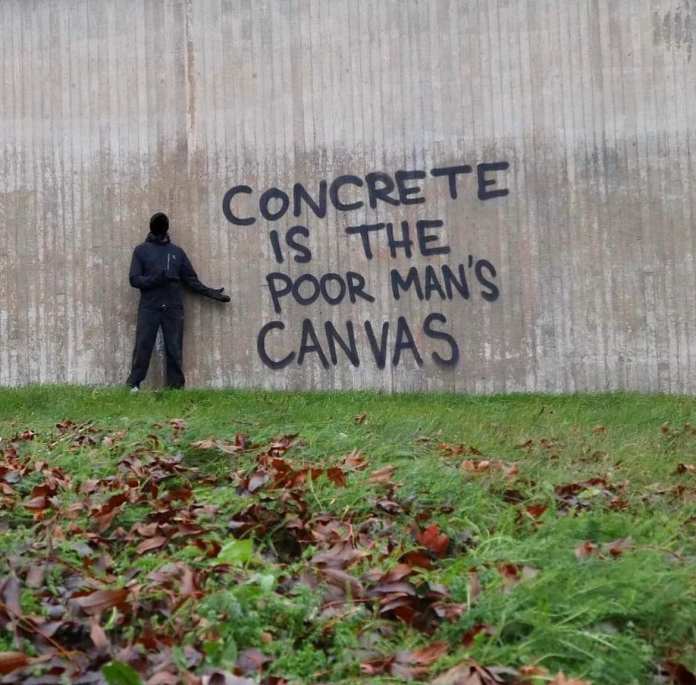
Speak Truth to Power?: 32 Photos Of Real Talk Graffiti
Graffiti has long been a voice for the voiceless, a way for people to reclaim space and share unfiltered truths with the world.
In this collection, we dive into the raw and impactful world of “Real Talk Graffiti” – art that doesn’t hold back. These pieces go beyond aesthetics, delivering sharp commentary on society, politics, and the human experience.