Search
Items tagged with: MauroPallotta
Urban Fun (9 Photos)
Content warning: From a sleeping Homer camouflaged by ivy in Spain to cartoonish mischief on a Chicago wall, these public artworks bring humor, clever illusions, and playful interaction to our streets. This collection features everything from optical tricks to character c
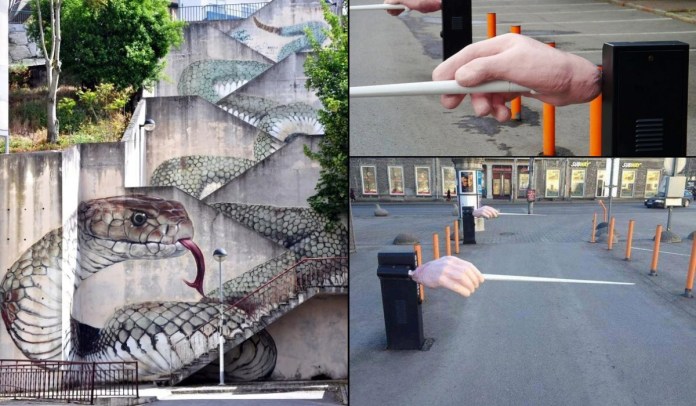
From a sleeping Homer camouflaged by ivy in Spain to cartoonish mischief on a Chicago wall, these public artworks bring humor, clever illusions, and playful interaction to our streets. This collection features everything from optical tricks to character cameos and sculptural surprises — stretching across Portugal, France, Estonia, South Africa, and beyond.
More: When Street Art Meets Nature (40 Photos)
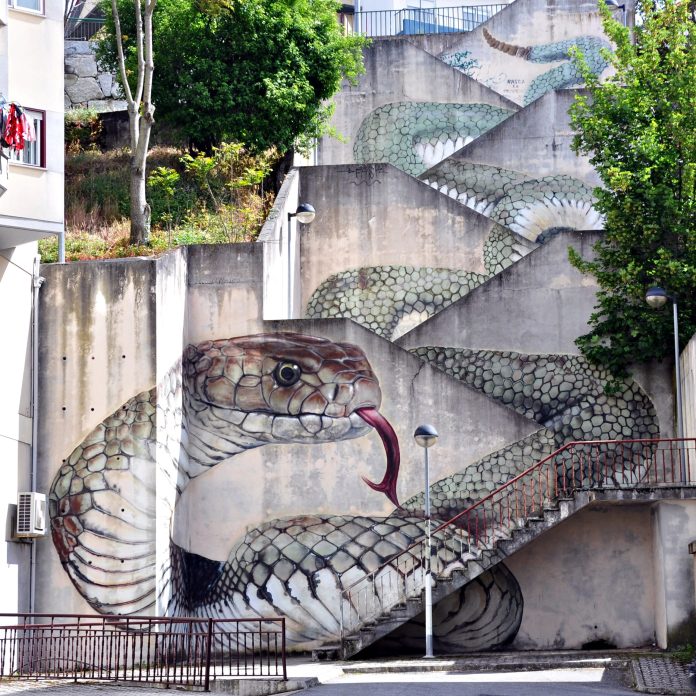
1. Snake Stairs — SFHIR in Guarda, Portugal
A massive snake painted seamlessly along a concrete stairwell appears to slither up the urban slope. The mural uses the zigzag shape of the stairs to construct the snake’s rising body. More!: Turning Walls into Stories! 6 Murals by SFHIR
🔗 Follow SFHIR on Instagram
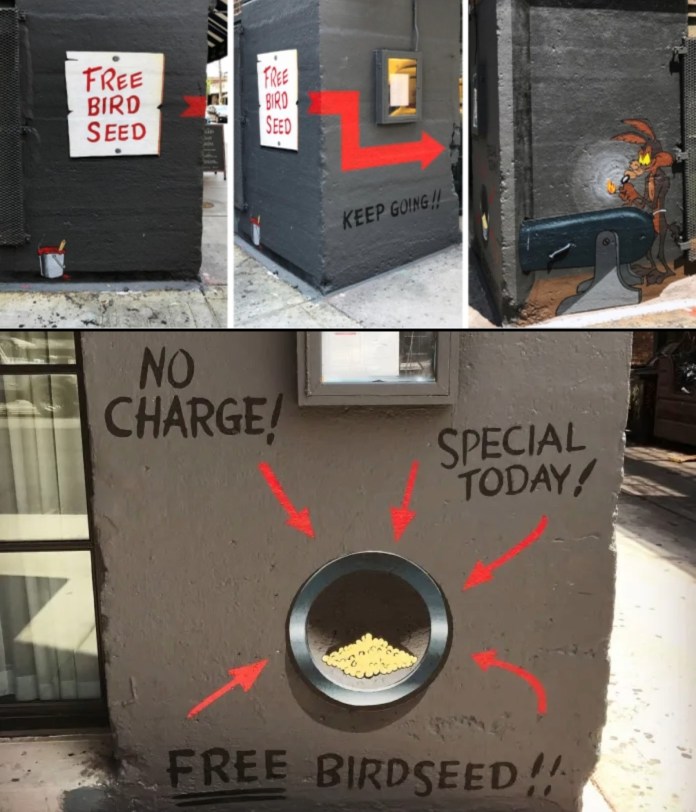
2. Wile E. Coyote Trap — E.LEE in Chicago, USA
A Looney Tunes-style trap set by Wile E. Coyote wraps around a street corner, complete with red arrows and a cannon awaiting a hungry bird. The whole setup mimics a cartoon sequence using clever wall painting.
🔗 Follow E.LEE on Instagram
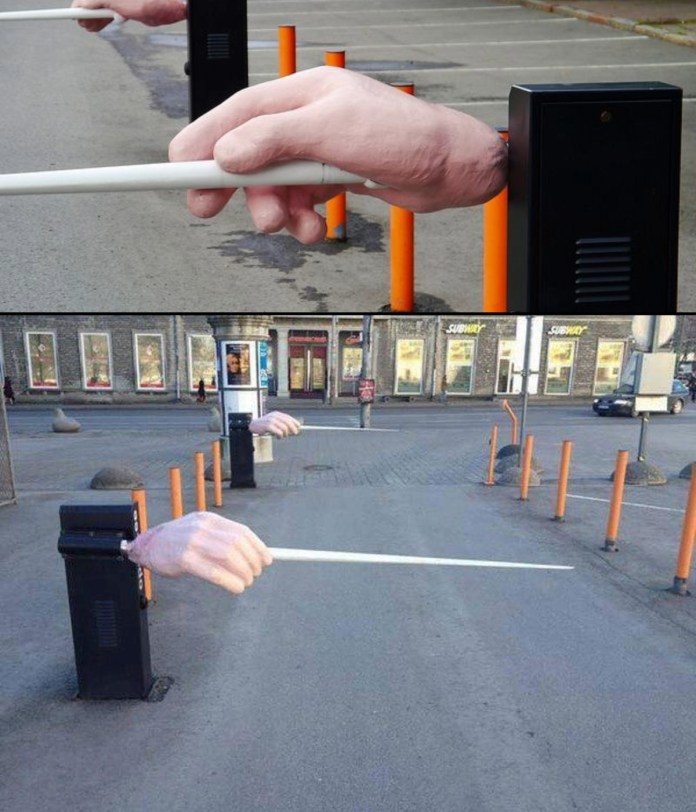
3. Estonian Opera Hands — In Tallinn, Estonia
Parking gate arms outside the Estonian National Opera are humorously transformed into oversized sculpted hands holding the barrier poles like batons, resembling conductors in motion.
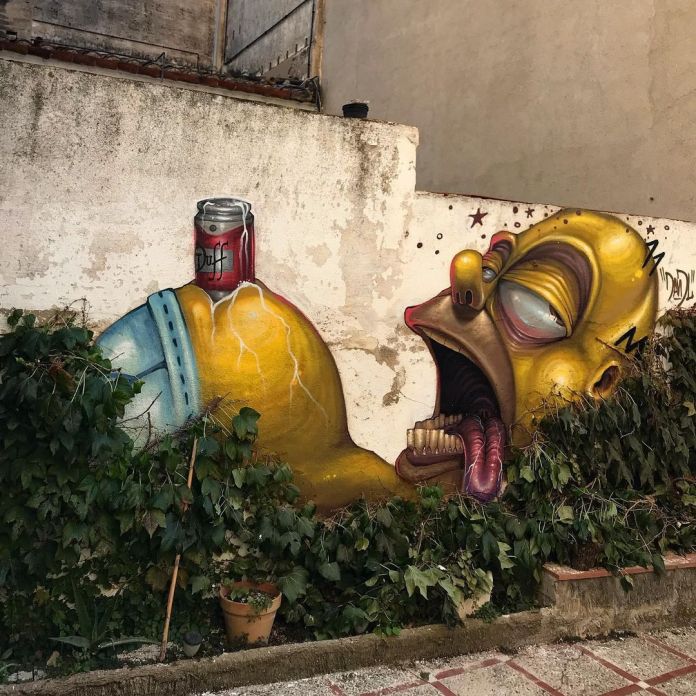
4. Homer’s Nap — DavidL in Barcelona, Spain
Partially obscured by ivy, this surreal version of Homer Simpson lies drunk and asleep against a wall with a can of Duff beer. The character’s exaggerated features stretch across both wall and ground. More!: 15 Surreal Graffiti Artworks By DavidL
🔗 Follow DavidL on Instagram
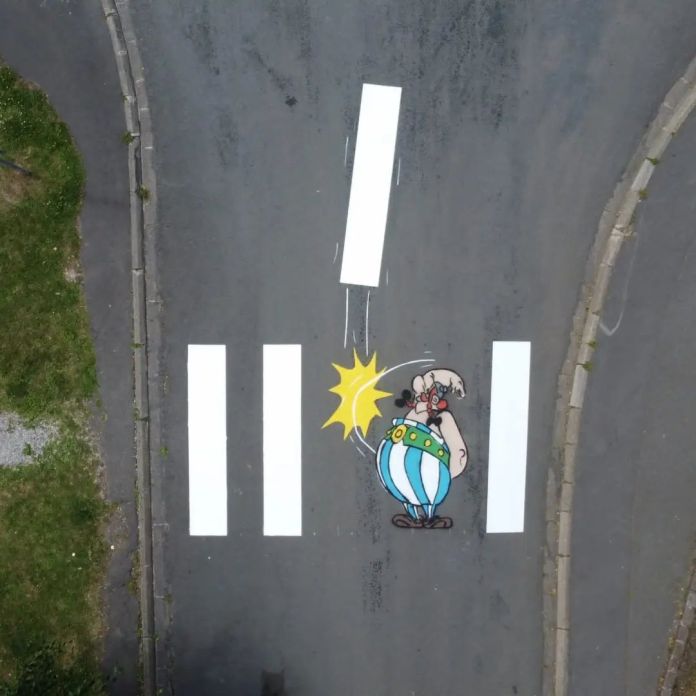
5. Obelix Smashes a Lane — Oakoak in France
Painted directly onto a crosswalk, Obelix from Asterix delivers a knockout blow that visually warps one of the lane lines, breaking up the white bars in an explosive moment. More!: Oakoak’s Genius Street Art! (10 Photos)
🔗 Follow Oakoak on Instagram
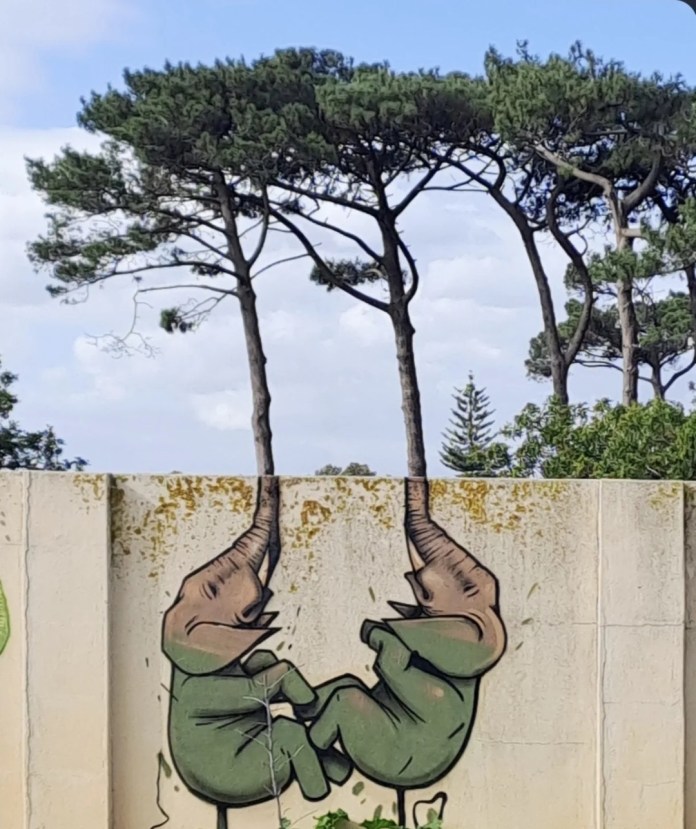
6. Peak Twinning — Falko Fantastic in Cape Town, South Africa
Two playful elephants hang upside down, their trunks seamlessly connecting to distant trees that resemble leafy tops. A perfect example of location-integrated street art.
🔗 Follow Falko Fantastic on Instagram
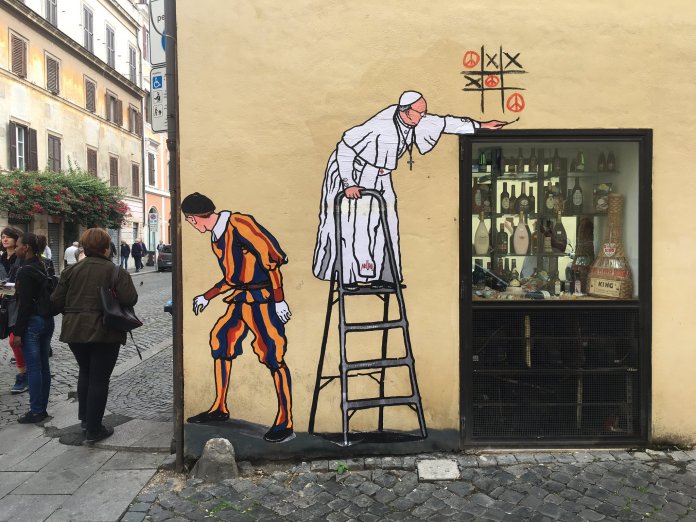
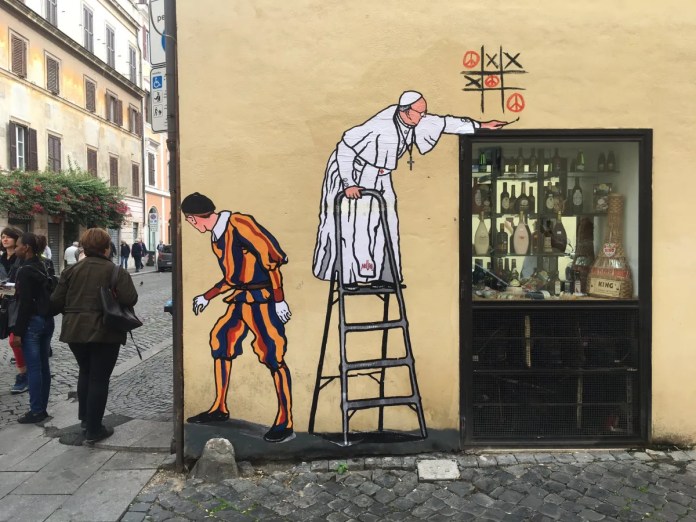
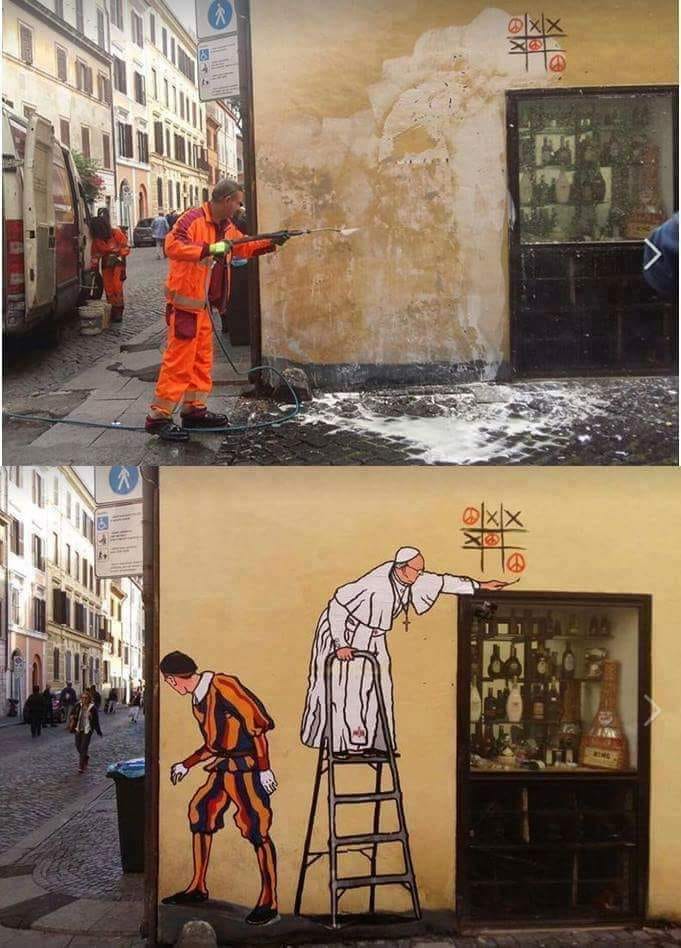
7. Peace Tic-Tac-Toe — Mauro Pallotta in Rome, Italy
Pope Francis climbs a ladder to make a final move in a giant tic-tac-toe game on a Roman wall. He plays against a Swiss Guard, replacing Xs and Os with peace symbols. More!: Interview with the Italian street artist Mauro Pallotta (+6 artworks)
🔗 Visit Mauro Pallotta website
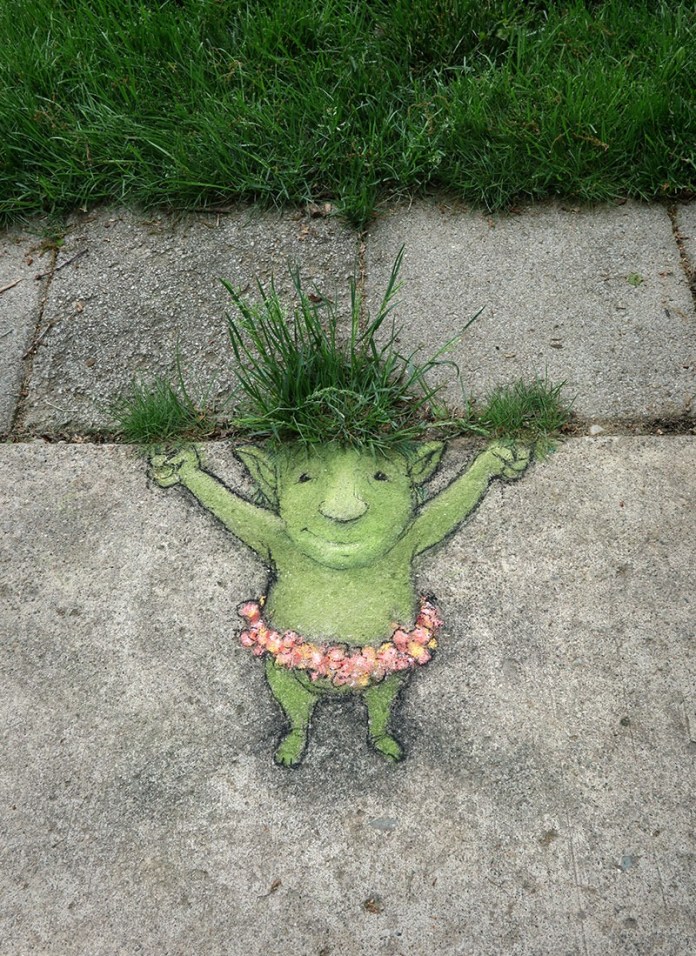
8. Summer Solstice Cheerleader — David Zinn in Ann Arbor, Michigan, USA
A cheerful green troll painted on the sidewalk appears to be celebrating with arms raised and a flower skirt. Real grass growing between pavement cracks is cleverly used as the character’s wild hair, blending nature and art. More!: Street Art by Happiness Maker David Zinn (21 Photos)
🔗 Follow David Zinn on Instagram
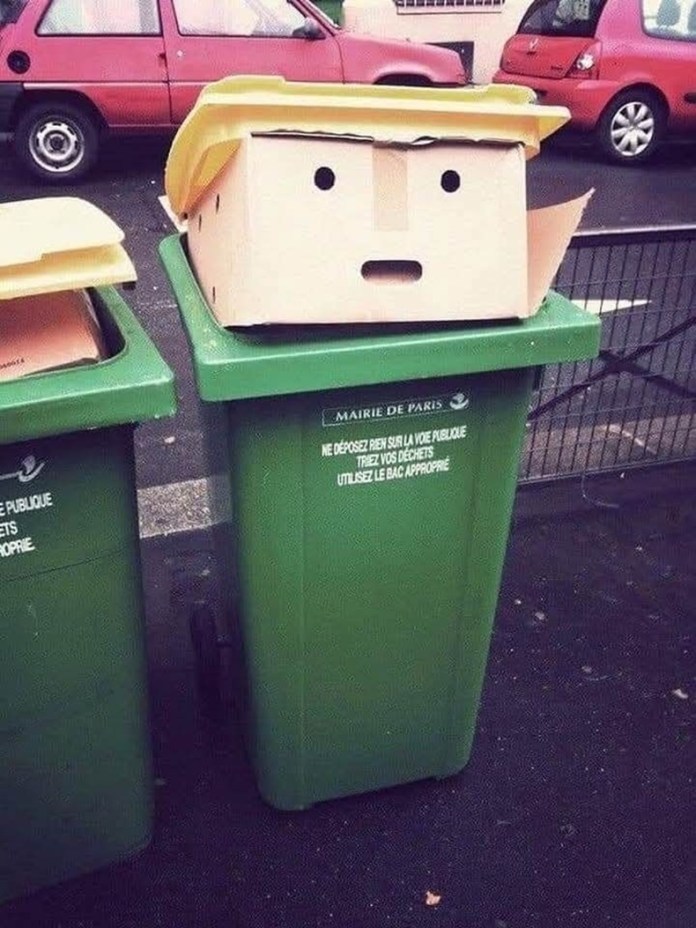
9. Donald Dump
A recycling bin in Paris topped with a cardboard box styled to look like a face, complete with yellow “hair,” evokes an unmistakable likeness — turning trash into satire.
More: Street Art Utopia: Why People Fall In Love With Outdoor Art (25 Photos)
Which one is your favorite?

Buildings That Look Like They’re From a Dream (8 Photos)
From a church in Iceland that looks like a spaceship preparing for launch, to a house zipped open on a street in Milan — this collection showcases architecture at its most imaginative. Included are cliffside wartime refuges, storybook cottages, optical illusions, and centuries-old constructions that defy gravity or blend perfectly into mountains. These aren’t digital renderings — they’re real places from around the world.
More: 8 Beautiful Artworks That Seem to Grow From Nature
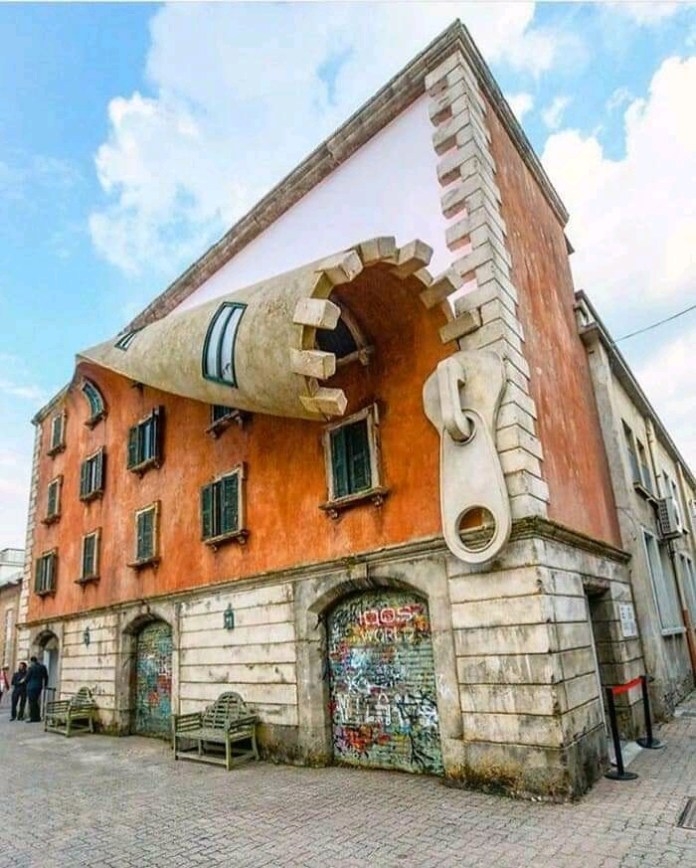
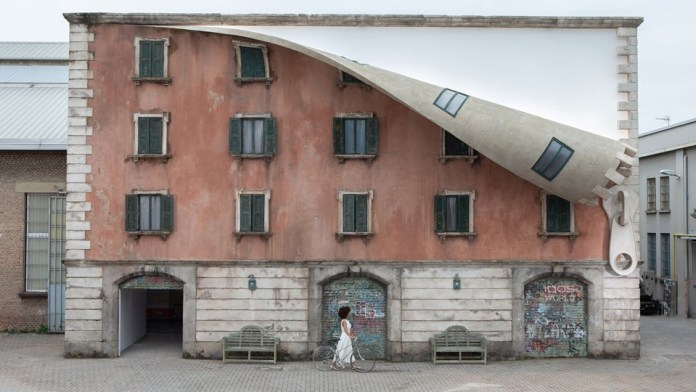
1. Unzipped Building — Alex Chinneck in Milan, Italy
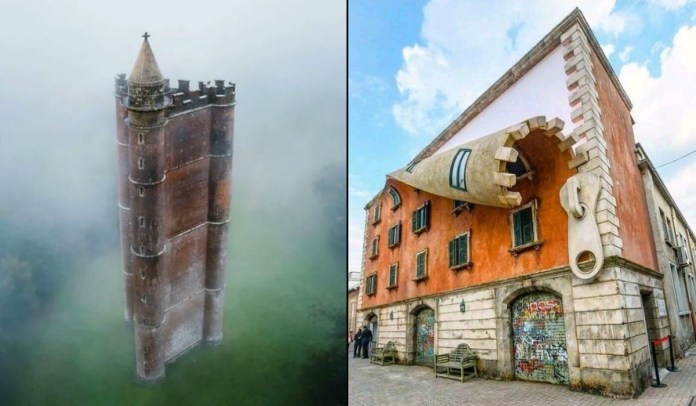
A building facade appears to peel open like a jacket, with an oversized zipper curling away the wall to reveal its inner structure. This public installation by Alex Chinneck uses stone, concrete, and illusion to challenge how we perceive architecture.
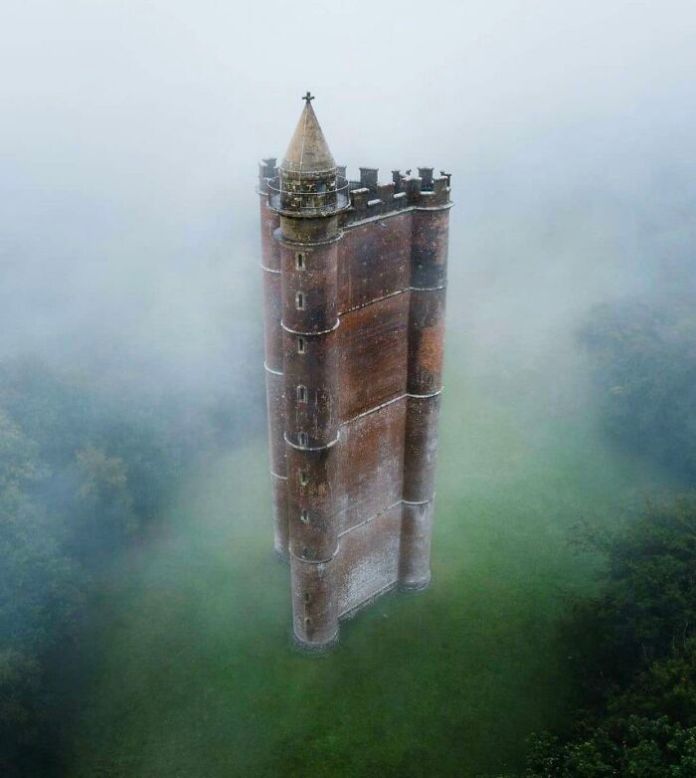
2. King Alfred’s Tower — England
This red-brick triangular tower rises dramatically from the fog in Somerset, England. Built in 1772, it commemorates Alfred the Great and reaches over 49 meters high with a narrow footprint that adds to its illusion of impossibility.
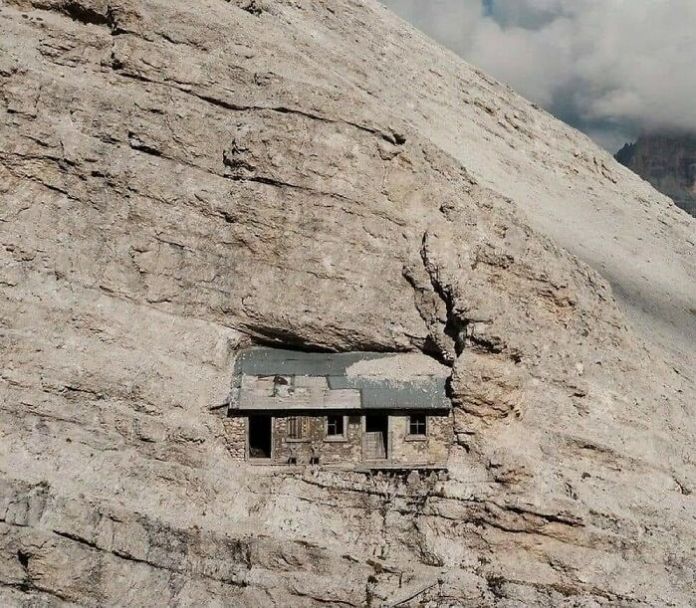
3. Alpine Refuge — Monte Cristallo, Italy
Located at 2,760 meters in the Dolomites, this hidden wooden shelter from World War I is embedded directly into the rockface. Built for survival, it now appears like a dreamlike relic barely distinguishable from the mountain.
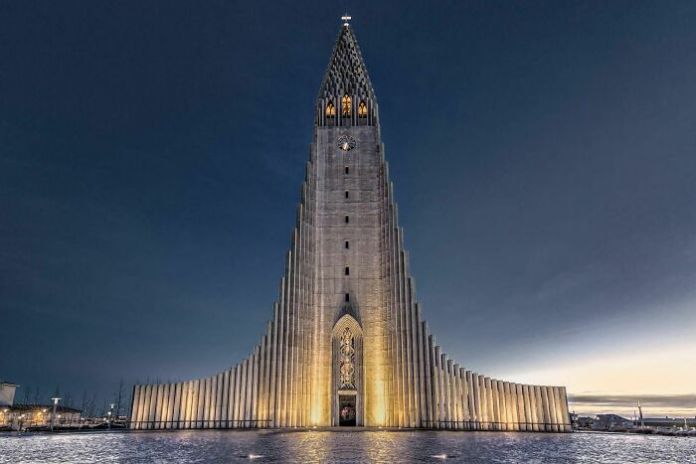
4. Hallgrímskirkja Church — Reykjavík, Iceland
This iconic Lutheran church, inspired by basalt columns and volcanic formations, dominates the Reykjavík skyline. Designed in 1937 and completed in 1986, its symmetry and scale evoke science fiction architecture.
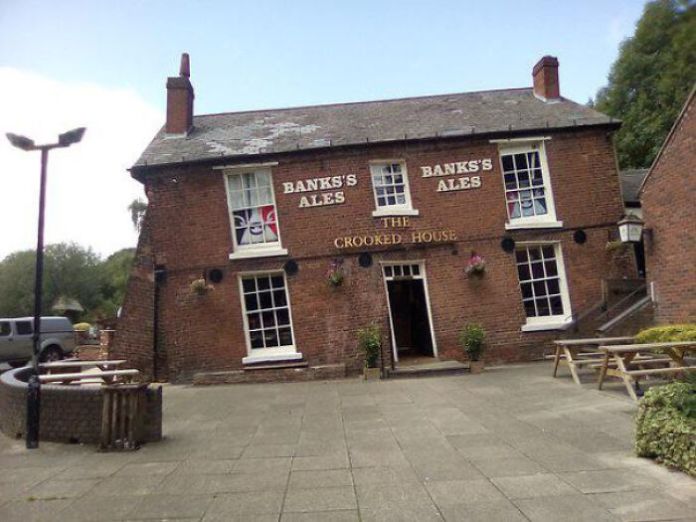
5. The House That Sank — The Crooked House, UK
Built in 1765 on top of a mine shaft, this British pub developed a pronounced tilt as the ground beneath it slowly gave way. Despite its slanting angles, it remained a local favorite for centuries.
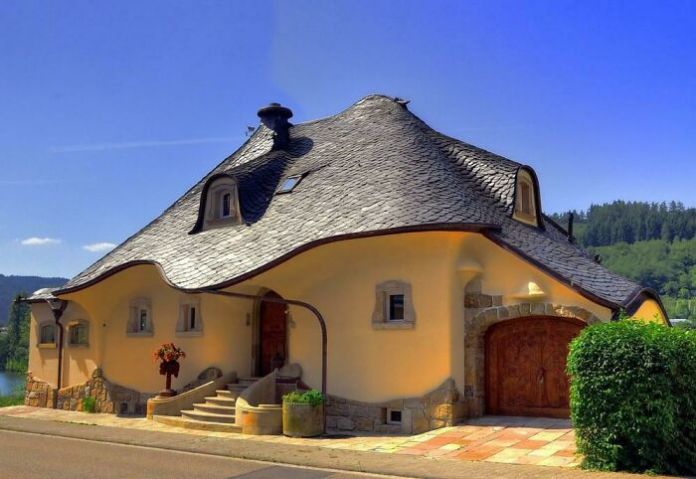
6. Organic Slate Roof House — Germany
This home with flowing lines and a wave-shaped slate roof blurs the line between fairy tale and high-end eco-architecture. Natural stone and soft curves give it a whimsical yet grounded appearance.
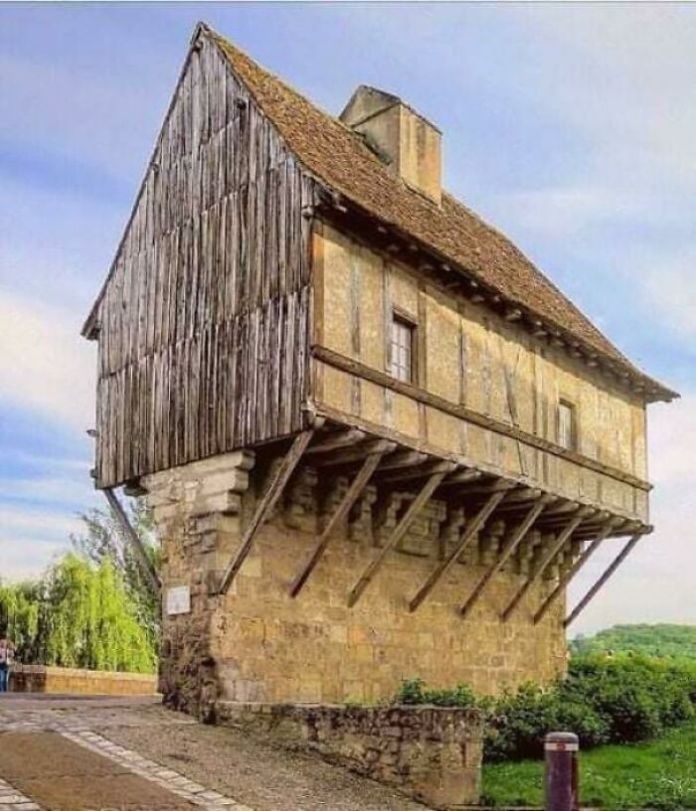
7. Cliff House — France (Built 1347)
Balanced between eras and gravity, this timber-framed upper house sits atop massive medieval stonework. Located in France and completed in 1347, it seems to hover above the road with support beams stretching underneath.
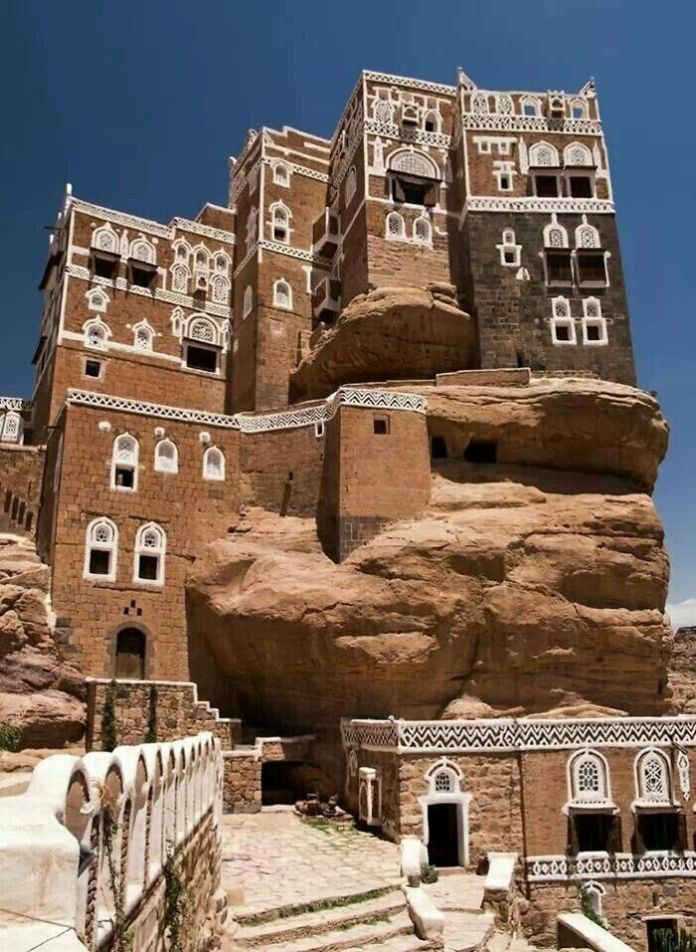
8. Rock-Built Homes — Sanaa, Yemen
Traditional Yemeni tower houses in Sanaa rise directly from the rock, combining ancient stone masonry with ornate white geometric window frames. The buildings appear both sculpted by nature and intricately human-made.These buildings bend our expectations of what architecture can be — not just structures, but expressions of ingenuity, adaptation, and creativity. Whether carved into mountains or dressed like zippers, they show that the line between surreal and real is thinner than it seems.
More: 30 Sculptures You (probably) Didn’t Know Existed
Which one is your favorite?
oakoak (@oakoak_street_art) • Instagram photos and videos
126K Followers, 305 Following, 862 Posts - See Instagram photos and videos from oakoak (@oakoak_street_art)www.instagram.com

Interview with the Italian street artist Mauro Pallotta (+6 artworks)
Content warning: Street Artist Mauro Pallotta (Maupal) By Mauro Pallotta on the pope in Rome, Italy. When, how and why did you become an artist? Mauro Pallotta: As a child I had a strong propensity for silence and listening and I understood that an excellent form of commu
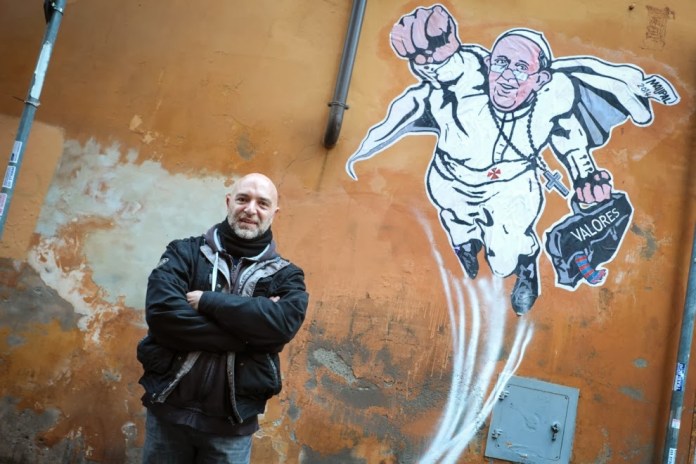
Street Artist Mauro Pallotta (Maupal)
By Mauro Pallotta on the pope in Rome, Italy.
When, how and why did you become an artist?
Mauro Pallotta: As a child I had a strong propensity for silence and listening and I understood that an excellent form of communication, for a person like me, could be drawing.
I began by first portraying my grandfather, who was motionless for long hours reading, then later I delighted in making portraits of friends and relatives. Their amazement at seeing a very similar portrait made by a 4/5 year old child was my fuel to continue my technical journey and improve it to the best of my ability.
How do you see your role as an artist today?
Mauro Pallotta: In civil society, the artist has a fundamental role: expressing himself through a marked sensitivity trying to create a mirror for the world around him and through interpretation, there is also the involuntary task of directing a community towards others future. A responsibility full of honors and burdens.
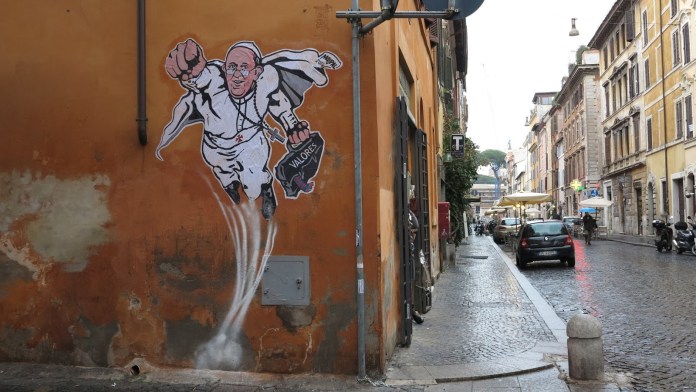
How would you describe your working method?
Mauro Pallotta: The most alternative form of communication and if you practice art on urban walls, the language must be as simple and direct as possible.
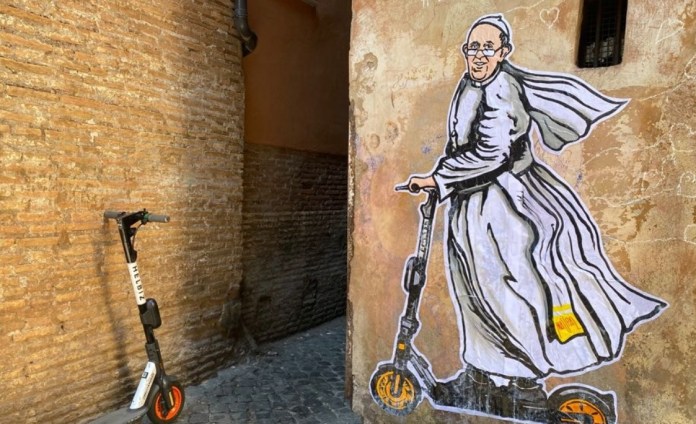
Can you name some contemporary works of art or projects that inspire you?
Mauro Pallotta: There are artists who are writing the history of contemporary art: Banksy, Blu, Borondo … but my artistic life goes in parallel with my daily existence and human growth. Inspiration is around the corner every day.
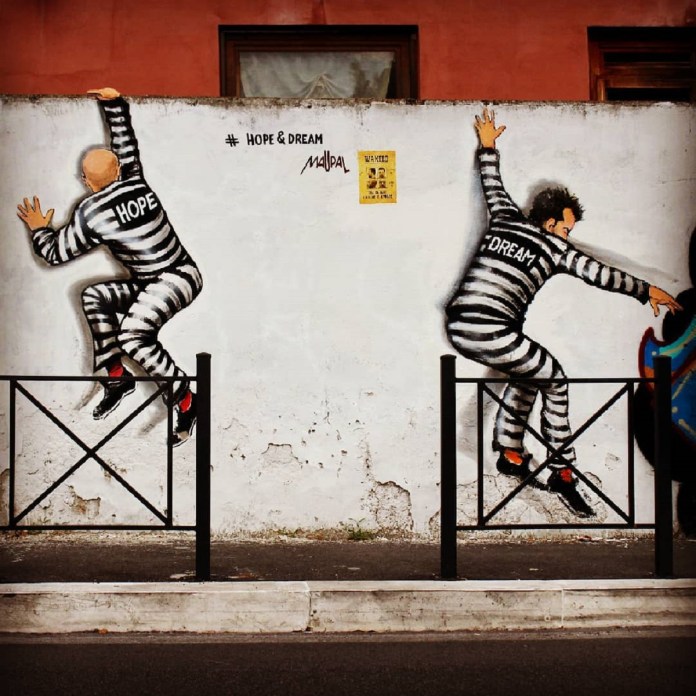
How can artists be paid for their work and at the same time maintain a critical attitude towards the commercial art market and public funding partners?
Mauro Pallotta: I believe that although the artist often lives on the edge of the system, she cannot completely exclude herself, otherwise she would not be able to change it or fight it from within. Furthermore, to exclude and completely reject the social and financial system would mean that only the children of the rich can pursue an artistic career.
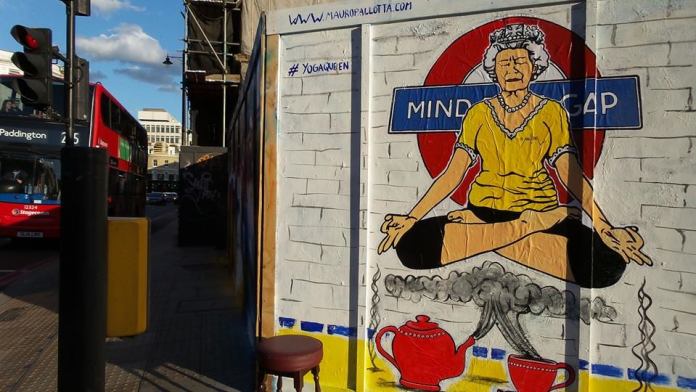
What would you like to change in the street art world?
Mauro Pallotta: I would like much more attention and more space to be given to those who offer new ideas and originality. Now in the confusion of communication, some serial scripts are often hailed and exceptional artists are ignored.
