Search
Items tagged with: astrophysics
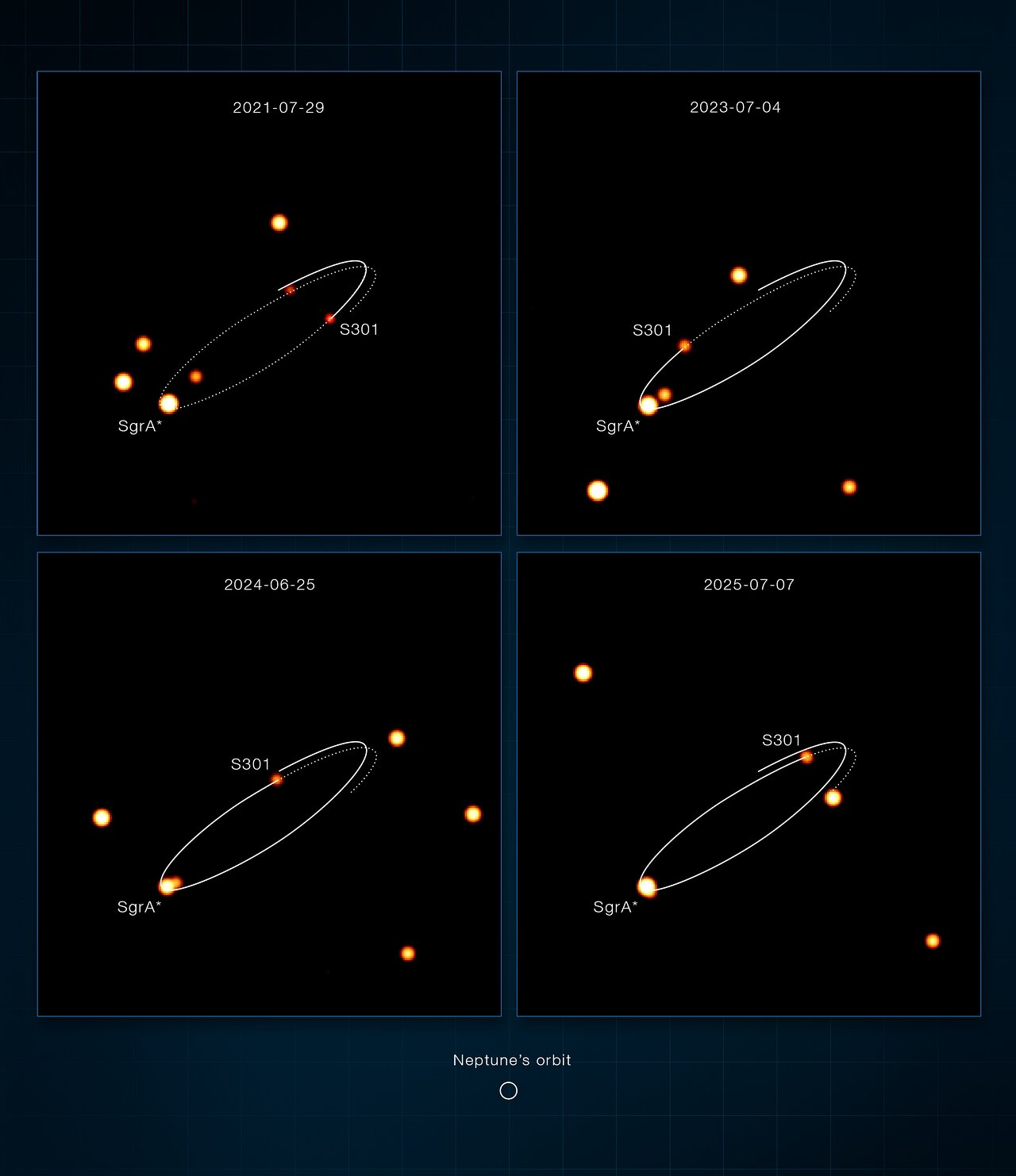
One for the record books 🏅
Our Very Large Telescope Interferometer has discovered the fastest known star in our galaxy. Named S301, it orbits Sagittarius A* — the supermassive black hole at the centre of the Milky Way — reaching speeds of 25 000 kilometres per second, over 8% the speed of light.
📷 ESO/GRAVITY collaboration
1/3
#astrodon #astronomy #astrophysics #space #science

The conclusion of a century-long quest 😲
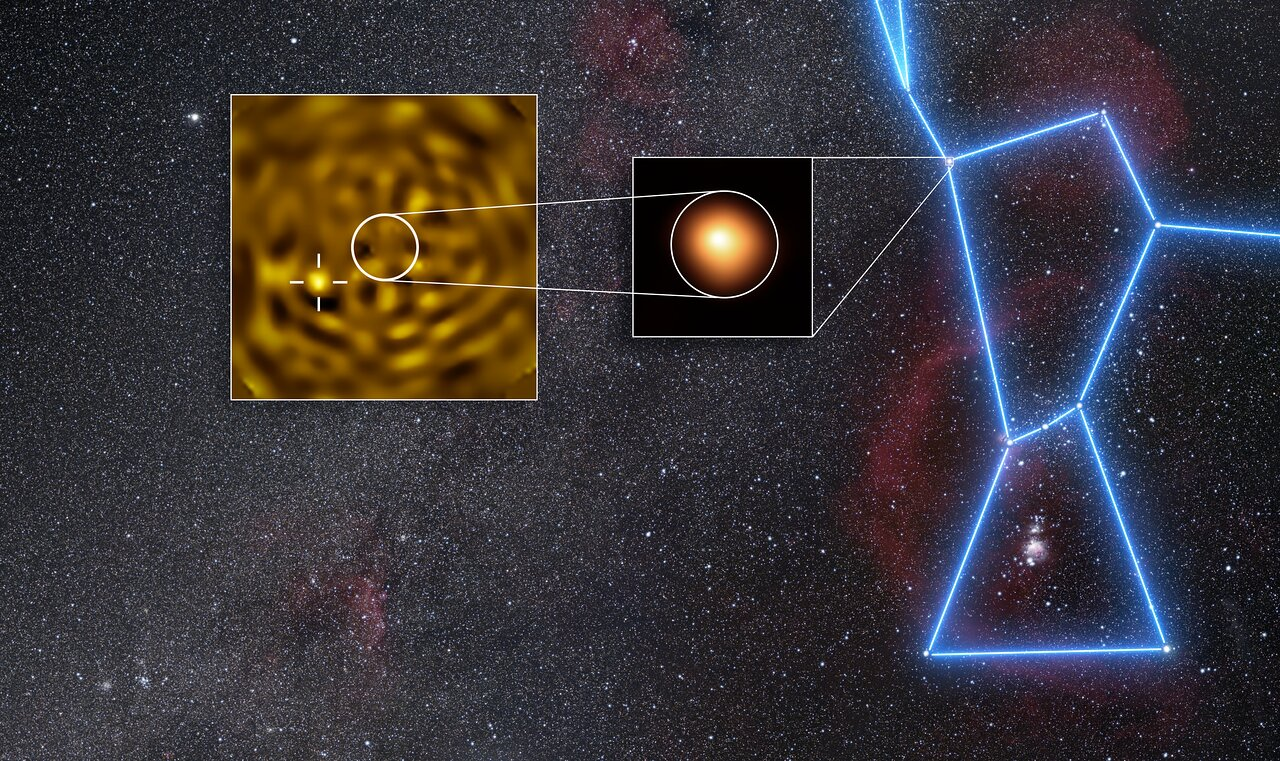
Our VLT obtained firm evidence that Betelgeuse, a red supergiant star in the Orion constellation and one of the most famous stars in the night sky, is not alone!
1/4
📷 ESO/M. Montargès et al. Background: N. Rissinger (skysurvey.org)
#astrodon #astronomy #astrophysics #space #science
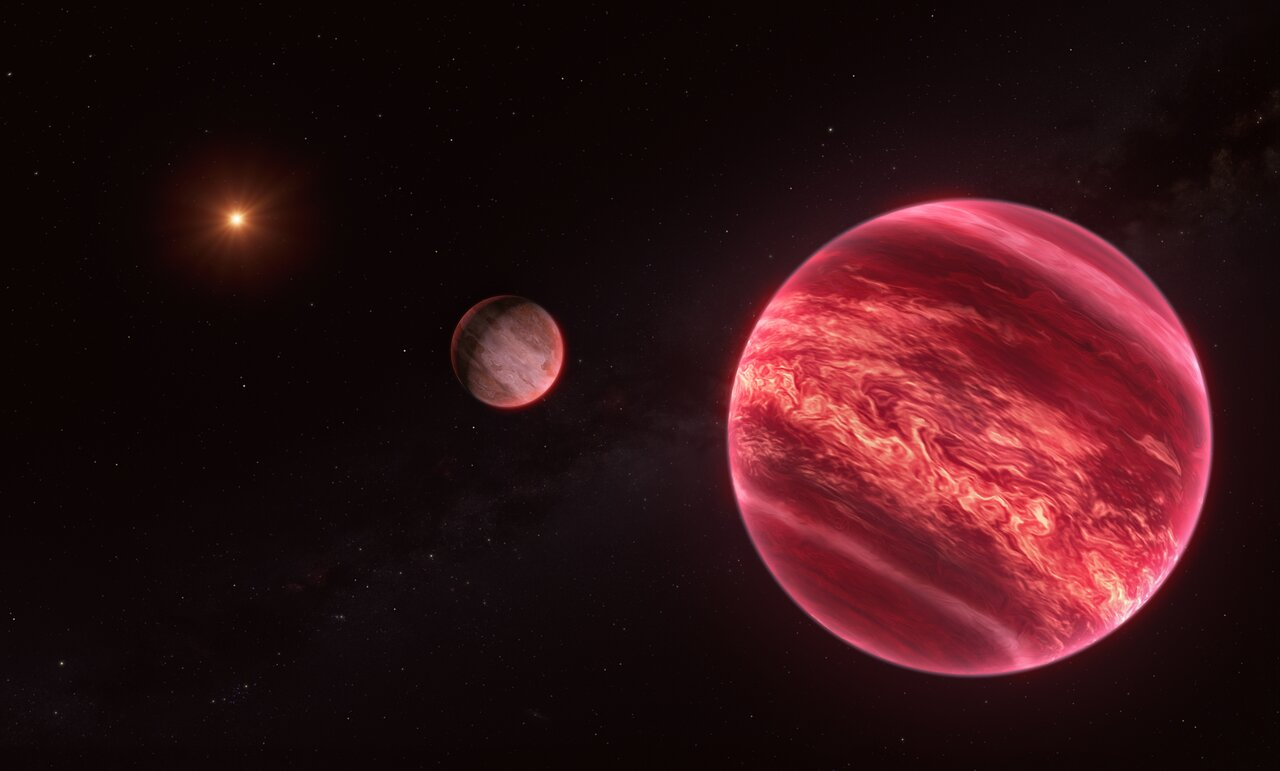
That's no moon. It's a...hang on, what should we call it? 🤔
Our VLT has revealed evidence for a moon-like object in the CD-35 2722 system. Yet this new ‘exomoon’ detection is challenging cosmic labels!
Illustration: ESO/M. Kornmesser
#astrodon #astronomy #astrophysics #space #science
1/4
🚨 Beyond the limit 🚨
New ESO study finds that current proposals to launch 1.7+ million satellites into orbit would have devastating consequences for astronomy.
The most extreme proposals come from SpaceX & Reflect Orbital
1/4
📷 F. Kamphues, ESO/M. Kornmesser
#astrodon #astronomy #astrophysics #space #science #environment #pollution
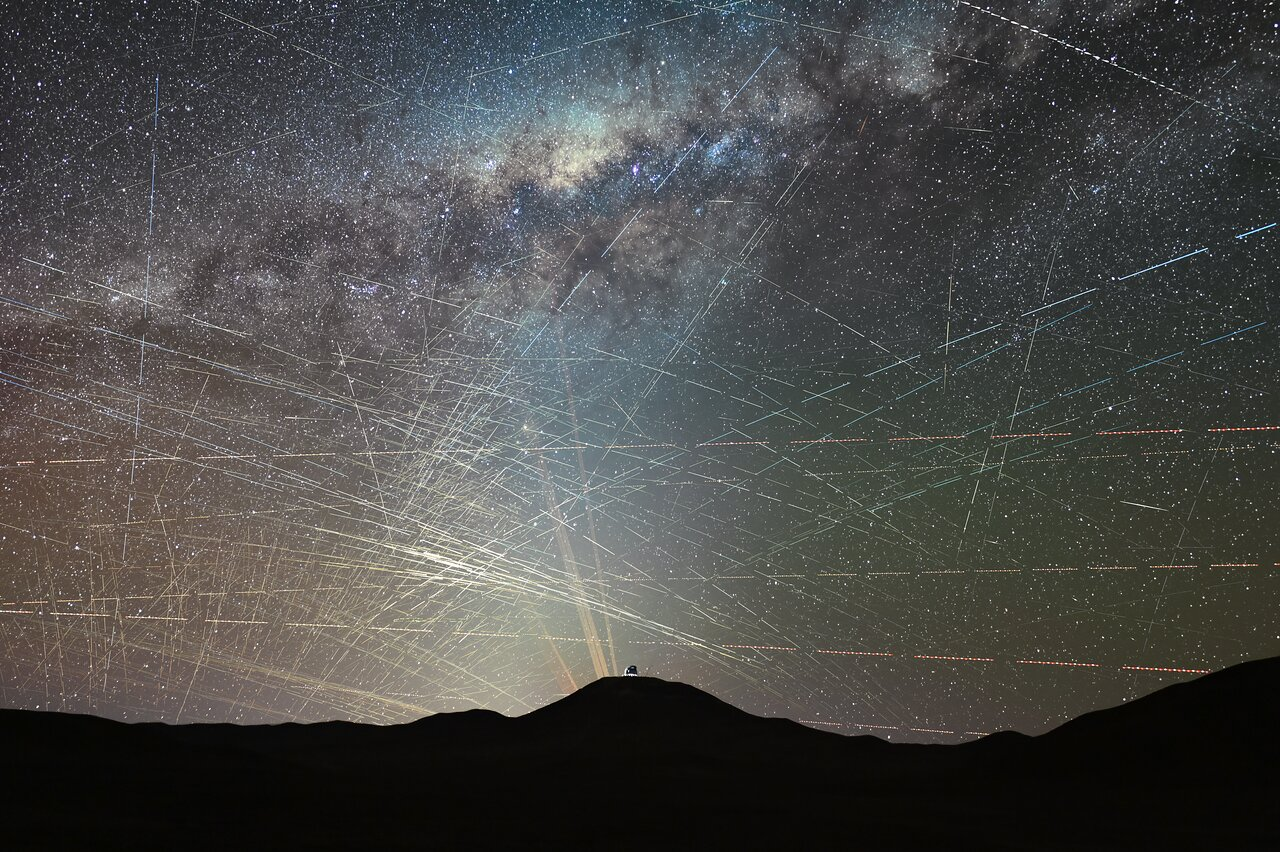
"I was completely overwhelmed by the beauty of it all, to the point of forgetting everything around me! A sky of absolute purity, free from artificial light.”
This is how astrophotographer Julien Looten remembers the night he captured this extraordinary view of our VLT at Cerro Paranal, #Chile
Wondering what all those cosmic objects and phenomena in the image are?
Find out: https://www.eso.org/public/images/potw2602a/
📷 J. Looten /ESO
#astrodon #astronomy #astrophotography #astrophysics #space #science

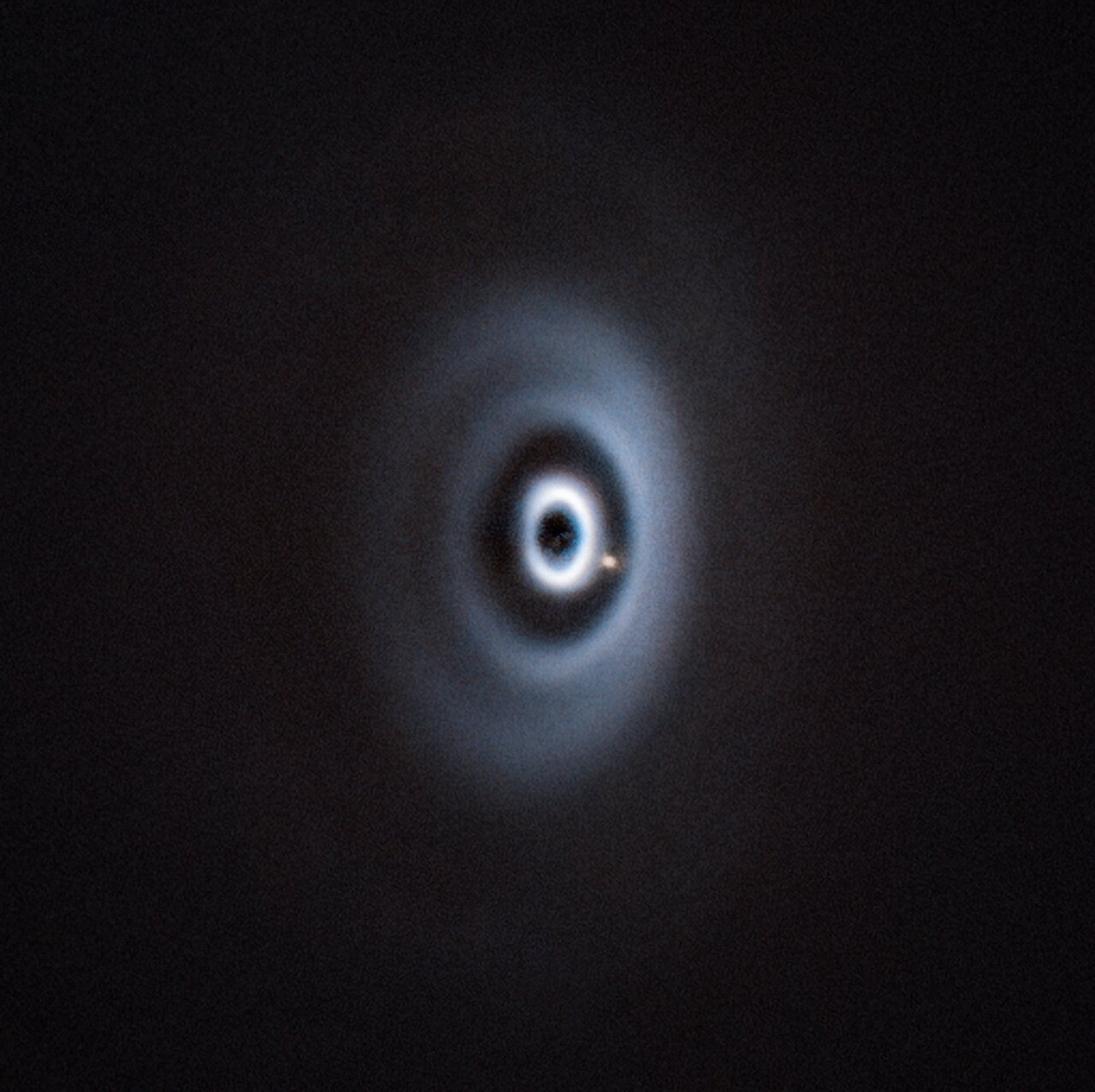
A very hungry planet! 🪐
That little dot is WISPIT 2b, a newborn exoplanet. About 5 times the mass of Jupiter, the planet is eating its way through its dusty cradle as it orbits the host star, a younger version of our Sun 🌞
Taken with ESO’s Very Large Telescope (VLT) in #Chile, this image is the first clear detection of a baby planet in a disc with multiple rings.
Read more: https://www.eso.org/public/images/potw2534a/
📷 ESO/R. F. van Capelleveen et al.
#astrodon #astronomy #astrophysics #space #science
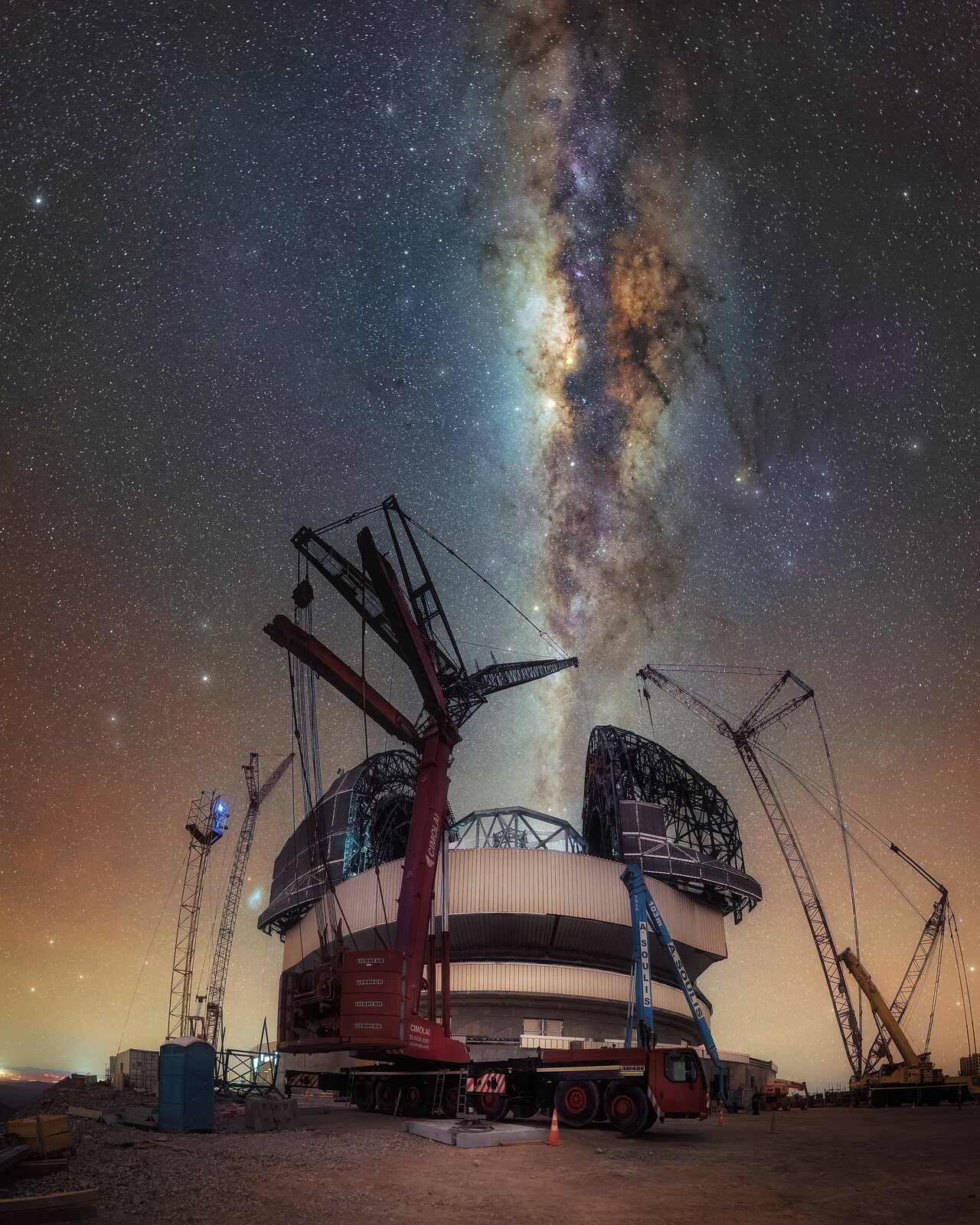
As the Milky Way band appears to pour into our Extremely Large Telescope in #Chile, the cranes around it seem to do the same while they further advance the telescope.
Once complete, the ELT will be breaking down the light above in unparalleled detail with its huge 39 m mirror.
More: https://www.eso.org/public/images/potw2533a/
📷 C. Letelier/ESO
#astrodon #astronomy #astrophysics #astrophotography #space #science
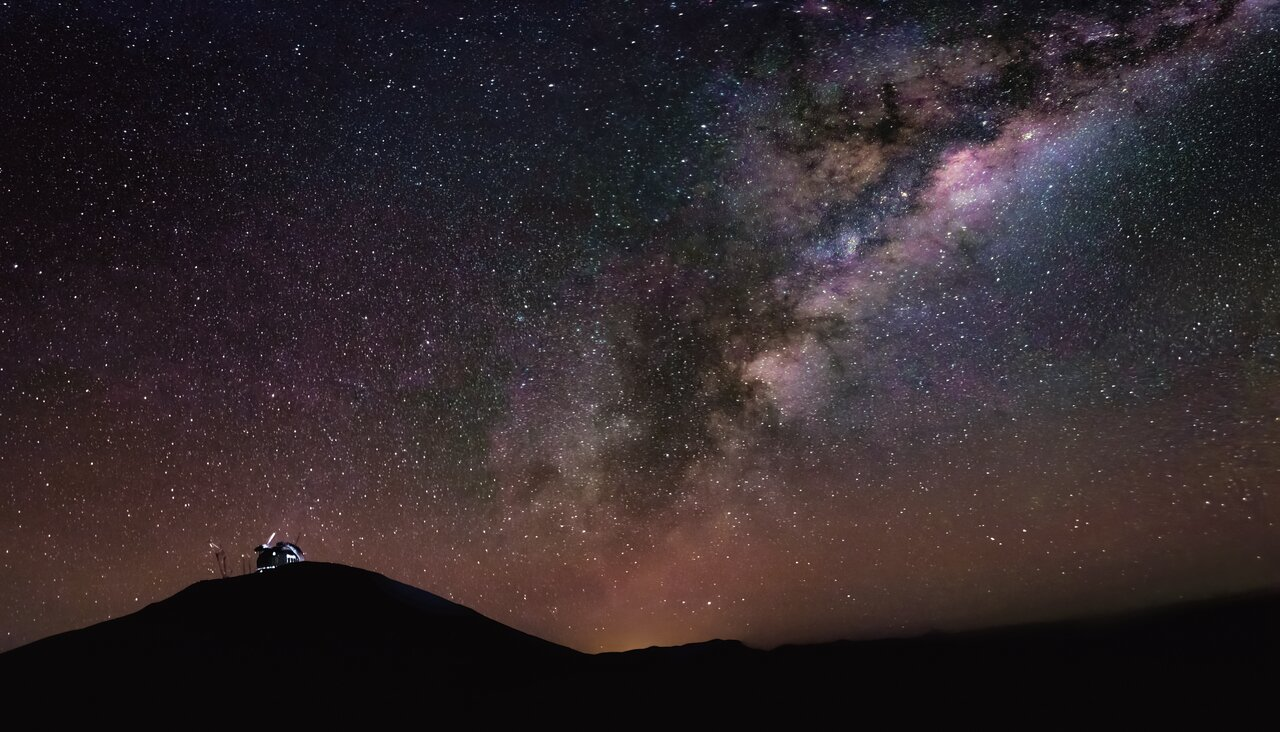
Sailing beneath a sea of stars!
Feast your eyes on this stunning image of our Extremely Large Telescope (ELT) underneath a gorgeous starry night sky in #Chile. It almost looks like a ship cresting a great, shadowy wave. ⛵️🌊
Read more: https://www.eso.org/public/images/potw2530a/
📷 P. Romaniuk/ESO
#astrodon #astronomy #astrophysics #space #science
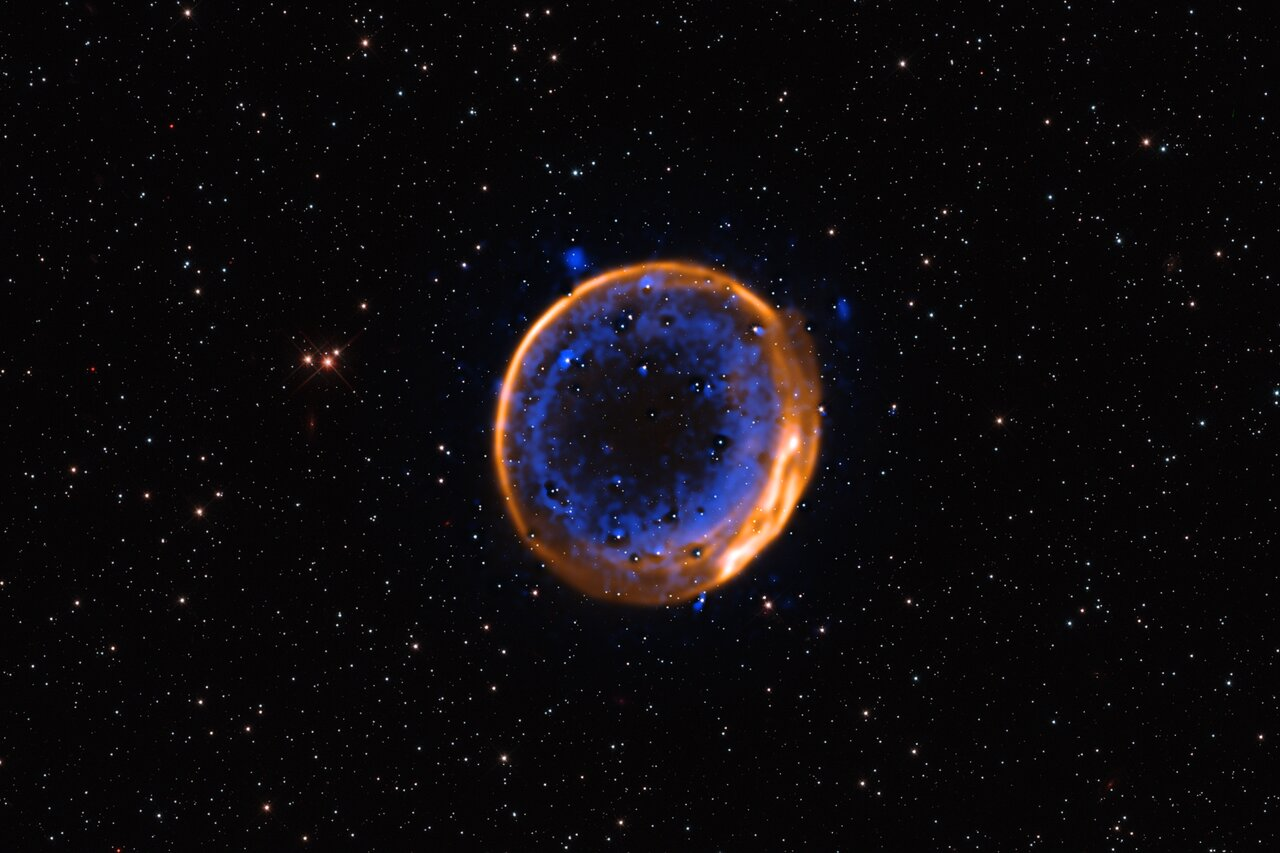
💥💥 Double detonation!
For the first time, astronomers have obtained visual evidence that a star met its end by blasting twice.
This was done by studying the centuries-old remains of supernova SNR 0509-67.5 with our Very Large Telescope. Led by the Univ. of South Wales, this shows some of the most important explosions in the Universe in a new light.
What happened exactly? Keep reading.
#astrodon #astronomy #astrophysics #space #science
📷 ESO/P. Das et al. Backgr. stars (HST): K. Noll et al.