What Is Street Art? (16 Photos)
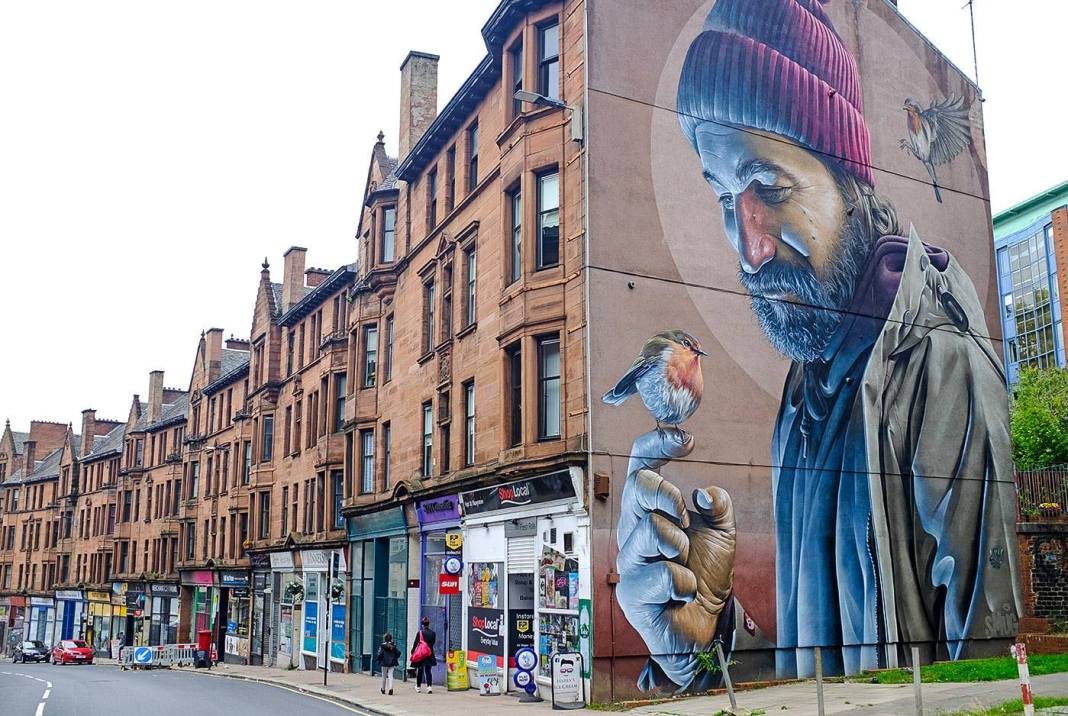
Content warning: A combination of two iconic street art styles: Banksy's clever stencil art depicting a person transforming a horse into a zebra, and SMUG's hyper-realistic mural of a man holding a robin, symbolizing the diversity and evolution of street art across urban
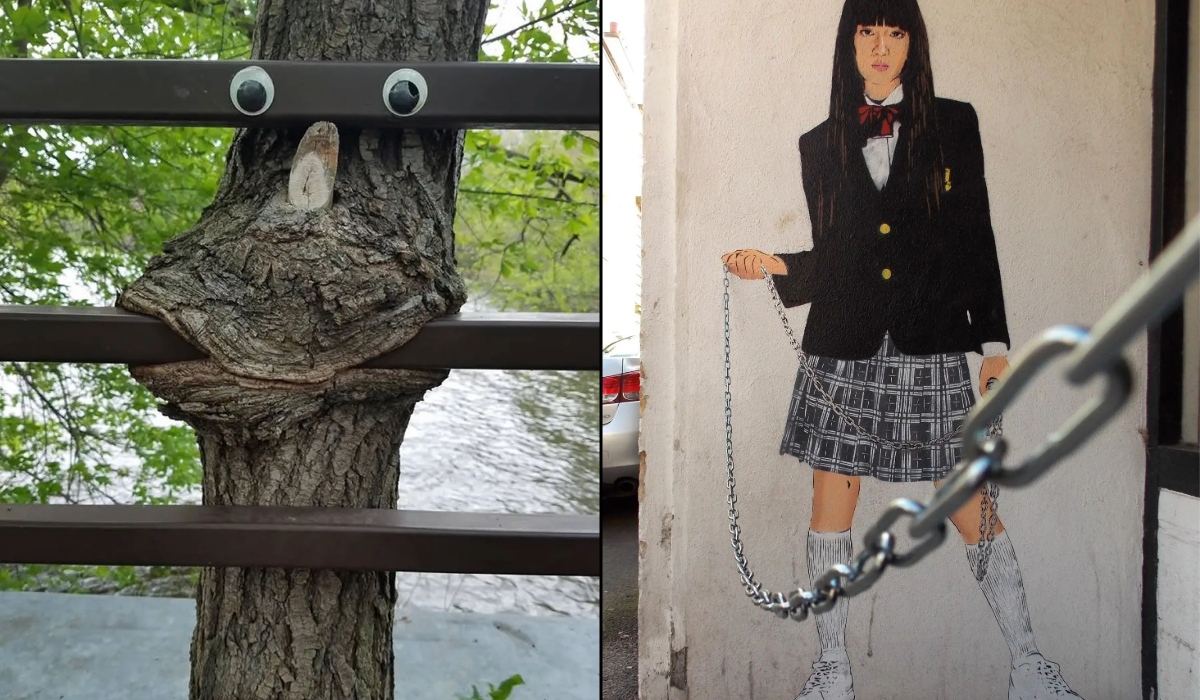
Street art, often called urban art or public art, transforms ordinary urban spaces into exciting canvases for creativity.
From graffiti to large-scale murals, it connects people through bold visuals and meaningful stories. But what exactly is street art, and why has it become such a significant cultural movement? Let’s dive into the world of street art to uncover its essence, history, and impact.
What Is Street Art?
Street art, also known as graffiti art or urban art, refers to visual art created in public spaces, typically without official permission. This lack of authorization historically shaped its rebellious nature, positioning street art as a form of reclaiming and democratizing public spaces. By challenging societal norms and disrupting conventional ideas of ownership, it became a powerful medium for marginalized voices to express themselves in shared urban landscapes.
It encompasses a wide range of techniques and styles, from graffiti and murals to stencils, stickers, and installations. Unlike traditional art confined to galleries, street art is accessible to everyone, often carrying messages that reflect social, political, or personal themes.
Emerging as an underground movement, street art has evolved into a respected art form celebrated worldwide. Today, it’s recognized as a way to beautify urban landscapes, spark conversations, and challenge societal norms.
Types of Street Art
Street art is incredibly diverse, showcasing a variety of techniques and mediums. These types highlight the evolution of street art, graffiti art, and other forms of public art from rebellious beginnings to a celebrated global phenomenon. Here are some popular types:
- Graffiti: Often involving spray paint, graffiti typically features stylized lettering and is one of the earliest forms of street art.
- Murals: Large-scale paintings on walls, often commissioned to revitalize neighborhoods.
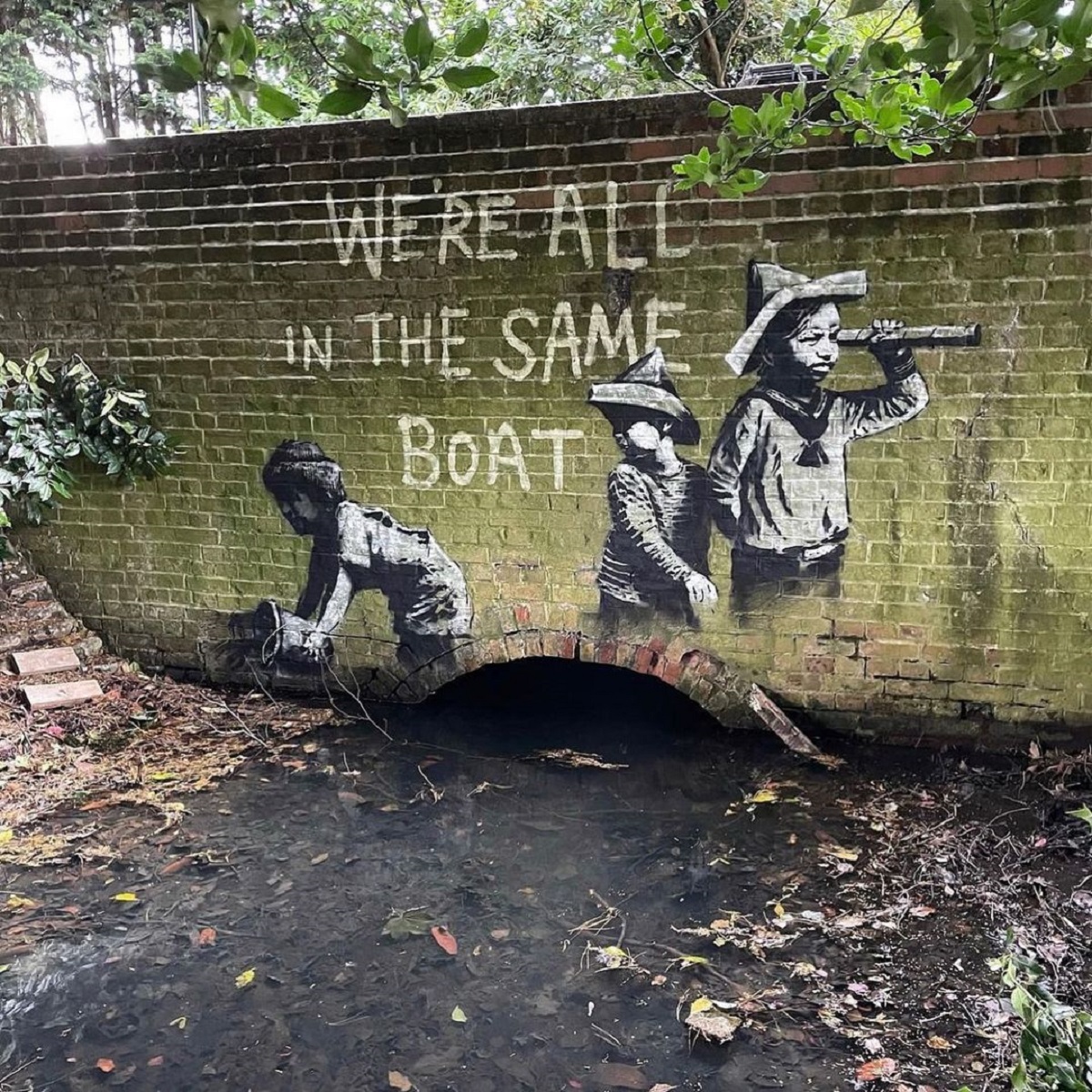
- Stencils: Designs cut into templates and spray-painted onto surfaces, allowing for quick replication.
- Wheat-Pasting: Posters adhered to walls with paste, often featuring bold graphics or slogans.
- Mosaics: Small tiles arranged to create intricate designs or images.
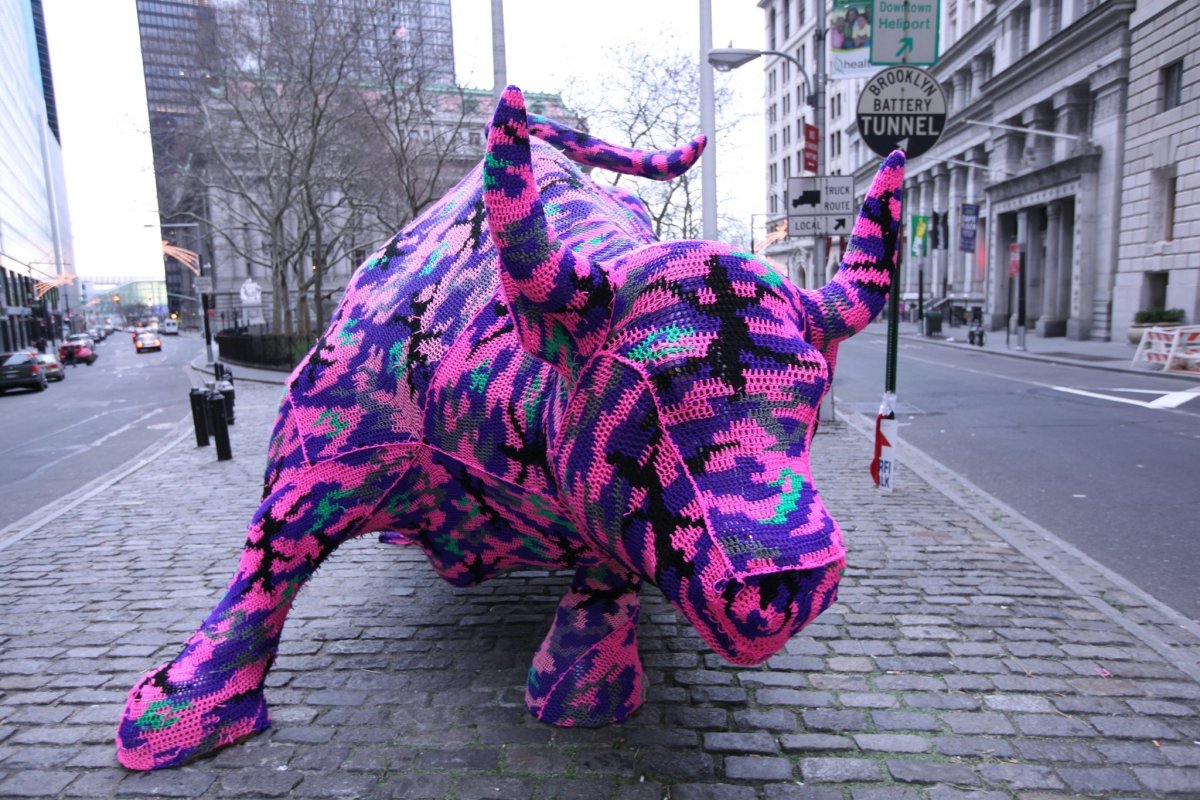
- Yarn Bombing: Knitted or crocheted installations wrapped around objects like poles or benches.
- Sculptural Installations: 3D works integrated into the urban environment, such as small figurines or large installations.
- Stickers: Small, adhesive artworks often used for branding or quick artistic expression.
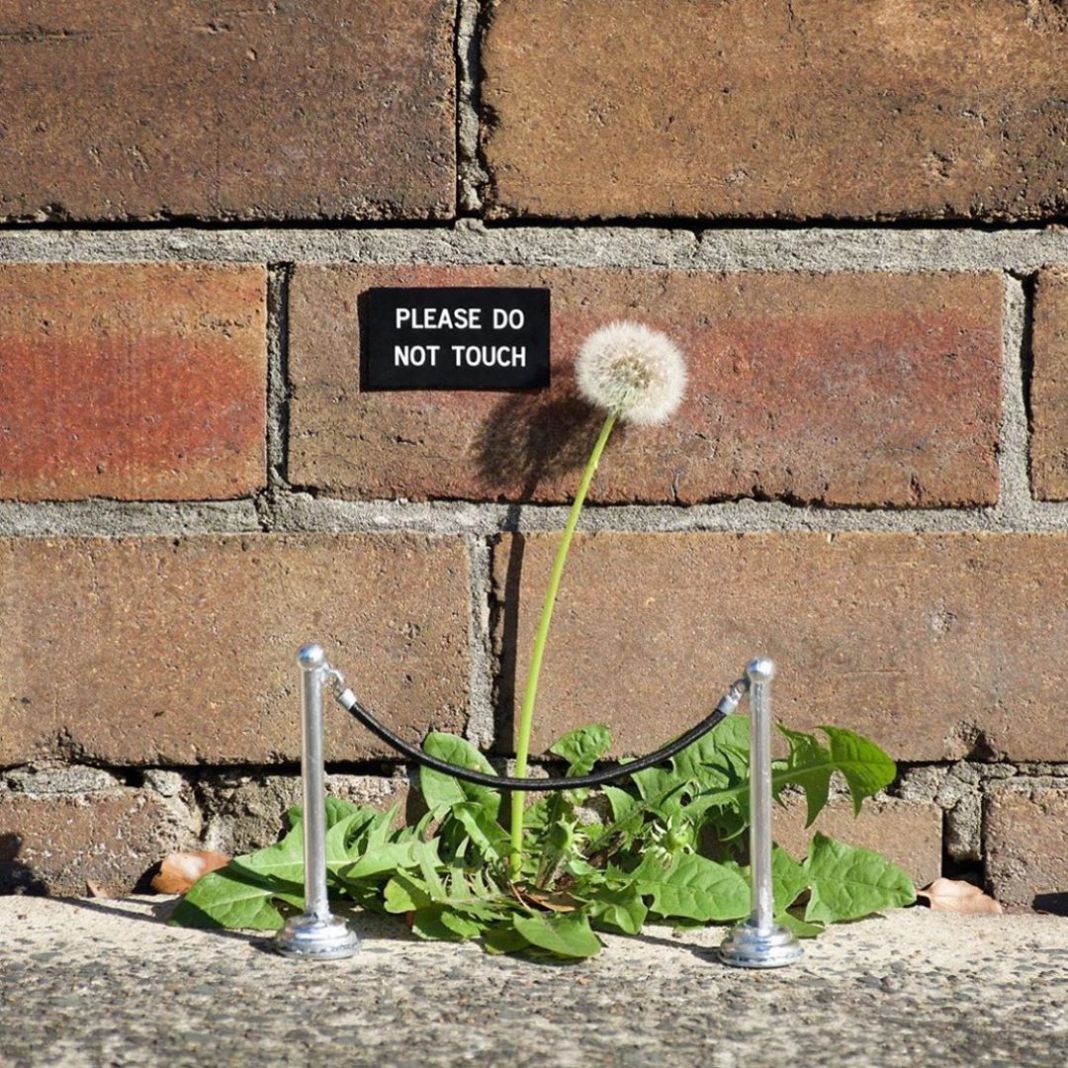
- Guerrilla Gardening: Planting greenery or flowers in neglected urban spaces to create living, artistic statements.
Why Is Street Art Important?
Street art goes beyond aesthetics; it serves as a powerful medium for:
- Cultural Expression: Reflecting the identity and values of a community.
- Social and Political Commentary: Highlighting issues like inequality, climate change, or human rights.
- Urban Revitalization: Transforming neglected spaces into vibrant attractions.
- Community Engagement: Inspiring conversations and fostering a sense of belonging.
Famous Street Artists and Movements
Some of the most iconic street artists have shaped the global perception of this art form. Their creative innovations have played a significant role in influencing the mainstream acceptance of street art, bridging the gap between underground movements and celebrated public art. Notable names include:
- Banksy: Known for his provocative stencils and satirical themes. Explore more in our Banksy Collection.
- JR: Famous for large-scale photographic installations. Check out our JR Collection.
- David Zinn: Renowned for his whimsical chalk art. View his work in our David Zinn Collection.
- Oakoak: Known for playful and humorous interventions in urban landscapes. See more in the Oakoak Collection.
- SMUG: Famous for hyper-realistic murals. Browse his stunning works in the SMUG Collection.
- Tom Bob: Transforms everyday urban objects into delightful art. Explore his works in the Tom Bob Collection.
- HERA: A storyteller on walls, creating impactful works worldwide. Learn more in the HERA Collection.
- Vinie: Known for her vibrant and colorful portraits. See her art in the Vinie Collection.
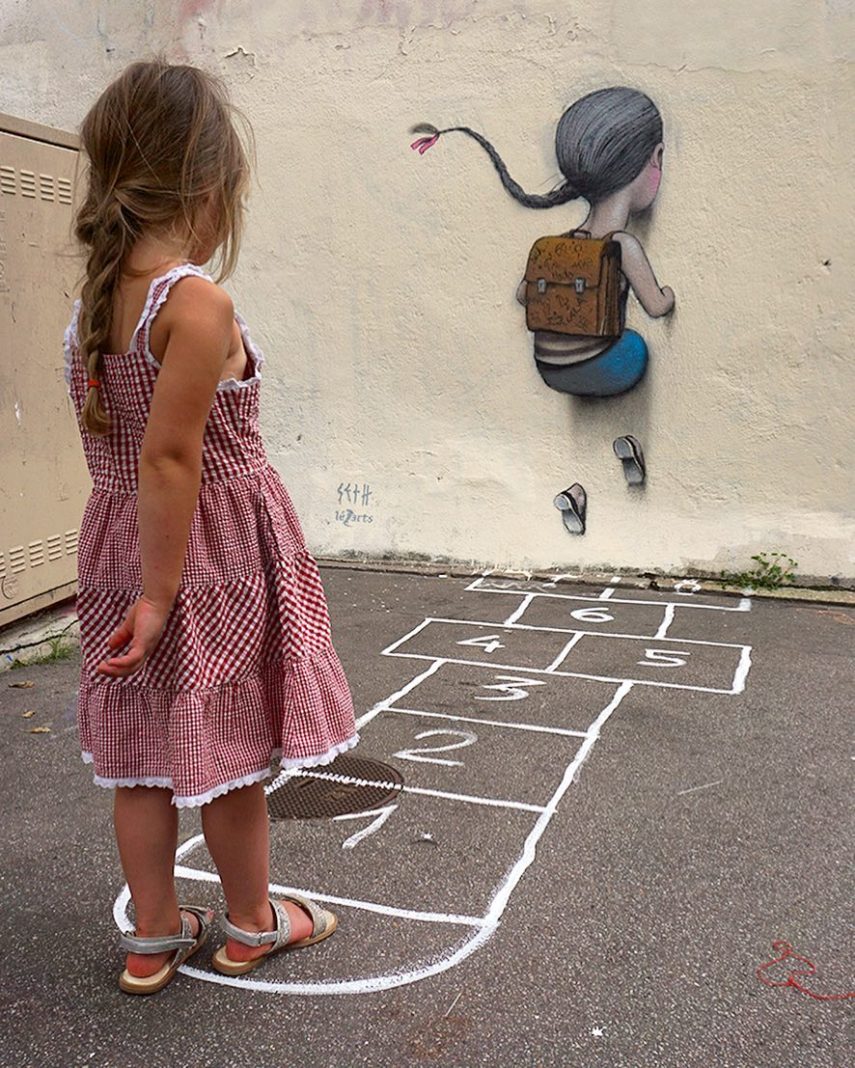
- Seth: Creates imaginative and dreamlike murals. Visit the Seth Collection.
Street art movements and festivals, such as the Berlin Wall murals, Wynwood Walls in Miami, and street art festivals around the globe, have further elevated its cultural and artistic significance. These events have played a pivotal role in transitioning street art from an underground movement to a globally respected art form. By showcasing the work of talented artists, they have created spaces for dialogue, cultural exchange, and the celebration of urban creativity.
For a deeper dive into individual artists and their contributions, visit our dedicated page on Street Artists.
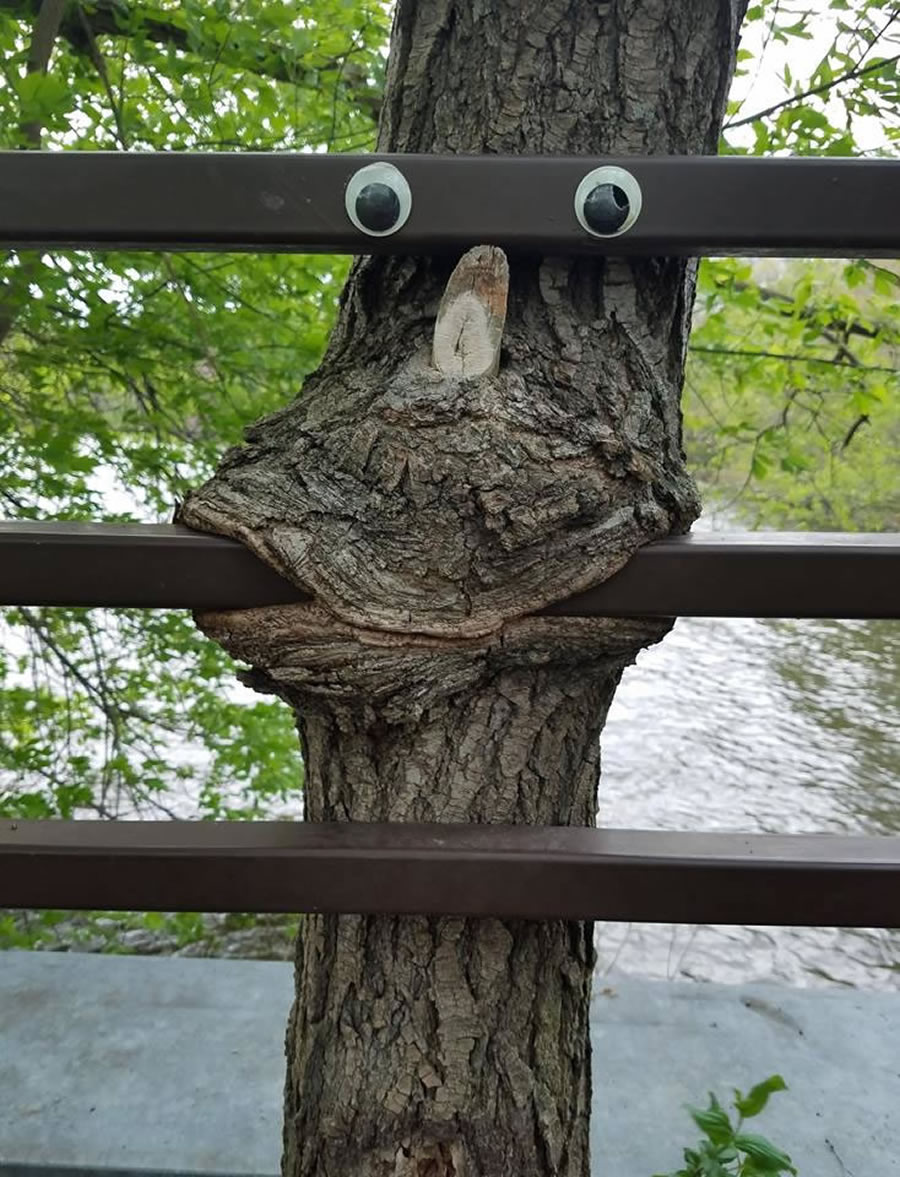
Where Can You Find Street Art?
Street art can be found in cities around the world, with some locations becoming iconic hubs:
- Berlin, Germany: A haven for political and experimental street art.
- New York City, USA: The birthplace of graffiti and home to legendary murals.
- Melbourne, Australia: Known for its vibrant laneways filled with art.
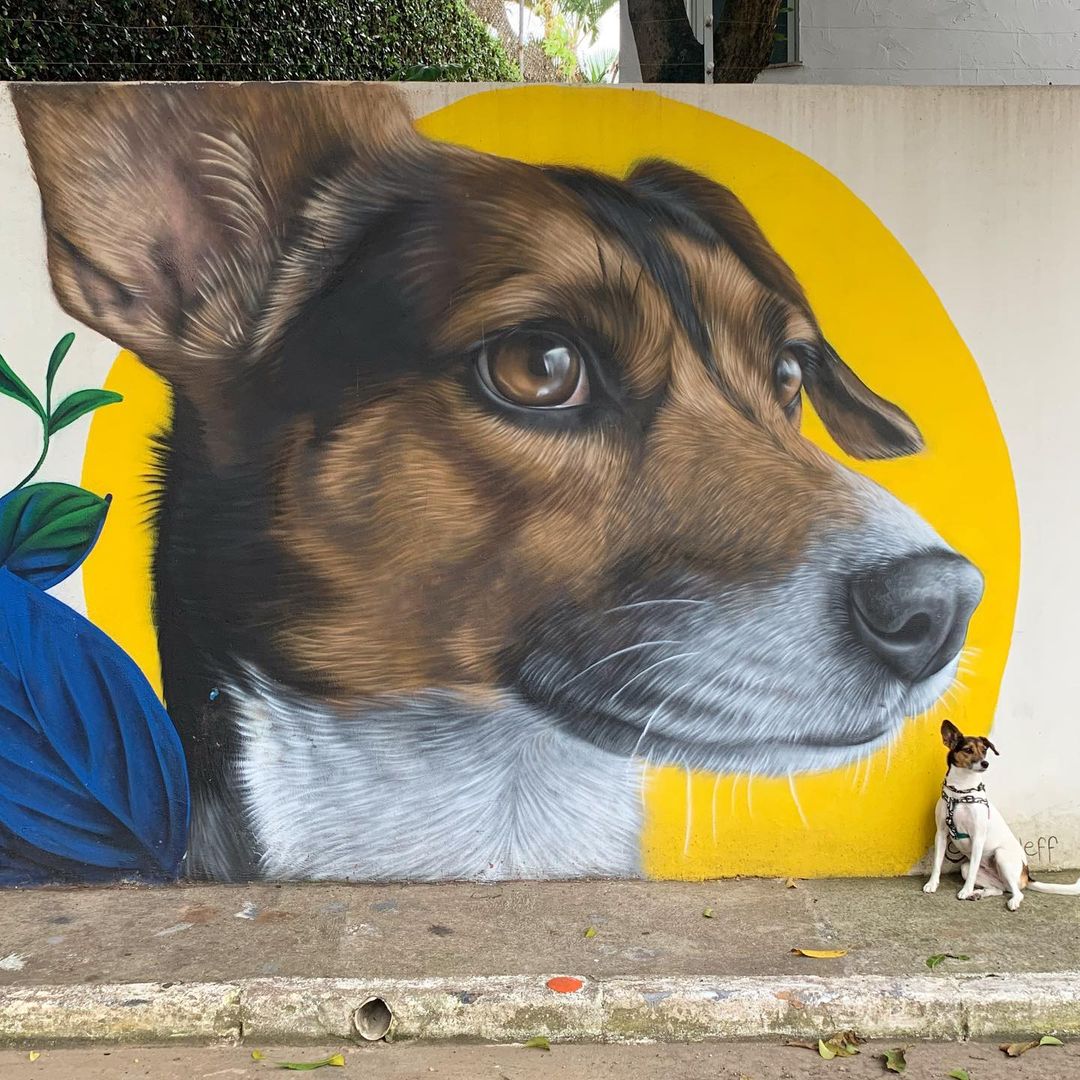
- São Paulo, Brazil: Famous for large-scale murals and colorful works.
- Cape Town, South Africa: A blend of cultural narratives and artistic expression.
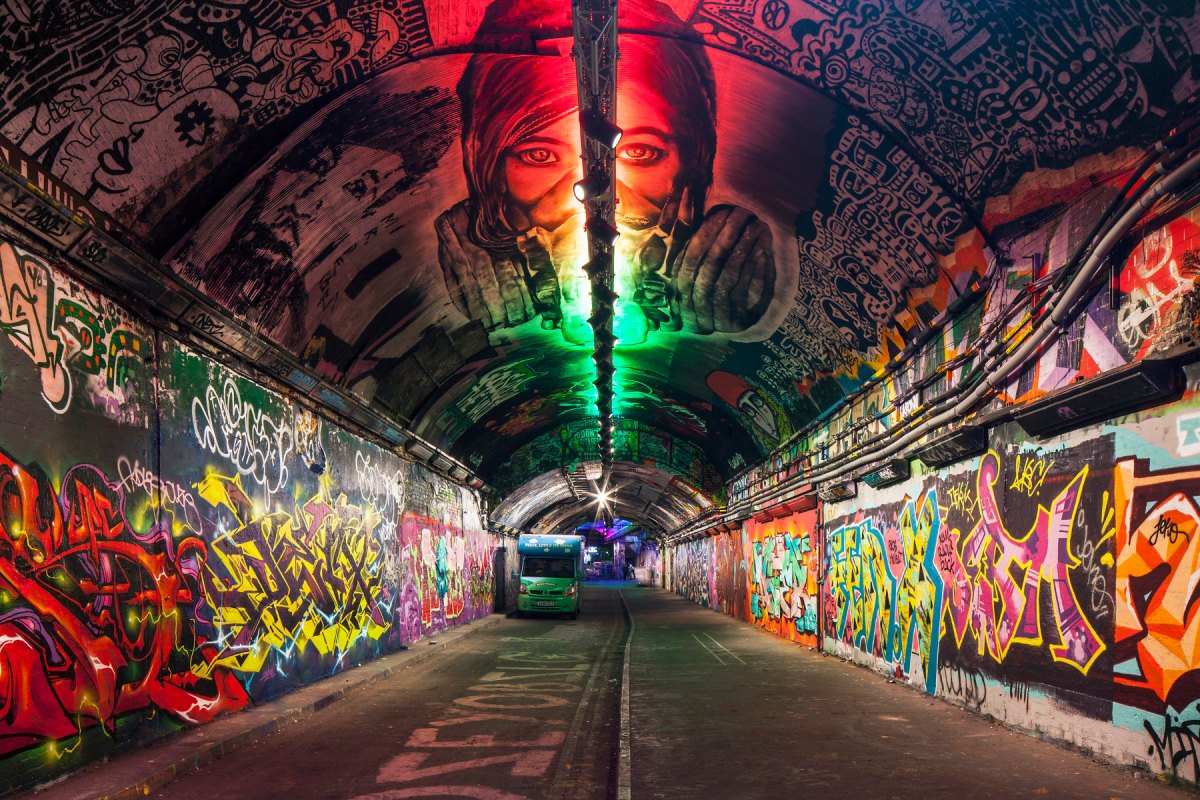
How Does Street Art Differ From Graffiti?
While the terms “street art” and “graffiti” are often used interchangeably, there are distinct differences:
- Graffiti focuses primarily on text-based designs, often featuring stylized tags or letters.
- Street art includes a broader range of artistic styles, often incorporating imagery and messages.
Both forms, however, share roots in urban culture and self-expression.
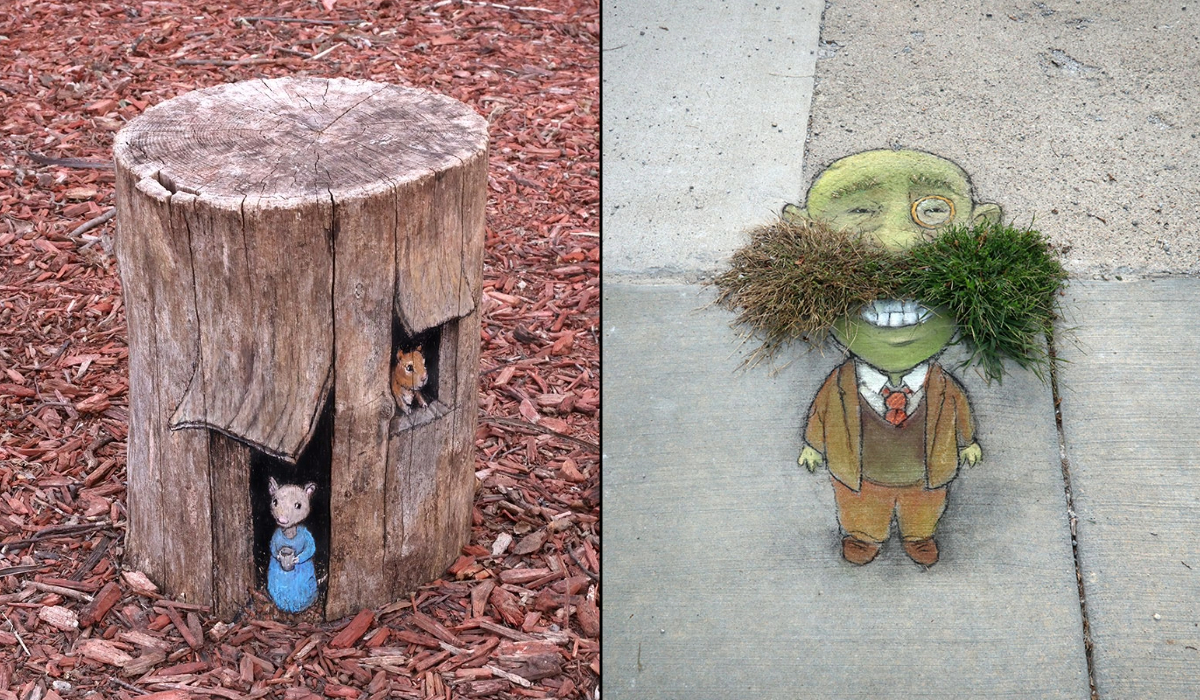
How to Appreciate and Support Street Art
- Explore Urban Spaces: Wander through cities to discover hidden gems.
- Follow Artists: Support street artists by following their work on social media.
- Share and Celebrate: Spread the word about impactful street art to inspire others.
- Support Legal Walls: Contribute to initiatives that provide artists with safe spaces to create.
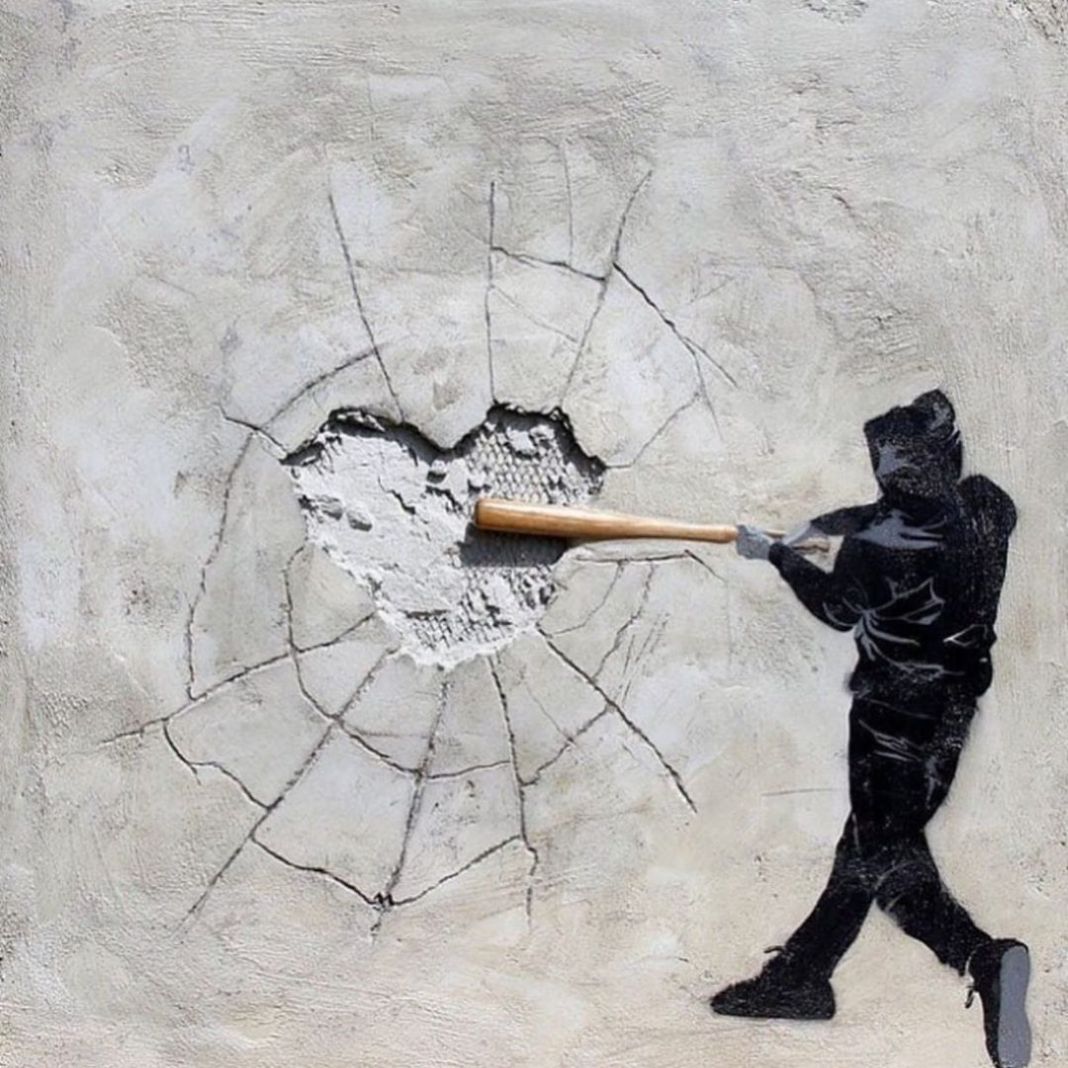
Final Thoughts
Street art is more than just visual creativity; it’s a voice for the people, a celebration of culture, and a force for change. Explore your own city to uncover its hidden artistic gems, and support street art by sharing, appreciating, and engaging with the stories it tells. By exploring and supporting street art, we can connect with the stories and visions of artists who transform our cities into open-air galleries. Beyond its artistic appeal, street art exemplifies a democratic process, reclaiming public spaces for creative expression.
It allows voices from all walks of life to be heard, breaking down barriers of access to art and challenging the exclusivity of traditional galleries. This democratization transforms urban landscapes into platforms for diverse ideas and communal narratives, art belongs to everyone. Moreover, street art plays a crucial role in shaping the democratic conversation by offering a visual medium for activism and dissent.
From highlighting social injustices to inspiring collective action, it has the power to amplify voices that might otherwise go unheard. In some cases, street art has even contributed to political revolutions, a catalyst for change in the fight against oppressive regimes and exploitative corporations, showcasing its role as a powerful tool for social change.
Join our 1.6M+ followers on Facebook for daily updates on incredible street art from around the world!
FAQ
Where can I see the best street art? Explore renowned street art hubs like Berlin, New York City, Melbourne, São Paulo, and other major cities known for urban murals and graffiti art. These cities are known for their vibrant and diverse street art scenes.
How can I learn more about street artists? Visit our Street Artists page to explore collections and biographies of iconic street artists like Banksy, HERA, and SMUG.
How does street art impact communities? Street art revitalizes urban spaces, inspires conversations, and often acts as a catalyst for cultural and social change in communities.
Where can I follow Street Art Utopia on social media? Follow us on Facebook, BlueSky and Mastodon to stay updated with the latest street art from around the world. You can also join our community group on Facebook, Your Street Art Utopia, to share and discuss your favorite street art discoveries with other enthusiasts.
What is the purpose of street art? Street art aims to beautify spaces, spark dialogue, and address societal issues through creative expression.
Is street art legal? Street art has its roots in works created without permission, making it a form of reclaiming and democratizing shared public spaces. Historically seen as subversive, these unauthorized creations challenged societal norms and gave voice to marginalized perspectives. Nowadays, the definition of street art has broadened to include murals and other artworks approved by corporations and municipalities, blending underground rebellion with mainstream acceptance.
How is street art created? Street artists use various techniques, including spray paint, stencils, wheat-pasting, and even unconventional materials like yarn or tiles.
Which is your favorite?

Lovely by Oakoak (10 Photos)
Since 2006, OAKOAK has had streets, walls, sidewalks and roads as its playground. Originally from Saint Etienne, he sticks his drawings in each of the places he crosses in order to create a smile in the pedestrian at the bend of a street where he does not expect it.
His approach consists of diverting urban elements, playing with flaws that at first glance seem of no particular interest, such as cracks in a wall. He thus adds his own vision, his own references which often relate to the geek universe. A way of imagining the urban space in a more poetic way.From playful interactions with crosswalks to whimsical depictions of beloved cartoon characters like Homer Simpson and Obelix, Oakoak’s work brings a fresh perspective to the streets.
🔗 Follow OAKOAK on Instagram
1.
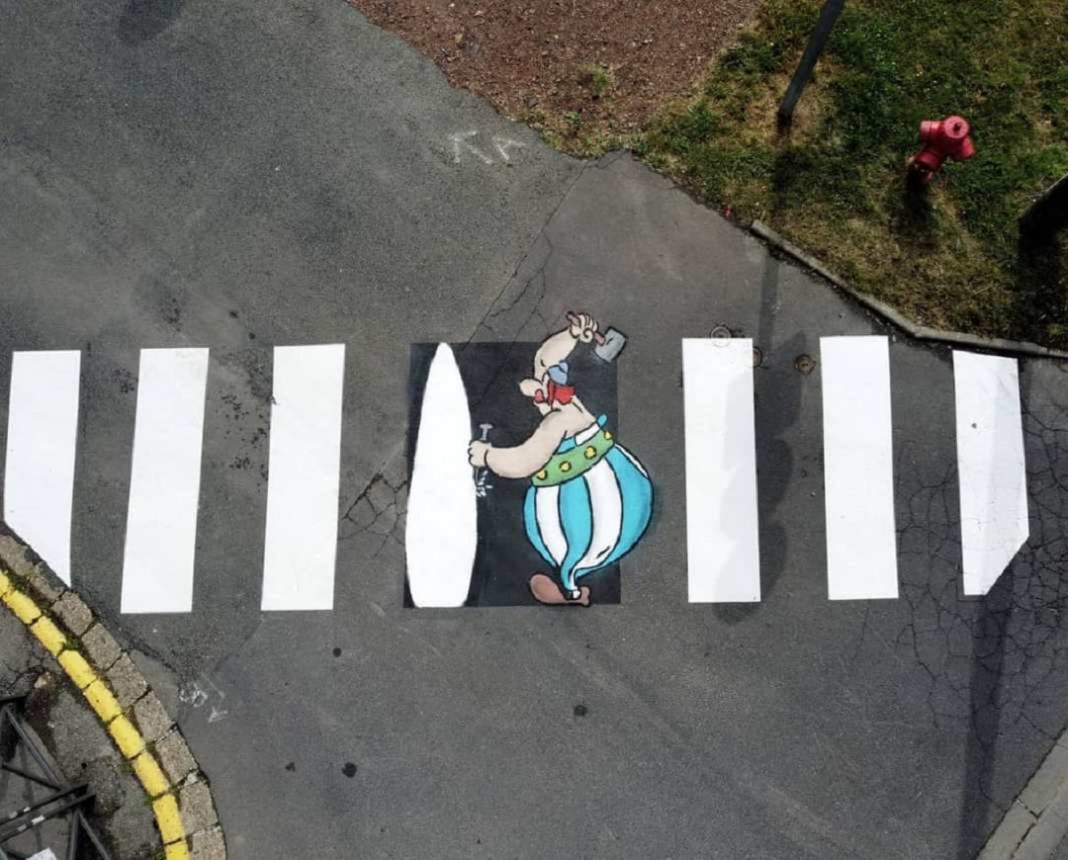
Oakoak transforms a pedestrian crossing into a playful scene with Obelix carrying a menhir, blending urban infrastructure with comic creativity.
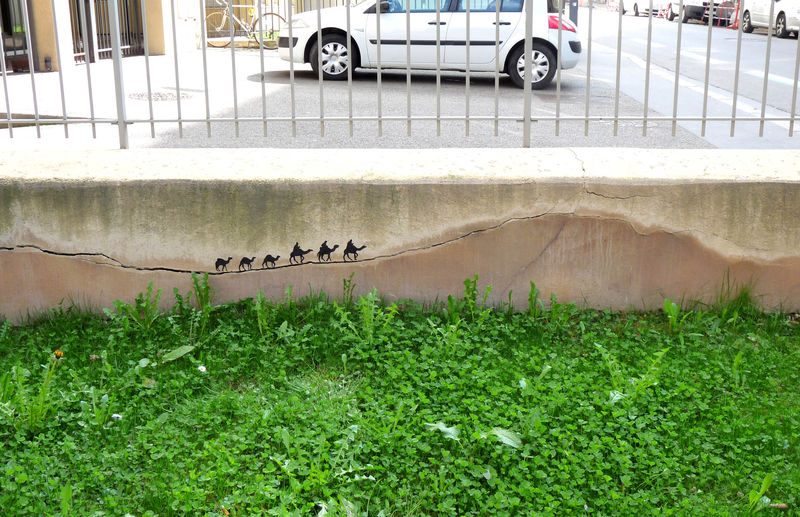
2.
Oakoak turns a natural crack in a concrete wall into a desert path for a caravan of camels.
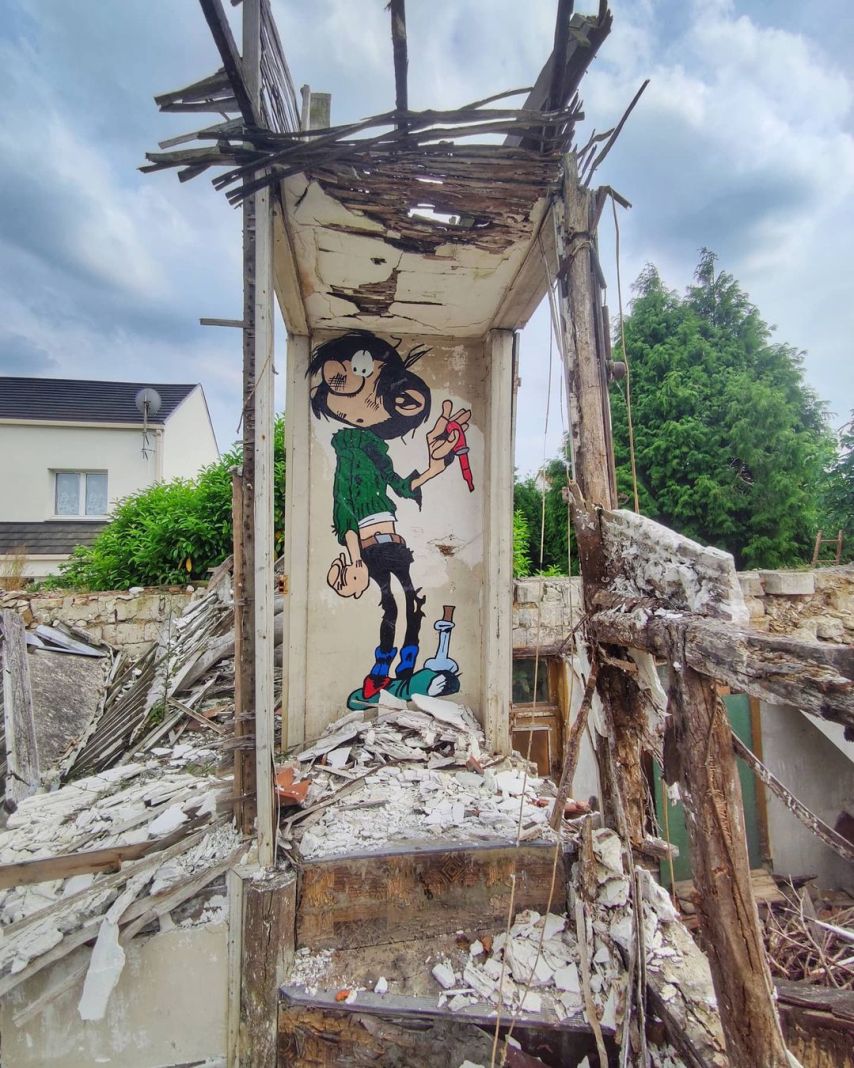
3.
Gaston Lagaffe, painted by Oakoak, brings humor and life to the remains of a crumbling building.
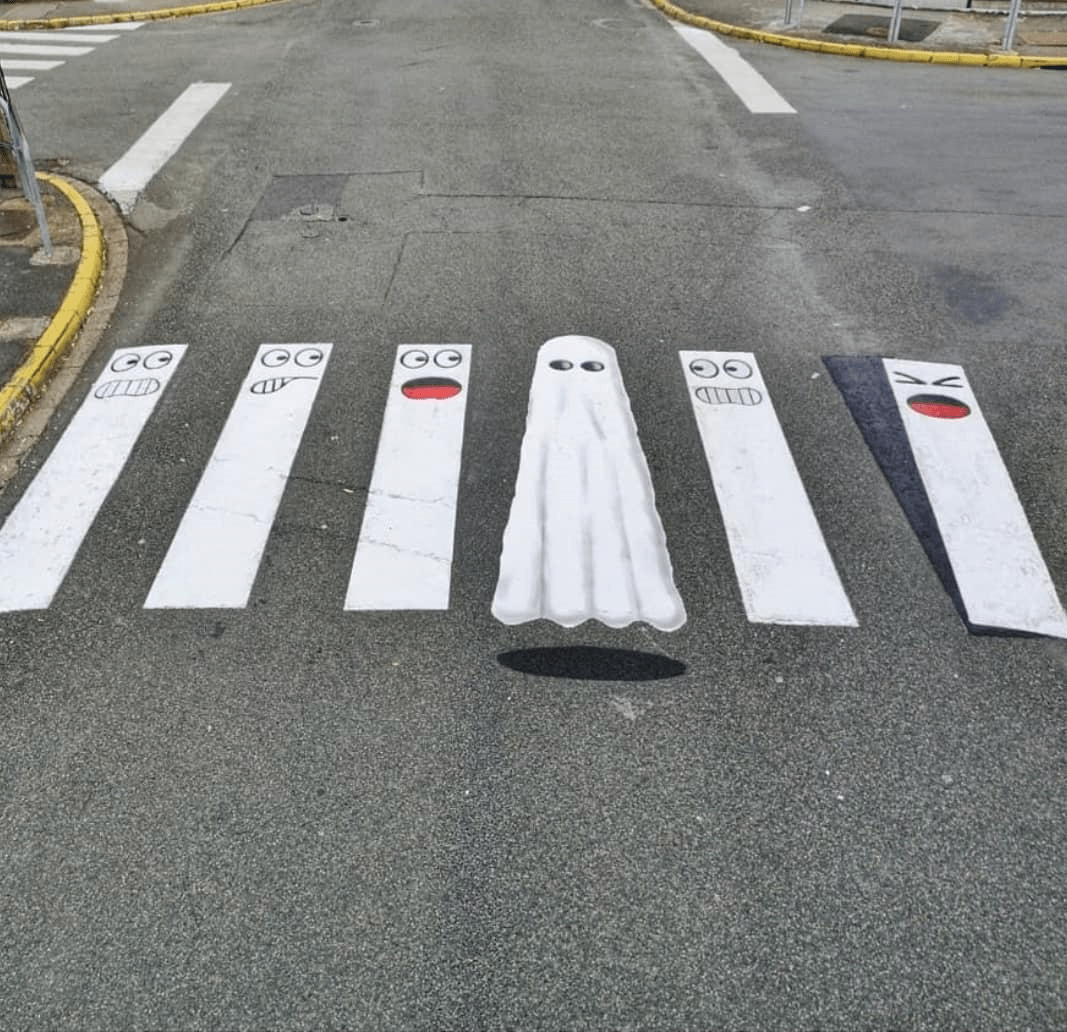
4.
This crosswalk becomes a quirky playground in Oakoak’s hands, featuring cartoon faces and a 3D ghost.
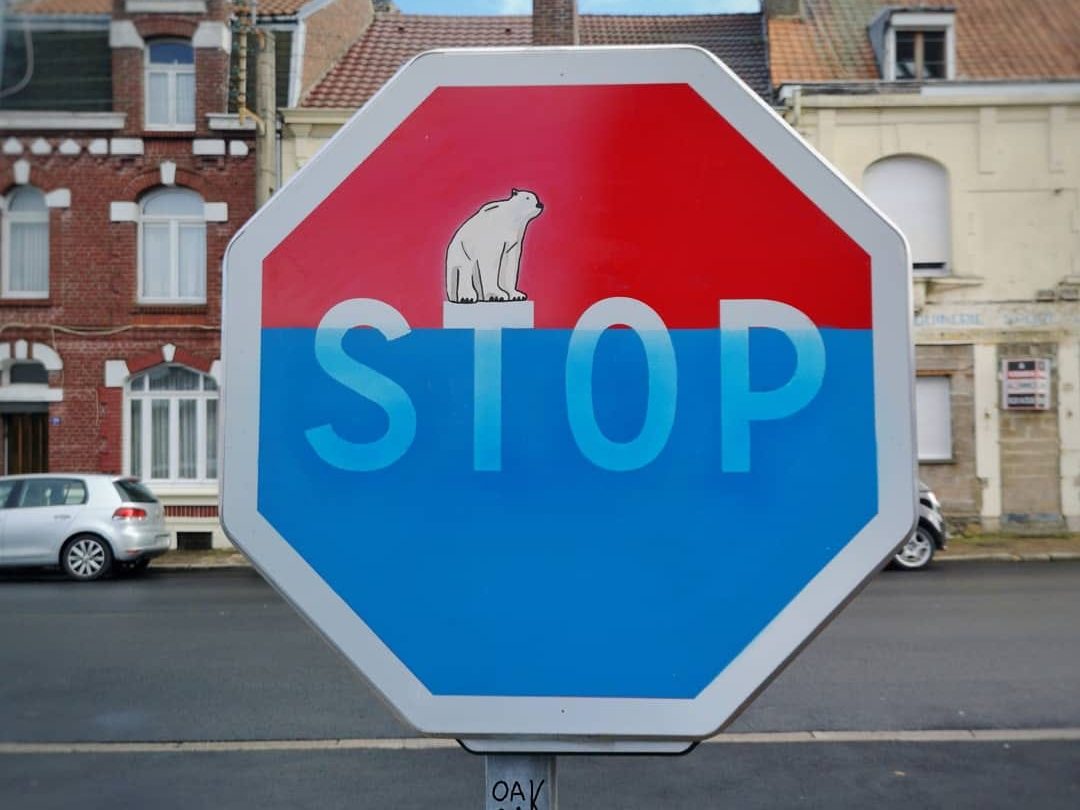
5.
Oakoak uses a stop sign to highlight climate change with a polar bear stranded on melting ice.
6.
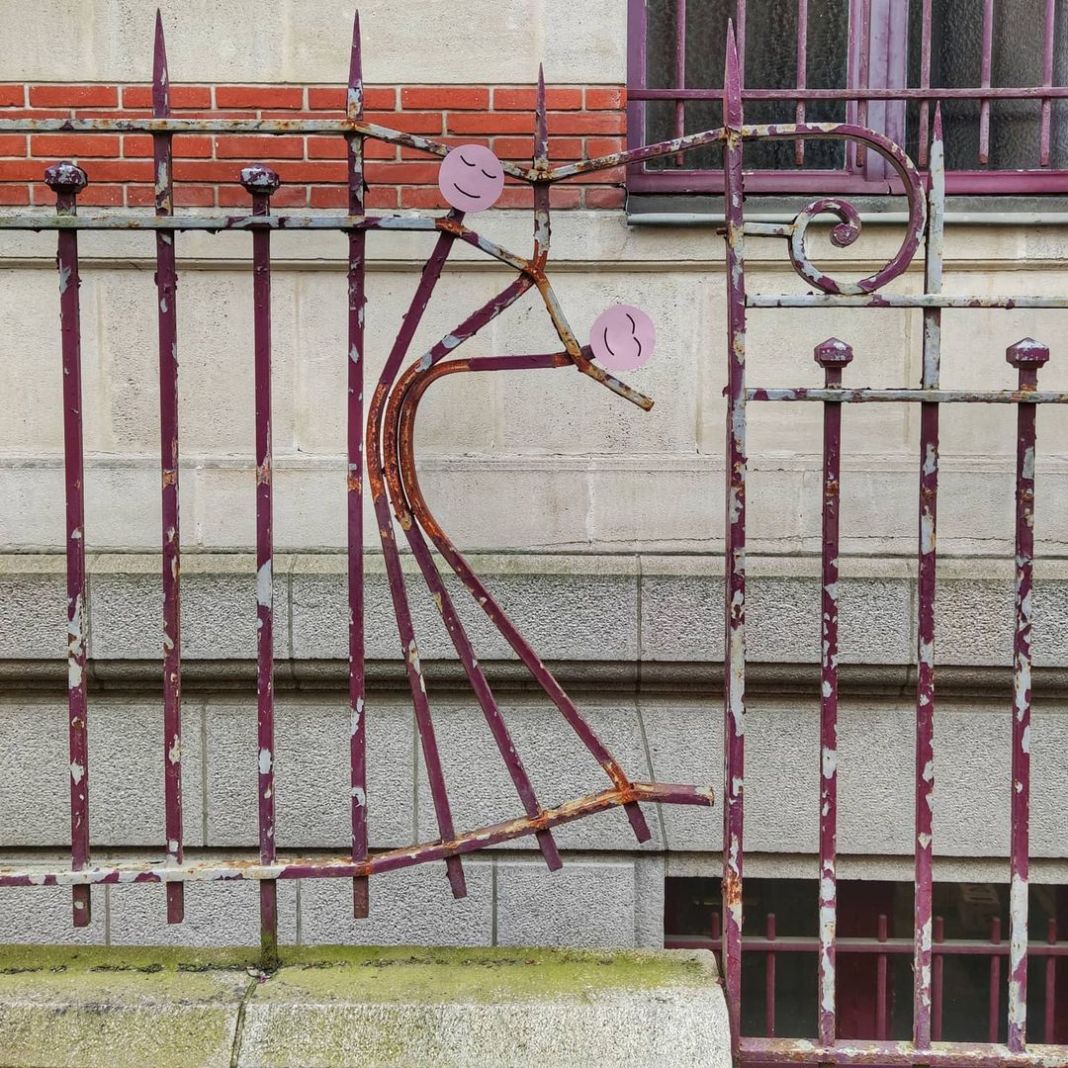
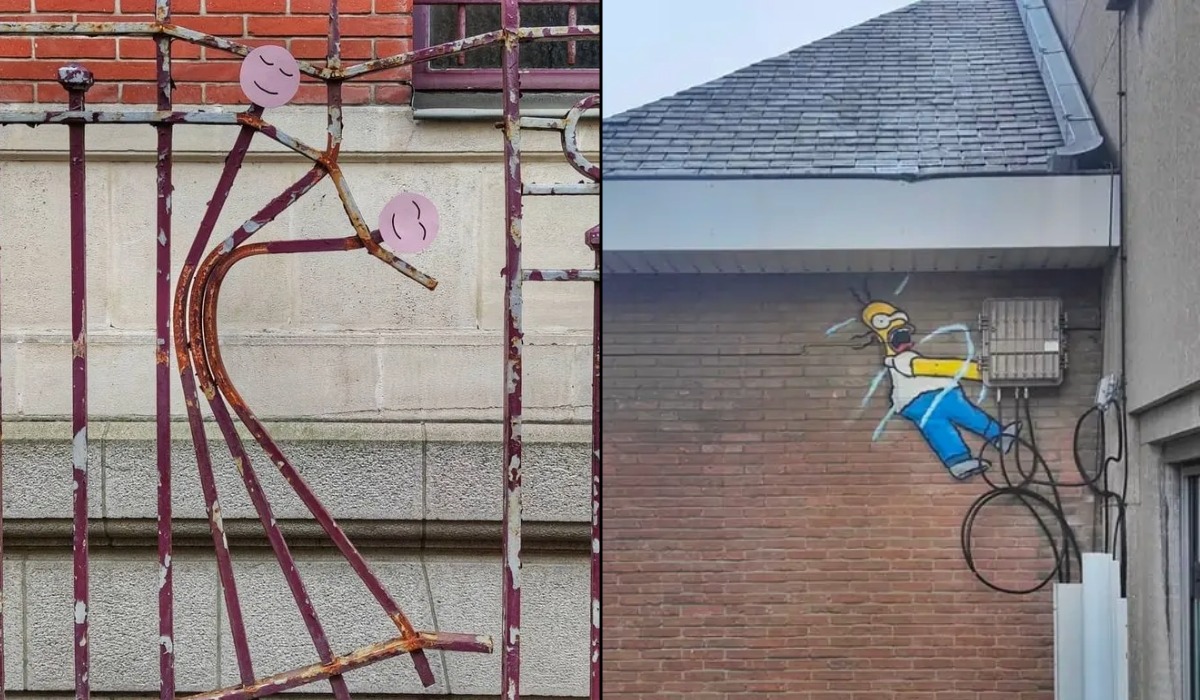
Oakoak transforms a bent metal fence into a joyful dancing figure.
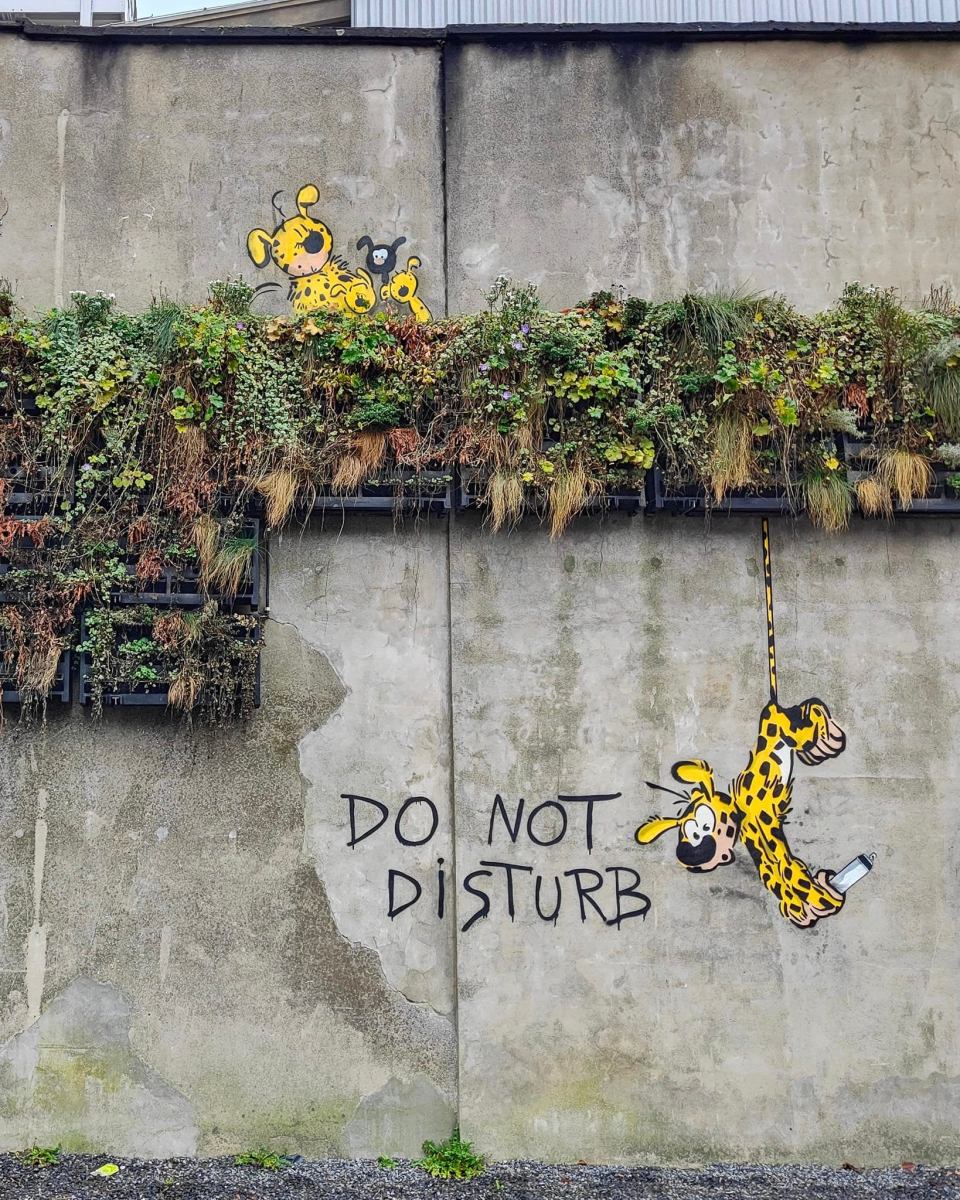
7.
Marsupilami comes to life in Oakoak’s piece, swinging and peeking from an overgrown planter on a concrete wall.
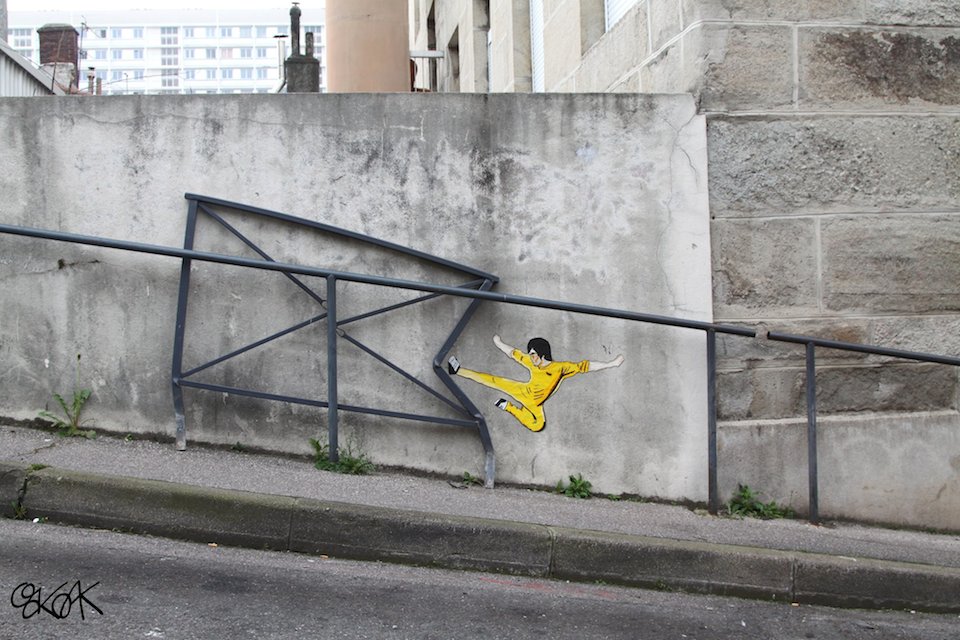
8.
Oakoak incorporates a bent railing into a dynamic scene of Bruce Lee delivering a powerful kick.
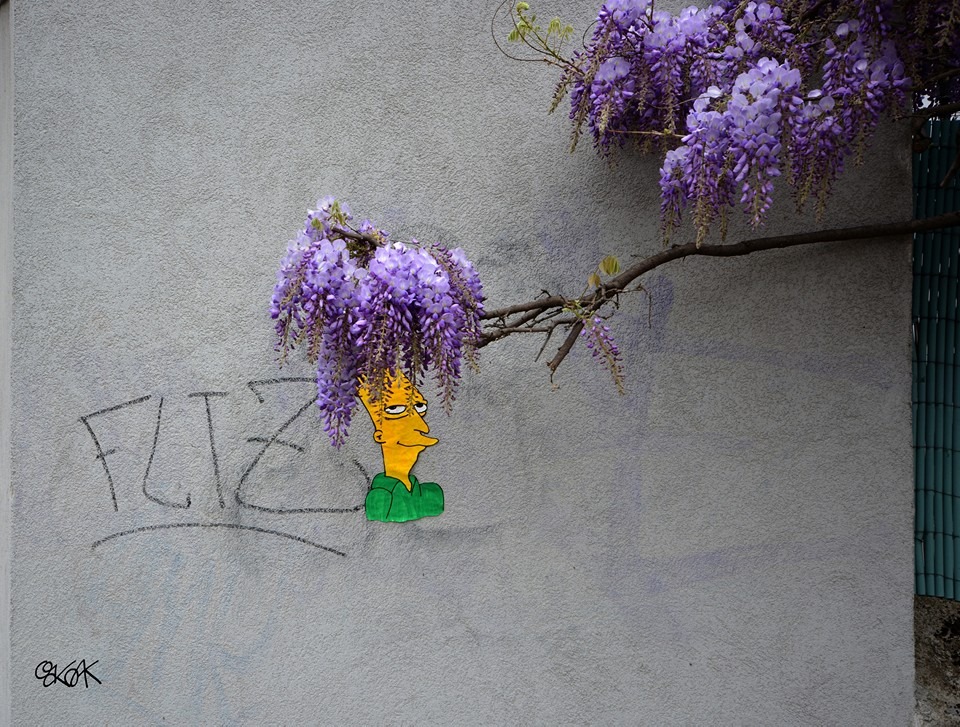
9.
Oakoak humorously combines wisteria flowers with a painted Sideshow Bob.
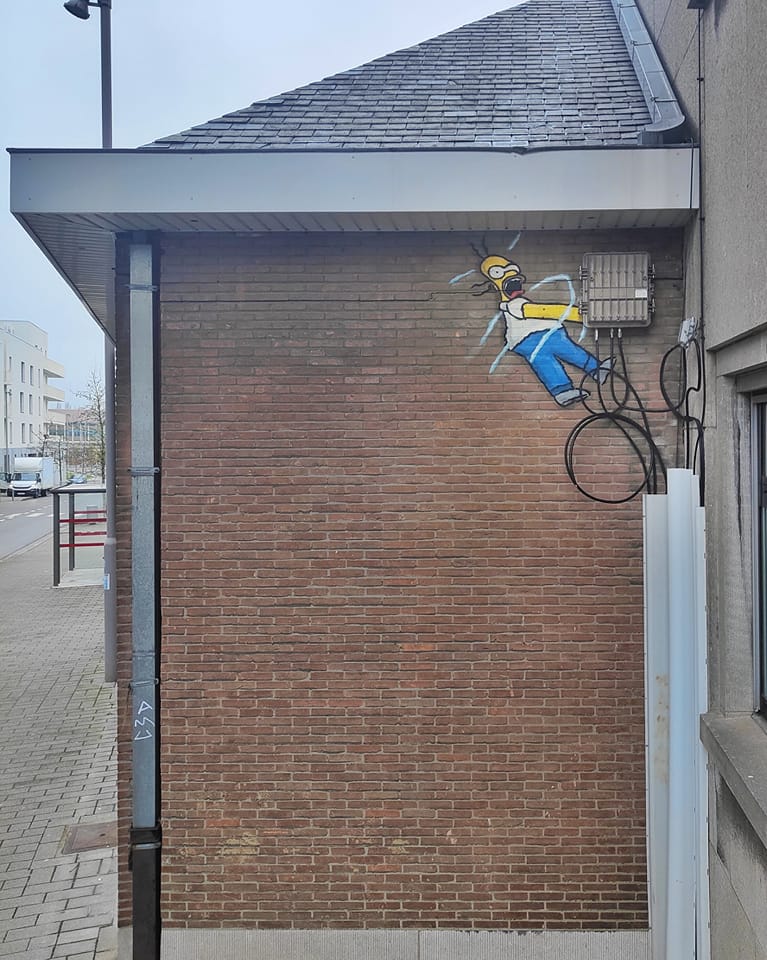
10.
Homer Simpson hilariously interacts with real electrical wires.
OAKOAK: For me street art has to use urban elements. It’s the most important thing for street art. Using and playing with things you find in the street.
More: Wrong but Right: Art By Oakoak (9 Photos)
Which one is your favorite?
oakoak (@oakoak_street_art) • Instagram photos and videos
124K Followers, 354 Following, 882 Posts - See Instagram photos and videos from oakoak (@oakoak_street_art)www.instagram.com
Street Artists On STREET ART UTOPIA -
Here on Street Art Utopia have we a lot of artists and collectives representing. These are the ones that have one or more collection dedicated to them. A list that will grow after every collection-post that comes online on Street Art Utopia.Street Art Utopia