Search
Items tagged with: ancientArt
Hidden for Centuries (7 Photos)
Content warning: History isn’t just written in books—it’s etched into the very foundations beneath our feet. Across Europe and beyond, archaeologists are uncovering breathtaking ancient mosaics, revealing intricate artwork that has survived centuries beneath layers of ear
History isn’t just written in books—it’s etched into the very foundations beneath our feet.
Across Europe and beyond, archaeologists are uncovering breathtaking ancient mosaics, revealing intricate artwork that has survived centuries beneath layers of earth and time. Each discovery provides a window into the past, showcasing the artistic and cultural achievements of civilizations long gone. Here are some of the most stunning recent discoveries.
New mosaic: Ememem: Repairing Streets with Artful Mosaics
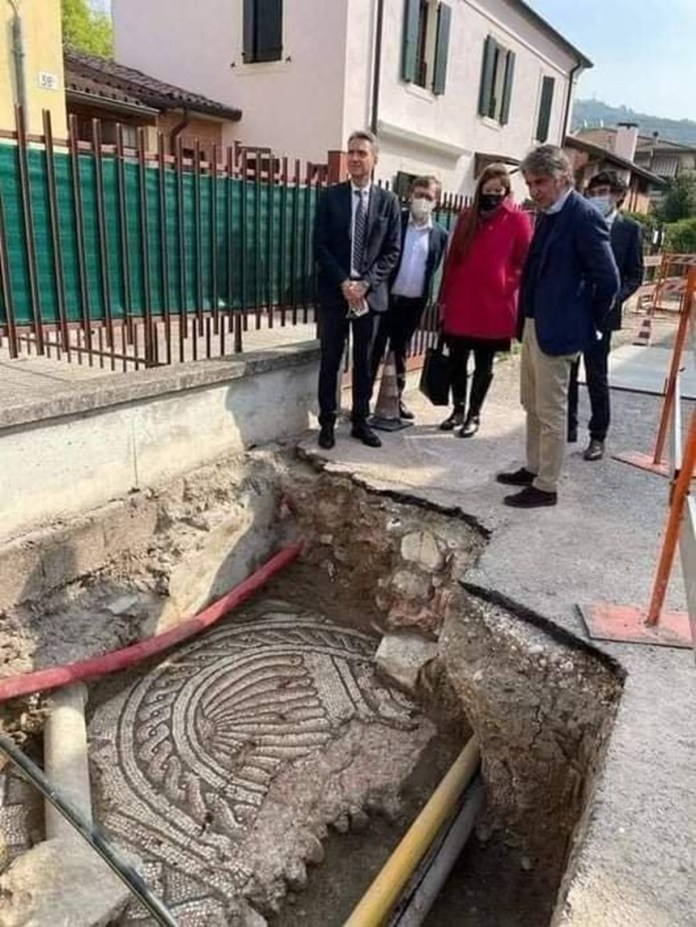
1. A Roman Masterpiece in Verona, Italy
In the hills of Negrar di Valpolicella, just outside Verona, archaeologists uncovered an intricately detailed Roman mosaic, likely dating back to the 3rd century AD. This remarkable find, featuring geometric patterns and elegant designs, was part of an ancient Roman villa, indicating a high-status residence. Buried beneath layers of soil for centuries, it has now been brought to light by dedicated excavation efforts. Ongoing work aims to preserve the mosaic, with potential plans to display it in the future.
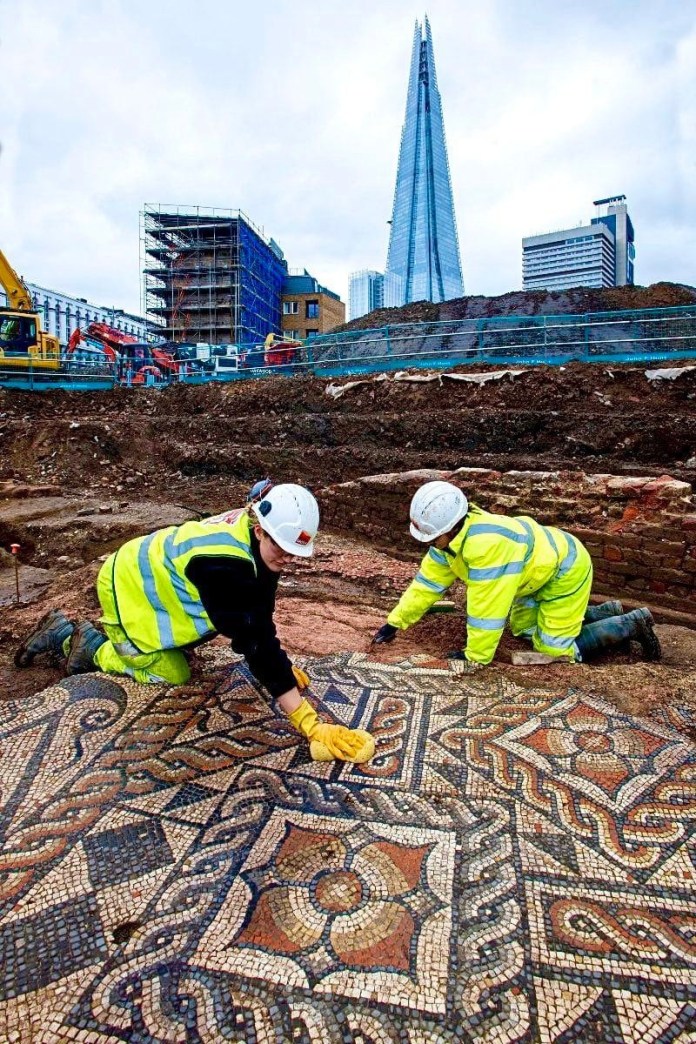
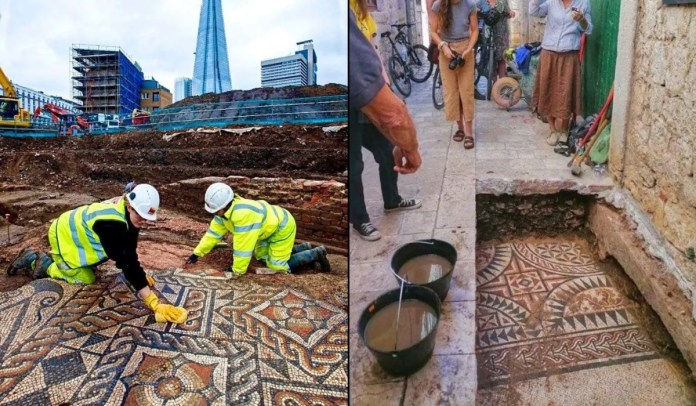
2. The Largest Roman Mosaic Found in London in 50 Years
In the heart of London, archaeologists working on Southwark Street uncovered the largest Roman mosaic found in the city in half a century. Discovered in 2022 by the Museum of London Archaeology (MOLA), this mosaic dates back to the late 2nd or early 3rd century AD and was likely part of a grand Roman dining room known as a triclinium.
The mosaic features intricate geometric patterns, interwoven designs, and floral motifs, indicating a luxurious setting. It is believed to have belonged to a wealthy individual’s residence or a mansio, an upscale lodging house for elite travelers in Roman London. A smaller mosaic was found beneath it, suggesting that the site had been redecorated over time.
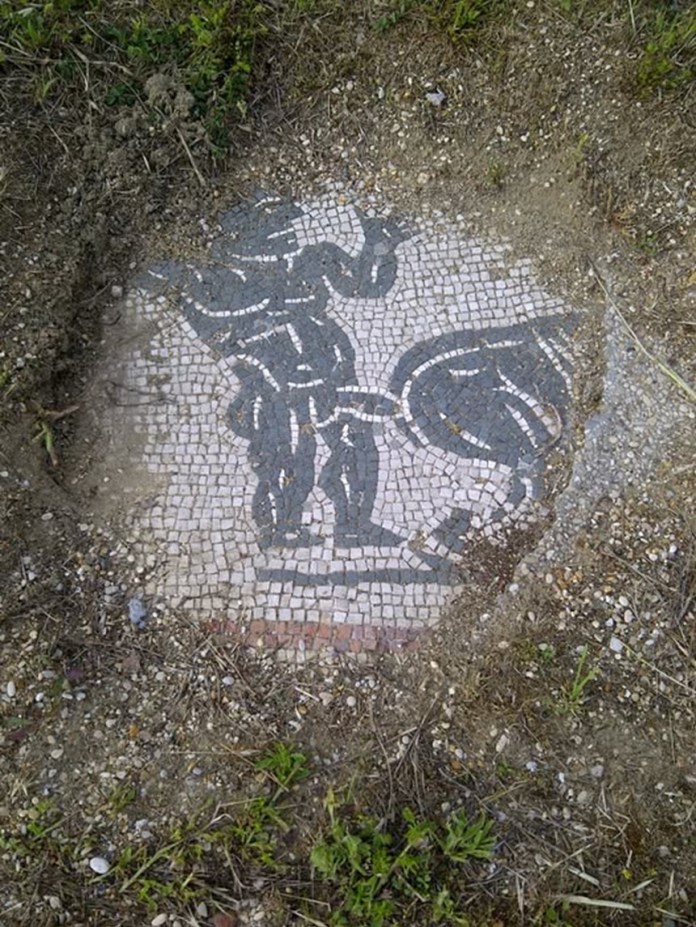
3. Hidden Treasures Beneath the Soil
In Turkey, near the ancient city of Antioch, archaeologists uncovered a black-and-white mosaic featuring mythological scenes, including a depiction of a Minotaur. This mosaic, dating back to the Roman period, is believed to have been part of a grand public or private building, possibly a bathhouse or villa. It was discovered by accident during agricultural work, emphasizing how much history remains buried beneath modern landscapes. Conservation efforts are now underway to preserve the mosaic and study its connection to nearby ancient settlements.
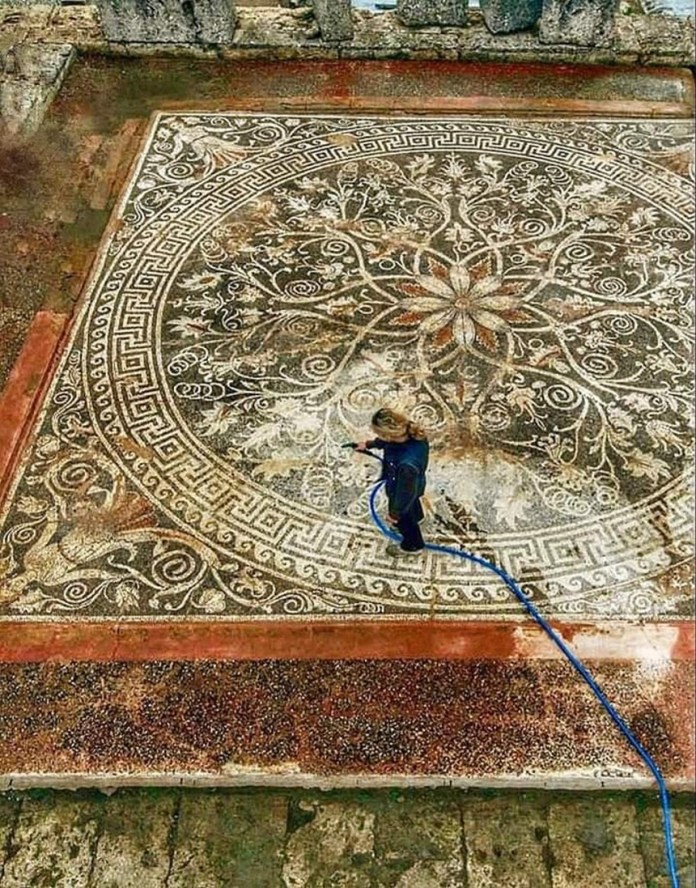
4. The Grand Mosaic of Aigai, Macedonia
The Grand Mosaic of Aigai, Macedonia, is one of the most significant archaeological finds from the ancient kingdom. Aigai was the first capital of the Kingdom of Macedonia and the seat of its royal palace. The mosaic, located within the ruins of the palace, dates back to the 4th century BCE. It is composed of pebbles arranged in detailed geometric and figurative patterns, depicting scenes of mythological and historical importance.
The palace of Aigai, where the mosaic is located, was built under King Philip II, the father of Alexander the Great. Archaeologists believe the mosaic was part of a grand reception hall, symbolizing the power and prestige of the Macedonian dynasty. The site has been undergoing conservation efforts to ensure the preservation of its intricate details.
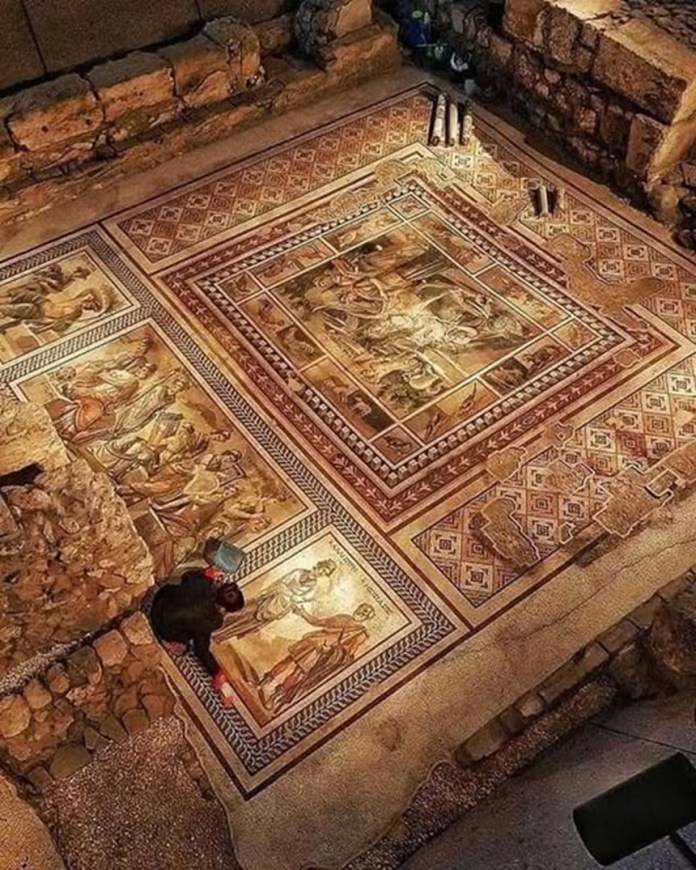
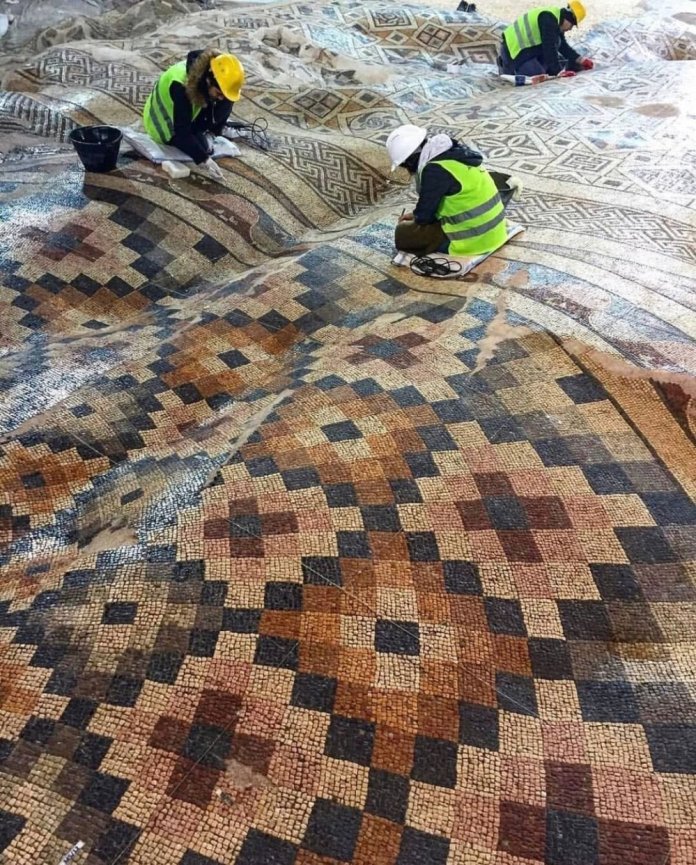
5. The Largest Ancient Mosaic in the World—Antakya, Turkey
In Antakya, Turkey, archaeologists uncovered a massive 9,000-square-foot (836 square meters) mosaic from the late Roman period (4th century AD), making it the largest ancient mosaic ever found. The stunning floor piece features intricate geometric patterns and wave-like designs, suggesting it was part of a public gathering space or grand structure.
Discovered in 2010 during excavations for a hotel, the mosaic remains remarkably well-preserved. Unlike many other ancient mosaics, it was built on naturally shifting terrain, causing parts of it to appear uneven but still intact. Today, it is part of The Museum Hotel Antakya, where guests can view this historical marvel integrated into the hotel’s design.
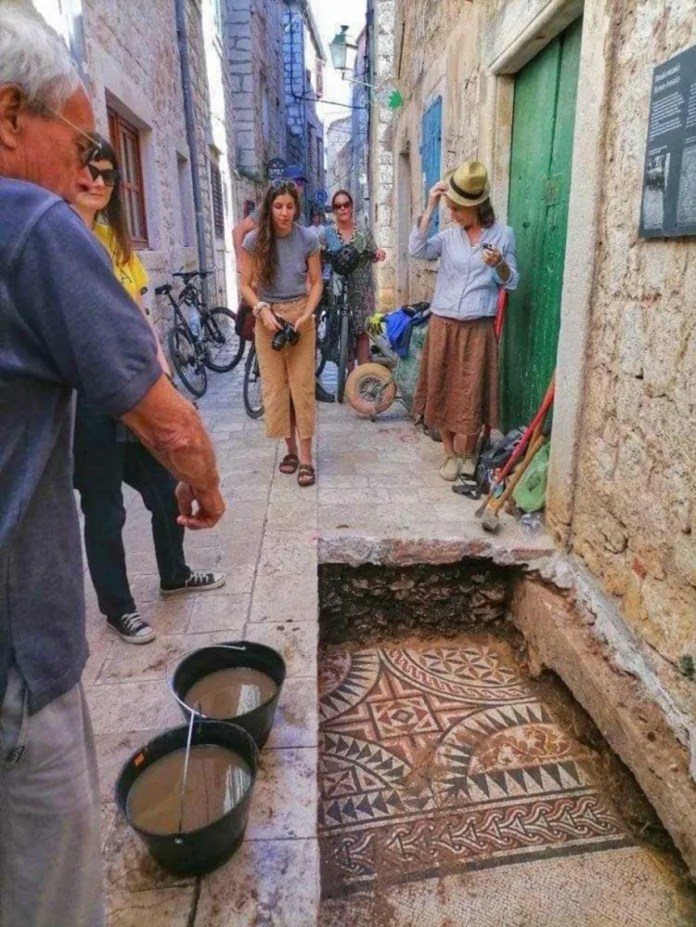
6. A Roman Relic in Hvar, Croatia
In the old town of Hvar, Croatia, archaeologists uncovered a Roman mosaic dating back to the 2nd or 3rd century AD. It was part of a luxurious Roman villa or a public building, indicating the presence of a wealthy and influential Roman settlement on the island. The mosaic features intricate geometric patterns and floral motifs, similar to other high-status Roman sites in the region.
Excavations revealed that the structure had undergone multiple renovations over centuries, demonstrating continuous habitation and adaptation. The discovery was made beneath modern structures, where it had been hidden for centuries. Archaeologists are currently working to preserve and protect the mosaic while investigating its historical context within Roman Dalmatia.
More photos: When they discovered Roman mosaic in old town of Hvar, Croatia
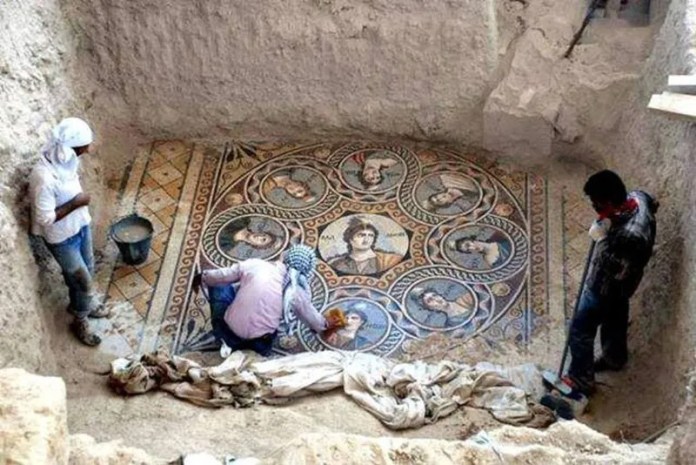
7. Seasons of Zeugma — Zeugma, Turkey
Discovered during excavations in the ancient Greek city of Zeugma, this floor mosaic presents eight portraits encircling a central figure, believed to represent personifications of the seasons or mythological muses. The piece is notable for its color retention and preserved context within a sunken room.
Preserving the Past for the Future
Each of these mosaics, once lost to time, has reemerged to tell the stories of ancient civilizations. Their rediscovery not only deepens our understanding of history but also underscores the importance of preserving cultural heritage. Whether hidden beneath city streets or countryside fields, these mosaics remind us that the past is never truly gone—it’s just waiting to be found. As archaeologists continue their work, who knows what other masterpieces still lie beneath our feet, waiting for their moment in the light?
More: Mosaic of a fish pond by Gary Drostle in London, UK (and some more artworks by the mosaic master)
What do you think about ancient mosaic? Should we do more blog posts like this that feature old outdoor art?

Amazing Mosaic Repairs (15 Photos)
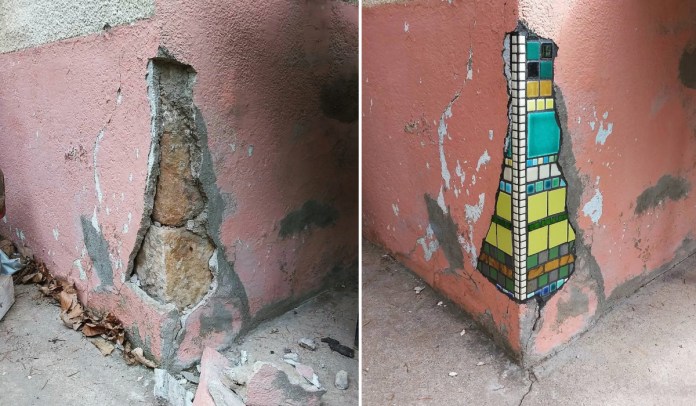
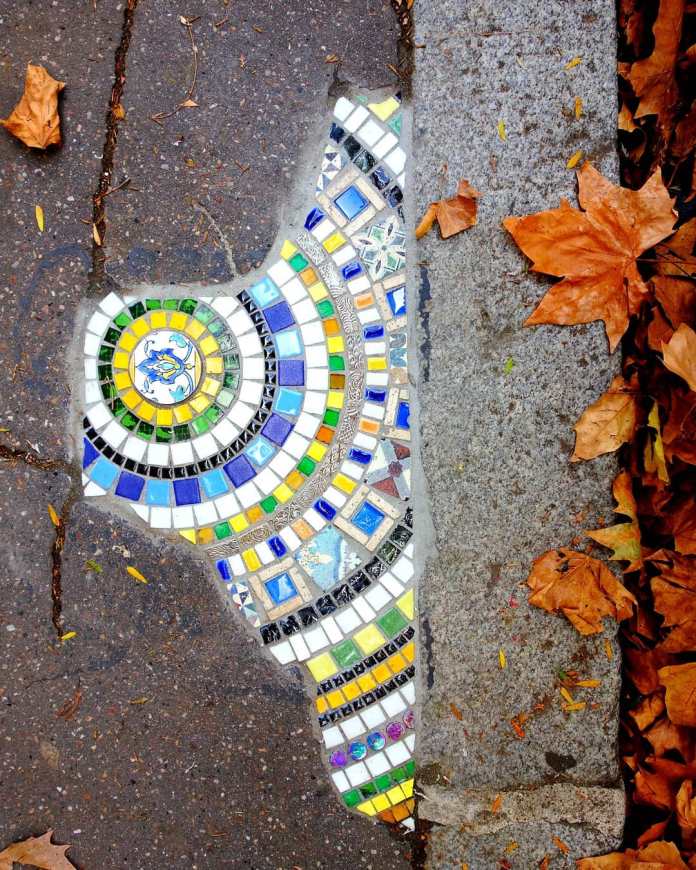
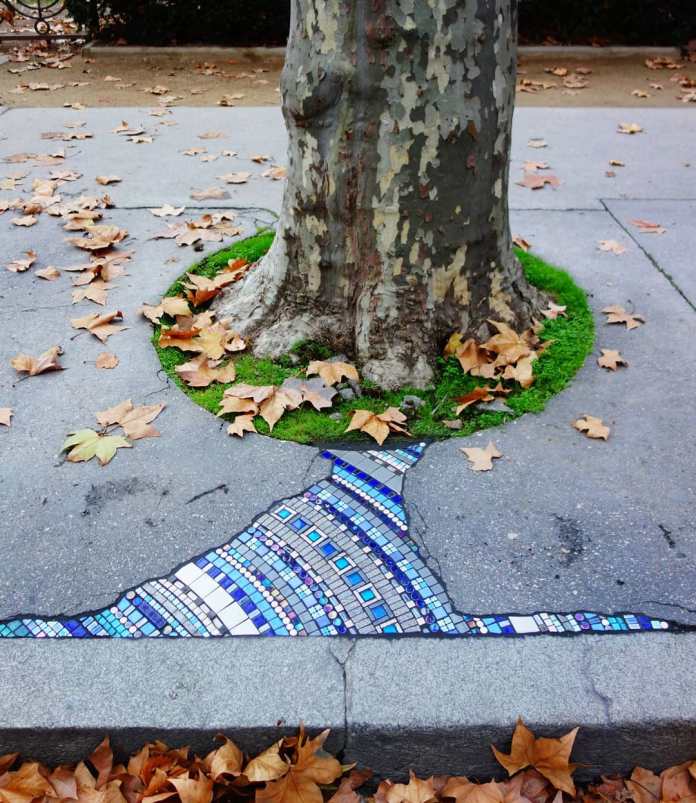
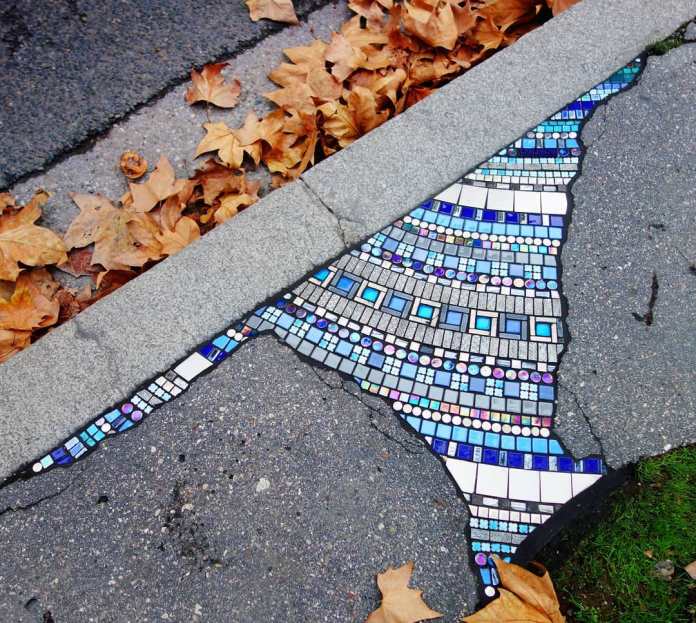
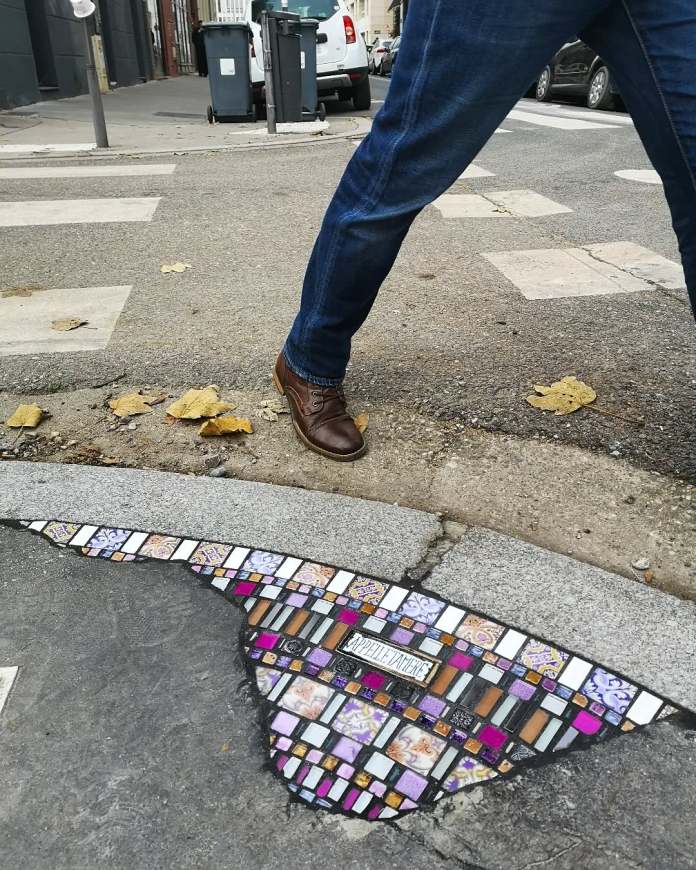
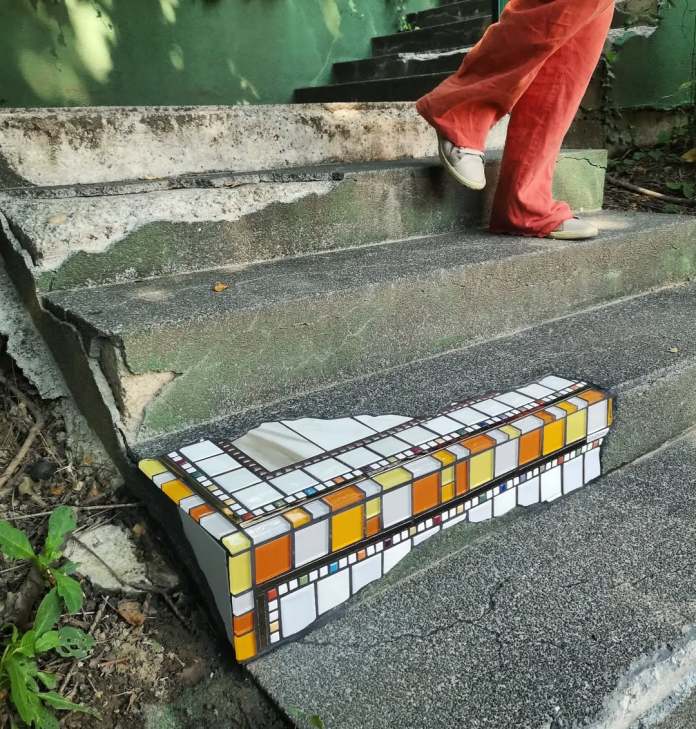
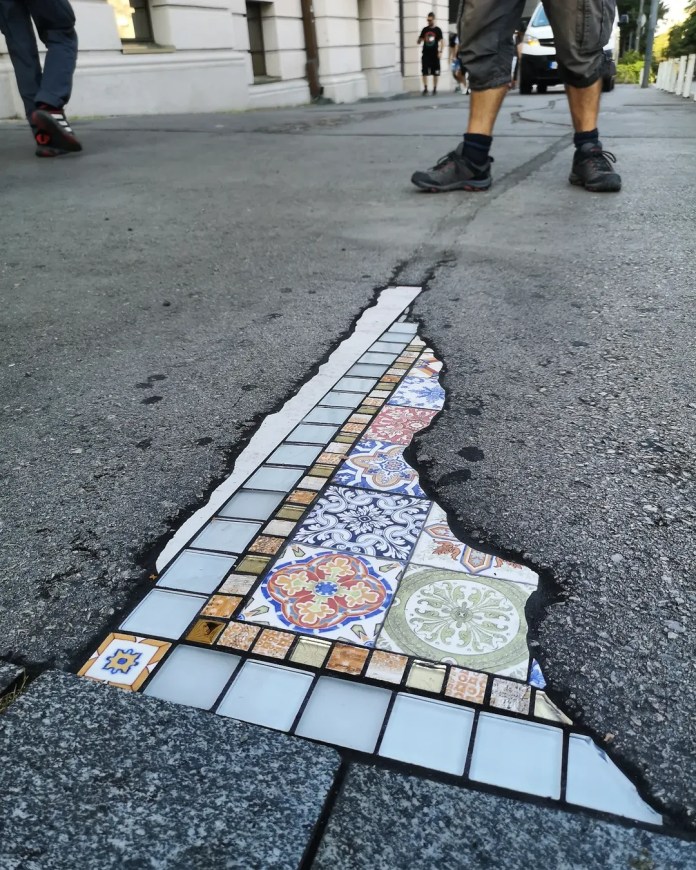
In the world of street art, where walls, buildings, and other vertical surfaces often steal the show, Ememem brings something refreshingly different to the table — or rather, to the pavement.
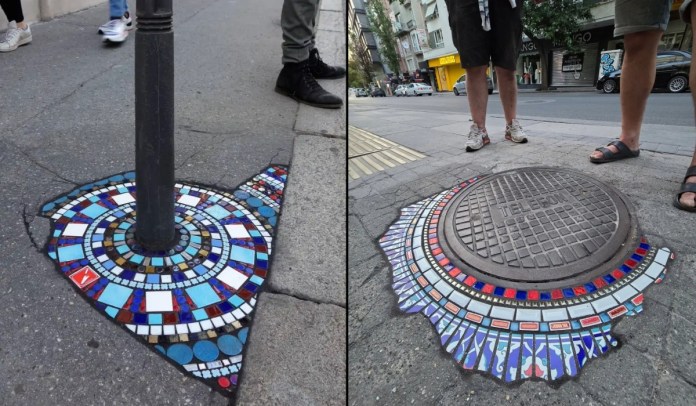
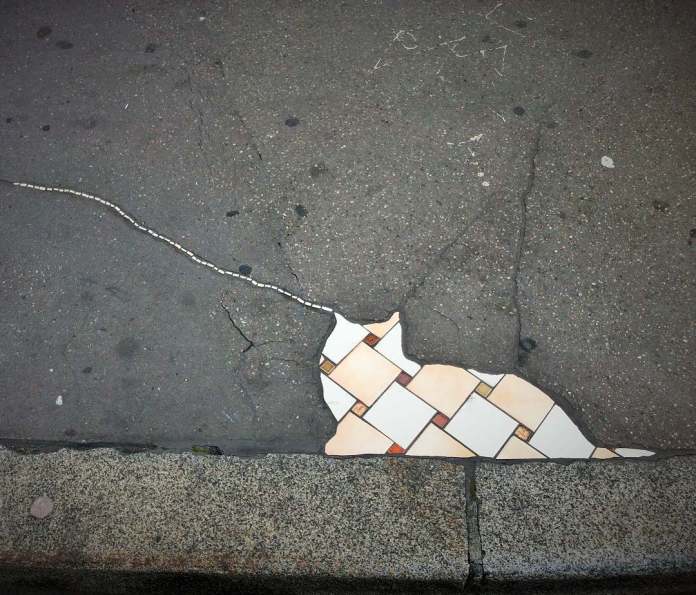
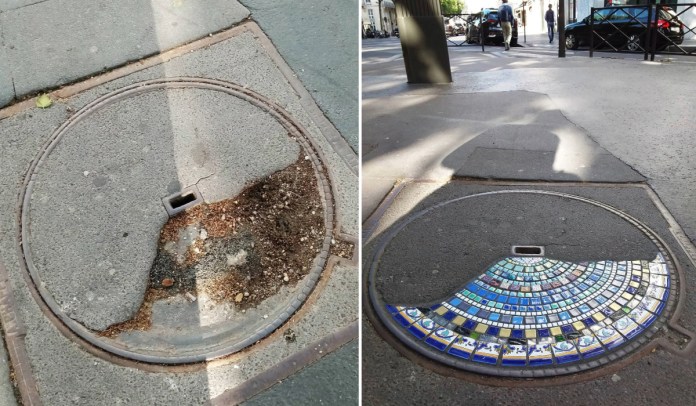
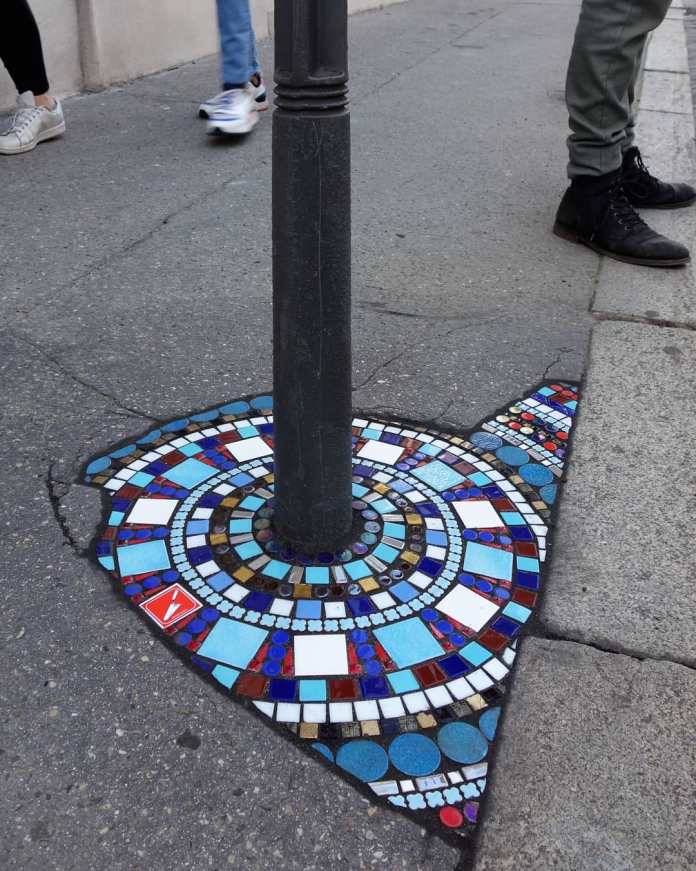
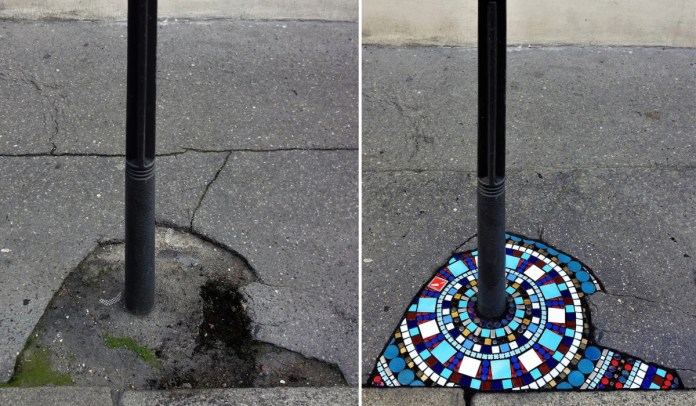
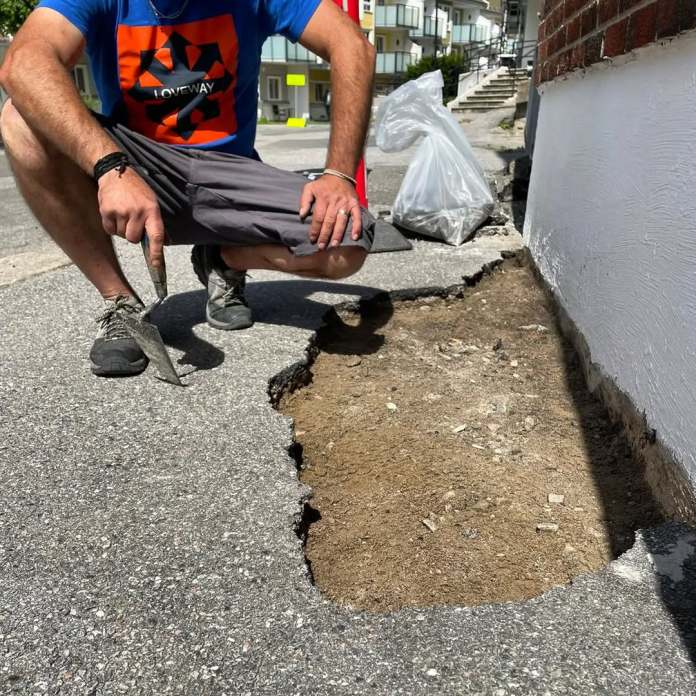
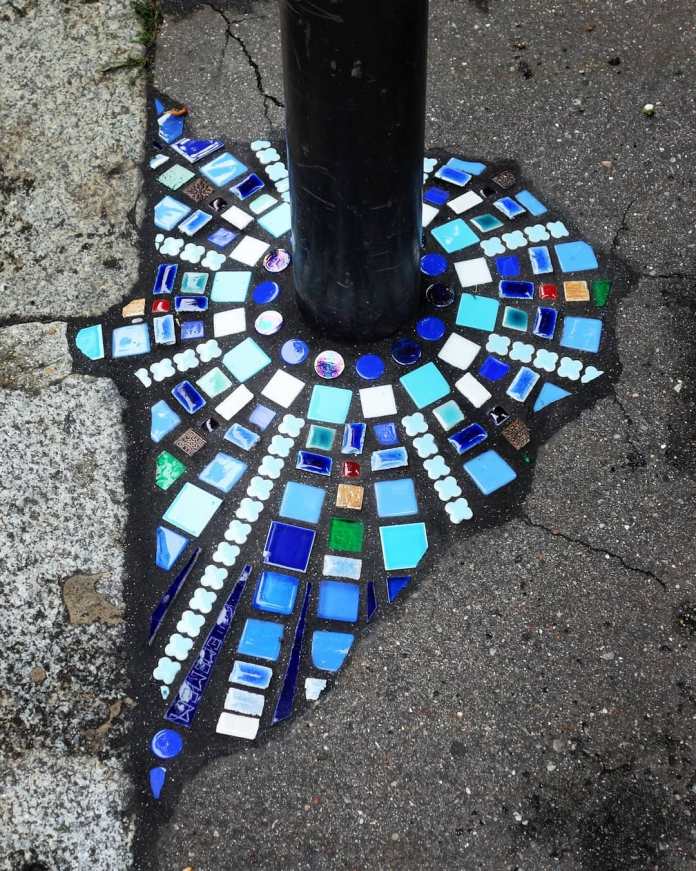
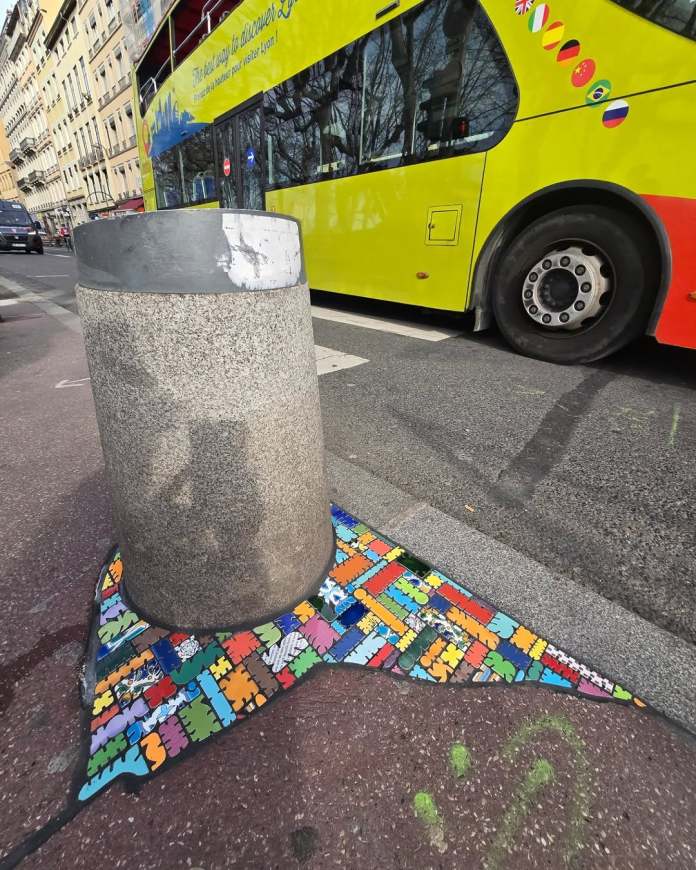
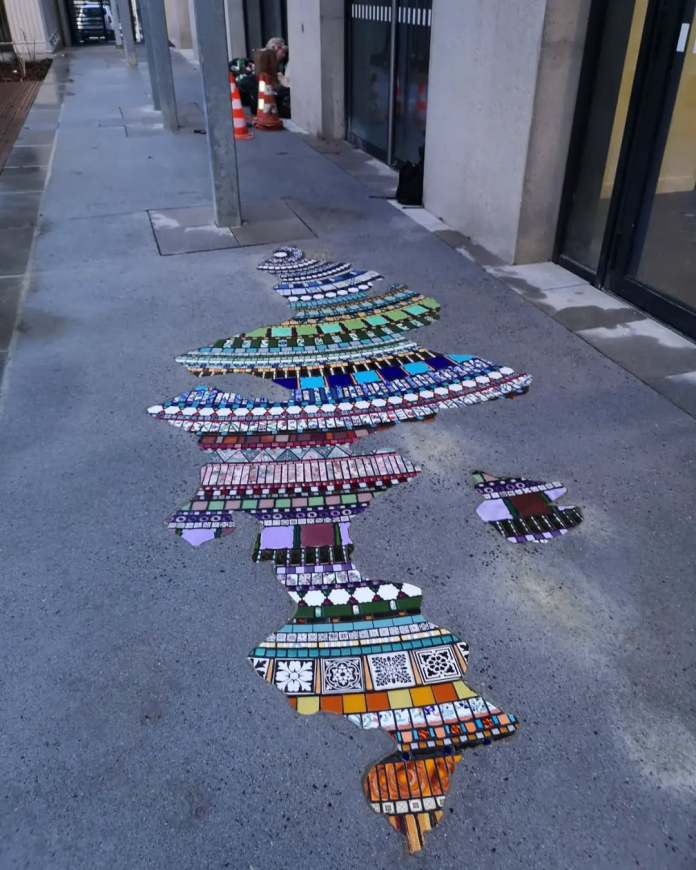
Known as the “pavement surgeon,” this French street artist transforms cracks, potholes, and other urban blemishes into stunning mosaic artworks. With a trowel in hand and tiles at the ready, Ememem has made a name by bringing beauty to what most people overlook.More like this: Repairing the World with LEGO: Jan Vormann’s Dispatchwork Project
1.
The Art of Flacking
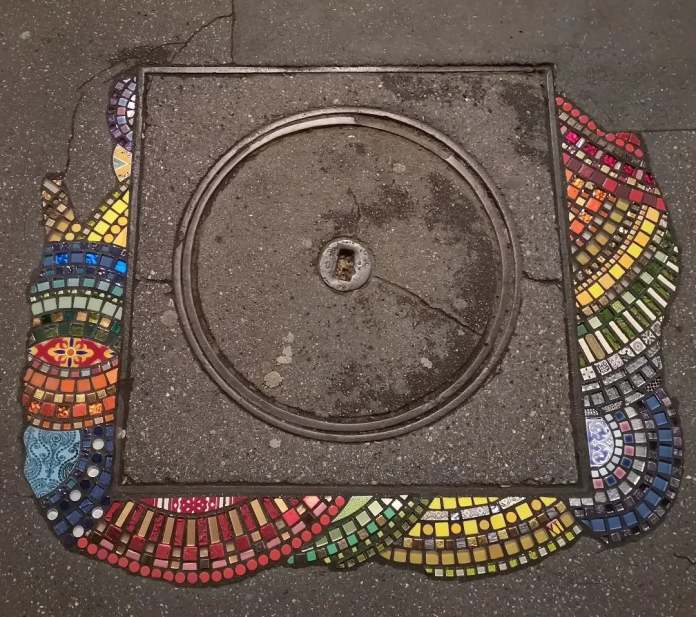
Ememem’s unique practice is known as “flacking,” a term the artist coined to describe the act of filling urban cracks with intricate designs. The colorful patterns often stand out against the dull grays of asphalt and concrete. Each piece transforming damage into art.2.
The first flacking by Ememem
From Lyon to the World
Based in Lyon, France, Ememem started flacking in 2016. The artist’s works have since spread to streets across Europe, making appearances in cities like Paris, Madrid, and Milan. Every piece is site-specific, tailored to the unique shape and character of each crack or hole. Whether it’s a geometric explosion of color or a more subdued design that blends with the environment, Ememem’s mosaics are unmistakable.3.
Democratizing Public Space
Ememem’s art does more than beautify streets; it also reclaims public spaces for everyone. By addressing overlooked areas and elevating them through art, the artist highlights the power of creativity in transforming everyday environments. The work is accessible to all, reinforcing the idea that art doesn’t need to be confined to galleries or museums.4.
Themes and Inspiration
The mosaics often reflect themes of repair, resilience, and humor. Some designs include playful patterns that mimic flowers, mandalas, or traditional tilework, while others incorporate messages or hidden symbols. This blend of craft and commentary invites viewers to look closer and engage with the art on a personal level. Each piece tells a story of renewal, where broken streets are given new life.5.
Viral Appeal
With the rise of social media, Ememem’s works have gained global recognition. The striking visuals are a favorite for Instagram, where hashtags like #flacking and #urbanart help spread the artist’s creations to audiences far beyond the streets where they’re found. The visually compelling mosaics often go viral. Follow Ememem Instagram here.6.
Whether you stumble upon one of Ememem’s pieces while walking to work or see them shared online, their impact is undeniable.
They challenge us to see the cracks in our world not as flaws but as opportunities for creativity and connection.
No future for the potholes!
7.
8.
9.
10.
11.
12.
Flacking against the gray void
13.
J.O PARIS 2024.Village Olympique
14.
Angled Balkan Flacking and four feet
15.
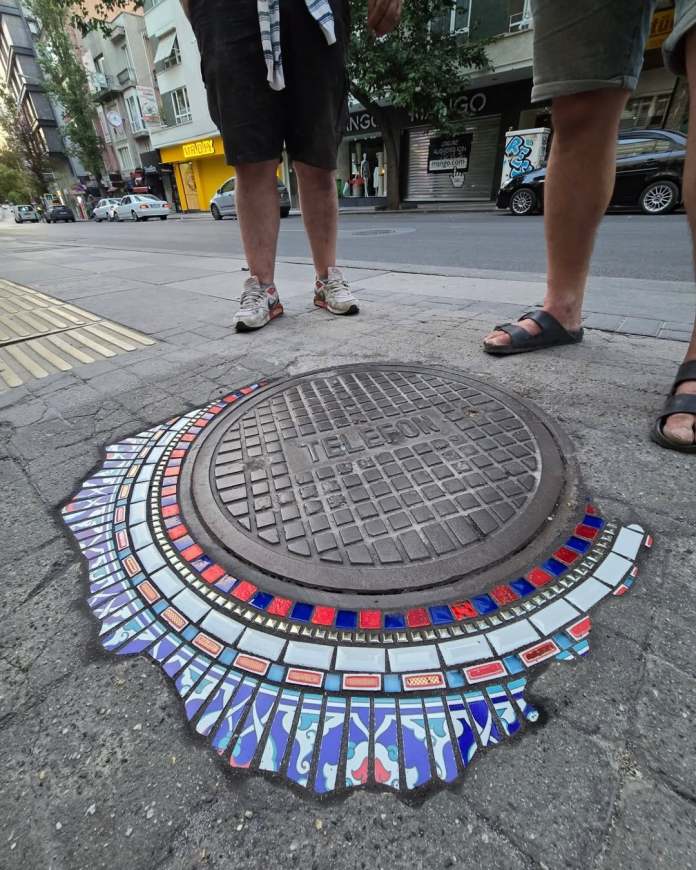
In Ankara, Türkiye
Ememem: In Ankara, I met a great artist, a great poet, Onur Bolat. It was a pleasure to walk through the night in the Ankara I would never have discovered on my own. A big thank you to you and to DobbyWould you like to see Ememem’s mosaic art (Flacking!) in your city?
Ememem on Instagram: "In Ankara, I met a great artist, a great poet, @hikmeti_tabiyeci. It was a pleasure to walk through the night in the Ankara I would never have discovered on my own. A big thank you to you and to Dobby @iftankara @cankayabelediye #e
24K likes, 114 comments - ememem.flacking on July 1, 2025: "In Ankara, I met a great artist, a great poet, @hikmeti_tabiyeci. It was a pleasure to walk through the night in the Ankara I would never have discovered on my own.Instagram