US accuses American of allegedly wiping his phone using a ‘duress’ password during border search
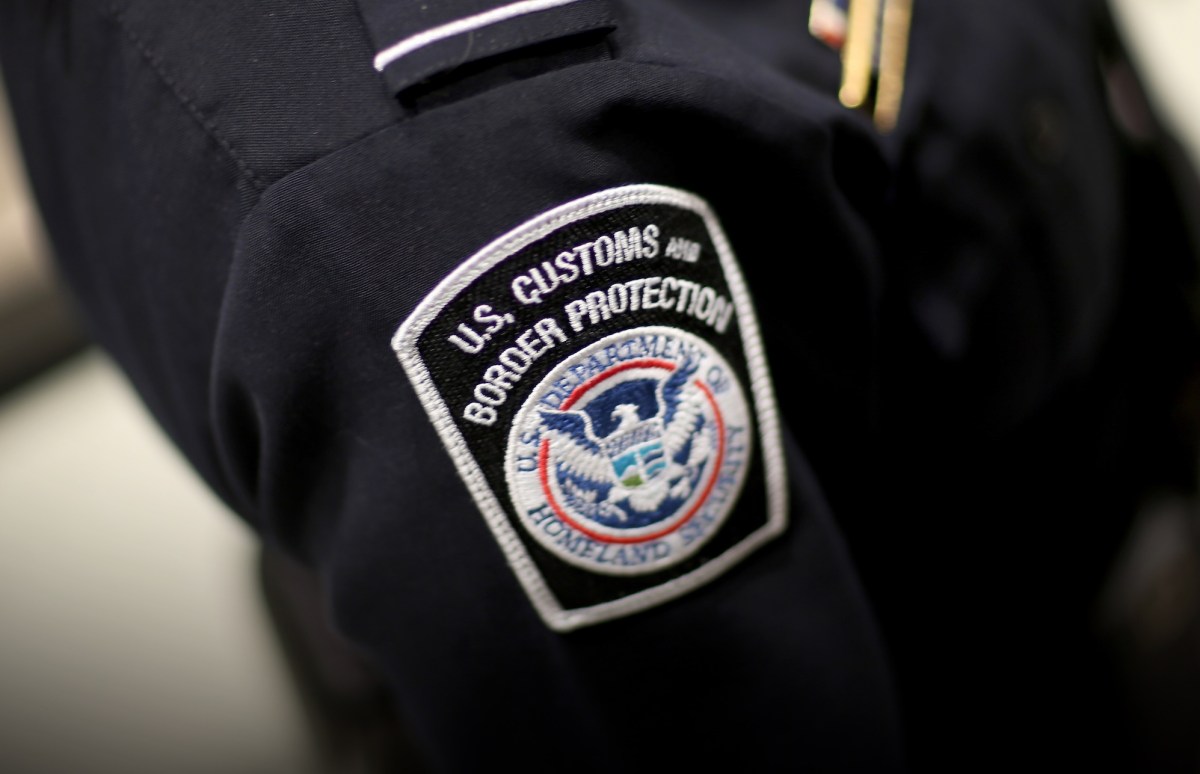
The U.S. Justice Department is prosecuting an American for allegedly providing U.S. border authorities with a passcode that wiped the contents of his phone, according to an indictment and media reports.
This is thought to be the first known case in the United States where federal prosecutors have charged someone for the alleged destruction of data using a “duress” password built into a phone’s software.
According to The Guardian, which covered the story earlier this week following the court’s first hearing on Monday, Atlanta resident Samuel Tunick is fighting the charges. Tunick’s attorneys said that it was unlawful for U.S. Customs and Border Protection to seize his phone as he arrived back in the U.S. last year and that any evidence — including the alleged wiping of his phone — should be thrown out.
The case c
... show moreUS accuses American of allegedly wiping his phone using a ‘duress’ password during border search
The U.S. Justice Department is prosecuting an American for allegedly providing U.S. border authorities with a passcode that wiped the contents of his phone, according to an indictment and media reports.
This is thought to be the first known case in the United States where federal prosecutors have charged someone for the alleged destruction of data using a “duress” password built into a phone’s software.
According to The Guardian, which covered the story earlier this week following the court’s first hearing on Monday, Atlanta resident Samuel Tunick is fighting the charges. Tunick’s attorneys said that it was unlawful for U.S. Customs and Border Protection to seize his phone as he arrived back in the U.S. last year and that any evidence — including the alleged wiping of his phone — should be thrown out.
The case centers on a feature included in GrapheneOS, a custom Android operating system that runs in place of the software on most modern Google Pixel devices. Tunick’s attorneys confirmed GrapheneOS was running on his phone. ...
Rest of article: https://techcrunch.com/2026/07/24/us-accuses-american-of-allegedly-wiping-his-phone-using-a-duress-password-during-border-search/
#USA #custom
A U.S. citizen has asked a court to throw out the government's claim that he gave over a passcode to border authorities that wiped his phone's data, opening up fresh questions about a person's constitutional rights at the U.S. border.
Zack Whittaker (TechCrunch)
Tedel
•N. E. Felibata II likes this.
David
•What law outlaws this? Surely such a law would be unconstitutional.
A search warrant allows law enforcement officers to try to gather evidence. It does require the person who is searched not to try to stop the search, but it does not require the person searched to assist the searchers.
Kenny Chaffin likes this.
Kenny Chaffin
•HUartsound3
•They always find/invent exceptions when they want to intrude...
Supreme Court jurisprudence has established that some established constitutional provisions do not apply at the U.S. border, and protections against governmental privacy incursions are significantly reduced. As such, U.S. Customs and Border Protection (CBP) and the U.S. Border Patrol as an arm of CBP have more authority to search, seize, and detain individuals and property at border crossings than law enforcement agencies would have in other contexts. Justified by reference to the national interest in monitoring and controlling entrants to the country, the doctrine is known as the “border search exception.”
... show moreHowever, Border Patrol does not restrict its operations to the U.S. border. Originating in a decades-old federal statute, CBP has the authority to conduct stops and searches within a “reasonable distance” of a border, defined by regulation as 100 miles. This “100-mile zone” has been used for permanent and temporary internal checkpoi
They always find/invent exceptions when they want to intrude...
Supreme Court jurisprudence has established that some established constitutional provisions do not apply at the U.S. border, and protections against governmental privacy incursions are significantly reduced. As such, U.S. Customs and Border Protection (CBP) and the U.S. Border Patrol as an arm of CBP have more authority to search, seize, and detain individuals and property at border crossings than law enforcement agencies would have in other contexts. Justified by reference to the national interest in monitoring and controlling entrants to the country, the doctrine is known as the “border search exception.”
However, Border Patrol does not restrict its operations to the U.S. border. Originating in a decades-old federal statute, CBP has the authority to conduct stops and searches within a “reasonable distance” of a border, defined by regulation as 100 miles. This “100-mile zone” has been used for permanent and temporary internal checkpoints and roving stops. The extent to which the agency’s assumed expansive authority within this zone squares with constitutional principles is open to question. This Article will analyze how Fourth Amendment principles should apply to CBP authority inside national borders, including its authority to stop, question, search, and detain individuals. It will analyze the legal problems and risks attendant to an expansion of Border Patrol authority into an area encompassing the residence of about two-thirds of the U.S. population, suggesting an alternative approach that provides both clearer guidelines and more robust protections for civil liberties. Ultimately, Border Patrol activity that occurs beyond the nation’s border should be bound by ordinary constitutional restrictions applicable to all other law enforcement.
https://insight.dickinsonlaw.psu.edu/pslr/vol124/iss2/3/
The U.S. Border Patrol's Constitutional Erosion in the "100-Mile Zone"
Insight @ Dickinson LawDavid
•Ali the Amalekite
•